
If you have a tiny toy puppy at home, you might be wondering: Can I feed adult dog food to my little friend? It’s a common question because you want what’s best for your puppy’s growth and health.
Feeding the wrong food can affect their energy, development, and even their happiness. You’ll discover why choosing the right food matters and what you should know before making this important decision. Keep reading to learn how to give your toy puppy the nutrition they truly need.
Differences Between Puppy And Adult Dog Food
Choosing the right food for your toy puppy can be confusing, especially when you wonder if adult dog food might be a suitable option. Puppy and adult dog foods are designed with different goals in mind. Understanding these differences helps you make informed choices for your pup’s health and happiness.
Nutritional Needs Of Puppies
Puppies need more calories, protein, and fat than adult dogs to support their rapid growth. Their bodies are building muscles, bones, and organs, which requires extra nutrients. Feeding your toy puppy adult dog food may not provide enough energy or essential nutrients to fuel this critical development stage.
Have you noticed how your puppy seems to eat almost constantly? That’s because their metabolism runs faster and they burn through nutrients quickly. Puppy food is specially formulated to meet these high demands.
Ingredients In Adult Dog Food
Adult dog food typically contains fewer calories and less fat than puppy food. The ingredients focus more on maintenance rather than growth, often including more fiber to support digestion. Some adult formulas may even have supplements to help with joint health or weight control.
Using adult food for a growing puppy can mean missing out on key vitamins and minerals like calcium and DHA, which are crucial for brain and bone development. This can slow down your puppy’s progress and impact their long-term health.
Impact On Growth And Development
Feeding your toy puppy adult dog food can lead to slower growth and weaker bones due to insufficient nutrients. Puppies that don’t get enough protein or fat might lack energy and have dull coats. I once switched my own puppy to adult food too soon, and I saw a noticeable drop in her activity levels and overall vitality.
Can you risk your puppy’s health by cutting corners on food? Giving them the right nutrition early on sets the foundation for a strong, healthy adult dog. Prioritize puppy food until your vet confirms your pet is ready for a transition.
Risks Of Feeding Adult Food To Toy Puppies
Feeding adult dog food to a toy puppy might seem like a simple choice, especially if you already have adult dogs at home. However, this practice carries several risks that can affect your tiny pup’s growth and overall health. Understanding these risks can help you make better decisions for your puppy’s diet and well-being.
Potential Nutritional Deficiencies
Toy puppies need more calories, proteins, and fats than adult dogs to support their rapid growth. Adult dog food often lacks the right balance of these essential nutrients for puppies. This deficiency can stunt their development and weaken their immune system.
Have you noticed your puppy seeming less energetic or not growing as expected? It might be due to missing vital nutrients that adult food doesn’t provide. Puppies require nutrients like DHA for brain development, which adult formulas typically don’t include.
Digestive Issues To Watch For
Switching your toy puppy to adult dog food can upset their sensitive stomach. Adult food is usually higher in fiber and different proteins, which can cause diarrhea or constipation in puppies. These digestive problems can lead to dehydration and discomfort.
Watch for signs like vomiting, loose stools, or lack of appetite. If you spot these, consider whether the food might be the culprit. A puppy’s digestive system isn’t ready to handle adult formulas, so it’s important to feed them puppy-specific food.
Long-term Health Concerns
Feeding adult food early on can have lasting impacts beyond just growth delays. Nutritional imbalances can lead to bone and joint problems because puppies need extra calcium and phosphorus. Over time, this can affect their mobility and quality of life.
There’s also a risk of developing obesity or other metabolic issues if the calorie content isn’t matched to a puppy’s needs. Could a simple diet choice today make your dog face health challenges years down the road? That’s why sticking to puppy food is a wise investment in their future.
When Adult Dog Food Might Be Appropriate
Adult dog food may suit some toy puppies at certain stages. Choosing the right food depends on growth, size, and health needs. Sometimes, adult food can support a toy breed’s unique requirements.
Transitioning Between Puppy And Adult Food
Switching from puppy to adult food should be gradual. Sudden changes can upset your puppy’s stomach. Mix increasing amounts of adult food with puppy food over 7-10 days. Watch your pup’s reaction during this time. Adjust the mix if you see any digestive issues.
Consulting Your Veterinarian
Veterinarians know the best diet for your dog. They consider age, weight, and health conditions. Ask your vet before changing food types. They can recommend the right adult food for your toy puppy. Regular check-ups ensure your dog stays healthy on the new diet.
Special Cases For Toy Breeds
Toy breeds have faster metabolisms and smaller stomachs. They may need nutrient-dense adult food earlier than larger dogs. Some adult formulas are made specifically for toy breeds. These provide extra calories and nutrients in smaller portions. Feeding the correct food helps maintain their energy and weight.
Credit: www.petsmart.com
Choosing The Right Food For Toy Puppies
Adult dog food lacks the right nutrients for toy puppies’ growth and energy needs. Feeding puppy-specific food supports healthy bones and development. Choosing proper food helps your toy puppy stay strong and active.
Choosing the right food for your toy puppy is crucial for their growth and well-being. These tiny canine companions have unique dietary needs that differ significantly from adult dogs. Understanding what to look for in their food can make a world of difference in their health and happiness.Size-specific Formulas
Toy puppies require specially formulated diets that cater to their small size and rapid growth rate. These size-specific formulas ensure they get the right balance of nutrients without overwhelming their tiny digestive systems. Look for foods that are labeled for toy breeds or small breeds to ensure they’re getting the right bite-sized kibble and nutrient content.Key Nutrients To Look For
Protein is a vital nutrient for growing puppies, providing the building blocks for strong muscles. Ensure their food has high-quality protein sources like chicken or fish. Additionally, DHA is crucial for brain development, so check for its presence in the ingredients. Calcium and phosphorus are essential for developing strong bones and teeth. However, the right balance is key; too much can be harmful.Reading Pet Food Labels
Pet food labels can sometimes feel like a puzzle, but they hold the key to understanding what’s in your puppy’s meal. Ingredients are listed by weight, so the first few items are the most significant. Avoid foods with vague terms like “meat by-products” and opt for those with specific, high-quality ingredients. Check the guaranteed analysis section for nutrient content. This will give you an idea of the protein, fat, and fiber levels in the food. Remember, a little research now can lead to a happier, healthier pup later.Feeding Tips For Toy Puppy Health
Feeding your toy puppy the right way is key to ensuring they grow healthy and strong. Toy breeds have tiny stomachs and unique nutritional needs. Paying close attention to how much and how often you feed them can make a big difference in their overall well-being.
Portion Control And Meal Frequency
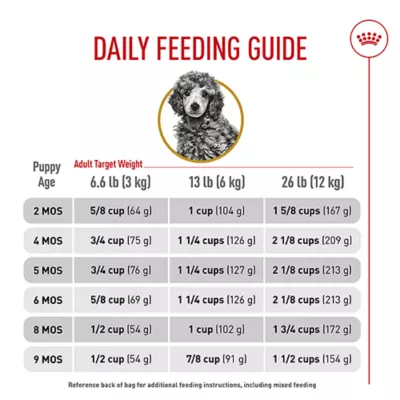
Toy puppies need smaller, more frequent meals because their metabolism is fast and their stomachs are small. Feeding them 3 to 4 times a day helps maintain steady energy levels and prevents digestive upset.
Use a measuring cup to portion their food accurately. Too much or too little can cause problems. Ask yourself, are you feeding your pup by weight or by volume? Adjust portions based on their age, activity, and growth.
Avoiding Overfeeding
It’s tempting to spoil your little dog with extra treats or large meals, but overfeeding can lead to obesity and health issues. Keep treats to less than 10% of their daily calories to avoid weight gain.
Notice if your puppy is begging more often—sometimes it’s just habit, not hunger. Before offering more food, check if they really need it. Have you ever seen your toy pup refuse food? That’s a sign to stop.
Monitoring Weight And Growth
Regularly weigh your puppy and track their growth. This simple habit helps catch early signs of over- or underfeeding.
Look at their body shape—can you feel their ribs without pressing hard? Are they active and playful? These signs help you know if their diet is on point. If you’re unsure, consult your vet for guidance tailored to your puppy’s needs.

Credit: greensafaris.com
Alternatives To Adult Dog Food For Toy Puppies
Choosing the right food for your toy puppy can be tricky, especially if you’re wondering whether adult dog food is a safe option. Toy puppies have unique nutritional needs to support their rapid growth and high energy levels. Luckily, there are alternatives that cater specifically to their tiny size and developing bodies.
Puppy-specific Diet Options
Puppy-specific diets are formulated to meet the exact nutritional demands of growing dogs. These foods usually have higher protein, fat, and calorie content compared to adult dog food. You can find dry kibble, wet food, and even breed-specific formulas designed for toy breeds.
Have you noticed how some toy puppies seem to have endless energy? That’s because they need nutrient-dense meals that support brain development and muscle growth. Feeding them puppy food helps ensure they get the right balance of vitamins and minerals without overloading their small digestive systems.
Homemade Meal Considerations
Preparing homemade meals for your toy puppy can be rewarding, but it requires careful planning. You need to include a good mix of protein, carbohydrates, fats, and essential nutrients like calcium. Simple recipes might include cooked chicken, rice, and vegetables, but avoid onions, garlic, and anything toxic to dogs.
Have you tried making meals for your puppy? It’s important to consult your vet or a canine nutritionist to make sure your recipe covers all the basics. An unbalanced homemade diet might lead to growth problems or nutrient deficiencies.
Supplementing Puppy Diets Safely
Sometimes, you might want to add supplements to your puppy’s diet to support their health. Popular choices include omega-3 fatty acids for skin and coat, probiotics for digestion, and joint supplements as they grow. However, it’s crucial to avoid over-supplementing, as too much of some nutrients can harm your puppy.
Before adding anything new, ask yourself: Is this supplement necessary, and is it safe for my puppy’s size and age? Always check with your vet to get personalized advice. Supplements should enhance your puppy’s diet, not replace balanced feeding.
Credit: www.chewy.com
Frequently Asked Questions
Can I Feed Adult Dog Food To My Toy Puppy?
Feeding adult dog food to a toy puppy is not recommended. Puppy food has nutrients essential for growth. Adult food lacks these vital nutrients and may cause deficiencies in puppies.
What Are The Risks Of Feeding Adult Food To Puppies?
Adult food may cause nutritional imbalances in puppies. It can lead to poor growth, weak immunity, and digestive issues. Puppies need higher protein, fat, and calories for healthy development.
When Can A Toy Puppy Switch To Adult Dog Food?
Toy puppies can switch to adult dog food around 12 months old. This age varies by breed and size. Consult your vet to determine the best time for the switch.
Can Feeding Adult Food Affect My Puppy’s Growth?
Yes, adult food can negatively affect puppy growth. It may lack essential nutrients like calcium and vitamins. This can result in weak bones and poor overall development.
Conclusion
Toy puppies need special nutrition for healthy growth. Adult dog food lacks some nutrients puppies require. Feeding adult food to a toy puppy might cause health issues. Choose puppy food made for small breeds instead. It supports their energy and development well.
Always check with your vet about your puppy’s diet. Proper food helps your little dog stay strong and happy. Small steps in feeding make a big difference. Keep your toy puppy’s needs in mind every day.