Are you wondering if it’s okay to feed your adult dog puppy food? You might think that since puppy food is packed with nutrients, it could be a good choice for your grown dog.
But is it really safe? Could it affect your dog’s health or energy? Keep reading to find out what happens when adult dogs eat puppy food and whether it’s the right choice for your furry friend. Understanding this can help you make the best decision to keep your dog happy and healthy.
Differences Between Puppy And Adult Dog Food
Understanding the differences between puppy and adult dog food is crucial for your pet’s health. Each stage of a dog’s life demands specific nutrients to support growth, energy, and overall well-being. Feeding your adult dog puppy food might seem harmless, but it can lead to nutritional imbalances that affect their health over time.
Nutritional Needs Of Puppies
Puppies require more calories than adult dogs because they are growing rapidly. Their diet is rich in proteins and fats to support muscle development and brain growth.
They also need higher levels of certain vitamins and minerals, like calcium and phosphorus, to build strong bones. Puppy food is designed to meet these elevated demands, ensuring healthy development.
Nutritional Needs Of Adult Dogs
Adult dogs need fewer calories since their growth has slowed or stopped. Their diet focuses on maintaining a healthy weight and preventing obesity.
Balanced protein levels help preserve muscle mass without excess energy that can lead to weight gain. Adult dog food usually contains ingredients that support joint health and digestion, which become more important as dogs age.
Key Ingredients In Puppy Food
- Higher Protein Content:Supports rapid growth and muscle development.
- Increased Fat Levels:Provides energy for active, growing puppies.
- Essential Vitamins and Minerals:Calcium and phosphorus for bone growth, DHA for brain development.
- Smaller Kibble Size:Easier for puppies to chew and digest.
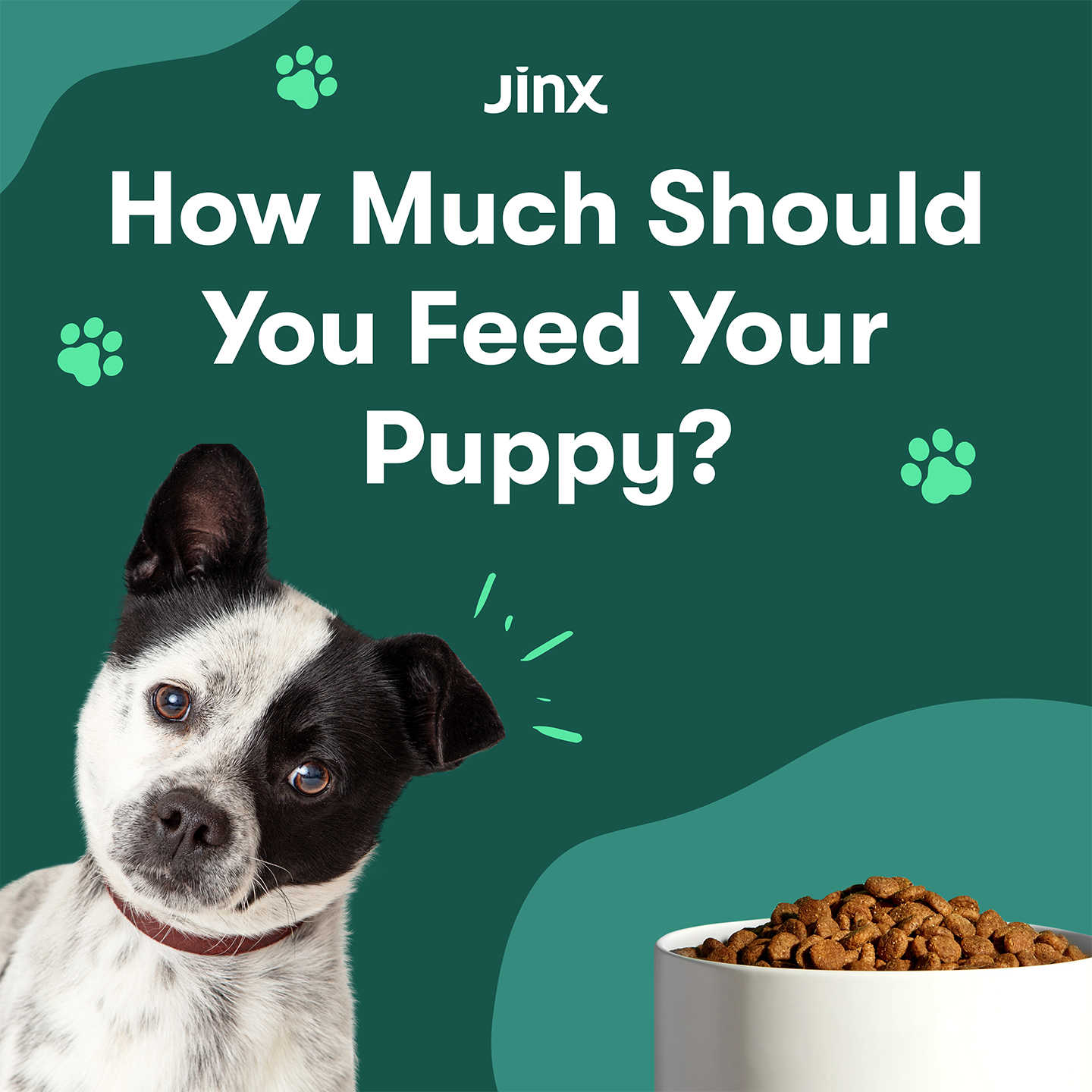
Have you noticed your puppy eagerly finishing their food, while your adult dog takes their time? This difference in appetite often reflects their unique nutritional needs. Feeding your adult dog puppy food might cause unwanted weight gain or digestive issues. Are you ready to adjust their diet to match their stage of life?
Credit: www.thinkjinx.com
Potential Effects Of Feeding Puppy Food To Adult Dogs
Feeding puppy food to adult dogs can affect their health in several ways. Puppy food has extra nutrients to support growth. Adult dogs have different nutritional needs that puppy food may not meet properly. Understanding these effects helps choose the best diet for your dog.
Benefits For Active Or Working Dogs
Active and working dogs burn more energy daily. Puppy food contains higher protein and fat levels. These nutrients support muscle strength and stamina. Feeding puppy food can help maintain energy in very active adult dogs. It may also aid in faster recovery after exercise or work.
Risks Of Overfeeding Nutrients
Puppy food has more calories and nutrients than adult dog food. Adult dogs eating too much can gain excess weight. Extra calcium and protein may strain their kidneys and bones. Overfeeding can cause health problems like obesity or joint issues. Careful portion control is important if using puppy food for adults.
Possible Digestive Issues
Adult dogs may find puppy food harder to digest. The rich ingredients can upset their stomach. Common problems include diarrhea, gas, or vomiting. Sudden diet changes increase these risks. Introduce new food slowly and watch for signs of discomfort.
Situations When Puppy Food Might Be Suitable
Feeding an adult dog puppy food seems unusual. Yet, certain situations make it necessary. Puppy food is rich in calories and nutrients. This makes it a temporary solution for specific needs.
Growth Recovery And Health Concerns
Adult dogs recovering from illness or surgery need extra nutrients. Puppy food offers higher protein and fat levels. These boost energy and support recovery. Malnourished dogs also benefit from the added nutrients. Consult a vet before making dietary changes.
Pregnant Or Lactating Dogs
Pregnant or lactating dogs need more calories and nutrients. Puppy food provides the extra nutrition they require. It supports the mother’s health and her puppies’ growth. Ensure the diet is balanced and consult a vet for guidance.
Senior Dogs With Special Requirements
Senior dogs sometimes face weight loss or muscle deterioration. Puppy food can help them regain weight and strength. The increased protein and fat content is beneficial. Always discuss with a vet to ensure it’s appropriate for your senior dog’s health.
Credit: www.purina.com
Expert Recommendations For Feeding Adult Dogs
Feeding an adult dog puppy food might seem like a harmless choice, especially if you have extra puppy food lying around. But experts stress that adult dogs have different nutritional needs compared to puppies. Understanding how to meet these needs properly can make a big difference in your dog’s health and happiness.
Balancing Diet For Optimal Health
Adult dogs need fewer calories and different nutrient ratios than puppies. Puppy food tends to be richer in calories, fats, and certain vitamins to support growth, which can lead to weight gain or digestive upset in adults.
Focus on providing a balanced diet that supports your dog’s activity level and age. Look for adult dog food formulas that have the right mix of protein, fat, fiber, and essential nutrients. Have you checked the ingredient list on your dog’s food lately? It might surprise you how much variety there is.
Consulting A Veterinarian
Before making any changes to your dog’s diet, talk to your vet. They can assess your dog’s health, weight, and lifestyle to recommend the best food type and portion sizes.
Your vet might also suggest blood tests to rule out any underlying conditions that affect nutrition. They’ve seen countless cases where feeding the wrong food led to issues that could have been avoided with professional advice.
Transitioning Between Foods Safely
If you decide to switch your adult dog from puppy food to adult food, do it gradually over 7 to 10 days. Sudden changes can cause stomach upset or refusal to eat.
Start by mixing a small amount of the new food with the old and increase it daily. Keep an eye on your dog’s reaction during this period—loose stools or vomiting are signs to slow down the transition.
Choosing The Right Food For Your Dog
Choosing the right food for your dog is key to their health and happiness. Dogs need balanced nutrition that fits their age, size, and activity level. Feeding the wrong food can cause health problems or poor energy. Understanding labels, life stages, and quality helps you make the best choice. This guide breaks down what matters most for your dog’s diet.
Reading Labels Effectively
Dog food labels reveal important details about ingredients and nutrition. Check the first few ingredients; they should be real meat or fish. Avoid foods with too many fillers like corn or wheat. Look for guaranteed analysis showing protein, fat, fiber, and moisture levels. Ingredients are listed by weight, so the first items are the most in the food. Also, watch for added vitamins and minerals that support health.
Considering Life Stage And Activity Level
Dogs need different nutrients at each life stage. Puppies require more protein and fat for growth. Adult dogs need balanced food to maintain weight and energy. Senior dogs benefit from lower calories and joint support. Activity level affects calorie needs too. Active dogs burn more energy and need richer food. Less active dogs do better with fewer calories to avoid weight gain.
Quality Vs. Price Factors
Quality dog food often costs more but provides better nutrition. Cheap foods may use low-quality ingredients and fillers. High-quality food uses whole meats, grains, and healthy fats. It supports digestion, skin, and coat health. Price alone does not guarantee quality, so read labels carefully. Sometimes mid-range brands offer good nutrition at fair prices. Consider your dog’s health needs and budget when choosing food.
Credit: www.purina.com
Frequently Asked Questions
Can Adult Dogs Eat Puppy Food Safely?
Adult dogs can eat puppy food occasionally, but it’s not ideal long-term. Puppy food is higher in calories and nutrients, which may cause weight gain in adults.
What Are The Risks Of Feeding Adults Puppy Food?
Feeding adult dogs puppy food can lead to obesity, digestive issues, and nutrient imbalances due to excess protein and fat.
When Is It Appropriate To Feed Adults Puppy Food?
Only feed adult dogs puppy food temporarily during growth recovery or when advised by a vet for specific health reasons.
How Does Puppy Food Differ From Adult Dog Food?
Puppy food contains more calories, protein, and fat to support growth. Adult food focuses on maintenance and balanced nutrition for mature dogs.
Conclusion
Feeding an adult dog puppy food is not ideal for long-term health. Puppy food has more calories and nutrients meant for growing dogs. Adult dogs may gain weight or have digestive issues from it. Choose a food made for your dog’s age and size instead.
Always check with your vet before changing diets. Healthy food helps your dog stay active and happy. Remember, proper nutrition supports a longer life and better well-being. Keep your dog’s needs in mind for the best care.