
Are you wondering when to switch your French Bulldog from puppy food to adult dog food? It’s an important step that affects your dog’s health and happiness.
Giving your French Bulldog the right food at the right time helps them grow strong, stay energetic, and avoid common health problems. You’ll discover clear signs and expert tips to know exactly when to make this change. Keep reading to ensure your furry friend gets the best nutrition they deserve.
French Bulldog Growth Stages
Understanding the growth stages of your French Bulldog is key to knowing when to switch to adult dog food. Their nutritional needs change as they grow, impacting their health and energy levels. Paying attention to these stages helps you support their development effectively and avoid common feeding mistakes.
Puppy Phase
During the first year, your French Bulldog is in the puppy phase, which demands nutrient-rich food to support rapid growth. Their bones, muscles, and brain develop quickly, so puppy food should be high in protein and fat. You might notice your pup is more active and hungry—feeding them the right food helps maintain their energy and supports healthy development.
Have you noticed how much your puppy’s appetite changes during this time? It’s a sign to keep adjusting their meals to meet their growing needs.
Adolescence To Adult Transition
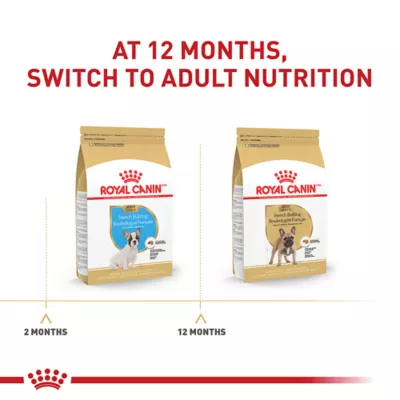
Between 10 to 12 months, your French Bulldog starts moving from adolescence to adulthood. This is the time to gradually switch to adult dog food, which has fewer calories but still covers all essential nutrients. Sudden changes can upset their stomach, so mix puppy food with adult food over a couple of weeks for a smooth transition.
Do you find your dog’s energy levels shifting during this phase? Adjusting their diet can help balance their activity and weight.
Senior Years
At around 7 years old, your French Bulldog enters their senior years. Their metabolism slows down, and they need food lower in calories but rich in joint-supporting nutrients like glucosamine. Senior dog food helps prevent obesity and supports overall health, keeping your companion comfortable and active.
Have you considered how your dog’s diet can impact their quality of life as they age? Feeding the right food now can make a big difference later on.

Credit: www.chewy.com
Signs Your French Bulldog Needs Adult Food
Knowing when your French Bulldog needs adult dog food is key to their health. Puppies grow fast, and their diet must change with their needs. Signs your dog needs adult food often show through their body and behavior. Watch closely for these signals to feed them right.
Physical Development Indicators
Your French Bulldog’s body changes as they grow. Their puppy teeth fall out, and adult teeth come in. Muscle tone starts to improve, and their energy shifts. Weight gain slows down compared to puppy stages. Coat texture may also change, becoming thicker or shinier. These shifts suggest it’s time to switch to adult food.
Behavioral Changes
Adult dogs behave differently than puppies. Your French Bulldog may show less hyperactivity. They might sleep more and have steadier energy levels. Appetite can change too, often becoming more consistent. Notice if they seem less hungry for puppy food. These behaviors hint that their diet needs adjustment.
Veterinarian Recommendations
Your vet plays a big role in deciding when to change food. Regular check-ups help track your dog’s growth and health. Vets can tell if your dog’s weight and development are on track. They may suggest the best time to switch to adult food. Follow their advice to keep your French Bulldog healthy and happy.
Choosing The Right Adult Dog Food
French Bulldogs should switch to adult dog food around one year old. This helps meet their changing nutritional needs as they grow. Choosing the right food supports their health and energy levels.
Choosing the right adult dog food for your French Bulldog is essential. It affects their health, energy, and happiness. Switching to adult dog food requires careful consideration. You need to select food that meets their specific needs. Let’s explore the key factors in choosing the right food.Nutritional Requirements
French Bulldogs have unique nutritional needs. They require a balanced diet for optimal health. Protein supports muscle strength and repair. Healthy fats provide energy and support a shiny coat. Vitamins and minerals are vital for overall health. Look for foods with omega-3 and omega-6 fatty acids. These promote healthy skin and a smooth coat.Ingredient Quality
High-quality ingredients make a big difference. Choose foods with real meat as the first ingredient. Avoid by-products and fillers like corn and soy. Whole grains or vegetables provide essential nutrients. Artificial colors and preservatives can be harmful. Check labels for natural ingredients and preservatives.Special Dietary Needs
Some French Bulldogs have special dietary needs. Allergies or sensitivities require special attention. Grain-free options may help with allergies. Low-fat formulas are good for weight management. Consult your vet for specific dietary advice. Tailor their diet to their unique health requirements.
Credit: www.amazon.com
Feeding Schedule For Adult French Bulldogs
Feeding your adult French Bulldog the right way supports their health and happiness. A good feeding schedule keeps their energy steady and prevents overeating. Understanding how often and how much to feed helps avoid common health problems. Let’s explore the best feeding routine for your adult French Bulldog.
Meal Frequency
Adult French Bulldogs do well with two meals per day. Feeding once in the morning and once in the evening works best. This schedule helps control hunger and keeps their digestion regular. Avoid free feeding, which can cause weight gain and digestive issues.
Portion Control
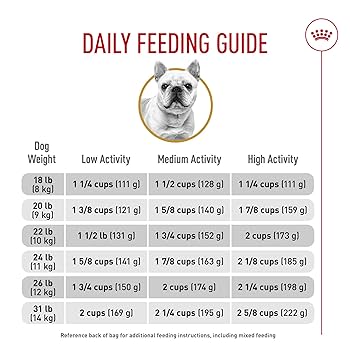
Measure your dog’s food carefully to avoid overfeeding. Use a standard measuring cup to ensure accuracy. Follow the feeding guidelines on the dog food package as a starting point. Adjust portions based on your dog’s activity level and weight.
Adjusting Food Amounts
Watch your French Bulldog’s weight and energy to decide if food amounts need change. If your dog gains weight, reduce portions slightly. If your dog seems hungry or loses weight, increase portions carefully. Regular vet visits help track your dog’s health and diet needs.
Common Feeding Mistakes To Avoid
Feeding a French Bulldog adult dog food requires care to avoid common mistakes. These errors can affect your dog’s health and energy. Knowing what to avoid helps keep your pet happy and healthy.
Overfeeding Risks
Giving too much food can cause weight gain quickly. Overfeeding strains joints and organs. It also increases the risk of diabetes and heart problems. Follow the recommended portion sizes carefully. Watch your dog’s body shape and adjust food amounts as needed.
Ignoring Food Allergies
Some French Bulldogs have food allergies or sensitivities. These can cause itching, redness, or upset stomach. Signs may include excessive scratching or diarrhea. Avoid feeding foods with common allergens like wheat or soy. Consult a vet to identify and manage allergies properly.
Sudden Food Changes
Switching dog food abruptly can upset digestion. It may cause vomiting or diarrhea. Gradually mix new food with the old over 7 to 10 days. This helps your dog’s stomach adjust smoothly. Slow transitions reduce stress and keep your dog comfortable.
Credit: www.petsmart.com
Monitoring Health After Switching Foods
Switching your French Bulldog to adult dog food is a significant change that requires close observation. Your dog’s body needs time to adjust, and monitoring their health helps you catch any issues early. Paying attention to specific signs can guide you in deciding if the new food suits your pet or if adjustments are necessary.
Digestive Health
After switching foods, watch your French Bulldog’s digestion carefully. Look for changes in stool consistency, frequency, and color. Sudden diarrhea, constipation, or unusual smells can indicate that the new food isn’t agreeing with their system.
Keep an eye on any vomiting or excessive gas as well. These symptoms often point to intolerance or allergies. If you notice persistent digestive problems for more than a week, consider consulting your vet or trying a different formula.
Energy Levels
Your dog’s energy can tell you a lot about how well they’re responding to the new diet. Notice if they are more lethargic or unusually hyperactive compared to before. Both extremes might signal an imbalance in nutrients.
French Bulldogs thrive when their diet supports steady energy throughout the day. If your dog seems sluggish during playtime or walks, the new food might lack the right balance of proteins or fats. On the other hand, if they’re restless or anxious, high energy ingredients could be the cause.
Weight Management
Weight changes are common after switching adult dog food, but rapid gain or loss deserves attention. Track your dog’s weight weekly using a simple scale or by feeling their ribs gently. You should be able to feel their ribs without excess fat covering.
Adjust portion sizes if you notice your French Bulldog gaining too much weight quickly. Conversely, if they start losing weight or appear thin, the food might not be providing enough calories or nutrients. Maintaining a healthy weight is crucial to avoid joint problems and other health risks.
Frequently Asked Questions
When Should I Switch My French Bulldog To Adult Dog Food?
Switch your French Bulldog to adult dog food around 12 months old. At this age, their growth slows, and nutritional needs change. Adult formulas support maintenance rather than growth. Always consult your vet for personalized advice.
What Signs Indicate My French Bulldog Needs Adult Food?
Look for slower growth and less playful behavior. If your French Bulldog is over 1 year old, it likely needs adult food. Also, watch for weight changes and energy levels to adjust diet accordingly.
Can I Feed Puppy Food To An Adult French Bulldog?
Feeding puppy food to an adult dog long-term can cause obesity. Puppy food is richer to support growth, which is unnecessary for adults. Transition to adult dog food to meet mature nutritional needs and maintain healthy weight.
How To Transition French Bulldog From Puppy To Adult Food?
Gradually mix adult food with puppy food over 7-10 days. Increase adult food portion daily while decreasing puppy food. This method prevents digestive upset and helps your dog adjust smoothly to new nutrition.
Conclusion
Feeding your French Bulldog adult dog food at the right time helps keep them healthy. Watch their growth and behavior for signs to switch food. Adult dog food meets their changing needs after puppyhood. Choose quality food with balanced nutrients for strong muscles and shiny coat.
Regular feeding schedules support good digestion and energy levels. Pay attention to your dog’s weight and activity to adjust food amounts. A smooth food transition avoids stomach problems. Caring for your French Bulldog’s diet ensures a happy, active pet. Small changes make a big difference over time.