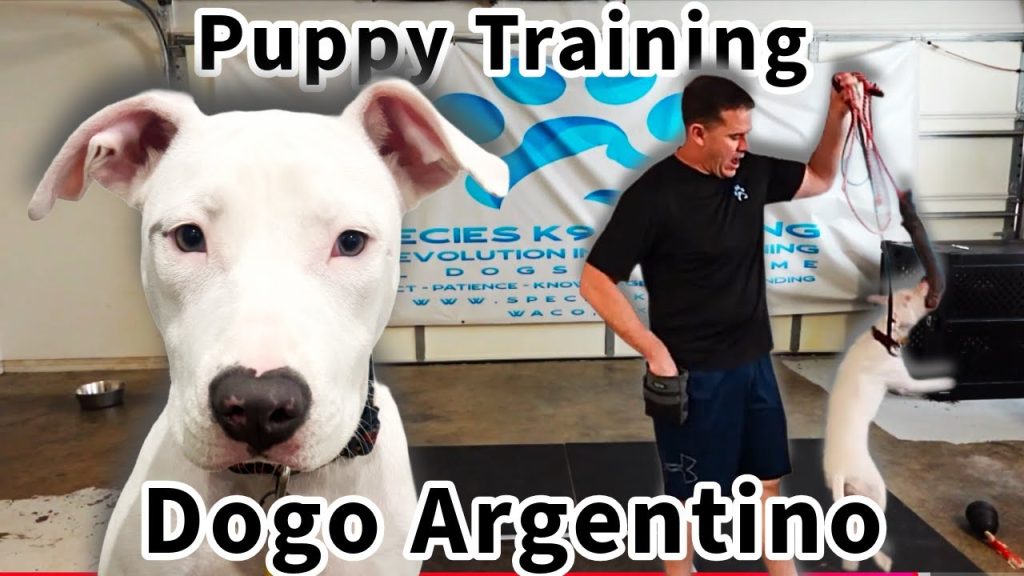

Training a Dogo Argentino can feel challenging, but it doesn’t have to be. If you want a well-behaved, loyal companion, you need the right approach.
This breed is strong, intelligent, and full of energy—meaning your training must be clear and consistent. You’ll discover simple, effective steps to guide your Dogo Argentino into becoming the best version of itself. Ready to build a deeper bond and enjoy every moment with your dog?
Keep reading, because the secrets to success are easier than you think.
Dogo Argentino Basics
Training a Dogo Argentino starts with understanding the core basics of the breed. These dogs are powerful, intelligent, and full of energy, which means your approach needs to be clear and consistent. Before teaching commands, you must get to know what makes this breed unique to tailor your training effectively.
Breed Traits
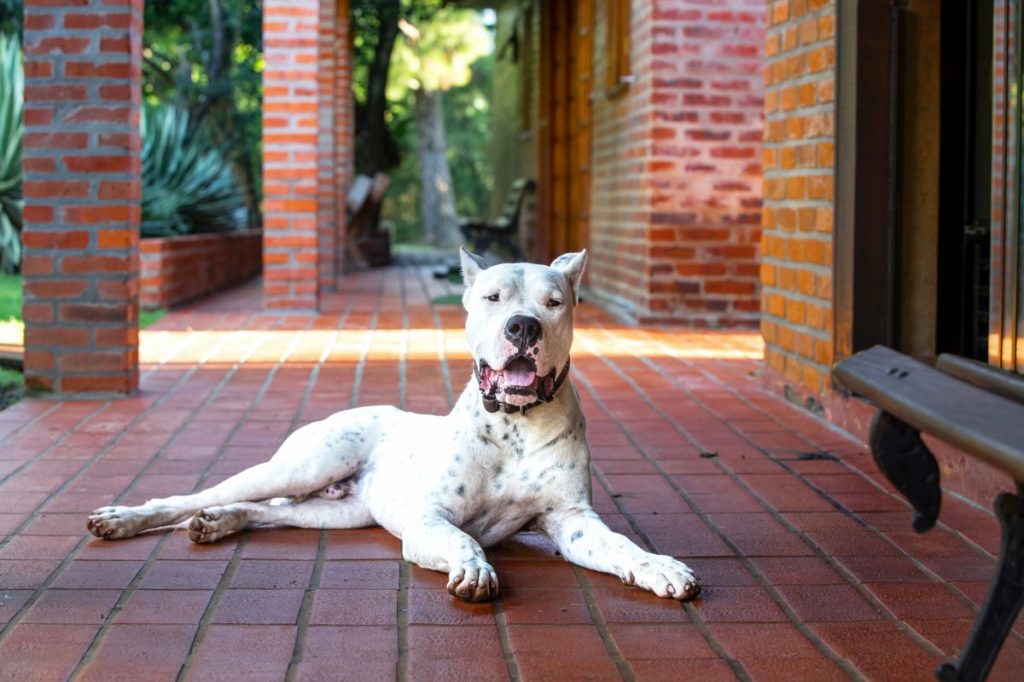
The Dogo Argentino is a muscular and athletic breed originally bred for big-game hunting. They have a strong prey drive and a natural instinct to protect their family and territory. This makes them excellent watchdogs but also means they need early socialization to prevent over-guarding or aggression.
This breed thrives on mental and physical challenges. Without enough activity, they can become bored and develop destructive behaviors. Imagine giving your Dogo a daily puzzle or a game of fetch to keep that sharp mind occupied.
- Strong physical endurance and agility
- High prey drive and protective instincts
- Requires consistent exercise and mental stimulation
Temperament Insights
Dogos are known for their loyalty and courage, but they also have a sensitive side. They respond best to firm yet gentle training methods that build trust rather than fear. Have you noticed how your dog reacts to your tone? Keeping your commands calm and confident often brings better results.
Socialization is key for this breed. Early exposure to different people, animals, and environments helps them stay balanced and friendly. Without this, their natural wariness can turn into stubbornness or aggression.
- Loyal and protective of family
- Needs patience and positive reinforcement
- Benefits from early and ongoing socialization
How do you plan to channel your Dogo’s energy and intelligence? Understanding these basics will set the foundation for a successful training journey with your powerful companion.
Setting Training Goals
Setting clear training goals is crucial when working with a Dogo Argentino. This breed is intelligent and energetic, so knowing exactly what you want to achieve will keep both you and your dog focused. Without specific goals, training sessions can become confusing and less effective.
Key Obedience Commands
Start by deciding which basic commands your Dogo Argentino must master. These usually include sit, stay, come, and heel. These commands form the foundation for good behavior and safety.
Think about your daily routine and which commands will make life easier. For example, if you often take your dog to busy places, teaching stayand comecan prevent dangerous situations. Setting this as a goal helps you focus training sessions on real-life needs.
Behavior Expectations
Decide what behaviors you want to encourage or prevent. Does your Dogo Argentino jump on visitors? Bark excessively? Or maybe pull on the leash? Setting clear behavior goals helps you measure progress and adjust your training approach.
Be specific. Instead of just “stop jumping,” aim for “sit politely when guests arrive.” This clarity improves communication with your dog. Ask yourself: What behaviors will make your home happier and safer?
Preparing For Training
Gather all training tools like a leash, treats, and a collar before starting. Create a calm space free from distractions for better focus during sessions. Understanding your Dogo Argentino’s personality helps tailor the training to suit their needs.
Preparing for training your Dogo Argentino is crucial. This breed is intelligent and energetic. Proper preparation ensures effective learning. Start by understanding their unique needs. Create a structured plan to guide the training process.Choosing The Right Environment
Select a calm place for training sessions. Avoid distractions like loud noises. Choose a space with enough room for movement. A quiet backyard or a spacious room works well. Consistent environments help your Dogo focus better.Essential Training Tools
Gather the necessary tools for training. A sturdy leash is a must-have. Use treats as rewards for good behavior. A clicker can aid in marking positive actions. Invest in a comfortable collar for control. Consider toys for mental stimulation. These tools make training more effective.
Credit: www.youtube.com
Training Techniques
Training a Dogo Argentino requires clear techniques to shape their behavior. The right methods help build trust and respect. These techniques focus on encouraging good habits and social skills. Use them to guide your dog’s learning process effectively.
Positive Reinforcement
Reward good behavior with treats, praise, or play. This encourages your dog to repeat positive actions. Avoid punishment, as it can cause fear or aggression. Use clear commands and reward immediately. This helps your dog connect actions with rewards.
Consistency And Patience
Keep training sessions regular and predictable. Use the same words for commands every time. Be patient; Dogo Argentinos learn at their own pace. Short, frequent sessions work better than long ones. Avoid frustration to keep training positive and effective.
Socialization Strategies
Expose your dog to different people, animals, and environments early. This reduces fear and aggression later on. Use calm, controlled settings for first introductions. Praise your dog for calm behavior during social interactions. Gradually increase exposure to new situations for confidence.
Addressing Common Challenges
Training a Dogo Argentino can be rewarding but challenging. These dogs have strong personalities and require firm guidance. Understanding common challenges helps trainers prepare better. Patience and consistency work best with this breed. Let’s explore key challenges and how to handle them effectively.
Managing Aggression
Dogo Argentinos may show aggressive behavior if not trained early. Socializing them with other dogs and people is vital. Use positive reinforcement to reward calm behavior. Avoid harsh punishment, which can increase aggression. Teach clear boundaries and commands from puppyhood. Monitor their body language for signs of stress or tension.
Handling Stubbornness
Stubbornness is common in this breed. Keep training sessions short and engaging to hold their attention. Use treats and praise as motivation. Change training activities often to prevent boredom. Stay consistent with rules and commands. Avoid repeating commands; wait for the dog to obey.
Preventing Separation Anxiety
Dogo Argentinos bond deeply with their owners. They can suffer from separation anxiety if left alone too long. Start by leaving for short periods and gradually increase time apart. Provide toys or puzzles to keep them busy. Create a comfortable space where they feel safe. Avoid making a big fuss when leaving or returning home.
Credit: dogtime.com
Advanced Training Tips
Training a Dogo Argentino goes beyond teaching basic commands. Once your dog masters sit, stay, and come, it’s time to raise the bar. Advanced training challenges your dog both physically and mentally, enhancing their skills and strengthening your bond.
Obedience Beyond Basics
Push your Dogo Argentino to respond flawlessly in distracting environments. Practice commands like “heel” during busy walks or “wait” at doorways. Add distance and duration to commands, asking your dog to stay while you move farther away.
Try combining commands into sequences, such as “sit,” then “down,” then “come.” This keeps your dog thinking and engaged. Have you noticed how your dog’s focus sharpens when you mix up routines?
Incorporating Physical Exercise
Physical activity is crucial for this energetic breed. Use activities like agility courses, fetch with varied objects, or swimming to build endurance and strength. These exercises not only tire them out but improve coordination and confidence.
Consider adding controlled tug-of-war sessions to channel their natural power positively. How often do you change your dog’s exercise routine to keep it exciting?
Mental Stimulation Ideas
Stimulate your dog’s mind with puzzle toys that require problem-solving to release treats. Hide treats around the house or yard and let your Dogo Argentino use their nose to find them. This taps into their natural hunting instincts.
Teach new tricks regularly, such as “roll over” or “play dead,” to keep learning fun. You can even introduce scent detection games or obedience challenges that reward creativity and focus. Have you tried mixing mental tasks with physical play to double the training impact?
When To Seek Professional Help
Training a Dogo Argentino can be a rewarding journey, but there are moments when professional guidance becomes essential. Recognizing when to seek help can save you time, reduce frustration, and strengthen the bond with your dog. Knowing the signs that signal a training roadblock or the need for expert advice will keep your efforts on track.
Recognizing Training Plateaus
Have you noticed your Dogo Argentino stopping progress despite consistent training? This is a common sign of a training plateau. Your dog might ignore commands, show increased stubbornness, or display anxiety during sessions.
Plateaus often happen when your dog faces challenges beyond your current techniques. If you’ve tried changing rewards or adjusting training times without success, it might be time to get a fresh perspective. Ignoring these signs can lead to frustration for both you and your dog.
Finding The Right Trainer
Choosing the right professional can make all the difference. Look for trainers who specialize in large, strong breeds like the Dogo Argentino. Their experience helps them understand breed-specific behaviors and effective methods.
Ask about their approach to positive reinforcement and how they handle behavioral issues. A good trainer will also provide you with tools to continue training at home, not just work with your dog during sessions. Don’t hesitate to request references or observe a class before committing.

Credit: www.amazon.com
Frequently Asked Questions
How Long Does It Take To Train A Dogo Argentino?
Training a Dogo Argentino typically takes 6 to 12 months. Consistent, patient, and positive reinforcement methods speed up learning. Early socialization and obedience training are crucial for best results.
What Is The Best Age To Start Training A Dogo Argentino?
Start training a Dogo Argentino at 8 weeks old. Early training helps build good habits and social skills. Puppies respond well to gentle, consistent commands and positive reinforcement.
How Do I Socialize My Dogo Argentino Effectively?
Socialize your Dogo Argentino by exposing it to various people, animals, and environments. Start early and use positive experiences to build confidence. Proper socialization reduces aggression and fear-based behaviors.
What Are Common Training Challenges With Dogo Argentinos?
Common challenges include stubbornness, high energy, and protective instincts. Use firm but gentle training techniques and remain consistent. Mental stimulation and regular exercise help manage these behaviors.
Conclusion
Training a Dogo Argentino takes time and patience. Start with basic commands and be consistent. Use positive rewards to encourage good behavior. Socialize your dog with people and other animals early. Keep training sessions short and fun to hold attention.
Stay calm and firm to build trust and respect. Remember, every dog learns at its own pace. A well-trained Dogo Argentino becomes a loyal and happy companion. Keep practicing daily for best results. Training creates a strong bond between you and your dog.