You want the best for your dog, and that includes feeding them the right food at the right time. But when exactly should you switch from puppy food to adult dog food?
Making this change too early or too late can affect your dog’s health and energy. You’ll discover the signs to look for and the best time to start using adult dog food. Keep reading to ensure your furry friend gets the nutrition they need to thrive.
Credit: www.purina.com
Signs Your Puppy Is Ready
Knowing when to switch your puppy to adult dog food isn’t just about hitting a certain age. There are clear signs your puppy is ready to handle adult nutrition. Watching for these signs helps you make the best decision for your dog’s health and growth.
Age Milestones
Puppies usually start transitioning to adult food between 9 and 12 months. Small breeds often mature faster and may be ready closer to 9 months, while larger breeds can take up to 12 months or more.
Keep in mind, age is a general guideline. Your puppy’s breed size and individual growth rate matter more. If your puppy is hitting key growth milestones early or late, adjust the timing accordingly.
Behavioral Changes
Notice how your puppy’s eating habits change. Puppies often become less picky and eat larger portions as they approach adulthood.
Also, observe their energy levels. If your puppy is calmer and less hyperactive, it might be time to switch. Adult dog food supports steady energy rather than bursts of puppy fuel.
Physical Development
Watch your puppy’s body closely. When their adult teeth have mostly come in, it’s a strong sign they’re ready for adult food. Their digestive system also matures, handling richer and more complex nutrients.
Check their weight and body shape. If your puppy looks lean and muscular rather than pudgy or fragile, adult food can help maintain their healthy build. Have you noticed changes in your puppy’s coat or muscle tone? These are clues your dog’s growing body needs new nutrition.
Credit: blepworld.com
Differences Between Puppy And Adult Food
Understanding the differences between puppy and adult dog food is key to choosing the right nutrition for your pet at every stage of life. Puppy food is specially designed to support rapid growth and development, while adult food focuses on maintaining health and energy. Knowing these distinctions helps you decide the right time to make the switch.
Nutritional Needs
Puppies need higher amounts of protein and fat to fuel their fast growth and developing muscles. Their food also contains extra vitamins and minerals like calcium and phosphorus to support bone development.
Adult dogs require balanced nutrition to maintain their weight and overall health rather than rapid growth. Their diet usually has moderate protein and fat levels, enough to keep them active without causing weight gain.
Calorie Content
Puppy food is packed with more calories per serving to meet their high energy demands. If you feed adult food to a puppy too early, they might miss out on the fuel they need, slowing their growth.
Adult dog food has fewer calories to prevent obesity, which is common if puppies continue eating high-calorie puppy food past their growth phase. Have you noticed changes in your dog’s energy when switching foods?
Ingredient Variations
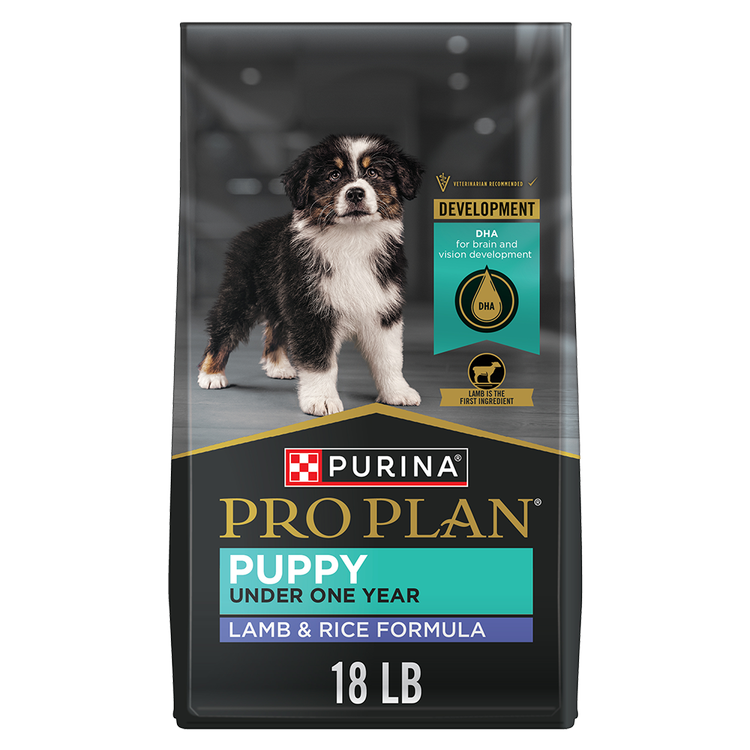
Puppy formulas often include ingredients that promote brain development, like DHA, and are easier to digest. They avoid fillers and focus on nutrient-rich components to help puppies absorb everything they need.
Adult dog food ingredients aim to support long-term health, including antioxidants for immune support and joint-friendly nutrients like glucosamine. Sometimes, you might see added ingredients for specific adult dog needs, such as weight control or sensitive digestion.
Transitioning To Adult Food
Puppies usually switch to adult dog food between 9 and 12 months old. Larger breeds may need adult food later, around 12 to 18 months. Watch your dog’s growth and energy to decide the right time.
Transitioning to Adult Food As your playful puppy begins to mature, their nutritional needs start to change, signaling the time to transition to adult dog food. This shift is crucial for their overall health and development. The process can feel daunting, but breaking it down into manageable steps makes it easier for both you and your furry friend.Gradual Introduction
Switching to adult dog food isn’t an overnight process. Start by mixing a small amount of the new adult food with your dog’s current puppy food. Gradually increase the proportion of adult food over a week or two. This gradual change helps your dog’s digestive system adjust without causing discomfort. Remember, patience is key. Have you noticed how your dog reacts to new foods or treats? This observation will guide your transition plan.Monitoring Digestive Health
Keep an eye on your dog’s stool and overall digestive health during the transition. Changes in consistency or frequency can indicate how well they’re adapting to the new food. If you notice any irregularities, it might be wise to slow down the transition or consult your vet. Your dog’s health is the ultimate priority, and maintaining a balanced diet is essential for their well-being.Adjusting Portion Sizes
As you transition to adult food, you’ll also need to adjust portion sizes. Adult dog food is formulated differently, and puppies typically require more calories. Check the feeding guidelines on the new food’s packaging to ensure you’re providing the right amount. Have you considered how your dog’s activity level might affect their food needs? Active dogs might require slightly more than the recommended portion. Regularly weigh your dog to ensure they’re maintaining a healthy weight. This simple practice can help you make necessary adjustments to their diet.
Credit: jiminys.com
Breed And Size Considerations
Choosing the right time to switch your dog to adult food depends a lot on breed and size. Dogs grow at different rates, and their nutritional needs change as they develop. Knowing these differences helps you provide the best care and nutrition for your dog.
Small Breed Timing
Small breeds mature faster than large breeds. Many small dogs reach adulthood around 9 to 12 months. At this age, they often need a switch to adult dog food. Their metabolism is higher, so adult formulas for small breeds have more calories and nutrients. Feeding the right food supports their energy and health.
Large Breed Timing
Large breeds grow for a longer time, sometimes up to 18 to 24 months. Switching to adult food too early can cause growth problems. Large breed puppy formulas contain specific nutrients to protect their bones and joints. Once they stop growing quickly, usually after one year, it’s safer to start adult food. This helps maintain a healthy weight and strong bones.
Special Dietary Needs
Some dogs need special diets based on health or breed. Dogs with allergies, digestive issues, or medical conditions may require unique food. Breeds prone to certain diseases might also benefit from special nutrients. Consult your vet to pick the best adult food for these needs. Proper nutrition can improve quality of life and prevent problems later.
Common Mistakes To Avoid
Changing your dog’s diet is a big step. Mistakes during this time can affect your dog’s health and growth. Knowing what to avoid helps keep your dog happy and strong. Pay close attention to common errors many dog owners make.
Switching Too Early
Switching to adult dog food before your puppy is ready can cause problems. Puppies need extra nutrients to grow properly. Adult food lacks some of these essential nutrients. Wait until your puppy reaches the right age or size. Check with your vet to know the best time to switch.
Ignoring Puppy Growth
Every puppy grows at a different rate. Some small breeds mature faster than large breeds. Watch your dog’s weight and energy levels closely. Ignoring growth signs can lead to feeding the wrong food. Adjust your dog’s diet based on growth, not just age. This helps meet their changing nutritional needs better.
Overfeeding Adult Food
Adult dog food has more calories than puppy food. Feeding too much can cause weight gain and health issues. Follow the feeding guide on the package carefully. Measure food portions to avoid overfeeding. Keep an eye on your dog’s body condition to maintain a healthy weight.
Consulting Your Veterinarian
Deciding when to switch your dog to adult food is important for their growth and health. Consulting your veterinarian can make this transition smoother and safer. Your vet knows your dog’s unique needs and can guide you through this change effectively.
Personalized Advice
Every dog is different. Your veterinarian will consider your dog’s breed, size, and activity level before recommending the right time to start adult food.
They might suggest starting the switch earlier or later depending on your dog’s development. For example, large breeds often need adult food later than small breeds because they grow at different rates.
Have you noticed changes in your dog’s behavior or energy? Share these with your vet to get tailored advice that fits your dog perfectly.
Health Checks
Before changing diets, your vet will perform a health check. This helps identify any underlying conditions that could affect how your dog handles new food.
Blood tests or weight checks might be part of the process. These tests ensure your dog is ready for adult food and that the new diet won’t cause problems.
Regular health checks also help catch early signs of allergies or sensitivities that could be triggered by new ingredients.
Diet Adjustments
Your vet can recommend how to transition gradually to adult food to avoid stomach upset. Usually, this means mixing increasing amounts of adult food with puppy food over 7-10 days.
They can also suggest specific brands or formulas that best meet your dog’s nutritional needs. For instance, some adult foods offer joint support or weight management benefits.
What if your dog resists the new food? Your vet can offer tips or alternatives to make the switch easier without stressing your pet.
Frequently Asked Questions
When Should I Switch My Puppy To Adult Dog Food?
You should switch when your dog reaches 12 months old. Large breeds may need adult food at 18-24 months. Consult your vet for breed-specific advice. This ensures proper nutrition for growth and maintenance.
How Do I Know My Dog Is Ready For Adult Food?
Look for signs like slowed growth and stable weight. Your vet can confirm readiness during regular checkups. Transitioning too early or late can affect health, so timing is important.
Can I Mix Puppy And Adult Dog Food During Transition?
Yes, gradually mix adult food with puppy food over 7-10 days. This helps your dog’s digestive system adjust smoothly. Monitor your dog for any digestive upset during this period.
What Are The Risks Of Feeding Puppy Food To Adult Dogs?
Adult dogs eating puppy food can gain excess weight. Puppy food has higher calories and nutrients meant for growth. Overfeeding can lead to obesity and health issues in adults.
Conclusion
Choosing the right time to start adult dog food matters a lot. Puppies grow fast and need special nutrition. Most dogs switch at about one year old. Watch your dog’s size and energy to know when. Changing food slowly helps avoid upset tummies.
Healthy dogs stay strong and happy with good food. Always check with your vet for the best advice. Feeding adult dog food at the right time keeps your pet well. Simple care makes a big difference in your dog’s life.