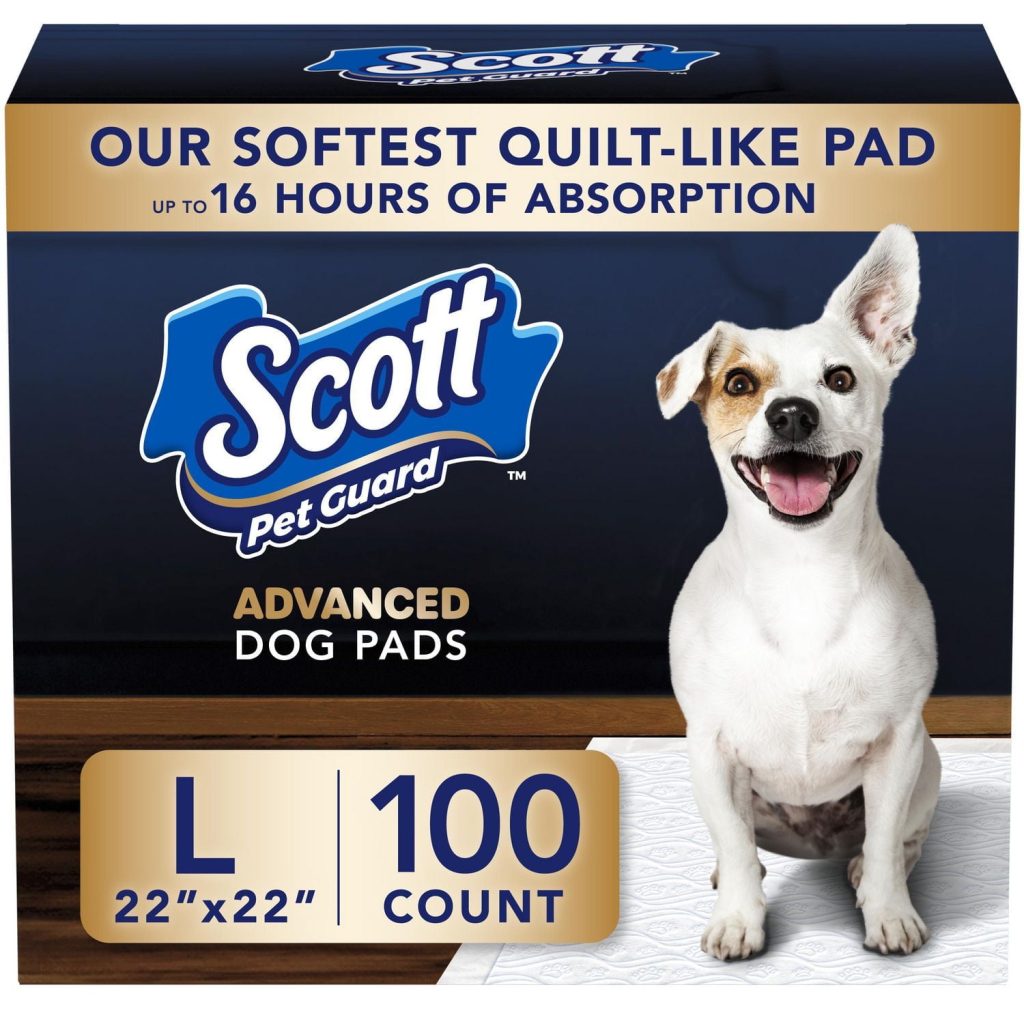

Training your dog to use a pee pad can save you time, stress, and a lot of mess. If you’ve ever dealt with accidents on the carpet or struggled to get your pup to go outside on schedule, you know how frustrating it can be.
But what if you could teach your dog to use a specific spot inside your home, making potty breaks easier for both of you? This guide will show you simple, effective steps to train your dog to use a pee pad quickly.
By the end, you’ll have a cleaner home and a happier dog—and you’ll wonder why you didn’t start sooner. Ready to make potty training smoother? Let’s dive in.
Choosing The Right Pee Pad
Choosing the right pee pad is a crucial step in training your dog effectively. The right pad doesn’t just absorb messes; it sets your dog up for success by being comfortable and accessible. Think about what will work best for your dog’s size, habits, and your living space.
Material And Size Options
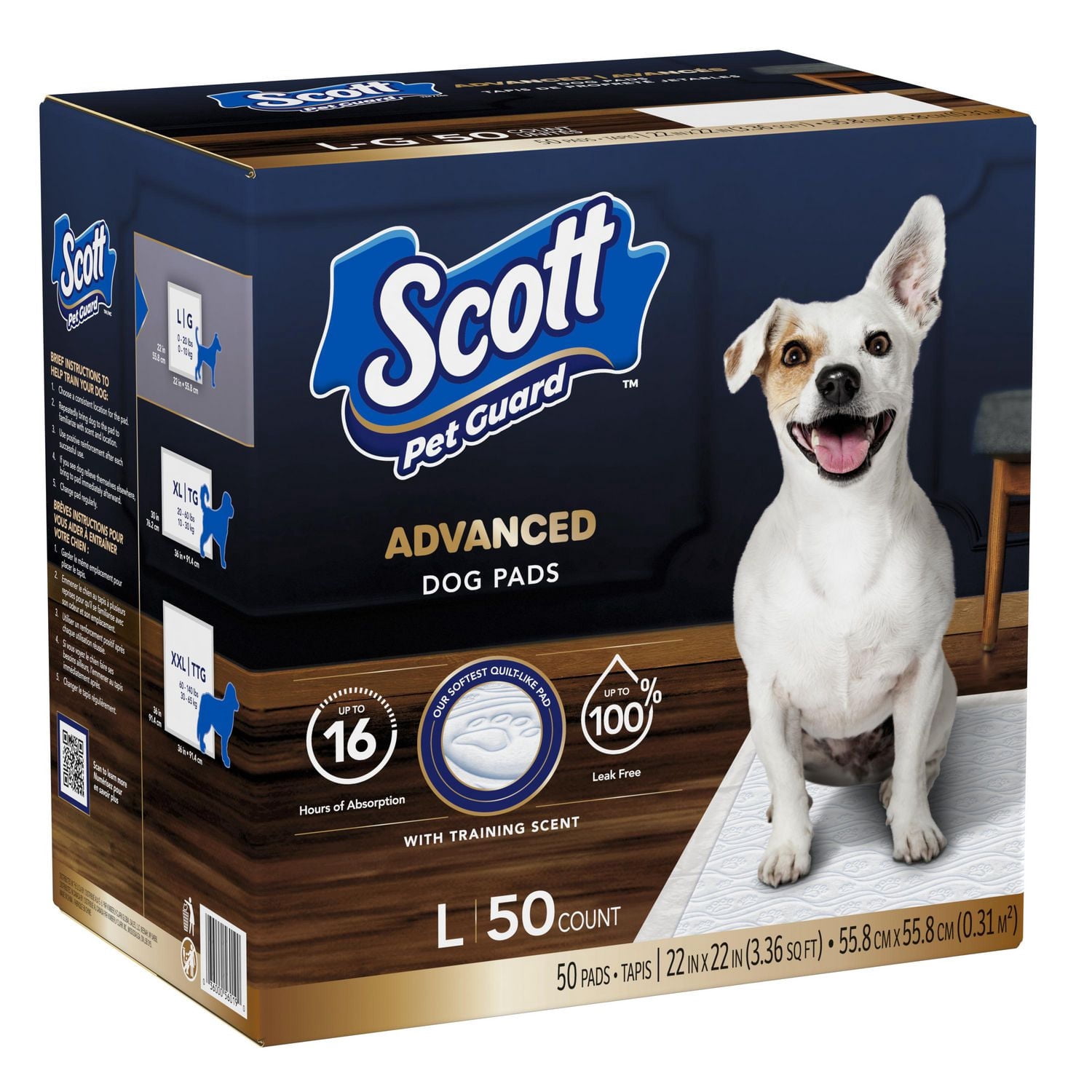
Pee pads come in various materials, each offering different benefits. Some have extra-absorbent layers to keep floors dry, while others have a waterproof backing to prevent leaks. Consider your dog’s size; a small breed might only need a standard 22×23 inch pad, but larger dogs require bigger sizes to avoid accidents outside the pad.
Look for pads with a non-slip bottom if your dog tends to move around a lot. You might want to test a few brands to see which one your dog prefers — some dogs even show a clear preference for softer or scented pads. Have you noticed your dog avoiding a certain type of pad? That’s a sign to switch materials.
Placement Tips
Placement can make or break your pee pad training. Choose a quiet, low-traffic area where your dog feels safe and undistracted. Avoid placing the pad near their food or sleeping area to encourage proper use.
Keep the pad visible but not in the center of the room, so your dog remembers where it is without feeling exposed. If you have a multi-level home, consider putting pads on each floor where your dog spends time. Consistency in placement helps your dog build a clear routine.
Have you observed your dog’s natural bathroom spots during walks? Placing the pad near these spots indoors can improve success. Don’t forget to secure the pad in place if your dog tends to nudge or chew it.
Preparing Your Dog For Training
Preparing your dog for pee pad training sets the foundation for success. It’s about creating a calm, consistent environment where your dog understands what’s expected. Patience and observation play key roles here, helping you respond to your dog’s natural habits and signals effectively.
Setting A Routine
Dogs thrive on routine. Try to take your dog to the pee pad at regular times each day, such as after meals, naps, and play sessions. This consistency helps your dog associate those moments with using the pee pad.
Keep the training sessions short but frequent. Repetition builds confidence and reduces accidents. You might notice your dog starts to anticipate these visits, which means you’re on the right track.
Ask yourself: How often is your dog currently going to the bathroom? Matching your schedule with their natural needs makes training smoother and less frustrating.
Recognizing Signs
Pay close attention to your dog’s behavior. Common signs that they need to go include sniffing around, circling, or suddenly becoming restless. Catching these early helps you guide them to the pee pad before accidents happen.
Sometimes, your dog may pace or whine near the door or the spot where the pee pad is placed. These signals are their way of communicating a need. Responding promptly reinforces positive habits.
Think about your dog’s unique cues. Have you noticed any specific behaviors before they relieve themselves? Tuning into these signs gives you a clear advantage during training.
Introducing The Pee Pad
Training your dog to use a pee pad helps keep your home clean. Place the pad in a quiet spot and praise your dog when they use it. Consistent routine and patience make learning easier for your pet.
Introducing the Pee Pad Training your dog to use a pee pad is essential. It helps maintain cleanliness in your home. Start by choosing a designated spot for the pee pad. Ensure it’s a quiet area with little foot traffic. Consistency is key. Place the pad in the same spot each time. This helps your dog associate the area with bathroom activities.Positive Reinforcement
Reward your dog for using the pee pad correctly. Use treats or verbal praise. This encourages them to repeat the behavior. Make sure rewards are immediate. Dogs connect actions with outcomes within seconds. Consistent rewards build positive habits. Avoid scolding for accidents. This can confuse and scare them.Guiding Your Dog
Lead your dog to the pee pad regularly. Especially after meals or naps. Use a leash if necessary. Guide them gently to the pad. Use a specific command like “Go potty.” Repeat this command every time. It helps them understand the task. Stay patient and calm. Training takes time and practice.Handling Accidents
Accidents are a natural part of training your dog to use a pee pad. How you handle these moments can make a big difference in your dog’s learning process and your own stress levels. Staying calm and knowing the right way to clean up will keep the training on track and your home fresh.
Staying Calm
It’s easy to feel frustrated when you find a puddle outside the pee pad. But your dog doesn’t understand punishment or anger. They respond better to calm, consistent guidance.
Try to see accidents as chances to teach rather than mistakes to scold. Take a deep breath, and remember your dog is still learning where to go. Your calm reaction helps your dog feel safe and eager to keep trying.
Cleaning Techniques
Cleaning up accidents properly stops your dog from returning to the same spot. Use an enzyme-based cleaner that breaks down urine odors completely. Regular household cleaners might mask the smell, but your dog can still detect it.
Start by blotting the mess with paper towels or an old cloth. Avoid rubbing, which can push the mess deeper into carpets or flooring. After blotting, spray the enzyme cleaner generously and let it sit for the recommended time.
If you don’t have an enzyme cleaner, a mix of white vinegar and water can work temporarily. But keep in mind that enzyme cleaners are designed specifically for pet messes, making them more effective.
Gradual Transition Strategies
Shifting your dog from a pee pad to an outdoor spot or a different area needs patience. Gradual transition strategies help your dog adjust without stress. These steps make the change smooth and clear. Consistency and small changes work best. Watch your dog’s reactions and move at their pace.
Reducing Pad Size
Start by cutting the pee pad smaller each day. A smaller pad means less space to pee indoors. Your dog learns to control where to go. Use scissors to trim the edges carefully. Place the smaller pad in the usual spot. This helps your dog focus on a limited area. After some days, the pad becomes very small. Your dog will want to go outside or another spot.
Moving The Pad
Move the pee pad a little closer to the door each day. This guides your dog toward the outside or new area. Shift the pad by a few inches daily. Your dog will follow the pad’s location naturally. When the pad is near the door, open it for your dog. Encourage your dog to go outside after using the pad. This builds a clear link between the pad and outdoor potty time.

Credit: www.amazon.ca
Troubleshooting Common Issues
Training your dog to use a pee pad can sometimes come with challenges. Understanding common issues helps you guide your dog better. This section covers key problems and practical fixes.
Ignoring The Pad
Some dogs avoid the pee pad altogether. This can happen if the pad is in a noisy or busy place. Move the pad to a quiet, low-traffic area. Dogs prefer calm spaces for bathroom breaks.
Check if the pad smells clean. Dogs dislike using dirty or smelly pads. Change the pad often to keep it fresh. Praise your dog every time it uses the pad correctly. Positive rewards encourage repeated good behavior.
Chewing Or Playing With The Pad
Many dogs find the texture of the pee pad interesting and may chew or play with it. This behavior can damage the pad and delay training. Distract your dog with toys or chew treats to reduce interest in the pad.
Use a heavier or pad holder to keep the pad in place. This stops your dog from pulling or moving it. Teach a “leave it” command to help control unwanted chewing. Consistent training helps your dog understand the pad is for bathroom use only.
Maintaining Long-term Success
Keeping your dog trained to use the pee pad takes ongoing effort. Consistency and attention help your dog stay on track. Daily habits and small adjustments make a big difference. This section shares tips to maintain long-term success with pee pad training.
Consistent Reinforcement
Always praise your dog right after they use the pee pad. Use a happy voice and gentle petting. Avoid punishment if accidents happen. Instead, clean the area without fuss. Keep the training routine steady. Regular reminders help your dog remember the right spot.
- Give treats or praise immediately after success
- Use the same command or phrase each time
- Keep the pee pad in the same place for a while
- Stay patient and calm during accidents
Adjusting For Growth
As your dog grows, their needs change. Puppies may need more frequent bathroom breaks. Adult dogs can hold it longer. Watch your dog’s behavior to adjust timing and pad size. Change the pad location gradually if needed. Make sure the pad fits your dog’s size comfortably.
- Increase break times as your dog matures
- Switch to larger pee pads for bigger dogs
- Move the pad slowly to a new spot if necessary
- Observe your dog for signs of needing the pad

Credit: www.walmart.ca
Credit: www.walmart.ca
Frequently Asked Questions
How Long Does It Take To Train A Dog With Pee Pads?
Training usually takes 1 to 3 weeks with consistent effort. Puppies learn faster than adult dogs. Regular praise and routines speed up the process.
What Is The Best Way To Introduce Pee Pads?
Place the pee pad in a designated potty area. Encourage your dog to use it by leading them there after meals. Reward them immediately when they pee on the pad.
How Often Should I Change My Dog’s Pee Pad?
Change the pee pad as soon as it becomes wet or dirty. Frequent changing keeps the area clean and prevents odors. This also encourages your dog to use the pad.
Can All Dog Breeds Be Trained With Pee Pads?
Yes, most dog breeds can learn to use pee pads. Smaller breeds and puppies adapt more easily. Larger breeds may require more patience and consistent training.
Conclusion
Training your dog to use a pee pad takes time and patience. Start with small steps and stay consistent every day. Praise your dog when they use the pad correctly. Clean accidents calmly and do not punish your pet. Soon, your dog will understand where to go.
This makes life easier for both of you. Keep practicing, and your dog will learn happily. Simple habits build great results over time. Trust the process and enjoy the progress.