If your dog has kidney issues, you probably want to give them the best diet possible. But what if the popular grain-free diets you see everywhere could actually harm your furry friend?
You might be wondering if going grain-free is really the right choice for your dog’s health. This article will help you understand the truth about grain-free diets and kidney problems, so you can make the best decision for your dog’s well-being.
Keep reading to find out what you need to know to protect your pet’s health.
Grain Free Diets Explained
Grain free diets for dogs exclude common grains like wheat, corn, and rice. These diets replace grains with other carbohydrate sources or increase protein and fat content. Many pet owners choose grain free options believing they are healthier or better for sensitive dogs. Understanding what goes into these diets helps in deciding if they suit dogs with kidney issues.
Common Ingredients In Grain Free Dog Food
Grain free dog food often contains alternative ingredients to provide energy and nutrients. Some common ingredients include:
- Sweet potatoes or yams
- Pumpkin and squash
- Peas and lentils
- Chickpeas (garbanzo beans)
- Various meats like chicken, beef, or fish
- Potatoes
These ingredients replace grains and add fiber, vitamins, and minerals. Protein sources tend to be higher to meet dogs’ dietary needs.
Reasons For Choosing Grain Free Options
Many owners select grain free diets for several reasons. Some dogs have allergies or sensitivities to grains. Grain free food may reduce itching, digestive upset, or ear infections in sensitive dogs. Others believe grains cause inflammation or weight gain. Grain free diets often focus on natural, whole-food ingredients. Some dogs simply prefer the taste of grain free meals.
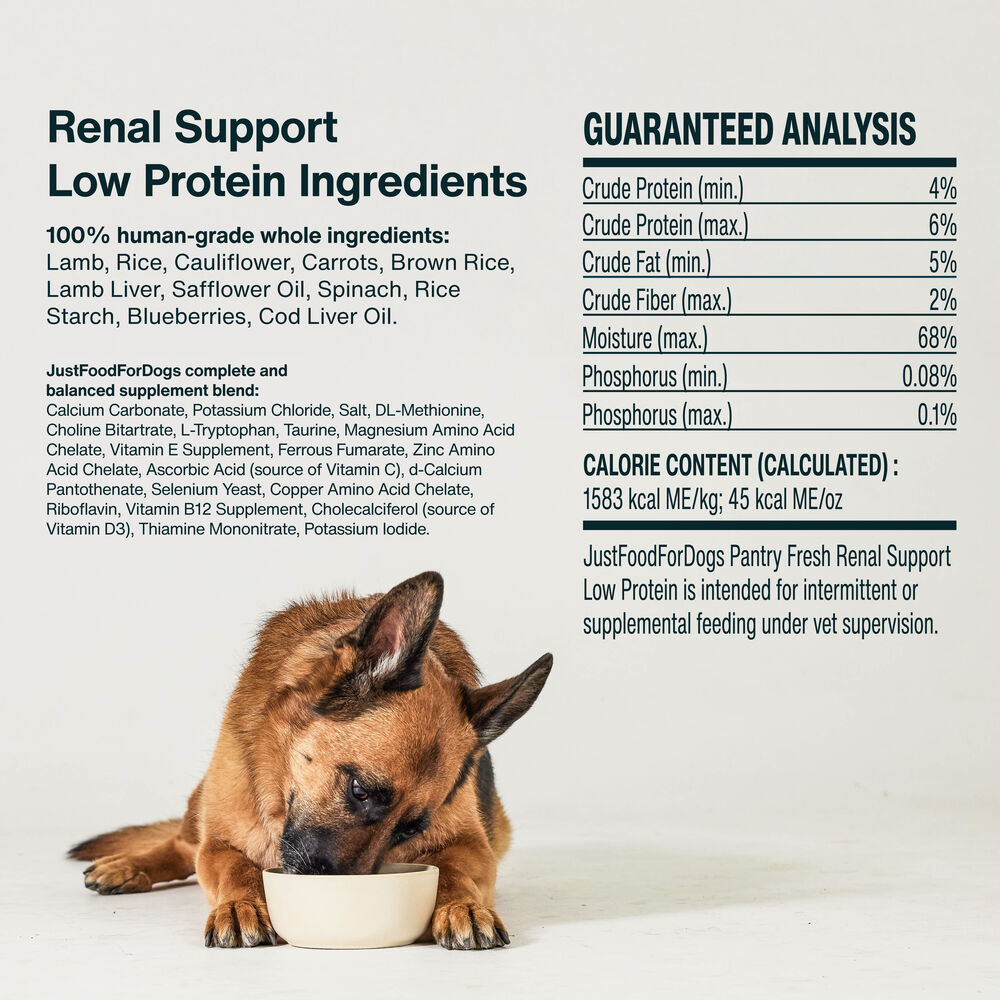
Credit: www.justfoodfordogs.com
Kidney Issues In Dogs
Kidney issues in dogs can be challenging to detect early, but they significantly impact your pet’s quality of life. Understanding what kidney problems look like and how diet influences kidney health is crucial for every dog owner. Your choices can either support your dog’s recovery or make the condition worse.
Types And Symptoms Of Kidney Problems
Dogs can suffer from acute or chronic kidney disease. Acute kidney problems happen suddenly and may be caused by infections, toxins, or injury. Chronic kidney disease develops slowly over time and is often linked to aging or long-term health issues.
Watch for symptoms such as:
- Increased thirst and urination
- Loss of appetite and weight loss
- Vomiting and lethargy
- Bad breath or ulcers in the mouth
If you notice any of these signs, it’s important to see your vet promptly to test kidney function.
How Diet Affects Kidney Health
Your dog’s diet plays a big role in managing kidney problems. Foods high in protein and phosphorus can strain damaged kidneys. Lowering these in the diet can help reduce the workload on kidneys and slow disease progression.
Grain-free diets often focus on high protein from meat sources, which might not always be ideal for dogs with kidney issues. Have you considered how the balance of nutrients in your dog’s food affects their kidney health?
Adding foods with controlled protein and low phosphorus, and ensuring plenty of hydration, supports kidney function. Always consult your vet before making any diet changes, especially if your dog has kidney problems. The right diet can give your dog a better chance at feeling comfortable and living longer.
Impact Of Grain Free Diets On Kidney Health
Understanding the impact of grain free diets on kidney health is crucial if your dog is dealing with kidney issues. Diet plays a significant role in managing kidney function, and choosing the right food can either support or strain your pet’s kidneys. Let’s look at what grain free diets might mean for your dog’s kidney health.
Potential Benefits For Dogs With Kidney Issues
Grain free diets often focus on higher protein quality and reduced fillers, which some owners believe helps kidney health. By cutting out grains, these diets may reduce inflammation or allergies that indirectly affect kidney stress. Additionally, some grain free formulas include ingredients like sweet potatoes or peas, which provide essential nutrients without overloading the kidneys.
Many dog owners have noticed improved energy levels and coat condition after switching to grain free options. However, these benefits can vary widely depending on the specific ingredients and your dog’s individual health. Could the type of protein and carbohydrate source in the diet be more important than just removing grains?
Risks And Concerns From Experts
Veterinarians often warn about the potential risks of grain free diets, especially for dogs with pre-existing kidney problems. Some grain free foods may contain higher levels of protein or unusual ingredients that can put extra strain on compromised kidneys. Experts also raise concerns about taurine deficiency linked to some grain free diets, which can affect heart and kidney health.
Studies have pointed out that not all grain free diets are created equal, and some may lack essential nutrients your dog needs for kidney support. If your dog already has kidney disease, it’s important to carefully evaluate the diet’s balance of protein, phosphorus, and sodium. Are you certain your chosen grain free food meets these specific nutritional needs?

Credit: beyondpets.com
Nutritional Considerations For Kidney Disease
Dogs with kidney disease need special diets to support their health. Their kidneys cannot remove waste well. This makes diet very important for managing kidney problems. Grain free diets often change nutrient levels, which can affect kidney health. Understanding nutritional needs helps in choosing the right food.
Key Nutrients To Monitor
Several nutrients require close attention for dogs with kidney disease. Controlling these helps reduce kidney stress and maintain body balance.
- Protein:Essential but must be limited to reduce waste buildup.
- Phosphorus:High levels harm kidneys, so it needs restriction.
- Sodium:Too much sodium can increase blood pressure and kidney strain.
- Potassium:Needs monitoring as both low and high levels cause issues.
- Omega-3 fatty acids:Support kidney function and reduce inflammation.
Balancing Protein, Phosphorus, And Sodium
Protein is vital for body repair but excess harms kidneys. Diets should provide moderate protein levels. Phosphorus control helps slow kidney damage progression. Grain free diets may have varied phosphorus content, so check labels carefully.
Sodium affects blood pressure, which impacts kidneys. Limiting sodium helps reduce kidney workload. Choose foods with controlled sodium content to keep levels safe.
Consult your vet to tailor nutrient levels. Proper balance improves quality of life for dogs with kidney disease.
Veterinary Perspectives And Recommendations
When it comes to caring for a dog with kidney issues, diet plays a crucial role. The debate around grain-free diets for dogs is ongoing, especially when kidney health is at stake. Let’s explore what veterinary professionals suggest and how you can tailor your dog’s diet based on their specific needs.
What Vets Say About Grain Free Diets
Veterinarians often caution against jumping onto the grain-free bandwagon without a clear understanding of your dog’s health needs. While grain-free diets are popular, they aren’t necessarily better for dogs with kidney issues. Many vets emphasize the importance of consulting with a professional before making dietary changes.
Some studies have suggested links between grain-free diets and heart issues in dogs, which can complicate kidney health further. Therefore, vet opinions often lean towards balanced diets that include grains unless a specific allergy or intolerance is present. Have you discussed the potential risks and benefits with your vet?
Tailoring Diets To Individual Dogs
Every dog is unique, and their dietary needs can vary significantly. Factors like age, weight, and the severity of kidney issues can influence what’s best for your furry friend. Personalized nutrition plans are often recommended by vets to address individual health concerns effectively.
Consider how a tailored approach can make a difference. For instance, one dog owner found that incorporating specific low-phosphorus foods improved their pet’s kidney function. Have you considered what individual adjustments might benefit your dog?
Working closely with your vet to design a diet plan can help you ensure your dog receives the necessary nutrients without compromising their health. Is your dog’s current diet truly meeting their needs? Regular check-ups and open communication with your vet can provide the insights you need to keep your pet healthy and happy.
Alternative Diet Options For Dogs With Kidney Issues
Finding the right diet for dogs with kidney issues can feel overwhelming. You want to support their health without making things worse. Luckily, there are several diet options that help manage kidney problems effectively while keeping your dog’s meals enjoyable and nutritious.
Prescription Kidney Diets
Prescription kidney diets are specially formulated to support dogs with kidney disease. These diets usually have lower protein and phosphorus levels to reduce kidney workload. Many vets recommend these diets because they balance essential nutrients carefully.
Brands like Hill’s Prescription Diet k/d, Royal Canin Renal Support, and Purina NF are popular options. They come in both dry and wet forms, making it easier to find what your dog prefers. Have you noticed how picky dogs with kidney issues can be? Prescription diets often have flavors that appeal to them while still protecting their kidneys.
Homemade And Commercial Alternatives
If prescription diets don’t suit your dog’s taste or lifestyle, homemade and commercial alternatives can be a good choice. Preparing meals at home lets you control ingredients, but it’s important to work with a vet or pet nutritionist to balance nutrients correctly.
Commercial alternatives, such as grain-inclusive limited ingredient diets, may also support kidney health without strictly being prescription formulas. Look for diets that limit phosphorus and protein but still provide energy and vital nutrients.
- Use lean proteins like chicken or turkey in moderate amounts.
- Add cooked vegetables such as green beans or carrots for vitamins.
- Avoid excess salt and phosphorus-rich foods like organ meats.
Have you ever tried cooking for your dog? It can be rewarding and lets you see exactly what your pet is eating. Just remember, kidney-friendly diets need careful planning to avoid unintentional harm.
Monitoring And Adjusting Your Dog’s Diet
Monitoring and adjusting your dog’s diet is key for managing kidney issues. Changes in diet can affect your dog’s health quickly. Careful observation helps catch problems early. Adjustments ensure your dog gets the right nutrients without strain.
Signs To Watch For Dietary Impact
Notice changes in your dog’s energy levels. Watch for unusual tiredness or weakness. Check for loss of appetite or sudden weight loss. Monitor water intake; more or less than usual can signal issues. Look for vomiting or diarrhea, which may show diet intolerance. Keep an eye on coat condition and skin health too.
Working With Your Vet For Best Results
Your vet guides diet choices based on kidney health. Regular check-ups help track kidney function and diet effects. Discuss any new foods or supplements before adding them. Your vet may suggest blood tests to check progress. Follow their advice on adjusting protein, phosphorus, and sodium. Clear communication helps avoid diet mistakes and supports your dog’s health.

Credit: www.1800petmeds.com
Frequently Asked Questions
Are Grain Free Diets Harmful To Dogs With Kidney Issues?
Grain free diets may stress kidneys due to higher protein levels. Consult your vet to choose the best diet for kidney health.
Can Grain Free Food Worsen Canine Kidney Disease?
Yes, grain free foods can worsen kidney disease by increasing protein load. A vet-recommended diet with balanced nutrients is safer.
Why Do Vets Caution Against Grain Free Diets For Kidney Problems?
Vets caution because grain free diets often have high protein, which strains kidneys. Proper nutrition tailored by a vet is crucial.
What Alternatives Exist To Grain Free Diets For Dogs With Kidney Issues?
Low protein, kidney-friendly diets with grains are better alternatives. These diets reduce kidney workload and support overall health.
Conclusion
Grain free diets are not always bad for dogs with kidney issues. Each dog’s needs are different. Talk to your vet before changing your dog’s food. Some dogs may do well on grain free diets. Others might need special nutrition to protect their kidneys.
Watching your dog’s health closely is key. Choose food that supports kidney function and overall health. Careful choices help your dog live a better life. Stay informed and ask questions. Your dog deserves the best care possible.