
Are you wondering if a grain-free diet is the right choice for your small dog? Choosing the best food for your furry friend can feel overwhelming.
You want to make sure your dog stays healthy, happy, and full of energy. But with so many options, how do you know what’s truly best? You’ll discover what a grain-free diet means, its benefits, and what you should watch out for.
By the end, you’ll feel confident making the best decision for your small dog’s diet. Keep reading to find out if grain-free is the way to go for your pet’s health.

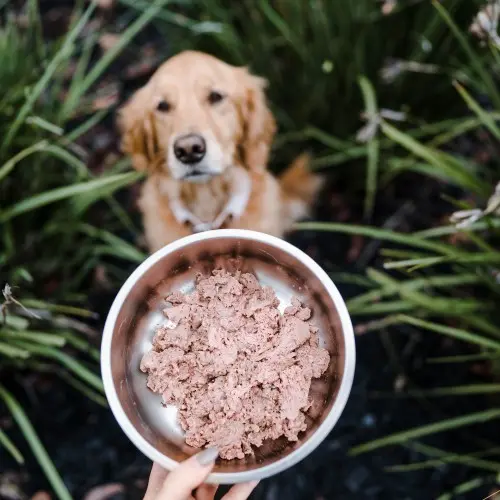
Credit: kohapet.com
Grain Free Diet Basics
Understanding the basics of a grain free diet can help you decide if it’s right for your small dog. This type of diet removes all grains like wheat, corn, and rice from your pet’s meals. Many owners choose grain free food hoping it will improve digestion or reduce allergies, but knowing what it really means is key.
What Is A Grain Free Diet?
A grain free diet for dogs means their food contains no cereal grains. Instead, it focuses on other sources of carbohydrates and nutrients. This diet aims to avoid potential allergens found in grains, which some dogs may react to.
But keep in mind, grain free doesn’t mean carb free. It just means grains are replaced with other ingredients. Have you noticed if your dog’s digestion changes when you switch their food?
Common Ingredients In Grain Free Foods
Grain free dog foods often include:
- Potatoes– a popular carb source that provides energy.
- Sweet potatoes– rich in fiber and vitamins.
- Peas– another source of carbohydrates and protein.
- Legumeslike lentils and chickpeas – add protein and fiber.
- Meat and fish– primary sources of protein and fat.
These ingredients replace grains but still provide essential nutrients. Have you checked what’s actually inside your dog’s grain free food bag?
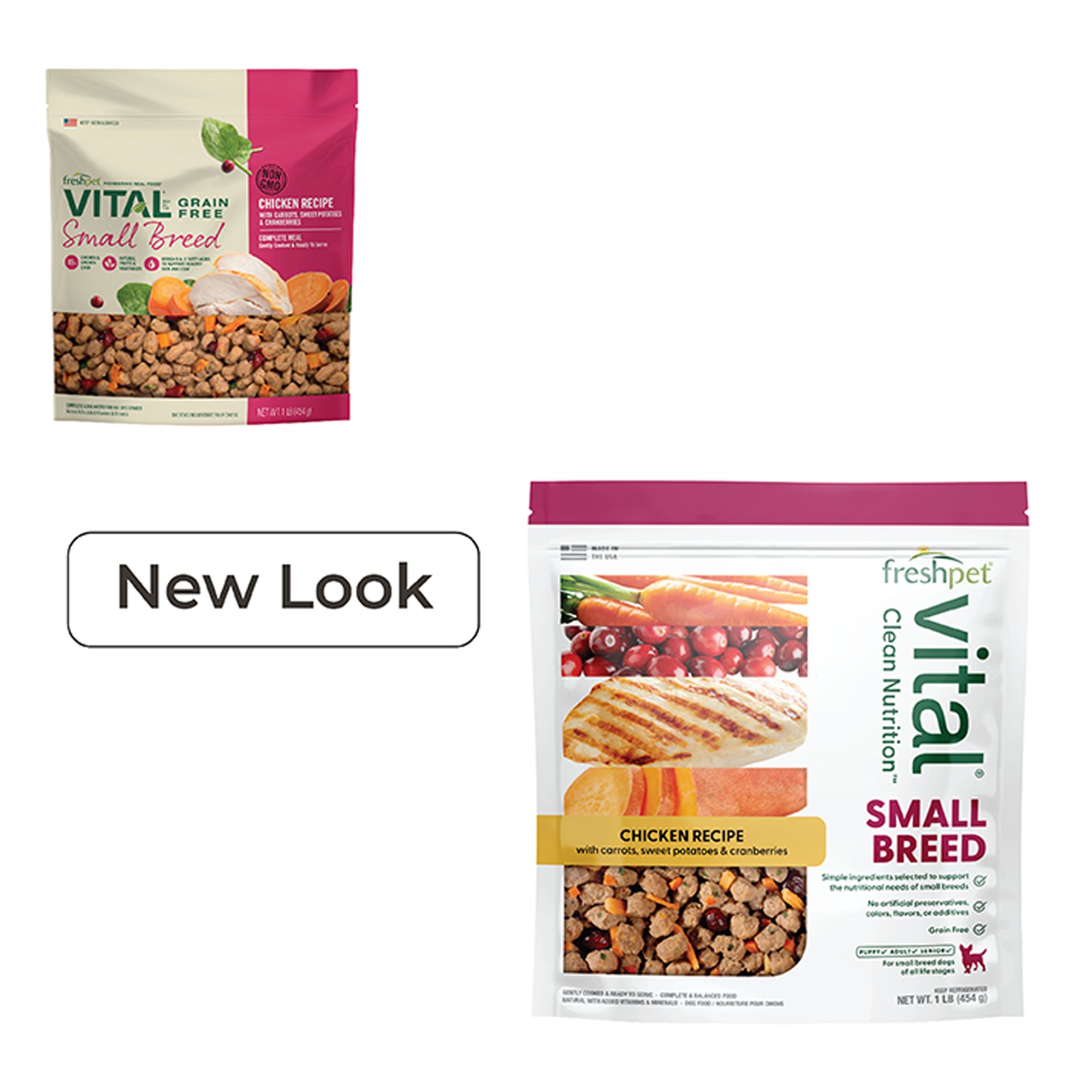
Credit: www.petsmart.ca
Benefits For Small Dogs
Choosing a grain-free diet offers several benefits for small dogs. Their unique metabolism and size make certain foods easier to digest and healthier overall. Grain-free diets can support their digestive system, reduce allergies, and help maintain a healthy weight. These advantages contribute to a happier, more active small dog.
Improved Digestion
Small dogs often have sensitive stomachs. Grain-free diets remove grains that can be hard to digest. This can lead to less stomach upset and fewer digestive issues. The diet often includes high-quality proteins and easily digestible ingredients. This supports better nutrient absorption and promotes gut health.
Allergy And Sensitivity Relief
Grains sometimes cause allergies or skin problems in small dogs. Grain-free diets eliminate common allergens like wheat, corn, and soy. This reduction can ease itching, redness, and inflammation. Small dogs with food sensitivities may show fewer symptoms and feel more comfortable.
Weight Management
Small dogs need a balanced diet to avoid weight gain. Grain-free foods tend to have fewer carbohydrates and more protein. This helps keep their energy levels steady and supports lean muscle. Maintaining a healthy weight reduces stress on joints and improves overall health.
Potential Risks
Choosing a grain-free diet for your small dog might seem like a healthier option, but it comes with potential risks that you should carefully consider. Understanding these risks can help you make informed decisions about your pet’s nutrition and wellbeing. Let’s look at some critical concerns that could affect your dog’s health.
Nutritional Deficiencies
Grains provide essential nutrients like fiber, vitamins, and minerals that support your dog’s digestive health. Removing grains without proper replacement can lead to gaps in their diet. Some grain-free foods rely heavily on potatoes or legumes, which may not offer the same balanced nutrition.
Have you checked if your dog’s food contains alternative sources of fiber and vitamins? Missing these can cause issues like poor digestion or skin problems over time.
Heart Health Concerns
Research has linked some grain-free diets to a condition called dilated cardiomyopathy (DCM), a serious heart disease in dogs. The exact cause isn’t fully understood, but it may involve nutrient imbalances, such as low taurine levels.
If your small dog is on a grain-free diet, regular vet check-ups are crucial to monitor heart health. Ask your vet whether taurine supplementation or diet adjustments might be necessary for your pet.
Long Term Effects
We still don’t know all the long-term effects of grain-free diets on small dogs. Some owners report improvements, but others notice weight changes, allergies, or digestive upset over time.
Could switching back to a grain-inclusive diet help if your dog shows any negative symptoms? Tracking your dog’s health and behavior over months will give you better insight into what suits them best.
Comparing Grain Free With Grain Inclusive Diets
Comparing grain free and grain inclusive diets for small dogs involves more than just checking ingredient lists. You need to think about the overall health, cost, and how your dog reacts to the food. Each diet has its own benefits and challenges that can affect your dog’s well-being and your convenience as a pet owner.
Nutrient Profiles
Grain free diets usually replace grains with alternative carbs like sweet potatoes or peas. This can change the balance of fiber and vitamins your dog gets. On the other hand, grain inclusive diets provide whole grains such as brown rice or oats, which are rich in B vitamins and fiber.
Some small dogs may digest grains easily, while others might have sensitivities. You should watch your dog’s energy levels and stool quality to see how they respond. Would swapping grains for other carbs improve your dog’s digestion or energy?
Cost And Availability
Grain free dog foods often come with a higher price tag. The ingredients used are sometimes more expensive or less common. This might make sticking to a grain free diet harder if you have a tight budget.
Grain inclusive foods are usually easier to find and often cost less. This can help you maintain a consistent feeding routine without breaking the bank. Think about how much you’re willing to spend for your dog’s diet and how often you can shop for specialty foods.
Palatability And Acceptance
Many small dogs can be picky eaters, so how much they like their food is crucial. Grain free diets might taste different due to unique ingredients, which some dogs love and others reject. Grain inclusive diets often have a familiar taste that dogs accept quickly.
Pay attention to your dog’s enthusiasm at mealtime. Do they eagerly eat the grain free food, or do they prefer their old grain inclusive meals? Your dog’s preference can guide you toward the best choice for their happiness and nutrition.
When To Choose Grain Free
Choosing a grain-free diet for your small dog can be a significant decision, impacting their overall health and wellbeing. While many dogs thrive on grains, some may benefit from a grain-free diet due to specific health needs or allergies. Understanding when to make this dietary switch can help you support your furry friend’s health and vitality. Let’s delve into the signs that your dog may benefit from a grain-free diet and the importance of consulting with a veterinarian before making any changes.
Signs Your Dog May Benefit
If your small dog is experiencing digestive issues, persistent itching, or has a dull coat, it might be time to consider a grain-free diet. These symptoms can sometimes indicate an intolerance or sensitivity to grains. Additionally, if your dog seems less energetic or has frequent ear infections, these could also be signs that a grain-free diet might be beneficial.
Observe your dog’s behavior and health closely. Have they recently developed symptoms that coincide with their current diet? A grain-free diet might provide relief and improve their quality of life.
Consulting A Veterinarian
Before making any dietary changes, it’s crucial to consult with your veterinarian. They can provide tailored advice based on your dog’s specific health needs and history. A vet can also help rule out other potential causes of your dog’s symptoms, ensuring that a grain-free diet is the right choice.
Discuss your observations and concerns openly with your veterinarian. They can guide you through the transition process and recommend appropriate grain-free options that meet your dog’s nutritional requirements. Always prioritize professional guidance to ensure your pet’s health and happiness.
Popular Grain Free Brands For Small Dogs
Choosing the right grain free brand for your small dog can feel overwhelming with so many options on the market. Each brand offers unique blends of nutrients designed to support your pup’s health without grains. Knowing which ones are highly rated and what ingredients to avoid can make your decision easier and ensure your furry friend gets the best nutrition.
Top Rated Options
- Blue Buffalo Freedom Grain Free Small Breed:Known for high-quality protein and added antioxidants, this formula supports small dogs’ energy needs and immune health.
- Merrick Grain Free Small Breed Recipe:Includes deboned meat as the first ingredient and is packed with omega fatty acids to keep your dog’s coat shiny and skin healthy.
- Wellness CORE Grain Free Small Breed:This brand focuses on balanced nutrition with a mix of proteins and superfoods, helping your dog maintain lean muscles and overall vitality.
- Natural Balance L.I.D. Limited Ingredient Diets:Ideal for dogs with sensitivities, it offers simple recipes with fewer ingredients to reduce allergy risks.
Have you noticed how some brands seem to suit your dog better than others? Trying a sample pack from these top-rated options can help you see which one your dog prefers and digests well.
Ingredients To Watch
Even grain free diets can contain ingredients that may cause problems for some small dogs. Look out for excessive fillers like peas and potatoes, which can sometimes upset digestion or cause allergies.
Avoid brands that use artificial colors, flavors, or preservatives. These additives don’t add nutritional value and can lead to long-term health issues.
Check the protein sources carefully. Some grain free foods rely heavily on plant proteins rather than meat, which may not provide the amino acids your dog needs.
Have you checked your dog’s ingredient list lately? Understanding what’s inside the bag helps you make smarter choices and keeps your dog happy and healthy.
Tips For Transitioning Diets
Switching your small dog to a grain-free diet can feel like a big change. It’s important to do it carefully so your dog’s tummy adjusts without trouble. Sudden changes might cause digestive upset or make your dog refuse the new food altogether.
Gradual Switch Strategies
Start by mixing a small amount of the grain-free food with your dog’s current diet. You might begin with just 25% new food and 75% old food. After a few days, increase the new food to 50% and decrease the old food accordingly.
Take about a week or more to complete the switch. Some dogs need even more time, especially if they have sensitive stomachs. If you notice any vomiting or diarrhea, slow down the transition and hold at the current mix for a few more days.
- Mix new and old food thoroughly to keep flavors consistent.
- Feed smaller portions more often to ease digestion.
- Keep fresh water available to help your dog stay hydrated during the change.
Monitoring Your Dog’s Response
Watch your dog’s behavior closely during the transition. Are they eating eagerly or turning their nose up? Changes in stool quality, energy levels, and skin condition can tell you a lot.
Note any signs of allergies like itching or redness. These may mean the grain-free diet isn’t the best fit. If you see persistent issues, consult your vet promptly.
Ask yourself: Is your dog’s coat shinier or duller? Do they seem more energetic or sluggish? These clues help you decide if the new diet is truly benefiting your furry friend.
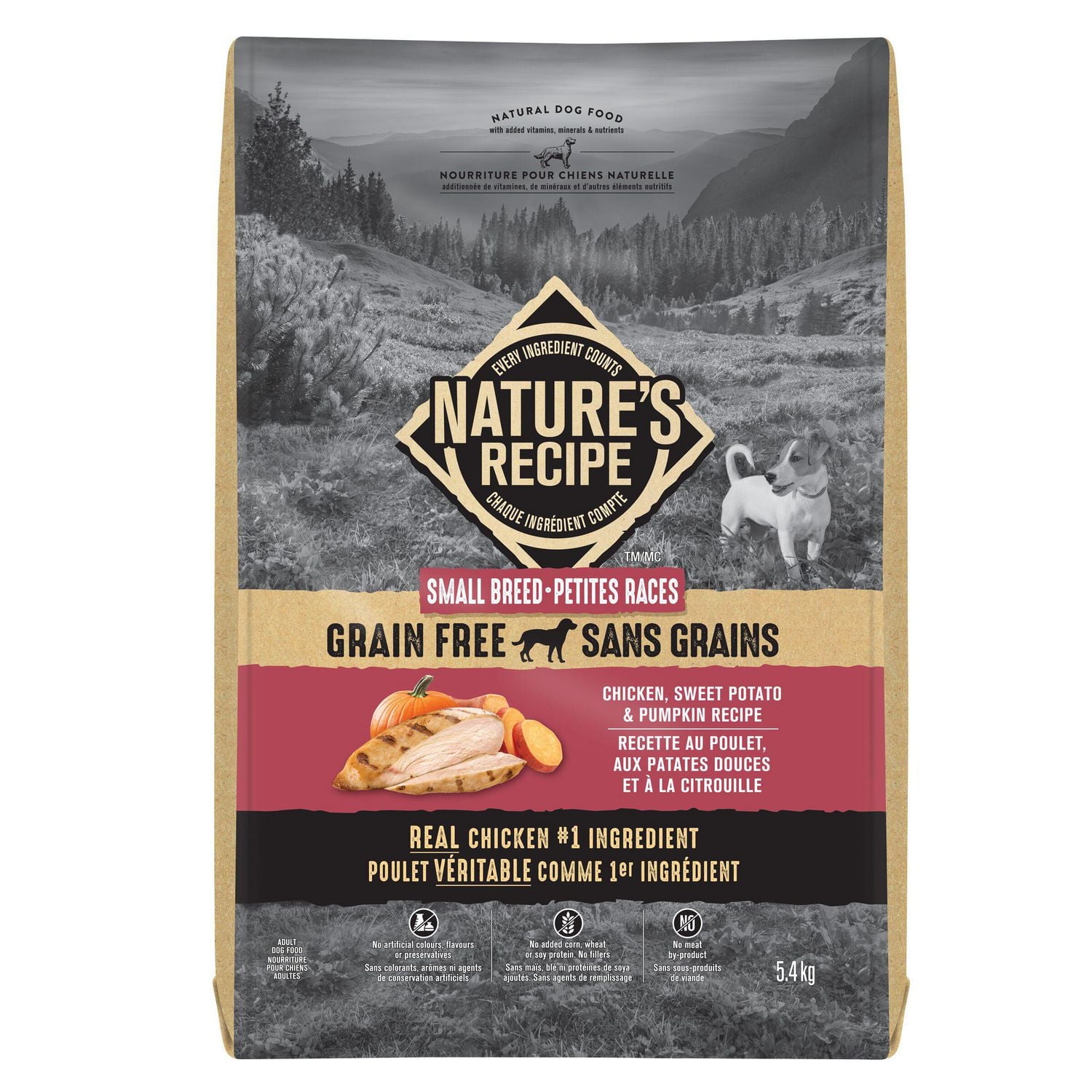
Credit: www.walmart.ca
Frequently Asked Questions
Is A Grain Free Diet Safe For Small Dogs?
A grain free diet can be safe for small dogs if balanced properly. Consult your vet to ensure it meets all nutritional needs. Avoid sudden changes and monitor your dog’s health closely for any adverse reactions.
What Are Benefits Of Grain Free Food For Small Dogs?
Grain free food may reduce allergies, improve digestion, and promote healthier skin. It often contains higher protein from meat sources, supporting small dogs’ energy and muscle maintenance effectively.
Can Grain Free Diets Cause Health Issues In Small Dogs?
Some grain free diets have been linked to heart problems in dogs. Always choose reputable brands and consult your vet before switching to a grain free diet to minimize risks.
How To Choose The Best Grain Free Food For Small Dogs?
Look for grain free foods with high-quality protein, balanced nutrients, and no artificial additives. Check ingredient lists and vet recommendations to find the best option for your small dog’s health.
Conclusion
Grain free diets can benefit some small dogs with allergies. They often help improve digestion and skin health. Not all small dogs need grain free food though. Talk to your vet before changing your dog’s diet. Watch for any changes in energy or stool quality.
Balanced nutrition is key to keeping your dog healthy. Every dog is different. Choose food that fits your pet’s unique needs. Good food supports a happy, active life.