Are you tired of wondering what’s really in your dog’s food? You want the best for your furry friend, but store-bought options can feel confusing or unhealthy.
That’s where a homemade dog food recipe comes in. Making your dog’s meals at home lets you control every ingredient, ensuring your pet gets fresh, nutritious, and tasty food. You’ll discover simple, safe recipes and tips that can transform mealtime for your dog—and give you peace of mind.
Keep reading to find out how easy it is to prepare wholesome meals your dog will love.

Credit: www.latimes.com
Benefits Of Homemade Dog Food
Choosing to prepare homemade dog food can transform your pet’s health and well-being. It lets you directly influence what your dog eats, ensuring every meal is packed with value. Let’s look at why this choice might be the best for your furry friend.
Improved Nutrition
When you prepare your dog’s food at home, you can focus on balanced nutrition tailored to their needs. You control the portions of protein, fats, and carbohydrates, which can help maintain your dog’s ideal weight and energy levels. Have you noticed how some commercial dog foods contain fillers that add no real benefits? Homemade recipes eliminate those unnecessary ingredients.
Control Over Ingredients
Making your own dog food means you know exactly what goes into every bowl. This transparency protects your dog from harmful additives, preservatives, or low-quality fillers often found in store-bought options. You can also avoid ingredients your dog dislikes or reacts badly to, giving you peace of mind about their diet.
Cost-effectiveness
Feeding your dog homemade meals can be kinder to your wallet. Buying ingredients in bulk or using seasonal produce often costs less than premium commercial dog food. Plus, you can reduce waste by using leftovers creatively, which saves money and reduces your pet’s environmental footprint.
Customization For Allergies
If your dog suffers from allergies or food sensitivities, homemade food offers a tailored solution. You can exclude triggers like wheat, soy, or certain proteins and introduce safe alternatives. This customization often improves digestion and reduces itching or discomfort, making your dog happier and healthier.
Essential Nutrients For Dogs
Feeding your dog a homemade meal means you take charge of their nutrition. Knowing the essential nutrients your dog needs is key to making recipes that keep them healthy and happy. Each nutrient plays a specific role in your dog’s body, supporting everything from energy levels to immune function.
Proteins And Amino Acids
Proteins are the building blocks of your dog’s muscles, skin, and organs. They provide amino acids, some of which your dog’s body cannot make on its own. Including high-quality protein sources like chicken, beef, or fish ensures your dog gets all the amino acids they need.
If you’ve ever noticed your dog’s coat looking dull, it might be a sign they need more protein. Does your dog’s homemade food have enough meat or eggs? Balancing proteins is crucial to avoid deficiencies.
Carbohydrates And Fiber
Carbohydrates supply energy and help keep your dog’s digestive system running smoothly. Sources like brown rice, sweet potatoes, and oats also provide fiber, which supports healthy bowel movements. Too little fiber can cause constipation, while too much might lead to diarrhea.
Think about how your dog reacts after meals—are they energetic or sluggish? Adjusting carbs can make a big difference in their vitality. Including a variety of grains and vegetables keeps meals interesting and nutritious.
Fats And Fatty Acids
Fats are essential for energy and help absorb vitamins. They also keep your dog’s skin and coat shiny and healthy. Omega-3 and Omega-6 fatty acids, found in fish oil and flaxseed, reduce inflammation and support brain health.
Have you noticed dry skin or excessive scratching in your dog? Adding good fats to their diet can help ease these issues. But remember, balance is key—too much fat can lead to weight gain.
Vitamins And Minerals
Vitamins and minerals support your dog’s immune system, bone health, and overall body functions. Calcium and phosphorus are vital for strong bones, while vitamins A and E protect cells and help with vision. Including colorful veggies like carrots and spinach can boost vitamin intake naturally.
Do you add any supplements or veggies to your dog’s meals? Sometimes, homemade recipes miss these small but important nutrients. A simple multivitamin or a variety of fresh produce can fill the gaps and keep your dog thriving.
Safe Ingredients To Use
Safe ingredients include lean meats, cooked vegetables, and grains like rice or oats. Avoid harmful foods such as onions, garlic, and chocolate. Always choose fresh, natural items to keep your dog healthy and happy.
Feeding your dog homemade meals can be both rewarding and beneficial for their health. However, it’s crucial to know which ingredients are safe and nutritious. This ensures your furry friend gets all the essential nutrients they need. Let’s dive into the specifics of safe ingredients you can use in a homemade dog food recipe.Lean Meats And Fish
Providing lean meats like chicken, turkey, and beef is a great way to supply your dog with protein. Make sure these meats are cooked thoroughly to kill any harmful bacteria. Fish such as salmon and sardines are also excellent choices, offering healthy omega-3 fatty acids that support skin and coat health. Remember to remove all bones to prevent choking hazards.Vegetables And Fruits
Vegetables like carrots, peas, and sweet potatoes offer fiber and essential vitamins. They should be cooked and mashed for better digestibility. Fruits such as blueberries and apples (without seeds) can be healthy treats, providing antioxidants and additional vitamins. Be cautious with fruits, though, as some like grapes and raisins are toxic to dogs.Grains And Legumes
Whole grains like brown rice and quinoa are excellent sources of carbohydrates and provide energy. They should be well-cooked to ease digestion. Legumes such as lentils and chickpeas can also be included, offering protein and fiber. Ensure they are fully cooked and mashed to prevent digestive upset.Supplements And Additives
Sometimes, even with the best ingredients, homemade dog food might lack certain nutrients. Adding supplements like fish oil for omega-3s, calcium powder for strong bones, or a multivitamin designed for dogs can help fill these gaps. Always consult with your vet to determine which supplements are necessary for your dog’s specific needs. Creating a balanced homemade diet for your dog requires attention to detail and a bit of research. Are you ready to take the plunge and start cooking for your canine companion?Ingredients To Avoid
Choosing the right ingredients is key when making homemade dog food. Some foods can hurt your dog’s health. Avoiding certain ingredients keeps your pet safe and happy.
Toxic Foods For Dogs
- Chocolate: Contains substances harmful to dogs.
- Grapes and Raisins: Can cause kidney failure.
- Onions and Garlic: Damage dog’s red blood cells.
- Avocado: Contains a toxin called persin.
- Xylitol: A sweetener that causes low blood sugar and liver damage.
- Alcohol: Very dangerous and toxic for dogs.
Harmful Additives
- Salt: Too much can cause dehydration and health issues.
- Sugar: Leads to obesity and dental problems.
- Artificial Flavors and Colors: May cause allergies or illness.
- Preservatives: Chemicals like BHA and BHT can be harmful.
- Excess Spices: Can upset your dog’s stomach.
Unsafe Cooking Methods
- Raw Bones: Risk of choking or internal injury.
- Fat Trimmings: May cause pancreatitis.
- Undercooked Meat: Can contain bacteria harmful to dogs.
- Highly Fried Foods: Hard to digest and unhealthy.
- Seasoned Meat: Salt and spices can be toxic.
Easy Homemade Dog Food Recipes
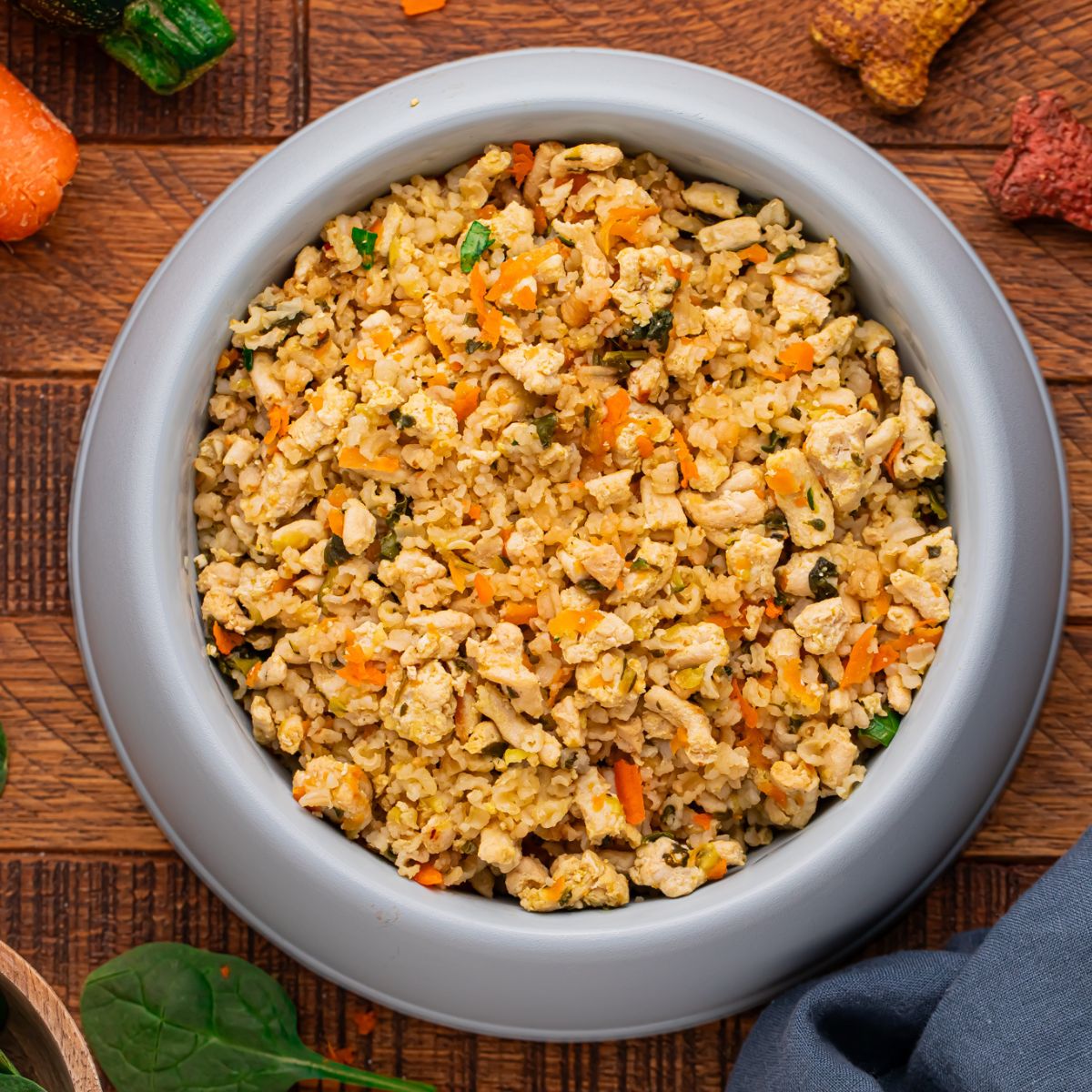
Easy homemade dog food recipes make feeding your dog simple and healthy. These recipes use common ingredients that provide balanced nutrition. Preparing meals at home lets you control what your dog eats. Fresh, natural ingredients support your pet’s well-being and energy. Here are some easy recipes to try for your furry friend.
Basic Chicken And Rice Meal
This recipe is gentle on your dog’s stomach and easy to prepare. It uses simple ingredients that most dogs love.
- Cook 1 cup of boneless chicken breast until fully done.
- Boil 1 cup of white rice until soft.
- Mix the chicken and rice together.
- Add a small amount of cooked carrots for extra vitamins.
Serve once cooled. This meal is great for sensitive stomachs.
Beef And Vegetable Mix
This mix offers protein and fiber, supporting your dog’s muscle and digestion.
- Brown 1 cup of lean ground beef in a pan.
- Steam ½ cup each of chopped green beans and carrots.
- Combine beef with the vegetables and let cool.
This hearty meal can be served daily or as a treat.
Fish And Sweet Potato Dish
Fish provides omega-3 fatty acids, good for your dog’s coat and heart.
- Cook 1 cup of white fish, like cod or tilapia, without seasoning.
- Boil or bake 1 cup of sweet potato until soft.
- Mix fish and sweet potato and allow to cool before serving.
This dish is gentle and nutritious for all dog breeds.
Vegetarian Options
Vegetarian meals can be healthy for dogs with certain allergies or preferences.
- Cook 1 cup of lentils until soft.
- Steam ½ cup of peas and ½ cup of carrots.
- Mix lentils and vegetables together.
- Add a teaspoon of olive oil for healthy fats.
This meal provides fiber and protein without meat.
Credit: myincrediblerecipes.com
Meal Preparation Tips
Preparing homemade dog food takes care and attention. Proper meal prep helps keep your dog healthy and happy. It also saves time and reduces waste. Follow these tips to make the process smooth and safe.
Portion Control
Feed your dog the right amount based on size, age, and activity. Overfeeding can cause weight gain. Underfeeding may lead to nutrient deficiency. Use a kitchen scale or measuring cups to portion meals. Divide the daily amount into two or three servings. Consistent portions help maintain your dog’s ideal weight.
Storage And Shelf Life
Store homemade dog food in airtight containers. Keep it in the fridge for up to three days. For longer storage, freeze portions in separate bags or containers. Label each package with the date. Thaw frozen meals in the fridge before serving. Avoid leaving food out too long to prevent spoilage.
Cooking Techniques
Cook ingredients thoroughly to make them easy to digest. Boiling, steaming, and baking are gentle cooking methods. Avoid frying or using too much oil. Cut meat and vegetables into small pieces. This helps your dog chew and digest food better. Always cool food before serving to avoid burns.
Maintaining Food Safety
- Wash hands before and after handling food.
- Clean all utensils and surfaces properly.
- Keep raw meat separate from other ingredients.
- Use fresh ingredients to reduce bacteria risk.
- Discard any spoiled or expired food immediately.
Following these safety steps protects your dog from illness. Safe food prep ensures your dog enjoys every meal.
Transitioning Your Dog To Homemade Food
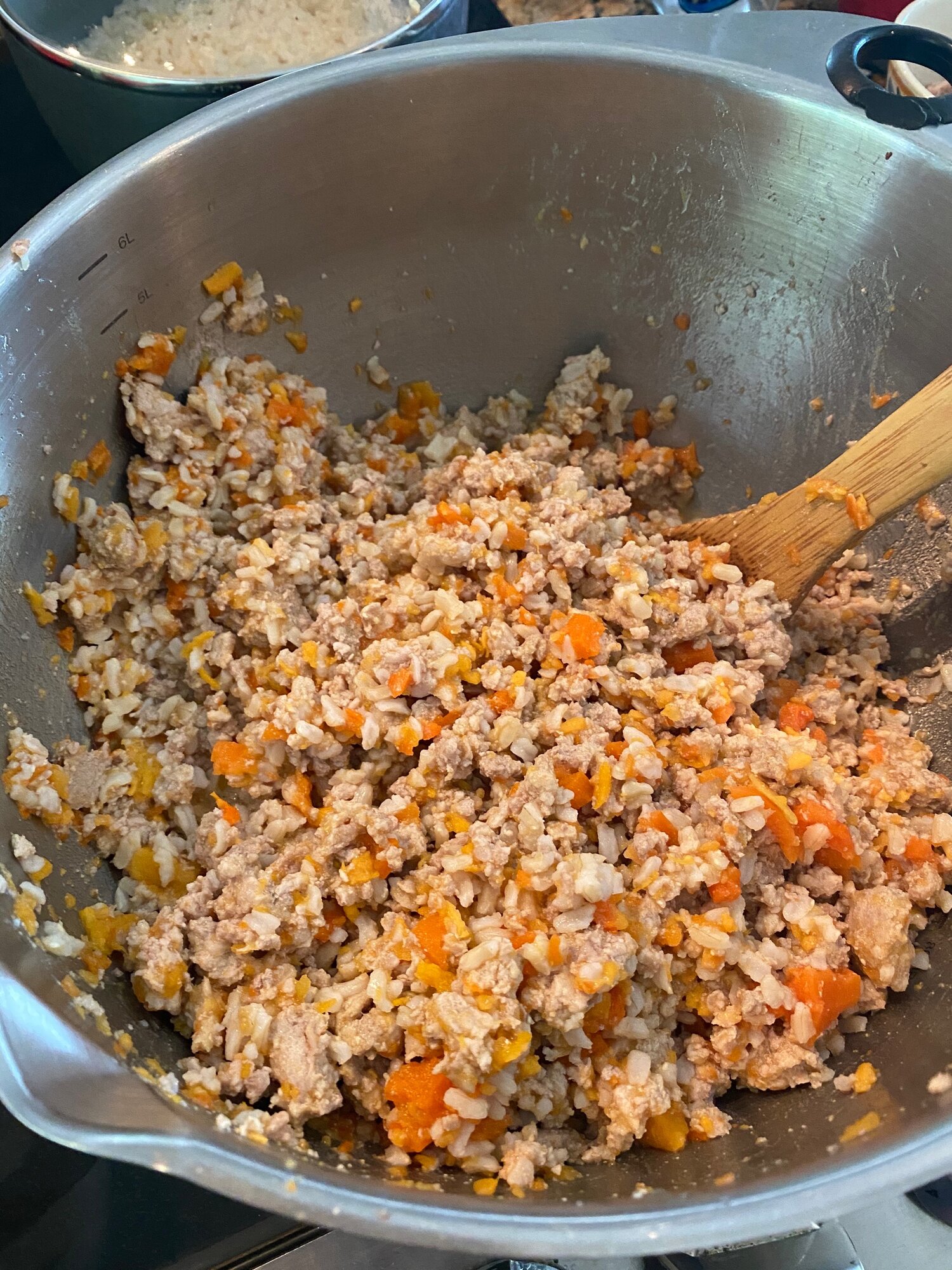
Switching your dog from commercial kibble to homemade meals is a big change for both of you. It’s not just about what goes into the bowl but how you introduce this new diet that matters most. Taking it slow and paying close attention to your dog’s reaction will help make the transition smooth and healthy.
Gradual Introduction
Start by mixing a small amount of homemade food with your dog’s current meals. A good rule is to begin with 25% homemade and 75% regular food for a few days. Then, slowly increase the homemade portion over one to two weeks.
This slow change helps your dog’s digestive system adjust without causing upset stomach or refusal to eat. Notice if your dog shows excitement or hesitation toward the new food. Your patience here sets the tone for success.
Monitoring Health And Behavior
Watch for signs like changes in energy, stool quality, and coat condition. Is your dog more playful? Or do they seem lethargic? These clues tell you if the new diet meets their needs or if adjustments are necessary.
Keep a daily log of what your dog eats and any reactions you see. This record becomes invaluable if you need to tweak the recipe or consult a professional. Remember, your dog’s behavior can reveal a lot about their health.
Consulting With A Veterinarian
Before making any major diet changes, talk to your vet about your plans. They can provide advice tailored to your dog’s age, breed, and health status. Your vet might recommend specific supplements or nutrients to add to homemade meals.
Regular check-ups during the transition phase ensure your dog stays on track. Don’t hesitate to ask questions or share concerns. Your vet’s expertise is your best ally in keeping your dog happy and healthy.
Credit: mudpuddlesandmotherhood.com
Frequently Asked Questions
What Ingredients Make A Healthy Homemade Dog Food Recipe?
A healthy homemade dog food recipe includes lean meats, vegetables, grains, and essential supplements. It should balance protein, carbs, and fats. Always avoid toxic foods like onions and chocolate. Consult your vet for nutrient requirements tailored to your dog’s needs.
How Do I Ensure Homemade Dog Food Is Nutritionally Balanced?
To ensure balance, include proteins, carbohydrates, fats, vitamins, and minerals. Use recipes vetted by veterinarians or pet nutritionists. Supplement with calcium and omega fatty acids if needed. Regularly monitor your dog’s health and adjust portions accordingly.
Can Homemade Dog Food Improve My Pet’s Health?
Yes, homemade dog food can improve digestion, coat condition, and energy levels. It avoids preservatives and fillers found in commercial diets. However, proper nutrition must be maintained to prevent deficiencies. Always consult your vet before switching diets.
Is Homemade Dog Food Safe For All Dog Breeds?
Homemade dog food can be safe for all breeds if properly balanced. Large, small, or sensitive breeds have different nutritional needs. Customize recipes according to breed, age, and health status. Vet guidance is essential for safety and effectiveness.
Conclusion
Homemade dog food recipes offer control over ingredients and quality. They help ensure your dog eats fresh, healthy meals every day. Preparing food at home can meet your dog’s specific needs and tastes. It also strengthens the bond between you and your pet.
Always check with a vet before changing your dog’s diet. Simple recipes can save money and reduce waste too. Cooking for your dog shows care and attention to health. Try a homemade recipe and see the difference yourself.