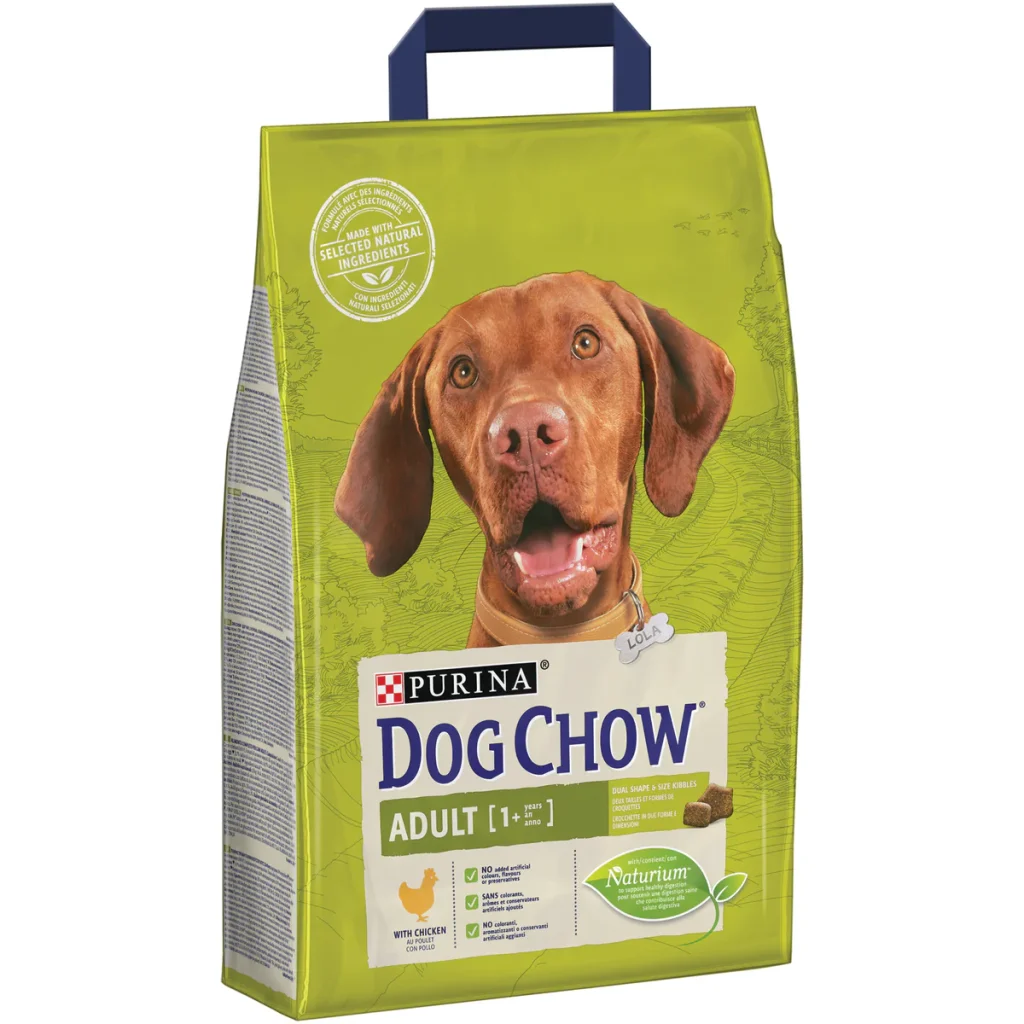

If you’ve ever shopped for dog food, you might have noticed labels like “Adult 1+” and wondered what they really mean for your furry friend. Choosing the right food isn’t just about picking a brand—it’s about understanding your dog’s needs at every stage of life.
Knowing what “Adult 1+” stands for can help you make smarter choices that keep your dog healthy, happy, and full of energy. Keep reading to discover how this simple label can make a big difference in your dog’s nutrition and well-being.

Credit: pet-supermarket.co.uk
Adult 1+ Label Meaning
The “Adult 1+” label on dog food might seem simple, but it carries important information about your dog’s diet. This label tells you exactly which stage of your dog’s life the food is best suited for. Understanding what “Adult 1+” means helps you make smart choices that match your dog’s age and nutritional needs.
Age Group Indication
The “Adult 1+” label means the food is designed for dogs that are at least one year old. This is a key milestone because dogs’ nutritional needs change after their first year. Food labeled “Adult 1+” is not for puppies or senior dogs; it targets the adult phase when your dog is fully grown but not yet elderly.
Have you noticed your dog’s energy or appetite shifting around this age? Choosing the right food can support their health through this active adult period.
Nutritional Standards
Dog foods with the “Adult 1+” label meet specific nutritional standards set by pet health authorities. These foods provide balanced amounts of protein, fats, vitamins, and minerals necessary for maintaining your dog’s muscle tone, immune system, and overall vitality.
For example, these foods usually contain moderate protein levels to support muscle without overloading their system. They also include essential fatty acids for a shiny coat and healthy skin, important as your dog moves beyond puppyhood.
Would you rather guess your dog’s needs or rely on food tested and formulated to keep them healthy during their prime? The “Adult 1+” label takes the guesswork out.
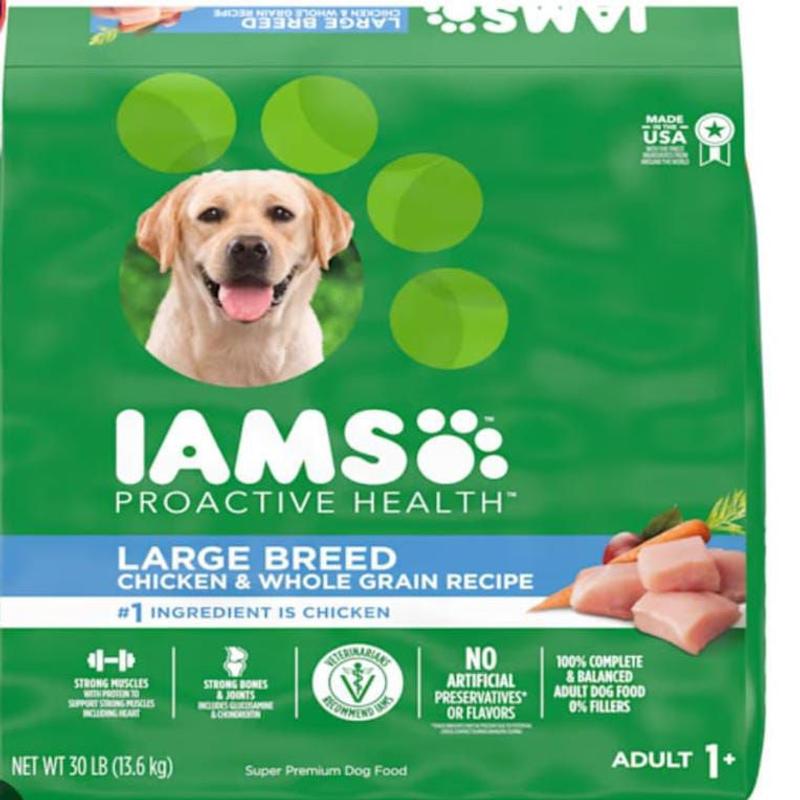
Credit: www.iams.com
Nutritional Needs For Adult Dogs
Understanding the nutritional needs of adult dogs is key to choosing the right food labeled as Adult 1+. This label indicates that the food is formulated to meet the specific requirements of dogs who have moved past their puppy stage but are not yet seniors. Your dog’s health, energy levels, and overall well-being depend on how well their diet matches these needs.
Essential Nutrients
Adult dogs need a balanced mix of nutrients to stay healthy. Protein is crucial for muscle maintenance and repair. Look for high-quality sources like chicken, beef, or fish listed as the first ingredient.
Fats provide energy and support skin and coat health. Omega-3 and omega-6 fatty acids are especially important. Carbohydrates supply energy, but the quality matters—whole grains and vegetables are better than fillers.
Don’t forget vitamins and minerals. Calcium and phosphorus help maintain strong bones, while antioxidants like vitamin E support the immune system. Have you checked if your dog’s food includes these vital elements?
Calorie Requirements
Adult dogs need fewer calories than puppies but more than senior dogs. Their calorie needs depend on their size, breed, and activity level. A 50-pound active dog will burn more calories than a smaller, less active one.
Overfeeding can lead to obesity, which causes joint problems and shortens lifespan. Underfeeding may cause weakness and poor coat condition. Feeding guidelines on the Adult 1+ dog food packaging offer a good starting point, but adjust portions based on your dog’s body condition and lifestyle.
Have you noticed changes in your dog’s weight or energy? These signs can guide you in tweaking their calorie intake. Keeping an eye on these factors helps ensure your dog stays fit and happy.
Differences From Puppy And Senior Formulas
Adult 1+ dog food is designed for dogs over one year old, balancing nutrients for growth and maintenance. Puppy formulas focus on rapid growth, while senior formulas support aging joints and lower energy needs. Adult 1+ meets the needs of dogs in their prime.
Understanding the differences between adult 1+ dog food and other life stage formulas like puppy and senior is crucial for your pet’s health. Each life stage has unique nutritional needs, and feeding the wrong formula can impact your dog’s well-being. Let’s dive into what sets adult 1+ formulas apart from puppy and senior formulas.Protein Levels
Puppies need higher protein levels to support their rapid growth and development. These proteins are the building blocks for their muscles, tissues, and organs. Adult dogs, however, require balanced protein levels to maintain muscle mass and energy. Senior dogs typically need less protein than adults to support a slower metabolism and prevent kidney strain. Choosing the right protein level can aid in maintaining your dog’s health and vitality.Fat Content
Fat is a vital energy source for puppies, supporting their active lifestyle and developing brain. Puppy formulas are often higher in fat to meet these demands. On the other hand, adult dogs benefit from moderate fat levels to maintain a healthy weight and energy balance. Senior dogs usually require lower fat content to prevent obesity as their activity levels decrease. Consider your dog’s activity level and adjust the fat intake accordingly for optimal health.Vitamin And Mineral Adjustments
Puppies need a wide range of vitamins and minerals to support bone growth, immune function, and overall development. These nutrients are carefully measured in puppy formulas for optimal growth. Adult dog food focuses on maintaining these functions with balanced vitamins and minerals. Senior formulas often include additional antioxidants and joint-supporting nutrients like glucosamine. These adjustments help combat aging effects and keep your senior pet comfortable and active. Choosing the right formula ensures your furry friend gets the specific nutrients they need at each life stage. Are you confident in your choice of dog food formula? A little research can go a long way in ensuring your dog stays healthy and happy.Choosing The Right Adult 1+ Dog Food
Choosing the right Adult 1+ dog food ensures your dog stays healthy and happy. This stage means your dog is past puppyhood but still active. The right food supports energy, digestion, and overall well-being. Different dogs have different needs. Quality ingredients and balanced nutrition matter the most.
Breed And Size Considerations
Dogs vary by breed and size. Small breeds burn energy faster and need more calories per pound. Large breeds digest food differently and require joint support. Breed traits affect nutrient needs. For example, active breeds need protein for muscle maintenance.
- Small breeds need smaller kibble and higher calorie density.
- Large breeds benefit from controlled calories and joint supplements.
- Medium breeds need balanced nutrition for steady energy.
- Specific breed formulas address unique health risks.
Health Conditions Impact
Health issues change dietary needs. Dogs with allergies need limited ingredient diets. Dogs prone to weight gain require low-fat formulas. Some dogs need food for sensitive digestion or dental care. Always check for special formulas addressing these concerns.
- Allergy-friendly foods avoid common triggers.
- Weight management formulas help keep a healthy weight.
- Diets with added fiber support digestion.
- Dental health diets reduce plaque and tartar buildup.
Common Ingredients In Adult 1+ Dog Food
Adult 1+ dog food is designed to meet the needs of dogs over one year old. It contains a balanced mix of ingredients that support growth, energy, and health. The ingredients vary but focus on providing essential nutrients for adult dogs.
Understanding the common ingredients helps in choosing the right food. These ingredients fall into three main groups: proteins, carbohydrates, and additives. Each group plays a key role in your dog’s diet.
Protein Sources
Proteins are the building blocks for muscles and tissues. Common protein sources include:
- Chicken
- Beef
- Lamb
- Fish
- Eggs
- Plant proteins like peas or lentils
High-quality proteins help maintain muscle mass and support overall health.
Carbohydrates And Fibers
Carbohydrates provide energy for daily activities. Fibers aid digestion and keep the gut healthy. Common carbohydrates and fibers include:
- Rice
- Barley
- Oats
- Sweet potatoes
- Vegetables like carrots and peas
- Beet pulp
These ingredients supply steady energy and promote good digestion.
Additives And Supplements
Additives improve the taste and preservation of dog food. Supplements boost health and prevent deficiencies. Common additives and supplements include:
- Vitamins such as A, D, and E
- Minerals like calcium and phosphorus
- Omega-3 and Omega-6 fatty acids
- Probiotics for gut health
- Antioxidants to support the immune system
These elements ensure your dog stays healthy and energetic.
Reading Dog Food Labels Effectively
Reading dog food labels effectively helps you choose the right diet for your pet. Labels contain key information about nutrition and ingredients. Understanding them ensures your dog gets the nutrients it needs. This is important for dogs labeled as Adult 1+, which means they are over one year old and need balanced nutrition.
Decoding Guaranteed Analysis
The guaranteed analysis shows nutrient percentages in the food. It lists protein, fat, fiber, and moisture levels. These numbers help compare different dog foods. Protein and fat provide energy and support growth. Fiber aids digestion. Moisture indicates water content in the food.
Look for balanced protein and fat levels suitable for adult dogs. High fiber supports healthy digestion. Moisture content varies between dry and wet food types. Remember, guaranteed analysis shows minimum or maximum amounts, not exact values.
Understanding Ingredient Lists
The ingredient list reveals what is in the dog food. Ingredients are listed by weight, from highest to lowest. The first few ingredients matter most because they make up most of the food.
- Look for named meat sources like “chicken” or “beef” at the top.
- Avoid vague terms like “meat by-products” or “animal digest.”
- Whole grains and vegetables provide vitamins and fiber.
- Avoid excessive fillers like corn or wheat as main ingredients.
Check for additives like vitamins and minerals added for extra nutrition. Understanding the ingredient list helps you choose quality food for your adult dog.
Benefits Of Feeding Adult 1+ Formulas
Feeding Adult 1+ dog food provides many key health benefits. These formulas are made to meet the needs of dogs over one year old. They support overall health while helping dogs stay active and happy. Adult 1+ diets balance nutrients that suit grown dogs’ changing bodies. This helps maintain good health and quality of life as dogs age.
Maintaining Ideal Weight
Adult 1+ formulas contain the right calories for mature dogs. This helps prevent weight gain or loss. Proper weight reduces risks of health problems like diabetes and heart disease. Balanced fats and proteins keep muscles strong and energy steady. Healthy weight supports a longer, happier life for your dog.
Supporting Joint Health
These formulas include nutrients that help joints stay flexible. Ingredients like glucosamine and chondroitin protect cartilage and reduce stiffness. Dogs can move more comfortably and enjoy daily activities. Joint support lowers the chance of arthritis and joint pain. It helps dogs stay active as they grow older.
Promoting Digestive Wellness
Adult 1+ dog food has fiber and prebiotics for good digestion. These ingredients improve nutrient absorption and gut health. A healthy digestive system means fewer stomach problems and better stool quality. It also boosts the immune system by supporting good bacteria. Digestive wellness keeps your dog feeling comfortable and energetic.
Credit: www.purina.com
Potential Drawbacks To Watch For
Choosing Adult 1+ dog food seems straightforward but some issues need attention. Not all formulas suit every dog perfectly. Some ingredients might cause problems or lead to health concerns. Understanding these risks helps in making better choices for your pet’s diet.
Allergen Risks
Adult 1+ dog foods often contain common allergens like chicken, beef, or grains. Dogs sensitive to these ingredients may show signs such as itching, redness, or digestive upset. These reactions can affect their comfort and health.
Checking the ingredient list is important. Look for any known allergens your dog has had trouble with before. Sometimes, switching to limited ingredient diets helps reduce allergic responses.
Overfeeding Concerns
Adult 1+ dog food labels may suggest feeding amounts that lead to overfeeding. Overfeeding causes weight gain and related health issues like joint stress and diabetes. Monitoring portion sizes is critical.
Using a measuring cup and adjusting based on your dog’s activity level and weight keeps feeding in control. Always consult your vet to find the right feeding amount for your dog’s needs.
Frequently Asked Questions
What Does Adult 1+ Mean On Dog Food Labels?
Adult 1+ indicates the food is suitable for dogs aged one year and older. It meets nutritional needs for adult dogs. This helps owners choose age-appropriate food for their pets’ health and growth.
Why Choose Adult 1+ Dog Food For My Pet?
Adult 1+ dog food is formulated to support adult dogs’ energy and nutrient needs. It promotes healthy digestion, skin, and coat. Choosing this ensures balanced nutrition tailored for adult dogs’ lifestyle.
How Is Adult 1+ Dog Food Different From Puppy Food?
Adult 1+ dog food has lower calories and adjusted nutrients than puppy food. Puppies need more protein and fat for growth. Adult formulas maintain health without excess energy for mature dogs.
Can Adult 1+ Dog Food Support Senior Dogs?
Adult 1+ dog food suits dogs from one year old but may lack senior-specific nutrients. For older dogs, consider formulas with joint support and lower calories. Always consult your vet for best choices.
Conclusion
Adult 1+ on dog food means it is made for dogs over one year old. It helps meet the needs of adult dogs. This label guides you to choose the right food for your pet. Feeding the correct food supports your dog’s health and energy.
Always check the label to ensure it fits your dog’s age. Remember, good nutrition keeps dogs happy and active. Choose wisely for a healthy, strong adult dog.