Are you wondering how to give your furry friend the healthiest meals without relying on store-bought dog food? You want to make sure your dog gets all the right nutrients while enjoying tasty, fresh ingredients.
But where do you start? Finding a good homemade dog food recipe can feel overwhelming. This guide will show you simple, balanced recipes that you can prepare easily at home. By the end, you’ll have everything you need to keep your dog happy, healthy, and wagging their tail at every meal.
Keep reading to discover how you can take control of your dog’s diet today!
Benefits Of Homemade Dog Food
Choosing to prepare homemade dog food comes with several benefits that impact your pet’s health and your peace of mind. When you make food at home, you’re not just feeding your dog—you’re taking control of what goes into their bowl. This choice can improve your dog’s well-being and also affect your budget and overall satisfaction with their diet.
Health Advantages
Homemade dog food lets you provide fresh, natural ingredients without preservatives or fillers. Dogs with allergies or sensitive stomachs often show improvement when switched to a home-cooked diet. You can tailor meals to your dog’s specific needs, such as adding extra protein or avoiding certain grains.
Have you noticed your dog’s energy levels or coat condition change after modifying their diet? Many owners report shinier fur, better digestion, and fewer allergies with homemade meals. It’s a chance to feed your dog nutrient-rich foods that support their health every day.
Cost-effectiveness
Feeding your dog homemade meals can be easier on your wallet than buying premium commercial dog food. Bulk purchases of ingredients like rice, chicken, and vegetables often cost less per serving. You can also avoid paying extra for unnecessary additives or marketing costs included in many store-bought options.
Think about how often you buy dog food and the price per bag or can. Would spending a little time cooking save you money over the year? Many dog owners find homemade food a practical choice once they get the hang of meal prepping.
Control Over Ingredients
When you cook for your dog, you decide exactly what goes into each meal. This control is important if your dog has allergies, intolerances, or special dietary needs. You can select high-quality proteins, fresh vegetables, and avoid harmful ingredients like excess salt or artificial flavors.
Have you ever checked the ingredient list on commercial dog food and wondered about some items? Homemade recipes give you clarity and confidence. You can experiment with different ingredients and portions to find what works best for your dog’s health and taste preferences.

Credit: www.latimes.com
Key Nutrients For Dogs
Understanding the key nutrients your dog needs is essential when preparing homemade meals. Each nutrient plays a specific role in keeping your dog healthy, energetic, and happy. Missing out on even one vital component can affect their overall well-being.
Proteins And Fats
Proteins build and repair your dog’s muscles, skin, and organs. Good sources include chicken, beef, fish, and eggs. Fats provide energy and support brain function; they also keep your dog’s coat shiny and skin healthy.
Don’t overlook the balance between fats and proteins. Too much fat can lead to weight gain, while too little protein may cause muscle loss. Aim for lean meats and healthy fats like fish oil or flaxseed oil to give your dog the right fuel.
Vitamins And Minerals
Vitamins and minerals support your dog’s immune system and help maintain strong bones and teeth. Vegetables like carrots, spinach, and sweet potatoes add essential vitamins A, C, and K. Minerals such as calcium and phosphorus are crucial and can come from sources like ground eggshells or bone meal.
Have you checked if your dog’s meal contains enough of these micronutrients? Adding a multivitamin supplement or mixing in fresh veggies can be a simple fix to avoid deficiencies.
Carbohydrates And Fiber
Carbohydrates supply energy and fiber aids digestion. Brown rice, oats, and pumpkin are excellent carbohydrate sources that also provide fiber. Fiber keeps your dog’s digestive system running smoothly and prevents constipation.
When preparing homemade food, consider the type and amount of carbs you include. Too many carbs can cause weight gain, while too little might result in low energy. Balancing fiber can also help if your dog has sensitive digestion.
Safe Ingredients To Use
Crafting homemade dog food ensures your pet gets the best nutrition. Choosing safe ingredients is crucial for their health and happiness. This section explores meats, vegetables, grains, and supplements you can use.
Meats And Proteins
Proteins are vital for your dog’s growth and energy. Lean meats are a great choice. Opt for chicken, turkey, or beef. These meats provide essential amino acids. Fish like salmon can also be beneficial. They offer omega-3 fatty acids for a shiny coat. Always cook meats thoroughly to kill harmful bacteria.
Vegetables And Fruits
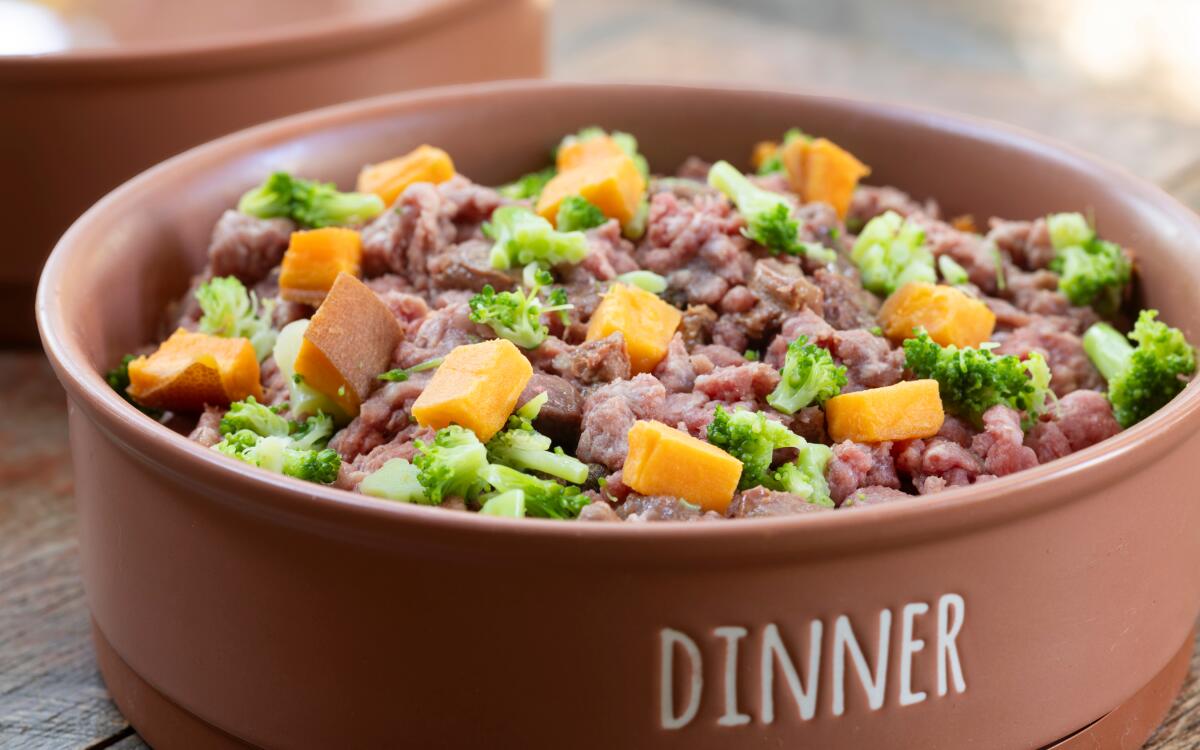
Veggies add fiber and vitamins to your dog’s diet. Safe options include carrots, peas, and spinach. These vegetables are rich in nutrients. Fruits like apples and blueberries make good treats. They are full of antioxidants. Avoid grapes, onions, and avocados. These are toxic to dogs.
Grains And Supplements
Grains can be a healthy part of your dog’s meal. Brown rice and oats are easily digestible. They provide energy and fiber. Some dogs may benefit from supplements. Omega-3 oils support joint health. Calcium ensures strong bones. Consult your vet for advice on supplements.
Credit: www.latimes.com
Ingredients To Avoid
Choosing the right ingredients is crucial for making safe, healthy homemade dog food. Some foods can harm your dog’s health, even in small amounts. Knowing which ingredients to avoid helps keep your pet safe and happy.
Many common foods and additives are not good for dogs. Avoiding these ensures your dog’s meal is both nutritious and safe. Watch out for allergens that can cause discomfort or illness.
Toxic Foods For Dogs
- Chocolate – contains substances toxic to dogs.
- Grapes and raisins – can cause kidney failure.
- Onions and garlic – damage red blood cells.
- Avocado – contains persin, harmful in large amounts.
- Alcohol – very dangerous even in small doses.
- Caffeine – can cause rapid heart rate and seizures.
- Xylitol (sweetener) – leads to low blood sugar and liver damage.
Harmful Additives
- Salt – too much can cause dehydration and kidney issues.
- Sugar – leads to obesity and dental problems.
- Artificial preservatives – may trigger allergies or illness.
- Flavor enhancers – often contain harmful chemicals.
- Excessive spices – upset dogs’ sensitive stomachs.
Allergens And Sensitivities
- Wheat and gluten – may cause digestive issues or skin problems.
- Dairy products – many dogs are lactose intolerant.
- Eggs – some dogs develop allergies to eggs.
- Beef and chicken – common protein allergens for some dogs.
- Soy – can cause allergic reactions in sensitive dogs.
Easy Homemade Recipes
Easy homemade recipes provide a healthy and simple way to feed your dog. These recipes use common ingredients that offer good nutrition. Preparing meals at home lets you control what your dog eats. It helps avoid fillers and artificial additives often found in commercial dog food.
These recipes are quick to make and use ingredients that are easy to find. They balance protein, carbs, and vegetables to keep your dog strong. Each recipe is gentle on your dog’s stomach and tasty enough to enjoy.
Basic Chicken And Rice
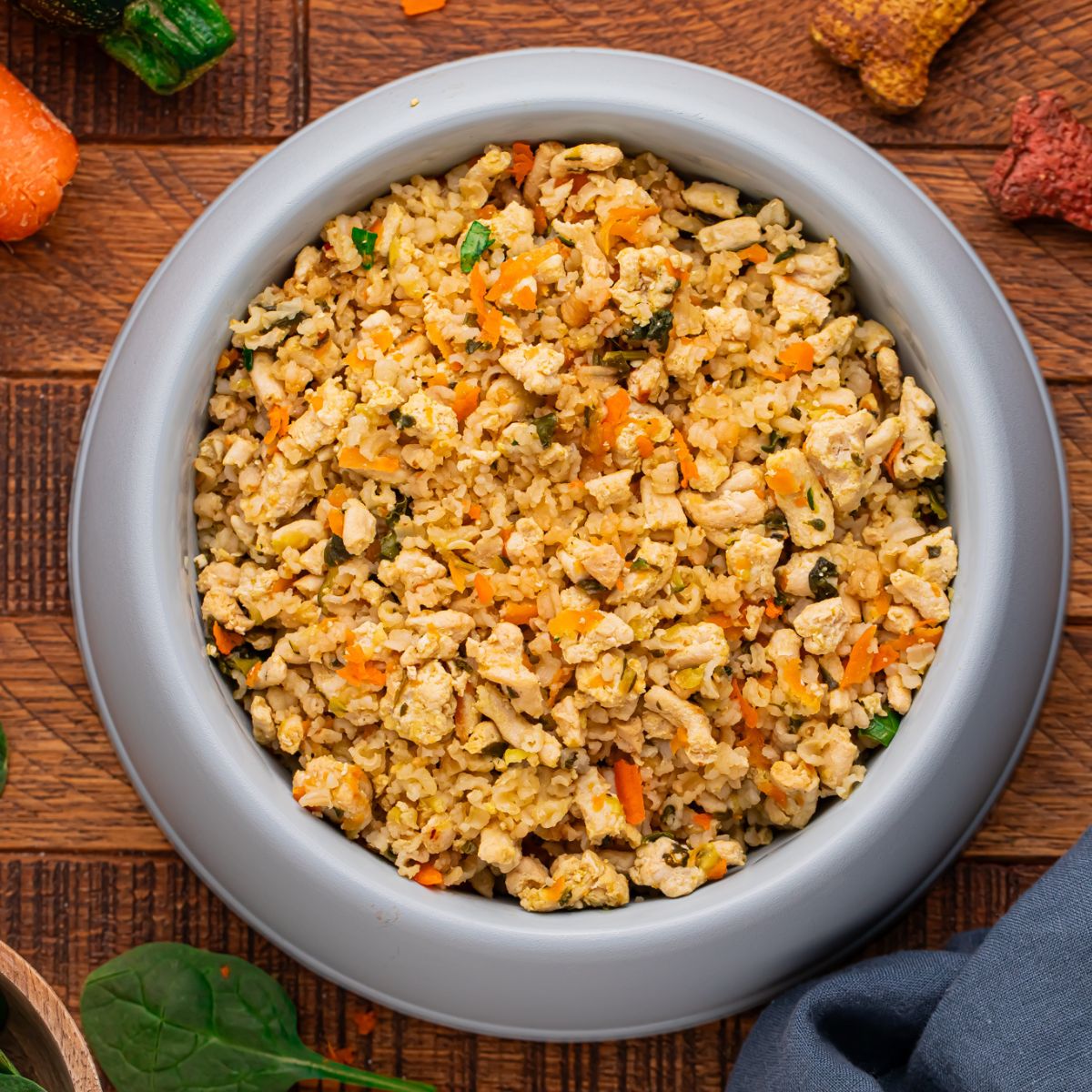
- Cook skinless chicken breast thoroughly and shred it into small pieces.
- Boil white rice until soft and fluffy.
- Mix chicken and rice in equal parts for a balanced meal.
- Add a small amount of cooked carrots or peas for extra vitamins.
- Ensure the food is cooled before serving to your dog.
Beef And Vegetable Mix
- Brown lean ground beef in a pan without oil or seasoning.
- Steam chopped green beans, carrots, and zucchini until tender.
- Combine beef and vegetables in a 2:1 ratio for protein and fiber.
- Optional: Add a spoon of cooked quinoa for extra nutrients.
- Cool the mix before feeding to avoid burns or discomfort.
Fish And Sweet Potato
- Cook boneless white fish like cod or tilapia until flaky.
- Boil or bake sweet potatoes until soft, then mash them.
- Mix fish and sweet potato in equal amounts for a tasty meal.
- Include a small portion of steamed spinach or green beans.
- Allow the dish to cool before serving your dog.
Tips For Cooking And Storage
Cooking and storing homemade dog food properly is key to keeping your furry friend healthy and happy. You want to make sure the food retains its nutrients and stays safe to eat. Let’s look at some practical tips that can help you prepare meals efficiently and keep them fresh.
Preparation Methods
Choose cooking methods that preserve nutrients like steaming or boiling rather than frying. These techniques keep the food gentle on your dog’s stomach and easier to digest.
Chop ingredients into small, even pieces to ensure thorough cooking and consistent texture. This also helps your dog eat comfortably without choking risks.
Consider cooking proteins separately from vegetables before mixing them. It allows you to control cooking times better and maintain flavor and nutrition.
Portioning And Freezing
Divide the cooked food into daily portions before freezing. Use airtight containers or freezer-safe bags to prevent freezer burn and keep flavors intact.
Label each package with the date and contents. This simple step helps you avoid feeding your dog old or spoiled food.
Thaw portions in the refrigerator overnight instead of at room temperature. This keeps the food safe and preserves its texture.
Shelf Life And Freshness
Fresh homemade dog food usually lasts about 3 to 4 days in the refrigerator. Beyond that, the risk of bacterial growth increases.
Frozen meals can stay good for up to 3 months but check for any signs of freezer burn or strange odors before serving.
Trust your senses; if the food smells off or looks different, it’s better to prepare a fresh batch. Would you want to eat food that smells unusual? Neither does your dog.
Adjusting Recipes For Special Needs
Adjusting homemade dog food recipes to meet special dietary needs is essential for keeping your furry friend healthy and happy. Each dog has unique requirements based on age, weight, and possible allergies. Making thoughtful changes ensures your pet gets the right nutrients without risking their well-being.
Puppies And Seniors
Puppies need extra protein and calories to support their rapid growth. Adding boiled chicken, eggs, and a bit of cottage cheese can help meet these demands. Seniors, on the other hand, benefit from lower calorie meals rich in fiber and joint-supporting ingredients like fish oil or pumpkin.
Have you noticed your older dog slowing down? Adjusting their diet with softer foods and supplements might improve their quality of life. Always check with your vet before changing your dog’s diet to match their life stage perfectly.
Weight Management
If your dog struggles with weight, recipe adjustments can make a big difference. Use lean proteins like turkey or white fish and add plenty of vegetables such as green beans or carrots. Avoid high-fat ingredients and limit treats to keep calories in check.
Balancing portion sizes is just as important as choosing the right ingredients. Have you tried measuring your dog’s meals instead of free feeding? Small changes like these can prevent unwanted weight gain and related health issues.
Allergy-friendly Options
Food allergies can cause itching, digestive upset, or ear infections. Identifying and eliminating common allergens like beef, dairy, or wheat helps. Substitute with novel proteins such as duck or venison and use rice or sweet potatoes as gentle carbohydrate sources.
Have you ever tested an elimination diet to find your dog’s triggers? It’s a straightforward way to discover what works best. Homemade recipes allow you to control every ingredient, which is a huge advantage for allergy-sensitive dogs.
Credit: myincrediblerecipes.com
Monitoring Your Dog’s Health
Feeding your dog homemade food is rewarding but needs careful health monitoring. Watch your dog closely for any changes in behavior or body condition. Regular checks help catch problems early. Healthy skin, bright eyes, and steady energy levels show good nutrition. Keep a close eye on your dog’s health to ensure the homemade diet meets their needs.
Signs Of Nutritional Deficiency
- Dull coat or hair loss
- Weakness or fatigue
- Digestive problems like vomiting or diarrhea
- Slow wound healing
- Unusual weight loss or gain
- Changes in appetite or thirst
- Behavioral changes such as irritability
When To Consult A Vet
Visit a vet if your dog shows any worrying signs. Sudden weight loss or gain needs checking. Persistent vomiting or diarrhea is a red flag. Loss of appetite for more than two days is serious. Any lumps, bumps, or skin issues should be examined. Regular vet visits help keep your dog healthy.
Tracking Dietary Changes
Keep a daily log of your dog’s meals and reactions. Note any new foods or supplements added. Record changes in energy, digestion, and behavior. Use this log to spot patterns or problems. Share the log with your vet during visits. Tracking helps adjust the diet to fit your dog’s needs.
Frequently Asked Questions
What Ingredients Make A Good Homemade Dog Food Recipe?
A balanced homemade dog food recipe includes lean protein, vegetables, grains, and healthy fats. Chicken, carrots, brown rice, and fish oil are common choices. Avoid onions, garlic, and excessive salt to keep it safe and nutritious.
How Do I Ensure Homemade Dog Food Is Balanced?
Balance homemade dog food by including protein, carbs, fats, vitamins, and minerals. Consult your vet or a pet nutritionist to tailor portions. Using supplements or commercial mixes can help meet nutritional needs accurately.
Can Homemade Dog Food Improve My Dog’s Health?
Yes, homemade dog food can boost health by providing fresh, high-quality ingredients. It often improves digestion, skin condition, and energy levels. However, ensure it meets all nutritional requirements for the best results.
How Often Should I Feed Homemade Dog Food?
Feed homemade dog food twice daily, matching your dog’s age, size, and activity. Consistent meal times aid digestion and routine. Adjust portion sizes based on your vet’s advice to maintain healthy weight.
Conclusion
A good homemade dog food recipe keeps your pet healthy and happy. It uses fresh ingredients that provide essential nutrients. You can control what goes into the food. This helps avoid harmful additives and fillers. Always balance proteins, vegetables, and grains for a complete meal.
Consult your vet to meet your dog’s specific needs. Homemade meals can be tasty and safe with simple recipes. Giving your dog homemade food shows care and love every day. Easy to make and good for your dog’s health.