
If you want the best for your furry friend, making a good homemade dog food recipe is a great place to start. You know that feeding your dog healthy meals can boost their energy, improve their coat, and keep them happy.
But with so many options out there, it can be hard to know what’s truly nutritious and safe. This guide will show you a simple, tasty recipe that you can prepare at home with ingredients you trust. Ready to give your dog a meal they’ll love and feel great about?
Keep reading to discover how easy it is to make healthy homemade dog food that meets your dog’s needs perfectly.
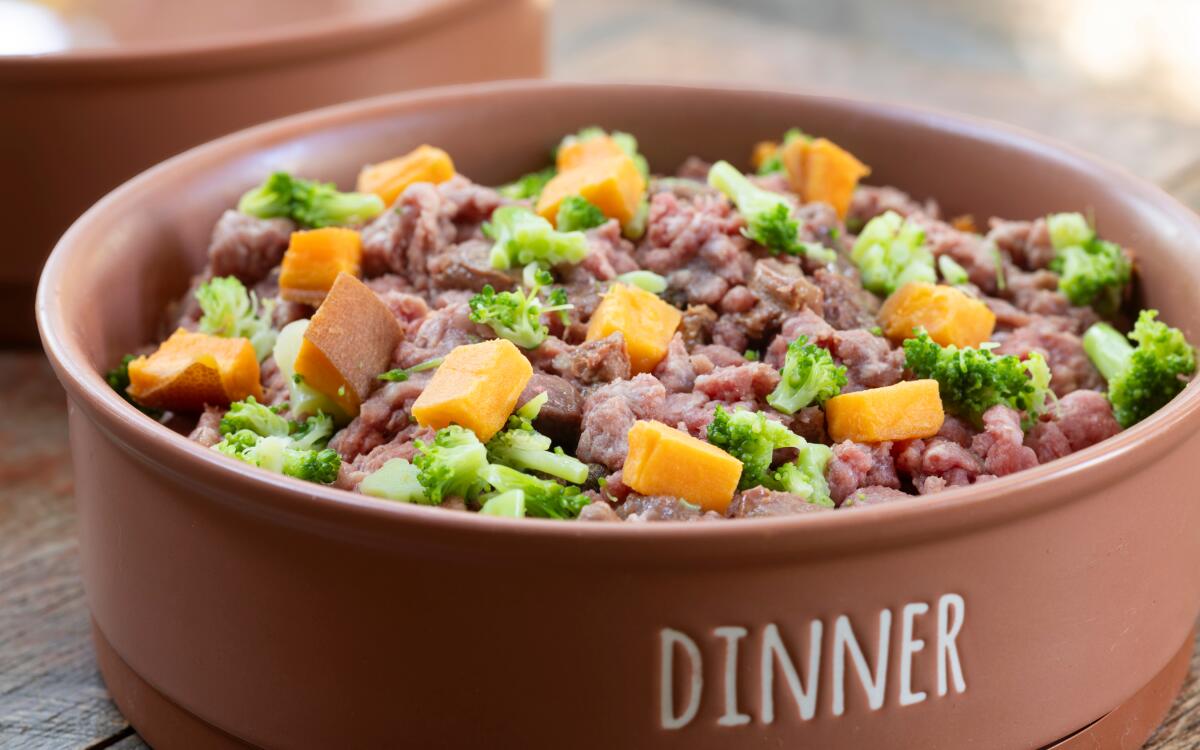
Credit: www.latimes.com
Benefits Of Homemade Dog Food
Making homemade dog food offers many benefits for your pet’s health and your peace of mind. You control what goes into every meal, ensuring quality and safety. This care can lead to better digestion, stronger immunity, and a happier dog overall.
Improved Health And Digestion
Homemade food helps avoid fillers and artificial additives. Dogs often digest fresh, whole ingredients more easily. This can reduce stomach upset and allergies. Balanced meals support a healthy coat, teeth, and energy levels. You can tailor recipes to meet your dog’s specific needs.
Control Over Ingredients
Knowing every ingredient builds trust in your dog’s diet. You select fresh meats, vegetables, and grains. This avoids harmful preservatives and chemicals found in some commercial foods. You can exclude allergens or ingredients your dog dislikes. Homemade meals suit picky eaters and special diets.
Cost-effectiveness
Homemade dog food can save money over time. Buying ingredients in bulk lowers costs. Avoiding expensive commercial brands reduces monthly expenses. You can use leftovers and seasonal produce to stretch your budget. Healthy, homemade meals provide great value for quality nutrition.
Essential Nutrients For Dogs
Dogs need a balanced diet to stay healthy and active. Essential nutrients support growth, energy, and overall well-being. Homemade dog food can provide these nutrients in natural forms. Understanding these essentials helps create the best meals for your dog.
Proteins And Amino Acids
Proteins build muscles, skin, and fur. Amino acids are the building blocks of protein. Dogs need high-quality proteins from meat, fish, or eggs. These provide essential amino acids that the body cannot make. Good protein sources keep dogs strong and energetic.
Carbohydrates And Fiber
Carbohydrates supply energy for daily activities. Fiber aids digestion and keeps the stomach healthy. Whole grains, vegetables, and fruits offer good carbohydrates and fiber. These help maintain a healthy weight and regular bowel movements.
Fats And Fatty Acids
Fats provide concentrated energy and support brain health. Omega-3 and Omega-6 fatty acids improve skin and coat condition. Healthy fats come from fish oil, flaxseed, and chicken fat. They also help absorb vitamins and reduce inflammation.
Vitamins And Minerals
Vitamins and minerals support immune function and bone health. Key vitamins include A, D, E, and B-complex. Important minerals are calcium, phosphorus, and zinc. Fresh vegetables, fruits, and supplements help meet these nutrient needs.
Choosing Ingredients For Dog Food
Choosing the right ingredients for your homemade dog food is key to keeping your furry friend healthy and happy. You want to provide a balanced meal that meets their nutritional needs without any harmful additives. Let’s break down what you should focus on when picking ingredients for your dog’s meals.
Safe Proteins To Include
Proteins are the building blocks of your dog’s diet. Opt for lean meats like chicken, turkey, and beef, which provide essential amino acids. Fish such as salmon is also excellent, offering omega-3 fatty acids that support skin and coat health.
Eggs are another great protein source and are usually well tolerated. Avoid processed meats or those with added salt and preservatives. Have you noticed how your dog reacts to different proteins? This can guide you toward the best choice.
Vegetables And Fruits
Adding veggies and fruits can boost vitamins and fiber in your dog’s food. Carrots, green beans, and sweet potatoes are popular choices that dogs often enjoy. Blueberries and apples (without seeds) are tasty fruit options packed with antioxidants.
Be mindful to cook some vegetables to aid digestion. Raw veggies might be tough on their stomach. What new vegetable could you try introducing to your dog’s diet this week?
Grains And Alternatives
Not all dogs need grains, but if you choose to add them, go for whole grains like brown rice or oats. These provide energy and fiber, helping with digestion. Quinoa is a grain alternative that offers a complete protein source and is gluten-free.
If your dog has grain sensitivities, consider sweet potatoes or pumpkin as carbohydrate sources. Have you tested different grains or alternatives to see what suits your dog best?
Avoiding Harmful Foods
Some human foods can be dangerous for dogs. Never include onions, garlic, grapes, raisins, or chocolate in their meals. These can cause serious health issues even in small amounts.
Also, skip foods with artificial sweeteners like xylitol. Always double-check ingredients before adding anything new. What foods do you currently avoid giving your dog, and why?

Credit: www.latimes.com
Step-by-step Dog Food Recipe
Creating a homemade dog food recipe can be rewarding. It ensures your furry friend gets nutritious meals crafted with love. This step-by-step guide will help you prepare a healthy dish for your dog.
Gathering Ingredients
Start by collecting fresh, quality ingredients. Choose lean meats like chicken or turkey. Add vegetables such as carrots, peas, and spinach. Don’t forget whole grains like brown rice or quinoa. These provide energy and essential nutrients.
Preparation And Cooking Tips
Chop meat and vegetables into small, bite-sized pieces. This makes it easier for your dog to chew and digest. Cook meat thoroughly to eliminate any bacteria. Steaming vegetables preserves their nutrients. Cook grains separately and mix them into the meat and veggies.
Portioning And Storage
Divide the cooked food into daily servings. Use airtight containers to keep the food fresh. Store in the refrigerator for up to three days. For longer storage, freeze portions and thaw as needed. Always serve the food at room temperature for your dog’s comfort.
Customizing Recipes For Your Dog
Customizing your dog’s homemade food recipe is key to meeting their unique needs. Dogs differ not just by breed but by age, size, and health conditions. Tailoring meals ensures they get the right nutrients and stay happy and healthy.
Adjusting For Age And Size
Puppies need more protein and calories to support growth, while senior dogs benefit from fewer calories but higher fiber for digestion. Small breeds often require nutrient-dense meals in smaller portions, whereas large breeds need balanced nutrients to support joints and bones.
Think about your dog’s daily activity and weight. If your dog is very active or overweight, adjust the recipe’s fat and calorie content accordingly. Have you noticed your dog’s energy levels changing? That might be a sign to tweak their diet.
Managing Allergies And Sensitivities
Food allergies can cause itching, upset stomachs, or ear infections. Common allergens include beef, dairy, wheat, and chicken. Substitute these ingredients with alternatives like turkey, sweet potatoes, or quinoa to avoid reactions.
Keep a food diary to track how your dog responds to new recipes. If symptoms persist, consult your vet for an elimination diet plan. Are you observing any unusual behavior or skin issues after mealtime? That’s your cue to experiment with ingredient swaps.
Incorporating Supplements
Homemade meals sometimes lack certain vitamins and minerals. Adding supplements like fish oil for omega-3s or glucosamine for joint health can fill these gaps. Use supplements sparingly and always check recommended dosages for dogs.
Consider natural options such as pumpkin for digestion or turmeric for inflammation. But remember, not all human supplements are safe for dogs. Before adding anything new, ask yourself: Is this supplement necessary, and is it safe for my dog?
Feeding Tips And Safety Measures
Feeding your dog homemade food requires care and attention to keep them healthy. Proper tips and safety measures make the transition smooth. They also help avoid health problems and ensure your dog enjoys their meals. Follow these guidelines for the best feeding experience.
Transitioning To Homemade Food
Switch your dog’s food gradually over 7 to 10 days. Start with 25% homemade food mixed with 75% old food. Increase homemade food by 25% every few days. Watch for any stomach upset like vomiting or diarrhea. Slow changes help your dog’s digestion adjust well.
Monitoring Your Dog’s Health
Check your dog’s weight regularly to avoid sudden changes. Look for signs like dull coat, low energy, or changes in appetite. Keep an eye on stool quality; it should be firm and regular. Note any allergies or sensitivities such as itching or redness. Record feeding amounts and reactions to spot patterns.
When To Consult A Veterinarian
See a vet if your dog shows persistent vomiting or diarrhea. Visit if they lose weight quickly or refuse to eat. Consult for any skin issues or unusual behavior. A vet can help balance homemade food with supplements. Always ask before making big changes to your dog’s diet.
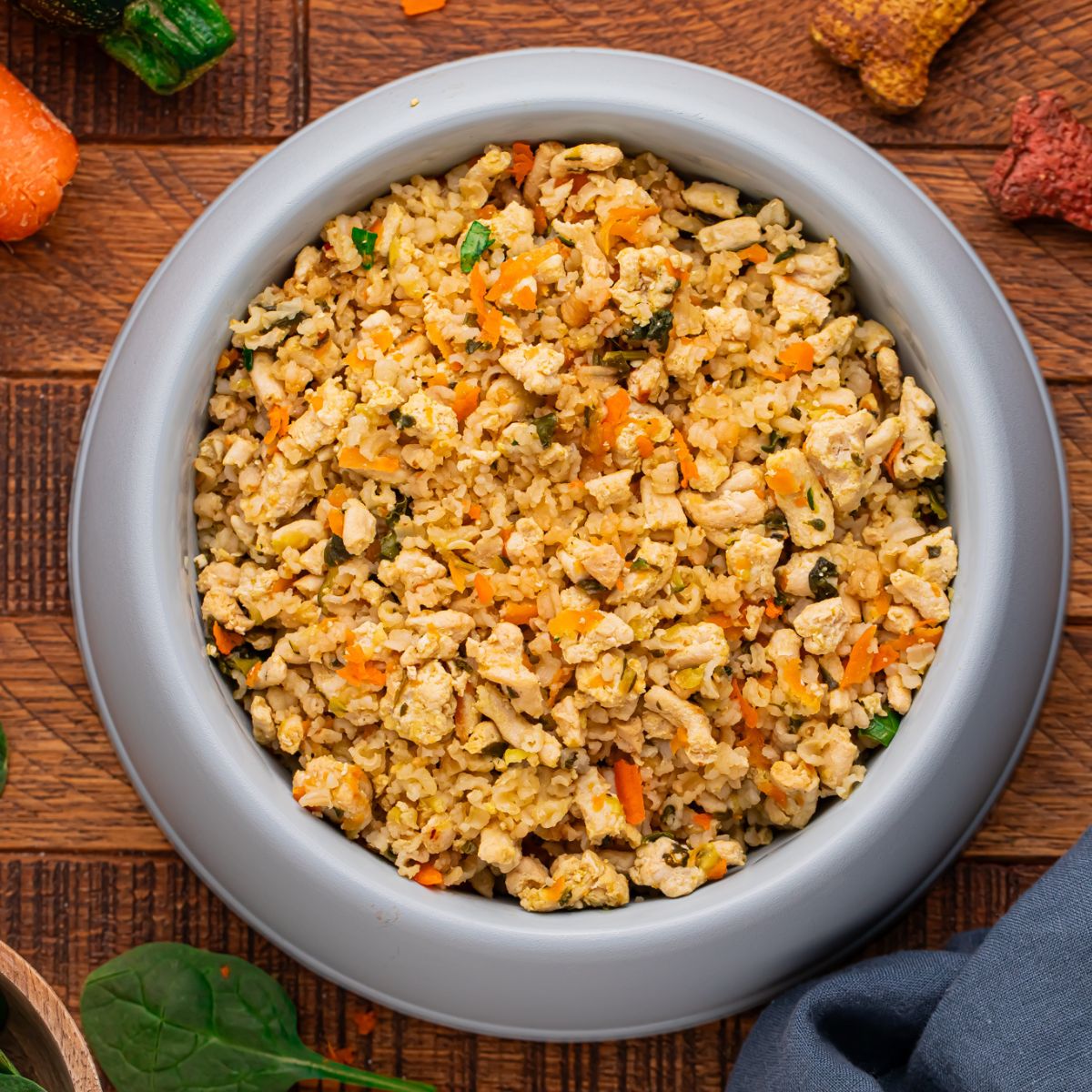
Credit: myincrediblerecipes.com
Frequently Asked Questions
What Ingredients Are Best For Homemade Dog Food?
High-quality protein like chicken, beef, or fish is essential. Add vegetables like carrots, peas, and spinach. Include grains such as rice or oats for energy. Avoid onions, garlic, and toxic foods. Balance nutrition by consulting your vet before changing your dog’s diet.
How Do I Ensure Homemade Dog Food Is Balanced?
Include proteins, carbohydrates, fats, vitamins, and minerals in each meal. Use a vet-approved recipe or supplement to prevent deficiencies. Rotate ingredients to cover various nutrients. Regularly monitor your dog’s health and adjust portions accordingly for a balanced diet.
Can Homemade Dog Food Improve My Dog’s Health?
Yes, homemade food can improve digestion, skin, and coat health. Fresh ingredients provide better nutrient absorption. Avoid fillers and artificial additives found in commercial dog foods. Always ensure meals are nutritionally balanced to see the best health benefits.
How Often Should I Feed My Dog Homemade Food?
Feed adult dogs twice daily, morning and evening. Puppies may need three to four meals daily. Portion sizes depend on your dog’s size, age, and activity level. Consistency in feeding times helps maintain digestion and energy levels.
Conclusion
Making homemade dog food can be healthy and simple. It lets you control what your dog eats every day. Fresh ingredients give your pet good energy and nutrition. Preparing meals at home shows your love and care. Always check with your vet to keep meals balanced.
Start with easy recipes and watch your dog enjoy. Homemade food can help your dog feel strong and happy. Try it today and see the difference yourself.
