
Choosing the right wet dog food can feel overwhelming, especially when you want the best for both your adult dog and your playful puppy. You want something that keeps your furry friends healthy, happy, and full of energy.
But how do you know which wet dog food is safe and nutritious for both? You’ll discover clear, simple answers to help you make the best choice for your dogs. Keep reading—you’re about to learn what really matters when picking wet dog food that works for all ages.
Credit: www.purina.com
Wet Dog Food Basics
Choosing the right wet dog food for both adults and puppies can feel overwhelming. Understanding the basics helps you make smart choices that support your dog’s health at every life stage. Let’s break down what you need to know about wet dog food so you can confidently pick options that work for your furry friend.
Key Ingredients To Look For
Look for high-quality protein sources like chicken, beef, or fish listed as the first ingredient. Proteins provide the building blocks for strong muscles and overall health.
Healthy fats such as omega-3 and omega-6 fatty acids support a shiny coat and brain function. Avoid foods with fillers like corn, wheat, or soy that offer little nutritional value.
Essential vitamins and minerals like calcium, phosphorus, and antioxidants keep your dog’s immune system and bones strong. Check ingredient lists carefully and choose foods with named, natural ingredients rather than vague terms like “meat by-products.”
Nutritional Needs For Adults Vs Puppies
Puppies need more calories, protein, and fat to fuel their rapid growth and high energy levels. Their food should also have DHA, an important fatty acid for brain and eye development.
Adult dogs require balanced nutrition that maintains their weight and supports overall health without excess calories. Too much fat or protein can lead to weight gain or kidney strain in adult dogs.
Think about your dog’s life stage and activity level when choosing wet food. Feeding a puppy adult dog food or vice versa can cause nutritional gaps or excesses. Have you checked your dog’s food label to see if it’s tailored for their age?
Benefits Of Wet Food
Wet dog food often contains higher moisture content, which helps keep your dog hydrated, especially if they don’t drink enough water. This can reduce the risk of urinary tract issues.
The texture and aroma of wet food can be more appealing to picky eaters or dogs with dental problems. It also tends to be easier to chew, making mealtime more enjoyable.
Wet food can provide a variety of flavors and ingredients, making it easier to introduce new nutrients. Have you noticed how your dog reacts differently to wet versus dry food? Their preferences might guide you toward the best option.
Safe Wet Food Brands For Adult Dogs
Choosing safe wet dog food brands for adult dogs is essential for their health. Good brands use quality ingredients and avoid harmful additives. They focus on balanced nutrition that supports energy, digestion, and coat health. These brands also cater to different dietary needs and sensitivities. Finding the right wet food helps your dog stay happy and strong.
High-quality Protein Sources
Proteins are vital for muscle and tissue repair. Safe wet foods use real meat, fish, or poultry as the main ingredient. Avoid foods with by-products or fillers. Top brands often list chicken, beef, lamb, or salmon first on the label. These proteins provide essential amino acids that support your dog’s growth and energy.
Grain-free Options
Grain-free wet foods suit dogs with grain allergies or sensitivities. They replace grains with vegetables and legumes for carbs and fiber. Brands offering grain-free recipes use sweet potatoes, peas, or lentils. These options help reduce digestive issues and keep your dog comfortable. Always check for balanced nutrition without grains.
Hypoallergenic Choices
Hypoallergenic wet foods help dogs with food allergies or skin problems. These formulas often use novel proteins like duck, venison, or rabbit. They avoid common allergens such as wheat, soy, and dairy. Safe brands test their products to reduce allergic reactions. Hypoallergenic food supports a healthy coat and better digestion.
Wet Food Options Suitable For Puppies
Choosing the right wet food for your puppy is a crucial part of their development journey. Puppies have unique dietary needs that differ from adult dogs, and selecting a suitable wet food can set the foundation for a healthy life. Let’s explore some key considerations and options when it comes to wet food that’s perfect for puppies.
Puppy-specific Nutrient Requirements
Puppies require a diet rich in protein, fat, and essential vitamins to support their rapid growth and development. Look for wet food options that list high-quality proteins as the first ingredient. Chicken, beef, or lamb are excellent choices.
Calcium and phosphorus are also crucial for strong bones and teeth. Ensure the food contains balanced levels of these minerals. Omega-3 fatty acids, often sourced from fish oil, can help with brain development and a shiny coat.
Top Brands For Growth And Development
- Royal Canin Puppy:Known for its breed-specific formulas, Royal Canin offers tailored nutrition that caters to the unique needs of different breeds.
- Hill’s Science Diet Puppy:Recommended by veterinarians, this brand focuses on balanced nutrition and natural ingredients.
- Blue Buffalo Puppy:Offers a variety of flavors with real meat and no artificial preservatives, ensuring a wholesome diet for your puppy.
These brands provide a range of options to suit your puppy’s taste and nutritional requirements. Don’t hesitate to experiment with flavors to see which one your puppy enjoys the most.
Transitioning From Milk To Wet Food
Transitioning your puppy from milk to wet food is a gradual process. Start by mixing a small amount of wet food with their usual milk to familiarize them with the new taste and texture.
Over the course of a week, gradually increase the amount of wet food while reducing the milk. This method helps prevent digestive issues and allows your puppy to adjust smoothly.
Observe your puppy’s reaction and adjust the transition pace if necessary. What strategies have you found successful when transitioning your puppy’s diet?
Remember, every puppy is unique. Pay attention to their preferences and any signs of food allergies or intolerances. Selecting the right wet food can make a significant difference in your puppy’s growth and health.

Credit: www.amazon.com
Wet Foods Safe For Both Adults And Puppies
Choosing wet dog food that suits both adults and puppies can simplify feeding time and ensure your pets get the nutrients they need. Not all wet foods are created equal, so it’s important to pick options designed to meet the nutritional demands of different life stages. Let’s look at some safe choices and practical tips for feeding both your adult dog and puppy with the same wet food.
Balanced Formulas For All Life Stages
Look for wet dog foods labeled “complete and balanced” for all life stages. These formulas contain the right mix of proteins, fats, vitamins, and minerals to support growth in puppies and maintain health in adults.
One brand I trust offers wet food with DHA for brain development, which benefits puppies, while also providing joint support for older dogs. Does your dog’s food include nutrients that support both growth and maintenance?
Popular Multi-stage Brands
- Hill’s Science Diet– Known for its carefully balanced recipes that cater to puppies and adult dogs.
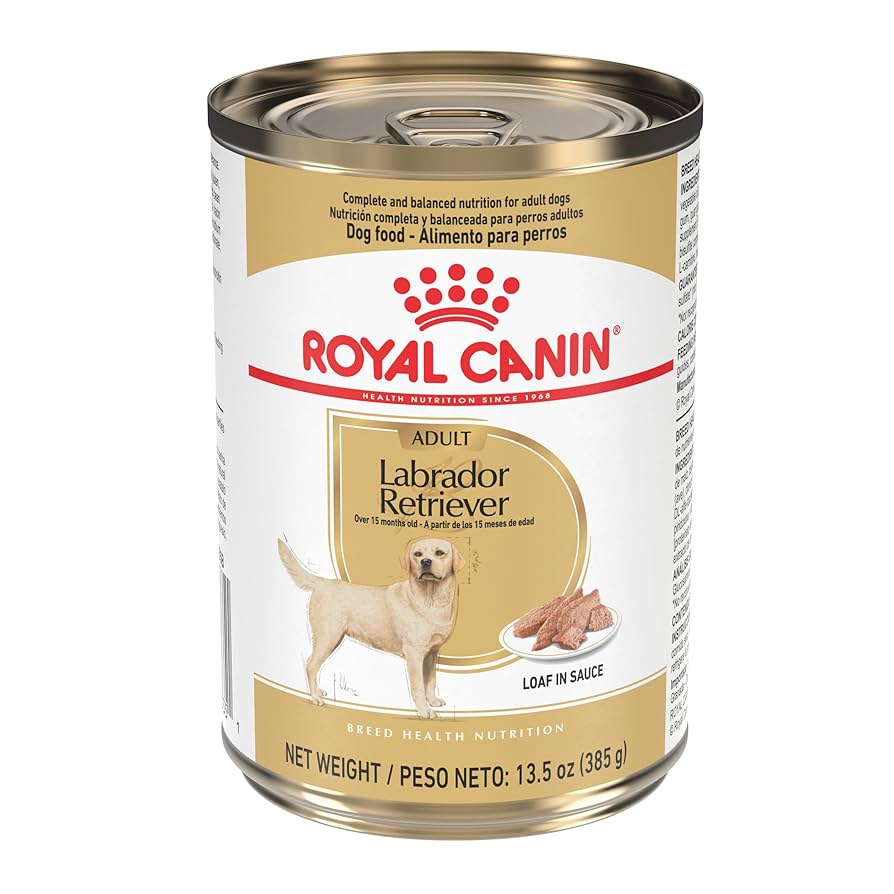
- Royal Canin– Offers wet food options designed for all life stages with targeted nutrition.
- Blue Buffalo– Their Life Protection Formula includes wet foods safe for both puppies and adult dogs.
These brands take the guesswork out of feeding multiple dogs by offering reliable, vetted products. Have you checked if your brand supports both life stages?
Feeding Guidelines
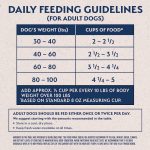
Always follow the feeding chart on the wet food packaging, adjusting portions based on your dog’s weight, age, and activity level.
Since puppies need more calories and nutrients per pound than adults, you might feed them slightly larger portions or supplement with puppy-specific food. Watch your pets’ weight and energy levels closely to avoid overfeeding or underfeeding.
What feeding routine works best for your household with dogs at different life stages?
Common Ingredients To Avoid
Choosing the right wet dog food for adults and puppies means knowing what ingredients to avoid. Some common ingredients can harm your dog’s health or cause allergies. Avoiding these helps keep your dog safe and happy.
Harmful Additives And Preservatives
Many wet dog foods contain additives to improve taste or shelf life. Some additives can be harmful to dogs over time.
- BHA and BHT – These preservatives can cause health problems in dogs.
- Sodium nitrate – Often used in processed meats, it can be toxic.
- Artificial colors and flavors – These offer no nutritional value and may cause allergies.
Toxic Foods For Dogs
Some foods are safe for humans but toxic to dogs. These should never be in dog food.
- Onions and garlic – Can damage red blood cells and cause anemia.
- Grapes and raisins – Can cause kidney failure.
- Chocolate – Contains theobromine, which is poisonous to dogs.
- Alcohol – Even small amounts can be dangerous.
Allergens And Sensitivities
Dogs can have food allergies or sensitivities just like people. Certain ingredients often cause reactions.
- Wheat and corn – Common allergens in dog food.
- Soy – May cause digestive issues or allergies.
- Dairy – Many dogs are lactose intolerant.
- Chicken or beef – Some dogs have sensitivities to these proteins.
Tips For Choosing The Right Wet Food
Choosing the right wet food is key for healthy adult dogs and puppies. The right choice supports growth, energy, and overall well-being. Several factors matter, such as ingredients, nutrition, and taste. Understanding these helps pick food that suits your dog’s needs.
Reading Labels Effectively
Check the ingredient list carefully. Look for real meat as the first ingredient. Avoid foods with too many fillers like corn or soy. Check for added vitamins and minerals. Make sure the food meets AAFCO standards for complete nutrition. Compare protein and fat content to your dog’s needs. Avoid artificial colors, flavors, and preservatives.
Consulting Your Veterinarian
Ask your vet for advice on wet food choices. Your dog’s age, size, and health affect the best option. Puppies need more calories and nutrients for growth. Adults need balanced nutrition for maintenance. Your vet may recommend special diets for allergies or health issues. Regular check-ups help adjust food as your dog grows.
Considering Your Dog’s Preferences
Observe what your dog likes to eat. Some prefer chunky textures, others smooth pâté. Try small samples before buying large packs. Watch for signs of allergies or digestive upset. Rotate flavors to keep your dog interested. Pay attention to how your dog’s energy and coat respond to the food.
Storing And Serving Wet Dog Food
Storing and serving wet dog food correctly is key to keeping your furry friend healthy and happy. Whether you’re feeding a playful puppy or a calm adult dog, handling the food with care ensures it stays nutritious and tasty. Let’s look at how you can manage wet dog food to avoid spoilage and maintain its quality.
Proper Storage Techniques
Wet dog food should be stored in a cool, dry place before opening. Once opened, transfer any leftover food to an airtight container rather than leaving it in the original can or pouch. This simple step helps prevent exposure to air and bacteria that can spoil the food quickly.
Refrigerate the container immediately after sealing. Most opened wet dog food lasts about 3 to 5 days in the fridge. If you notice a bad smell or change in texture, it’s better to discard it than risk your dog’s health.
Serving Sizes And Frequency
Serving sizes depend on your dog’s age, weight, and activity level. Puppies generally need more frequent meals—about three to four times daily—while adult dogs usually do well with two meals a day. Check the feeding guidelines on the packaging as a starting point, but adjust based on your dog’s appetite and energy needs.
It’s easy to overfeed with wet food due to its appealing smell and texture. Try measuring portions carefully and avoid free-feeding to keep your dog at a healthy weight. Have you noticed your dog begging for more even after finishing their bowl? That’s a good sign to reassess portion sizes.
Maintaining Freshness
Keeping wet dog food fresh is about more than just storage. Use clean utensils every time you scoop the food to prevent contamination. Avoid leaving uneaten portions out for more than 30 minutes, especially in warm weather, since bacteria multiply quickly.
If you’re feeding multiple dogs or mixing wet and dry food, serve fresh portions each time rather than topping off leftovers. Freshness impacts not just taste but also your dog’s digestion and overall health. Have you tried chilling the food slightly before serving? Some dogs enjoy the texture change, and it can slow bacterial growth.

Credit: www.tractorsupply.com
Frequently Asked Questions
What Wet Dog Food Suits Both Adults And Puppies?
Wet dog food labeled for all life stages suits both adults and puppies. It meets nutritional needs for growth and maintenance.
Can Puppies Eat Adult Wet Dog Food Safely?
Puppies can eat adult wet dog food temporarily, but it may lack essential nutrients for growth. Puppy-specific formulas are best.
How To Choose Wet Dog Food For All Ages?
Look for wet dog food marked “all life stages. ” Check for balanced protein, fat, and essential nutrients suitable for puppies and adults.
Is Wet Dog Food Better Than Dry For Puppies?
Wet dog food is easier to chew and more hydrating for puppies. It also tends to be more palatable than dry food.
Conclusion
Choosing the right wet dog food supports healthy growth and strong adults. Balanced ingredients help puppies develop well and keep adult dogs fit. Quality wet food meets their nutritional needs and tastes good. Always check labels for safe, natural components suitable for all ages.
Feeding both puppies and adults properly leads to happy, active dogs. Simple, healthy meals make a big difference every day. Careful food choices keep your furry friends healthy and full of energy.