
You’ve just brought your puppy home, and now you’re wondering if you can switch to adult dog food after their neuter surgery. It’s a common question, and the answer isn’t as simple as you might think.
What you feed your puppy during this important time can affect their health, growth, and recovery. If you want to make sure your furry friend stays happy and strong, keep reading—because the right nutrition after neutering can make all the difference.
Puppy Nutrition Needs
Puppy nutrition needs differ greatly from adult dogs. Puppies grow fast and need special care in their diet. Their food supports strong bones, muscles, and brain development. Proper nutrition helps prevent health problems later. After neutering, puppies still require nutrients for growth and healing. Feeding adult dog food too early can miss key vitamins and minerals for puppies.
Growth Requirements
Puppies need nutrients that support rapid growth. Calcium and phosphorus help build strong bones and teeth. Vitamins like A and D support healthy skin and eyesight. Puppies require a balanced mix of fats and carbohydrates for brain and body growth. Their food must meet these needs until they reach full size. Feeding adult food may lack these important nutrients for growing puppies.
Energy And Protein Levels
Puppies burn more energy than adult dogs. They need higher calories to fuel play and development. Protein is crucial for muscle growth and repair. Puppy food contains more protein and fat compared to adult formulas. This helps meet their energy demands and supports strong muscles. Adult dog food often has lower protein and fat, which may slow puppy growth.
Credit: www.doggyji.com
Impact Of Neutering On Puppies
Neutering can change many things in a puppy’s body and behavior. These changes affect how your puppy uses energy and eats. Understanding these effects helps in choosing the right food after neutering.
Metabolism Changes
Neutering slows down a puppy’s metabolism. This means the body burns fewer calories than before. The puppy may need less energy to stay healthy and active. Without adjusting food, weight gain can happen quickly. Feeding adult dog food without considering these changes might cause extra weight.
Appetite And Activity Shifts
Neutered puppies often feel hungrier than before. Their appetite can increase, making them want to eat more. At the same time, they may become less active. Less movement and more eating can lead to extra fat. Careful feeding and exercise help keep the puppy fit and healthy.
Differences Between Puppy And Adult Dog Food
Puppy food has more nutrients to support growth, while adult dog food focuses on maintenance. After neutering, puppies still need nutrient-rich food, so adult dog food may not be enough. Feeding the right diet helps keep your puppy healthy and strong.
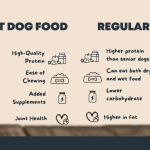
Differences Between Puppy and Adult Dog Food Understanding the differences between puppy and adult dog food is crucial. Puppies have specific dietary needs that differ from adult dogs. Their growth and energy requirements demand tailored nutrition.Nutritional Content
Puppy food contains higher protein levels. This supports muscle and tissue development. Essential fatty acids like DHA are also present. They aid brain and vision development. Vitamins and minerals are in greater concentration. They support a robust immune system. Adult dog food often lacks these elevated levels. It focuses more on maintaining health rather than growth.Portion Sizes
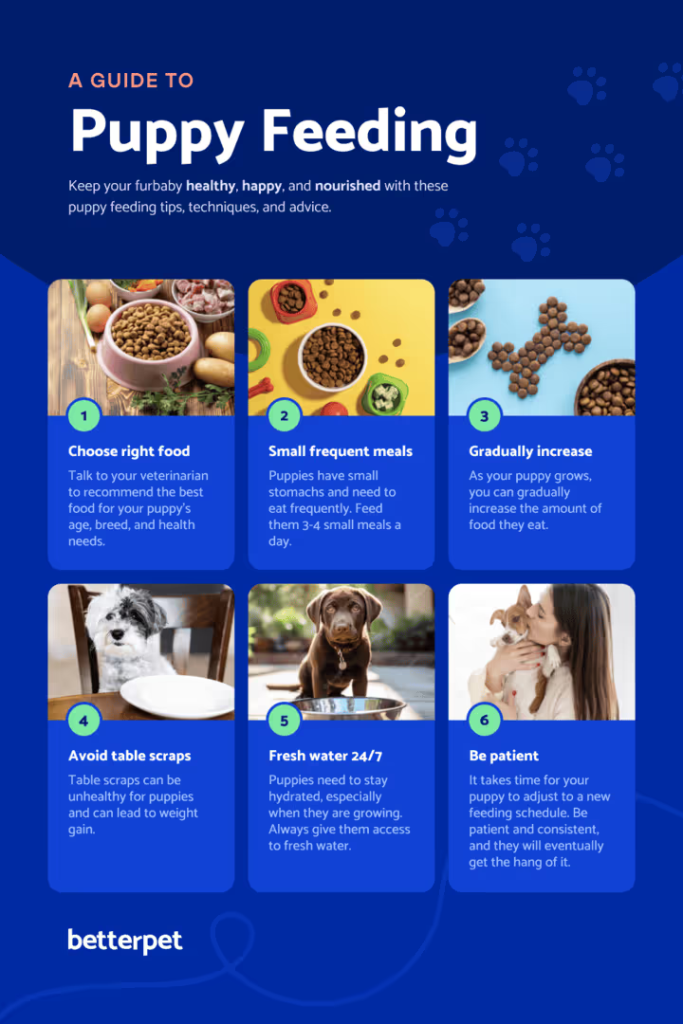
Portion sizes differ significantly between puppies and adults. Puppies eat more frequently. Their meals are smaller but more frequent. This supports their rapid growth and high energy. Adult dogs eat less often. Their portions are generally larger but less frequent. Adjusting meal sizes is vital post-neutering. It helps maintain a healthy weight.When To Transition To Adult Food
Knowing the right time to switch your puppy to adult dog food is important. The transition supports healthy growth and keeps your dog strong. After neutering, your puppy’s metabolism may slow down. This change can affect their dietary needs. Feeding adult food too early or too late can cause health problems. Watch your puppy closely to find the best time for this change.
Age Guidelines
Puppies usually need adult food between 9 and 12 months old. Small breeds may switch closer to 9 months. Larger breeds often need puppy food longer, up to 12 months or more. Neutering does not change these age ranges much. Use age as a general rule, but also look at your puppy’s size and energy. Consult your vet to confirm the best timing based on your puppy’s breed and health.
Signs Your Puppy Is Ready
- Your puppy’s growth rate slows down.
- They are reaching their adult size.
- Energy levels become more steady, not hyperactive.
- Coat and teeth look healthy and strong.
- Your vet approves the food change.
Observe your puppy’s behavior and body condition. A healthy, balanced diet helps avoid weight gain after neutering. Start the transition gradually to avoid upset stomachs. Mix increasing amounts of adult food with puppy food over 7 to 10 days. This slow change helps your puppy adapt comfortably.
Risks Of Early Transition
Switching your puppy to adult dog food right after neutering might seem like a simple choice, but it carries several risks that can impact your puppy’s health and development. The timing of this transition is important, as puppies have different nutritional needs compared to adult dogs. Rushing this change can lead to problems that affect their growth and overall wellbeing.
Nutritional Deficiencies
Puppy food is specially made to support rapid growth and development with higher levels of protein, fat, and essential vitamins. Adult dog food usually has lower levels of these nutrients, which means your puppy might not get enough fuel for healthy body and brain growth.
Feeding adult food too early can cause gaps in nutrition, leading to weak muscles, dull coats, or even immune system issues. Have you noticed your puppy seeming less energetic or slow to recover after playtime? It could be a sign of inadequate nutrition.
Growth Concerns
Neutered puppies already experience changes in metabolism and hormone levels that affect how they grow. Feeding adult food too soon might not provide the right balance to support their bones and joints during this critical phase.
Without the right nutrients, puppies can develop skeletal problems or gain unhealthy weight, which can cause long-term joint stress. Are you willing to risk your puppy’s healthy development just to save time on switching foods?
Credit: www.dogster.com
Feeding Tips After Neutering
After neutering, your puppy’s body changes. Their metabolism slows down. This affects how they use energy from food. Feeding your puppy right now helps keep them healthy and at a good weight. Careful feeding supports recovery and growth.
Adjusting Calorie Intake
Neutered puppies need fewer calories than before. Their energy needs drop after surgery. Overfeeding can lead to weight gain. Watch their weight closely and reduce portion sizes. Feeding smaller meals more often helps control hunger. Consult your vet for exact calorie needs.
Balanced Diet Choices
Choose food rich in protein and low in fat. Protein helps muscle repair and growth. Fat should be limited to avoid extra calories. Include essential vitamins and minerals for healing. Avoid adult dog food unless your vet agrees. Puppy formulas support their special growth needs. Fresh water must always be available.
Consulting Your Veterinarian
Consulting your veterinarian is essential after your puppy’s neuter surgery. They offer expert advice tailored to your puppy’s unique needs. Your vet can help decide the right food type and amount. This ensures your puppy stays healthy and grows well during recovery.
Personalized Feeding Plans
Your vet creates a feeding plan based on your puppy’s age, weight, and activity level. Puppies need different nutrients than adult dogs. Neutering can slow metabolism, changing dietary needs. A personalized plan helps avoid overfeeding or underfeeding. Your vet may suggest a gradual shift to adult food or continue puppy food longer.
Monitoring Health And Weight
Regular check-ups help track your puppy’s weight and health. Your vet watches for signs of weight gain or loss. Neutered puppies may gain weight quickly if overfed. Adjusting food portions keeps your puppy fit and active. Monitoring helps spot health problems early. Your vet guides changes in diet to maintain ideal weight.
Credit: www.aspca.org
Frequently Asked Questions
Can I Feed My Puppy Adult Dog Food After Neutering?
You can switch to adult dog food after neutering, but do so gradually. Puppies have different nutritional needs, so consult your vet for the best timing and diet adjustments.
When Should I Transition My Puppy To Adult Food Post-neuter?
Typically, transition around 12 months or as advised by your vet. Neutering may slow metabolism, so adjust food type and quantity accordingly to prevent weight gain.
Does Adult Dog Food Meet A Neutered Puppy’s Nutritional Needs?
Adult dog food may lack certain nutrients puppies need for growth. After neutering, focus on balanced nutrition that supports energy levels and weight management, with vet guidance.
How To Prevent Weight Gain Feeding Adult Food After Neutering?
Monitor your puppy’s weight closely. Feed measured portions of high-quality adult dog food and increase exercise. Neutered puppies often need fewer calories to stay healthy.
Conclusion
Feeding your puppy adult dog food right after neutering is not ideal. Puppies need special nutrients to grow strong and healthy. Adult food lacks some of these important nutrients. Wait until your puppy is older before switching foods. Always ask your vet for the best feeding advice.
Keep your puppy’s diet balanced to support healing and growth. Proper nutrition helps your dog stay happy and active. Choose food based on age, size, and health needs. Careful feeding makes a big difference in your puppy’s life.