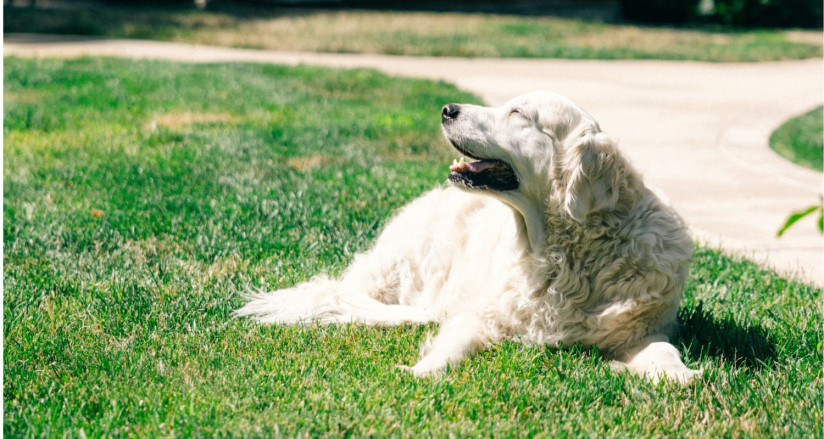

Have you ever wondered what truly makes your dog happy? Understanding happy dog behavior is the key to building a stronger bond with your furry friend.
When your dog feels content, you’ll notice it in their actions, expressions, and energy. You’ll discover simple signs that show your dog’s happiness and learn how to encourage these behaviors every day. By paying attention to your dog’s mood, you can create a joyful environment that benefits both of you.
Keep reading to unlock the secrets of a happy, healthy dog and make your time together even more rewarding.
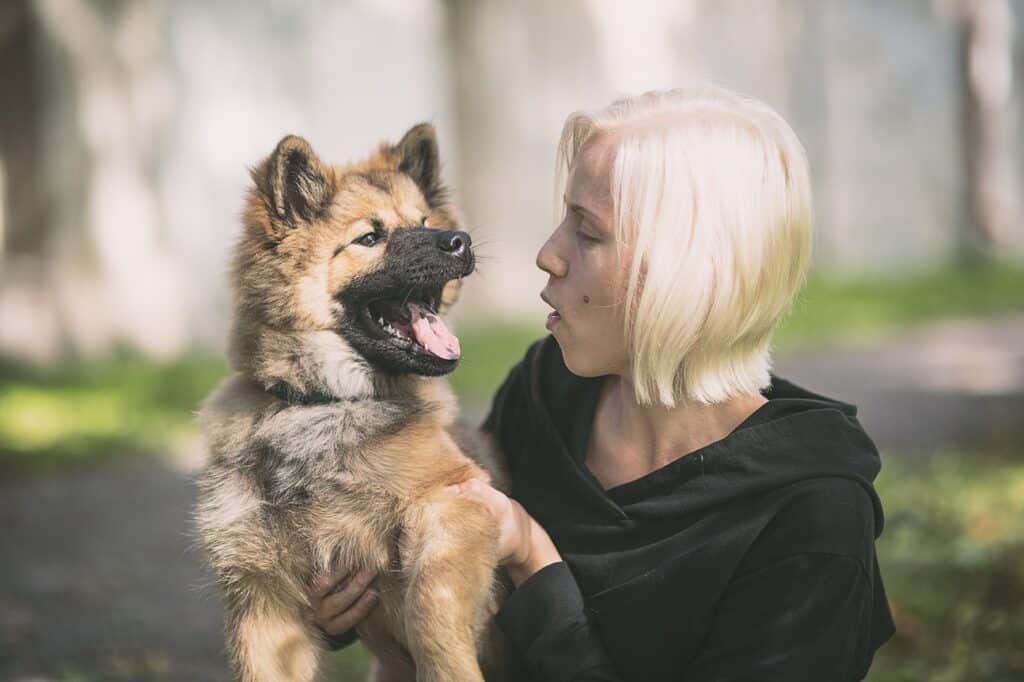
Credit: www.oneminddogs.com
Body Language Clues
Understanding your dog’s body language is key to knowing when they’re truly happy. Dogs communicate a lot through their posture, facial expressions, and tail movements. Recognizing these clues helps you respond better and strengthen your bond.
Tail Wagging Styles
Not all tail wags mean the same thing. A broad, sweeping wag usually signals excitement and friendliness. However, a slow wag with the tail held low might mean your dog is unsure or cautious.
Have you noticed your dog’s tail wagging more to one side? Research shows wagging more to the right can indicate positive feelings, while wagging more to the left might suggest anxiety. Paying attention to these subtle differences helps you understand your dog’s mood instantly.
Relaxed Posture
A happy dog often has a loose and relaxed body. They might stretch out comfortably or stand with their weight evenly distributed. Stiffness or tense muscles can indicate stress or discomfort, even if your dog looks calm on the surface.
When your dog approaches you with a relaxed posture, it’s a sign they feel safe. Next time, notice how they move and hold themselves. It’s a silent way they tell you they enjoy your company.
Soft Eyes And Facial Expressions
Look at your dog’s eyes to gauge their happiness. Soft, blinking eyes or slow eye contact suggest trust and comfort. In contrast, wide eyes with whites showing can be a sign of fear or alertness.
Facial expressions like a slightly open mouth or relaxed lips often show contentment. Does your dog give you a gentle “smile” when they’re happy? That subtle expression is their way of sharing joy with you.

Credit: www.dwdogtraining.com
Vocal Sounds Of Joy
Dogs express their happiness in many ways. One clear sign is through their vocal sounds. These joyful noises show their mood and help them connect with people and other dogs. Understanding these sounds helps you see when your dog feels good and safe.
Playful Barking
Playful barking is short and sharp. Dogs use it to invite others to play or join fun activities. This bark is lively but not aggressive. It often comes with wagging tails and bouncing movements.
Contented Whining
Contented whining is soft and gentle. Dogs make this sound when they want attention or feel comforted. It shows they are relaxed and happy to be near you. This whining is different from upset or scared whining.
Happy Howling
Happy howling is a long, drawn-out sound. Dogs howl to express joy or respond to sounds like music or sirens. This vocal is social and often happens in groups. It can bring dogs closer and create a sense of belonging.
Playful Actions
Dogs communicate their happiness and excitement through playful actions. These actions not only indicate a happy dog but also strengthen the bond between you and your furry friend. Understanding these behaviors can help you engage more effectively with your dog and ensure they lead a joyful life.
Inviting Play Bows
A play bow is one of the most recognizable signs of a happy dog. When a dog stretches its front legs forward and lowers its chest while keeping its rear end up, it’s inviting you or other dogs to play. This action is a clear signal that your dog is feeling jovial and wants to engage in some fun activities.
Next time you see your dog doing a play bow, consider it an open invitation to join in on the fun. You might try mimicking this gesture to show your dog you’re ready to play, building a playful rapport between you both.
Chasing And Fetching
Chasing and fetching are classic dog behaviors that signal happiness. Dogs love the thrill of the chase and the satisfaction of retrieving an object. This activity not only provides physical exercise but also stimulates their mind.
Have you ever thrown a ball for your dog and seen their eyes light up with excitement? This simple game can be a joyful bonding experience. Try varying the toys or objects you use to keep things exciting for your dog.
Joyful Zoomies
Zoomies, or frenetic random activity periods (FRAPs), are bursts of energy that often catch us by surprise. These are moments when your dog suddenly starts racing around the house or yard with glee. It’s a clear sign of a happy, healthy dog that feels comfortable and safe.
Embrace these moments of pure joy and watch as your dog expresses their happiness. Have you ever wondered what triggers these zoomies? Often, they occur after a bath or when your dog is feeling extra playful. Next time your dog has a case of the zoomies, stand back and enjoy the show!
Social Behaviors
Understanding your dog’s social behaviors can deepen the bond you share. Dogs express happiness through their interactions with you and others around them. Recognizing these signs helps you respond better to your pet’s needs and makes your time together more joyful.
Seeking Affection
Happy dogs often seek affection by nudging you with their nose or resting their head on your lap. This gentle behavior shows trust and a desire for connection. You might notice your dog following you from room to room, wanting to stay close and feel secure.
Have you ever caught your dog leaning against you after a long day? That simple act is their way of saying they feel comforted and loved in your presence.
Friendly Greetings
A joyful dog greets you with enthusiasm, wagging tails, and bright eyes. Their welcome might include playful jumps or soft licks, signaling their excitement to see you. These greetings are more than just routine—they reflect genuine happiness and social engagement.
Try observing how your dog’s greeting changes when you come home after a trip. Does the energy spike? That difference reveals how much they value your return.
Comfort Around Family
When your dog feels comfortable around family members, they relax their body and maintain calm eye contact. This ease shows they trust the people in their environment and feel safe. You might spot your dog sleeping near family members or resting quietly during gatherings.
Think about your dog’s behavior during busy family events. Do they join in or seek quiet corners? Both responses can indicate their level of comfort and social preferences.
Eating And Sleeping Habits
Eating and sleeping habits reveal a lot about your dog’s overall happiness and health. Watching how your dog approaches meals and rest can give you clues about their well-being. When these habits are steady and positive, it often means your dog feels secure and content in their environment.
Good Appetite
A happy dog usually shows eagerness at mealtime. They won’t just eat out of necessity but seem excited about their food. If your dog consistently finishes their meals, it’s a sign they feel well and satisfied.
Have you noticed your dog sniffing around their bowl or wagging their tail before eating? That’s a clear signal they enjoy their food. If appetite suddenly drops, it might be worth checking for health issues or stress factors.
Relaxed Sleeping Positions
Look at how your dog sleeps. Happy dogs often choose comfortable and relaxed positions, like lying on their side with legs stretched out. These poses show they feel safe and unthreatened in their surroundings.
Dogs that curl tightly or stay alert even while resting might be experiencing discomfort or anxiety. Try observing your dog’s sleep habits over time to spot changes that could indicate stress or health problems.
Steady Energy Levels
Balanced eating and sleeping habits lead to steady energy throughout the day. A happy dog will have bursts of playfulness but also know when to rest. If your dog seems lethargic or hyperactive, it might be a sign to evaluate their routine.
Does your dog eagerly join you for walks or playtime after a nap? That shows their energy levels are well managed. Think about how you can support this balance by maintaining consistent feeding times and a quiet, comfortable sleeping area.

Credit: www.companionanimalpsychology.com
Signs Of Emotional Well-being
Recognizing signs of emotional well-being in your dog is essential for nurturing a happy and balanced companion. These signs show how your dog handles everyday challenges and interacts with the world around them. Paying close attention to these behaviors can help you support your dog’s mental health effectively.
Calmness During Stress
A happy dog stays calm even in stressful situations. You might notice your dog sitting quietly during a thunderstorm or remaining composed when meeting new people. This calmness shows they feel safe and trust their environment.
Have you seen your dog avoiding frantic reactions during loud noises or sudden changes? If yes, it’s a clear indicator of emotional stability. Teaching your dog coping strategies, like deep breathing or gentle touch, can help maintain this calmness.
Quick Recovery From Upset
Dogs with emotional well-being bounce back quickly after a negative event. If your dog gets startled or upset but soon returns to playfulness or relaxation, it means they handle stress well. This resilience is a sign of a healthy emotional state.
Think about the last time your dog faced something scary. Did they hide for hours, or did they come back to you looking for comfort? Encouraging positive experiences after upsetting moments can strengthen their ability to recover fast.
Positive Reactions To Environment
Your dog’s response to their surroundings reveals much about their emotional health. A happy dog shows curiosity, wagging their tail when exploring new places or meeting other dogs. They express excitement without fear or aggression.
If your dog eagerly approaches new toys, smells, or people, it means they feel confident and secure. How often do you observe your dog’s joyful exploration? Supporting these positive reactions can improve their overall happiness.
Frequently Asked Questions
What Are Common Signs Of Happy Dog Behavior?
Happy dogs wag their tails, have relaxed bodies, and show bright eyes. They often play, seek attention, and have a soft mouth. These signs indicate comfort, joy, and trust in their environment and owner.
How Does A Happy Dog Behave Around People?
A happy dog approaches people with a relaxed posture, gentle eye contact, and friendly tail wagging. They may lick or nuzzle and show excitement without being overly jumpy or aggressive.
Why Is Tail Wagging Important In Dog Happiness?
Tail wagging signals a dog’s emotional state. A loose, wide wag usually shows happiness and friendliness. The speed and height of the wag can reveal excitement or contentment.
Can A Happy Dog Show Vocalizations?
Yes, happy dogs often bark softly, whine gently, or make playful growls. These sounds express excitement, attention-seeking, or joy during interactions or playtime.
Conclusion
Happy dogs show signs of joy every day. They wag their tails, play often, and rest well. Listening to your dog helps build trust and love. Simple care and attention keep dogs happy and healthy. Enjoy the special bond with your furry friend.
Happy dogs make homes full of warmth and fun. Keep learning about your dog’s needs and feelings. A joyful dog means a joyful life for all.