Have you noticed changes in your dog’s behavior as they grow older? Understanding elderly dog behavior is key to keeping your furry friend happy and comfortable.
As your dog ages, their actions and needs can shift in surprising ways. Knowing what to expect and how to respond can make a big difference in their quality of life. Keep reading to discover the signs to watch for and simple steps you can take to support your loyal companion through their golden years.
Credit: www.carecredit.com
Common Changes In Elderly Dogs
As your dog grows older, you might notice changes that signal their transition into their senior years. Recognizing these shifts helps you provide better care and comfort. Let’s look closely at what changes are common in elderly dogs, so you can spot them early and respond thoughtfully.
Physical Signs Of Aging
One of the first things you might see is a slowdown in your dog’s movement. Stiff joints or limping can indicate arthritis or general wear and tear.
Coat changes also happen—your dog’s fur may turn gray or thin, especially around the face. Teeth might wear down, leading to eating difficulties.
Have you noticed your dog sleeping more or struggling to jump onto the couch like before? These are physical signs telling you their body needs extra care.
Behavioral Shifts
Older dogs often show changes in mood or activity level. They might become less playful or more withdrawn from family interactions.
Some dogs develop new fears or anxieties, reacting differently to noises or strangers. Others might seek more attention and cling to you more than usual.
Ask yourself: Has your dog’s usual routine changed? Understanding these shifts helps you adjust your approach to their emotional needs.
Cognitive Decline Indicators
Senior dogs can experience confusion or forgetfulness similar to human dementia. They may get lost in familiar places or have trouble learning new commands.
Watch for disorientation, such as staring at walls or aimless pacing. Changes in sleep patterns or house training accidents can also signal cognitive decline.
Noticing these signs early allows you to consult your vet about treatments or lifestyle changes that can improve your dog’s quality of life.
Credit: www.dwdogtraining.com
Recognizing Pain And Discomfort
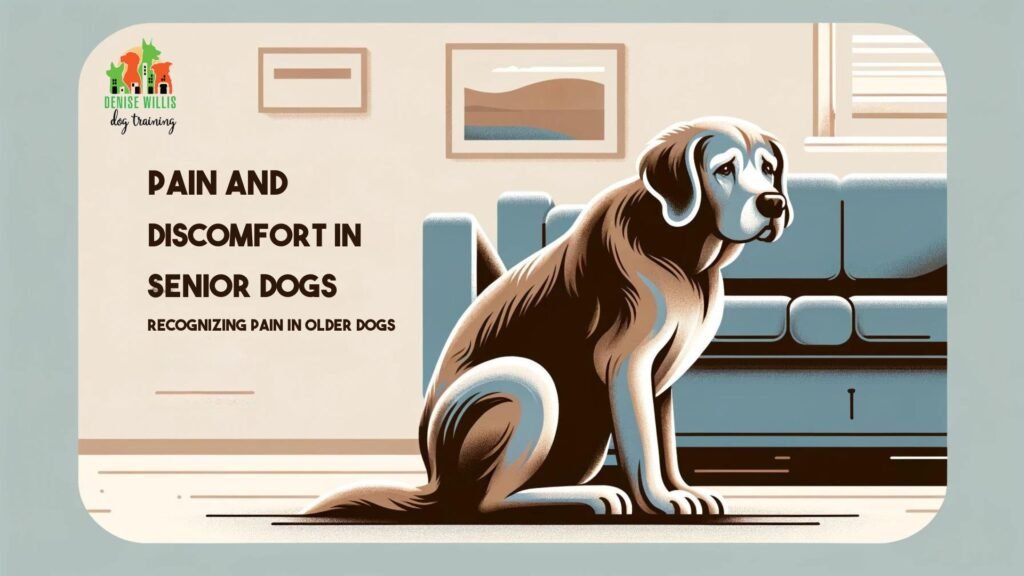
Recognizing pain and discomfort in your elderly dog can be challenging because they often hide their suffering. Unlike humans, dogs cannot tell you when something hurts, so you need to be attentive to subtle changes in their behavior. Paying close attention helps you provide timely care and improve their quality of life.
Subtle Signs Of Pain
Is your dog suddenly more irritable or withdrawn? These can be subtle signs that they are experiencing pain. You might notice them licking one spot excessively or avoiding being touched in certain areas.
Other signs include changes in breathing, such as shallow or rapid breaths, and unusual vocalizations like whining or growling. Even slight changes in their facial expressions, like squinting or furrowing their brow, can indicate discomfort.
Changes In Mobility
Have you observed your dog hesitating to climb stairs or jump onto furniture? Difficulty moving around can signal joint pain or arthritis. They might also limp or favor one leg without an obvious injury.
Watch for stiffness, especially after resting, and a slower pace during walks. These changes often develop gradually, so comparing their current activity level with past behavior helps you spot issues early.
Altered Eating Habits
Is your dog eating less or showing less interest in their favorite treats? Pain in the mouth, teeth, or jaw can make chewing uncomfortable. Sometimes, digestive discomfort or other health issues affect appetite as well.
Look for signs like dropping food, chewing on one side, or avoiding hard kibble. Changes in eating habits can provide important clues about your dog’s overall well-being and pain levels.
Adjusting Care For Senior Dogs
Senior dogs often show changes in behavior like confusion or less energy. Adjusting their care helps them stay comfortable and happy. Understanding these behaviors supports better health and companionship.
Adjusting Care for Senior Dogs As dogs age, their behavior and needs change, requiring a shift in how you care for them. Understanding these adjustments can improve their quality of life and ensure they’re comfortable in their golden years. Let’s explore some key areas where you can make a meaningful impact on your senior dog’s well-being.Diet And Nutrition Needs
Older dogs often need a diet that’s lower in calories but rich in nutrients. Consider foods specifically formulated for senior dogs, which can help manage weight and support joint health. Adding supplements like omega-3 fatty acids can also promote a shiny coat and reduce inflammation. It’s essential to monitor your dog’s eating habits. Sudden changes might indicate health issues that require veterinary attention. Regularly check their weight and adjust portions to prevent obesity, a common issue in senior dogs.Exercise Modifications
While your senior dog may not have the same energy as before, exercise remains crucial. Shorter, more frequent walks can help maintain their mobility without overexertion. Gentle play and mental stimulation activities like puzzle toys can also keep their minds sharp. Consider any physical limitations your dog may have. A friend of mine found success using ramps to help her elderly Labrador access the car more comfortably. This small change made outings less stressful for both of them.Regular Health Checkups
Regular veterinary visits become even more critical as your dog ages. These checkups can catch potential health issues early, allowing for more effective treatments. Ask your vet about senior-specific screenings for conditions like arthritis or heart disease. Stay alert to any changes in behavior or routine. If your dog starts to show signs of discomfort or unusual lethargy, it might be time for a checkup. Being proactive about health can add years to their life, ensuring they remain your loyal companion for as long as possible. Adjusting care for a senior dog requires attention and dedication, but the rewards are immense. By focusing on diet, exercise, and health, you can provide a happy, comfortable life for your aging pet. What small change can you make today to enhance your senior dog’s life?Creating A Comfortable Environment
Creating a comfortable environment for your elderly dog is essential to support their changing needs and ensure they feel safe and loved. As dogs age, their senses and physical abilities may decline, making it important to adjust their surroundings accordingly. Small changes can make a big difference in their daily comfort and overall happiness.
Safe And Cozy Spaces
Your dog needs a quiet, secure area where they can rest without interruptions. Choose a spot away from heavy foot traffic and loud noises. This helps reduce anxiety and gives them a place to retreat when they feel tired or overwhelmed.
Adding familiar toys or blankets can make the space feel more inviting. I noticed my own senior dog would go straight to her corner as soon as she felt tired, showing me how much she appreciated having a dedicated cozy nook.
Temperature And Bedding
Older dogs often struggle to regulate their body temperature. Keep their resting area warm, especially during colder months. A heated dog bed or extra blankets can provide soothing warmth for stiff joints and muscles.
Opt for orthopedic or memory foam beds to support aching hips and bones. These beds help reduce pressure points and improve sleep quality. Have you checked if your dog’s bed needs replacing recently? A worn-out bed might be causing unnecessary discomfort.
Minimizing Stress Triggers
Stress can worsen health issues in elderly dogs. Identify and remove triggers such as loud noises, sudden movements, or unfamiliar visitors. If you notice your dog reacting nervously, try to create calm routines and predictable environments.
Consider using calming aids like pheromone diffusers or soft music during stressful times. Your dog’s emotional well-being is just as crucial as their physical comfort. How do you currently help your dog stay calm during busy or noisy periods?
Mental Stimulation And Social Interaction
Keeping your elderly dog mentally active and socially engaged is crucial for their overall happiness and well-being. As dogs age, their cognitive functions can slow down, making mental stimulation and social interaction vital to maintain their quality of life. You might notice changes in their behavior, but with the right approach, you can help your senior companion stay sharp and connected.
Engaging Activities
Simple games like hide-and-seek with treats or puzzle toys can keep your dog’s mind busy. You don’t need complicated setups; even a basic scent game in the house encourages problem-solving.
Short, frequent sessions work better than long ones, especially if your dog tires easily. Have you tried swapping old toys for new challenges to see which sparks their interest more?
Maintaining Social Bonds
Older dogs still benefit from regular social interaction, but the pace and type of socializing might need adjusting. Gentle playdates with familiar dogs or quiet visits to a dog-friendly park can keep them socially active without overwhelming them.
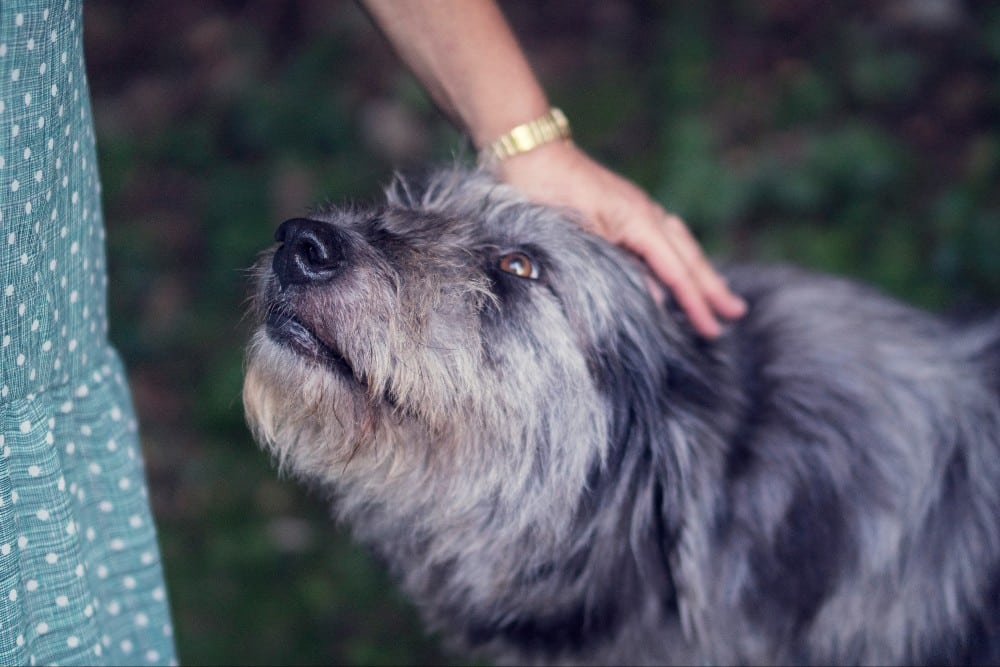
Sometimes, just sitting together and petting your dog can strengthen your bond and provide comfort. How often do you spend quiet time just connecting with your pet?
Training Adaptations
Training doesn’t have to stop as your dog ages; it just needs to be tailored to their abilities. Use positive reinforcement and shorter training sessions to keep them engaged without causing frustration.
Focus on commands that help with daily life, like gentle leash walking or basic obedience. What small training goals can you set today to support your dog’s independence?
Credit: www.thisdogslife.co
When To Seek Veterinary Help
Knowing when to seek veterinary help for your elderly dog can be challenging. Aging brings changes in behavior and health that might seem normal but could signal something serious. Being alert to these signs helps you act quickly and provide the best care for your furry companion.
Emergency Signs
Some changes in your elderly dog’s behavior require immediate veterinary attention. Sudden difficulty breathing, severe vomiting, or collapse are urgent signs you should never ignore. If your dog shows confusion, seizures, or uncontrollable bleeding, get help right away.
Have you noticed your dog struggling to stand or walk suddenly? This could indicate a stroke or spinal injury. Acting fast can save their life or reduce long-term damage.
Managing Chronic Conditions
Older dogs often develop chronic illnesses like arthritis, kidney disease, or diabetes. Regular vet visits help you monitor these conditions and adjust treatments as needed. Don’t wait for symptoms to worsen—early intervention can improve your dog’s quality of life.
Keep a journal of your dog’s daily behavior and symptoms. Sharing this with your vet makes managing chronic diseases more effective. You might discover patterns that suggest it’s time to change medication or diet.
End-of-life Considerations
Facing the final stages of your dog’s life is tough but important. Your vet can guide you on pain management and comfort care options. They can also help you recognize when your dog’s quality of life is declining beyond repair.
Ask yourself: Is your dog still enjoying walks, meals, and affection? If not, it may be time to discuss humane decisions with your vet. These conversations help you prepare emotionally and provide dignity for your pet.
Frequently Asked Questions
What Are Common Signs Of Elderly Dog Behavior Changes?
Elderly dogs often show slower movement, increased sleep, and reduced playfulness. They may also experience confusion or anxiety. Changes in appetite and bathroom habits are common. Monitoring these signs helps ensure timely veterinary care and comfort for your aging pet.
How Can I Support My Elderly Dog’s Behavior Needs?
Provide a calm environment, consistent routine, and gentle exercise. Adjust feeding schedules and choose age-appropriate food. Regular vet visits help detect health issues affecting behavior. Mental stimulation through toys or training supports cognitive health and reduces anxiety.
Why Does My Elderly Dog Become More Anxious?
Aging can affect a dog’s brain, causing confusion and anxiety. Sensory decline, like poor vision or hearing, increases stress. Pain from arthritis or illness also contributes. Creating a safe, quiet space helps reduce anxiety in senior dogs.
How Does Aging Affect A Dog’s Social Behavior?
Older dogs may become less social or more irritable due to discomfort or cognitive decline. They might prefer solitude or show less interest in play. Respect their space and encourage gentle interaction to maintain social bonds.
Conclusion
Caring for an elderly dog takes patience and love. Their behavior changes as they age. Some may slow down or need more rest. Others might become more anxious or need extra care. Watching these changes helps you support your dog better.
Small adjustments in their routine make a big difference. Keep giving them attention and gentle exercise. Celebrate the quiet moments together. Aging dogs still enjoy your company and care. Understanding their needs keeps your bond strong and happy.