

If you’ve recently neutered your dog, you might be wondering what changes to expect. You’re not alone—many dog owners notice shifts in behavior after this procedure.
Understanding these changes can help you support your furry friend better and strengthen your bond. You’ll discover the common behavior changes after neutering and learn how to handle them with ease. Keep reading to find out what’s normal and what you should watch for, so your dog stays happy and healthy.
Common Behavior Changes
Neutering your dog often leads to noticeable changes in behavior. These shifts can make daily life easier for you and create a calmer environment for your pet. Understanding these common behavior changes helps you set realistic expectations and better support your dog’s adjustment.
Reduced Aggression
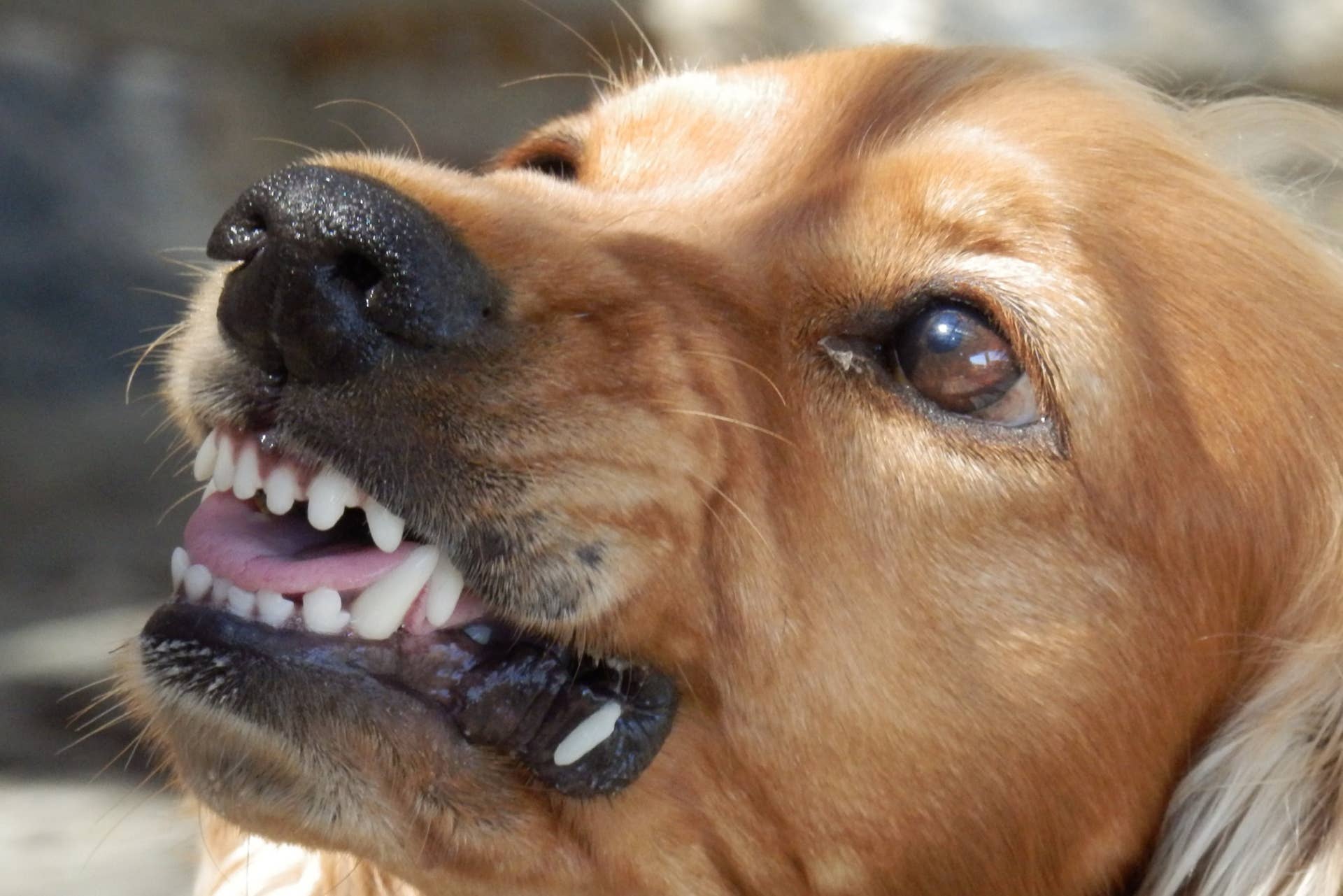
After neutering, many dogs show less aggressive behavior. This is especially true in males who previously displayed dominance or territorial aggression. If your dog used to growl or snap at other dogs or people, you might see a more relaxed attitude over time.
Have you noticed your dog calming down around new visitors or other pets? This change can make social outings less stressful and more enjoyable for both of you.
Decreased Marking
Neutering often reduces the urge to mark territory by urinating indoors or on objects. Dogs that marked frequently may start to do so less or stop altogether. This change can save you time cleaning and prevent damage to your home.
If your dog used to raise its leg on furniture or doorways, you might find these spots staying dry more often. How would a cleaner home affect your daily routine?
Lowered Roaming Tendencies
Unneutered dogs may roam far from home in search of mates. After neutering, this instinct often diminishes significantly. Your dog is more likely to stay close by, reducing the risk of getting lost or injured.
Does your dog usually bolt when the door opens? Neutering could help keep them safer and give you more peace of mind during walks and outdoor time.
Changes In Activity Levels
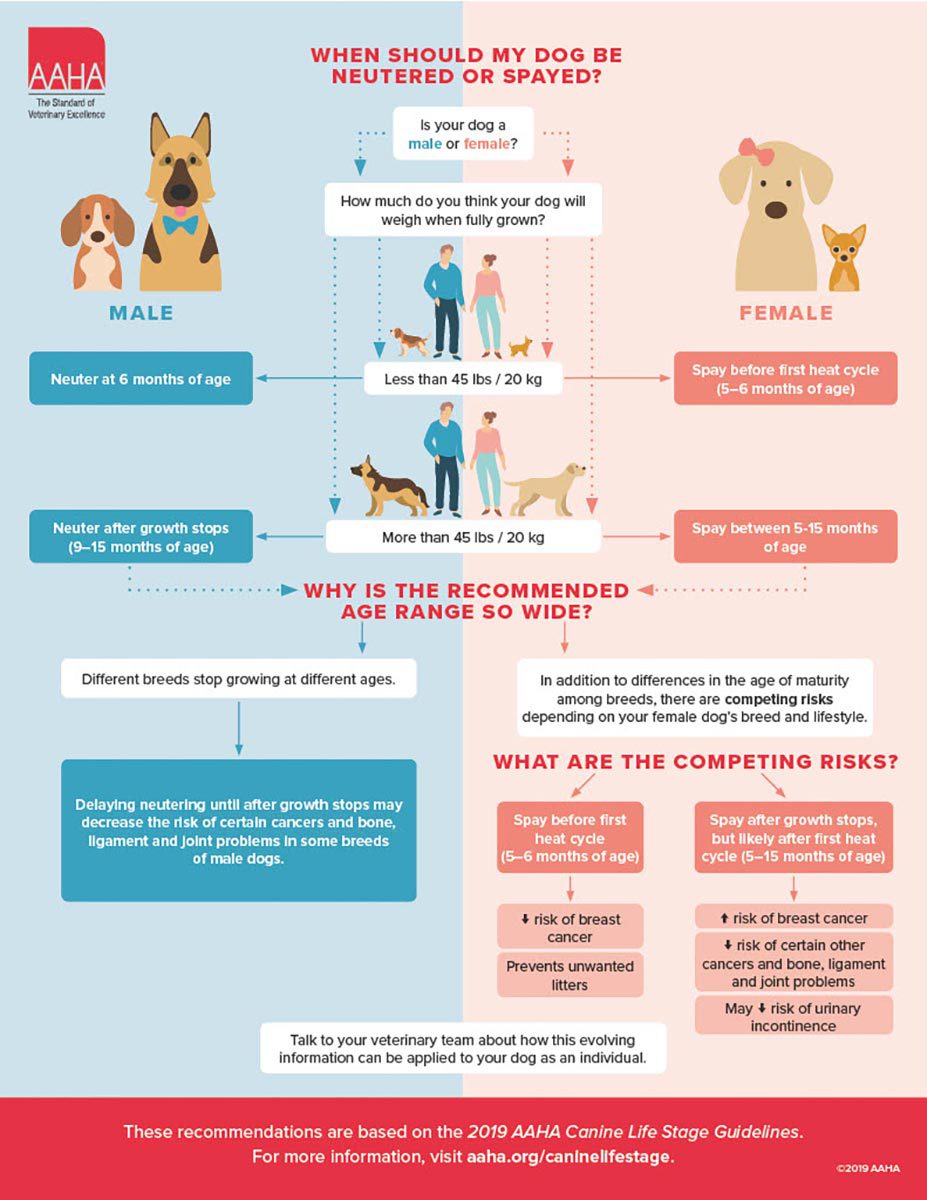
Neutering can lead to a decrease in overall activity and energy levels. Some dogs become more relaxed and less hyperactive. However, this doesn’t mean they will stop enjoying playtime or exercise.
You may need to adjust your dog’s exercise routine to match their new energy level. Have you considered what activities best keep your dog happy and healthy now?
Credit: southeastoakvillevet.ca
Hormonal Influence On Behavior
Hormones play a key role in shaping a dog’s behavior. Neutering changes hormone levels, especially sex hormones. These changes affect how dogs act and respond to their environment. Understanding the hormonal influence helps explain behavior shifts after neutering.
Role Of Testosterone
Testosterone is the main male hormone influencing dog behavior. It drives many natural instincts and actions. Neutering lowers testosterone levels significantly. This drop often leads to calmer and less aggressive behavior. Testosterone also affects dominance and territorial actions in dogs.
Impact On Sexual Behaviors
Sexual behaviors in dogs depend heavily on hormones. High testosterone triggers mating instincts and marking territory. After neutering, these behaviors often reduce or stop. Dogs usually show less interest in roaming or seeking mates. This can make pets easier to manage and safer at home.
Behavioral Benefits Of Neutering
Neutering your dog often leads to noticeable behavior changes that can make daily life easier for both of you. These changes go beyond health benefits and include improvements in how your dog reacts to situations, interacts with others, and focuses on tasks. Understanding these behavioral benefits helps you see why neutering might be a positive step for your pet’s overall well-being.
Calmer Temperament
After neutering, many dogs show a calmer attitude. This is because hormones like testosterone, which influence excitement and aggression, are reduced. You might notice your dog is less reactive to loud noises or other dogs, making walks and playtime more relaxing.
Have you observed your dog getting overly excited or anxious before? Neutering can help reduce this intensity, allowing you to enjoy quieter, more peaceful moments together.
Improved Focus
Neutered dogs often display better concentration during training or play. Without the distraction of mating instincts, your dog can pay more attention to commands and activities. This change can make teaching new tricks or following routines much smoother.
Try training your dog after neutering and see if they respond more quickly or stay engaged longer. This can be a game-changer for both obedience and bonding.
Reduced Dominance
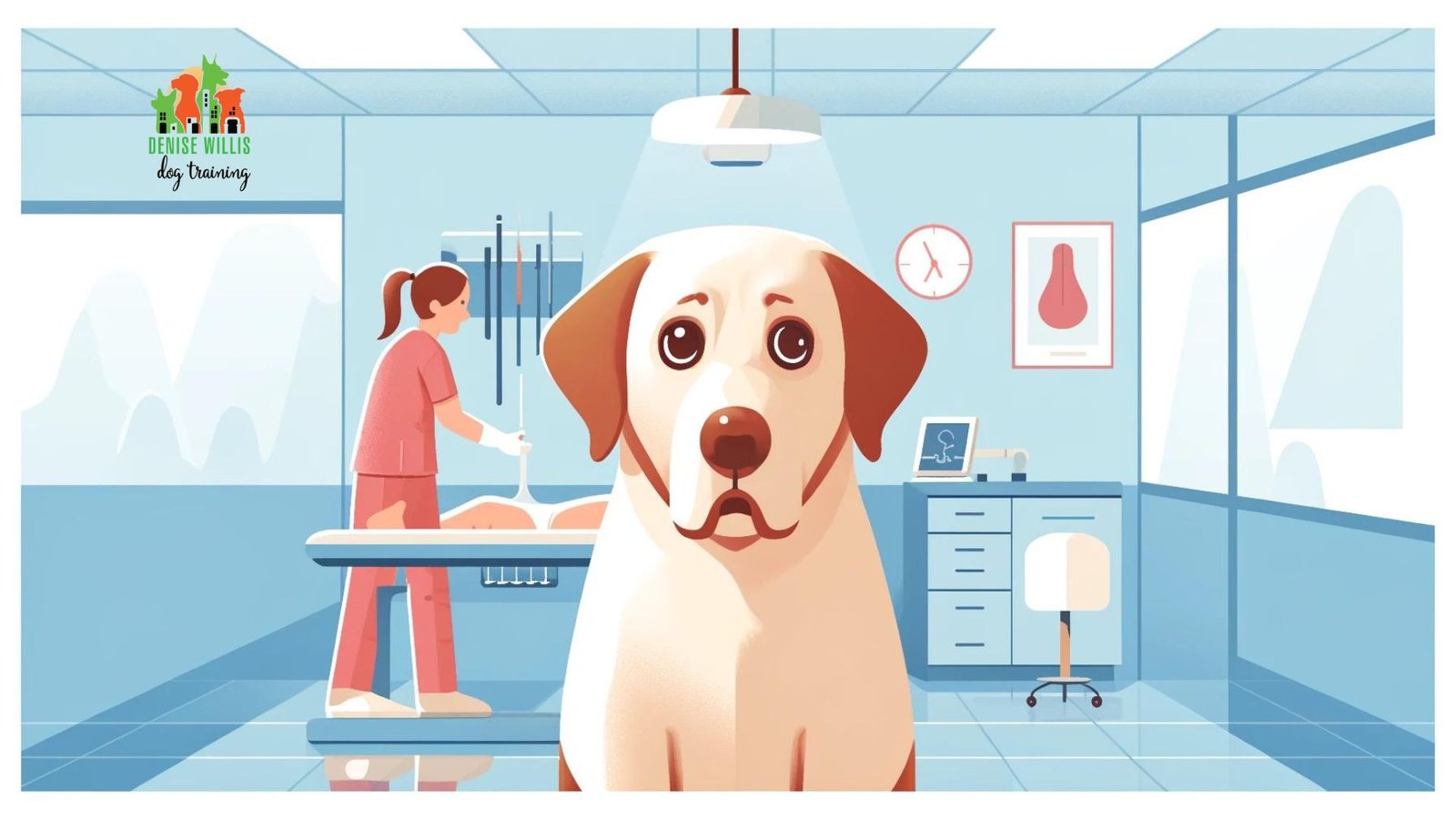
Dominant behavior, such as marking territory or trying to lead other dogs, tends to decrease after neutering. Your dog may become more social and less competitive, which improves interactions with other pets and people. This shift often leads to fewer conflicts and a more balanced household.
Think about how your dog behaves around others—does he try to control situations? Neutering could help ease these tendencies, making your dog easier to manage in group settings.
Credit: www.dwdogtraining.com
Potential Negative Effects
Neutering your dog can bring many benefits, but it’s important to be aware of some potential negative effects. These changes might affect your dog’s behavior and overall wellbeing. Understanding these risks helps you prepare and manage your dog’s health better after the procedure.
Weight Gain Risks
Neutered dogs often experience a slower metabolism. This means they burn fewer calories even if their eating habits stay the same. Without adjusting their diet or increasing activity, weight gain can quickly become a problem.
I once had a neutered dog who put on a lot of weight within months. We had to switch to a low-calorie diet and add more daily walks to keep him healthy. Are you ready to monitor your dog’s food intake closely after neutering?
Possible Anxiety
Some dogs show signs of increased anxiety after neutering. This can include behaviors like excessive barking, pacing, or clinginess. These changes may be due to hormonal shifts affecting their mood.
If your dog suddenly seems nervous or unsettled, consider calming techniques such as gentle petting or a quiet space. Have you noticed any mood changes in your dog after surgery? Observing these shifts early can help you provide comfort quickly.
Changes In Energy
Energy levels can drop following neutering. Your dog might seem less playful or slower during walks. This doesn’t mean they don’t want to be active, but their stamina may need some rebuilding.
Gradually increasing exercise helps restore energy without overdoing it. How do you balance rest and activity for your recovering dog? Finding this balance is key to a smooth transition post-neutering.
Timing And Age Considerations
Neutering a dog can lead to changes in behavior. Timing and age play a critical role in these changes. Knowing the right age to neuter helps manage expectations. It can also impact a dog’s health and behavior positively.
Early Vs. Late Neutering
Early neutering can happen as young as eight weeks. It may reduce aggression and marking behaviors. Puppies tend to recover quickly from surgery. Late neutering occurs after a dog reaches maturity. It may be suitable for certain health reasons. Older dogs might take longer to heal post-surgery.
Breed-specific Factors
Breed can influence the timing of neutering. Larger breeds may benefit from late neutering. It allows for full bone development. Smaller breeds might be neutered earlier. Each breed has unique health considerations. Consult a vet for breed-specific advice.
Credit: pethelpful.com
Post-neutering Care Tips
Neutering changes a dog’s body and mind. Caring well after surgery helps your dog heal fast. It also supports good behavior and health. Follow simple care tips to keep your dog safe and happy.
Monitoring Behavior
Watch your dog closely after neutering. Changes like tiredness, irritability, or restlessness can appear. Note if your dog shows pain or swelling. Keep track of appetite and bathroom habits. Early signs of problems need quick attention.
Adjusting Diet And Exercise
Your dog’s energy will drop after surgery. Reduce food amounts to avoid weight gain. Choose healthy, balanced meals that support healing. Limit exercise at first. Short, calm walks help recovery. Slowly increase activity as your dog feels better.
Veterinary Follow-ups
Visit the vet for check-ups after neutering. The vet checks the incision and overall health. Follow their advice on wound care and medication. Schedule any needed booster shots or tests. Regular follow-ups ensure full recovery and well-being.
Myths Vs. Facts
There are many stories and beliefs about how neutering affects a dog’s behavior. Some claim it changes everything overnight, while others warn it might cause problems. Sorting fact from fiction helps you make the best decision for your furry friend.
Neutering And Aggression
Many believe neutering will automatically stop aggressive behavior. The truth is, aggression has many causes beyond hormones. For example, a dog might show aggression due to fear or poor socialization, not just testosterone levels.
Neutering can reduce some types of aggression, especially those linked to mating instincts. But it won’t fix aggression caused by anxiety or lack of training. Have you noticed your dog’s behavior changing after neutering? It’s worth observing if aggression lessens or if other factors need addressing.
Behavioral Changes Myths
Some say neutering makes dogs lazy or fat. While metabolism may slow a bit, exercise and diet have a bigger impact. I’ve seen active dogs stay playful and energetic after neutering, proving activity levels depend more on lifestyle.
Others believe neutering causes loss of personality. That’s not true. Your dog’s unique traits remain; neutering just helps manage instincts. Think about your dog’s quirks—are they still there? Chances are, they are, just with fewer hormonally driven behaviors.
- Myth: Neutering causes drastic mood changes.
Fact:Changes are usually subtle and positive. - Myth: Neutered dogs stop being protective.
Fact:Protection comes from training and bond, not hormones. - Myth: Neutering always calms dogs down.
Fact:Results vary by individual temperament.
Frequently Asked Questions
How Does Neutering Affect Dog Behavior?
Neutering reduces hormone-driven behaviors like aggression and marking. Dogs often become calmer and less territorial. It also lowers the urge to roam in search of mates, promoting safer, more settled behavior.
When Do Behavior Changes Appear After Neutering?
Behavior changes usually appear within weeks to a few months after neutering. Hormonal adjustments take time, so patience is essential. Some dogs may show immediate calmness, while others adjust gradually.
Does Neutering Reduce Aggression In Dogs?
Yes, neutering often reduces aggression linked to male hormones. It helps calm territorial and dominant behaviors. However, training and socialization remain important to manage aggression effectively.
Can Neutering Impact A Dog’s Energy Levels?
Neutering typically lowers energy levels slightly. Dogs may become less hyperactive and more relaxed. Proper exercise and playtime should continue to maintain a healthy lifestyle.
Conclusion
Neutering can change a dog’s behavior in many ways. Some dogs become calmer and less aggressive. Others may show less marking or roaming. These changes help dogs feel safer and happier. Remember, each dog reacts in its own way. Patience and care help your dog adjust well.
Watch your dog closely after neutering. Support and love make a big difference. Understanding these changes helps you be a better pet owner. Your dog’s health and happiness matter most.

