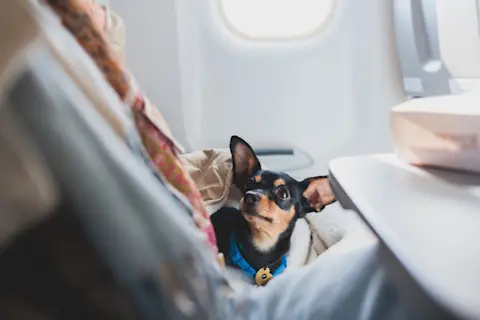

Are you thinking about flying with your dog but aren’t sure where to start? Traveling by plane with your furry friend can feel overwhelming.
You have questions—Can your dog sit with you? What rules do airlines have? How do you keep your pet calm in the air? This guide will answer all your biggest concerns and help you plan a smooth trip for both you and your dog.
Keep reading to discover everything you need to know before booking that flight.
Airline Pet Policies
Airline pet policies vary widely. Each airline sets its own rules for traveling with dogs. Knowing these rules helps avoid surprises at the airport. Policies cover carriers, dog breeds, sizes, and health papers. Airlines want to keep pets safe and passengers comfortable. Preparing ahead makes your trip smoother and less stressful for your dog.
Carrier Requirements
Airlines require specific carriers for pets. The carrier must be well-ventilated and secure. It should fit under the seat in front of you. Soft-sided carriers often work best. Hard carriers may be allowed for checked pets. Carriers must be leak-proof and large enough for your dog. Your pet should stand, turn, and lie down comfortably inside.
Breed And Size Restrictions
Many airlines restrict certain dog breeds. Brachycephalic breeds like pugs may face limits. These dogs have breathing problems on planes. Size also matters. Small dogs often travel in the cabin. Larger dogs usually fly in the cargo hold. Weight limits for cabin travel vary. Check the airline’s exact rules before booking.
Health Certificates
Most airlines require a health certificate for your dog. This certificate proves your pet is fit to fly. A vet must issue it within 10 days before travel. It should show vaccinations are up to date. Some airlines require additional documents for international flights. Always carry the original certificate and extra copies.

Credit: wamiz.co.uk
Booking Your Dog’s Flight
Booking your dog’s flight takes careful planning. It ensures your pet travels safely and comfortably. Small mistakes can cause stress for both you and your dog. Begin early to secure the best options. Consider your dog’s size, breed, and health. These factors affect how airlines handle pet travel.
Choosing Direct Flights
Direct flights reduce travel time and stress. Less time in the air means less discomfort for your dog. Avoid layovers to prevent missed connections or delays. Direct routes also lower the chance of your dog getting lost.
Check flight duration and airport policies. Shorter flights suit pets better. Make sure the airport allows easy pet handling.
Selecting Pet-friendly Airlines
Not all airlines treat pets the same. Some have strict rules about pet size and carrier types. Others offer special pet cabins or services.
- Research airlines with good pet travel reviews.
- Check their pet policies on websites.
- Note fees and required documents.
Choose airlines that prioritize pet comfort and safety. Confirm if your dog can fly in the cabin or must go in cargo.
Reservation Tips
Book early to reserve a spot for your dog. Airlines limit the number of pets per flight. Call the airline directly to add your dog to the reservation.
- Have your dog’s health records ready.
- Confirm the carrier meets airline size rules.
- Ask about temperature and weather restrictions.
Keep a copy of all confirmations. Arrive early at the airport for smooth check-in.
Preparing Your Dog
Preparing your dog for air travel means checking their health and comfort. Choose the right carrier and help your pet get used to it before the trip. Ensure all paperwork and vaccinations are up to date for smooth airport procedures.
Traveling with your dog on a plane can be a rewarding experience, but it requires thoughtful preparation. Ensuring your furry friend is comfortable and stress-free during the journey is paramount. Begin by preparing your dog well in advance to make the trip as smooth as possible.Familiarizing With The Carrier
Introduce your dog to the travel carrier several weeks before your trip. Place the carrier in a familiar area of your home, and encourage your dog to explore it by placing treats and toys inside. This gradual exposure helps reduce anxiety and makes the carrier a safe and welcoming space.Exercise Before Travel
A well-exercised dog is a calm dog. Engage in a long walk or a fun play session before heading to the airport. This will help burn off excess energy, making your dog more likely to relax during the flight.Feeding And Hydration
Timing is crucial when it comes to feeding your dog before a flight. Provide a light meal a few hours before departure to avoid any discomfort during the journey. Keep water available to prevent dehydration, but be mindful of overhydrating right before the flight to avoid frequent bathroom breaks. Preparing your dog for a flight involves more than just packing a bag. It’s about creating a comforting environment and addressing your pet’s needs. How will you ensure your dog feels secure on your next journey?Airport Procedures
Navigating airport procedures with your dog can feel overwhelming, but understanding what to expect helps ease the process. Each step, from check-in to waiting for your flight, has specific rules and tips that can make traveling smoother for both you and your pet.
Check-in Process
When you arrive at the airport, head to the airline’s check-in counter early. Airlines often require you to present your dog’s health documents and reservation details here. Some airlines allow online check-in for pets, but double-check to avoid surprises.
Have your dog’s carrier ready; it needs to meet size and ventilation requirements. Staff might inspect the carrier to ensure your pet’s comfort and safety. If you’re checking your dog as cargo, ask for detailed instructions to avoid last-minute confusion.
Security Screening
At security checkpoints, you’ll need to take your dog out of its carrier. You must carry your pet through the metal detector while the carrier goes on the X-ray belt. This can be tricky if your dog is nervous, so keep a firm but gentle grip.
Consider using a leash and harness for better control. It helps keep your dog calm and prevents sudden movements. If your dog is unusually anxious, notifying security staff beforehand can lead to more patient handling.
Waiting Areas
Finding a comfortable waiting spot is vital. Some airports have designated pet relief areas—use these to let your dog stretch and go to the bathroom before boarding. Carry portable water and a bowl to keep your dog hydrated while waiting.
Bring familiar toys or blankets to reduce your dog’s stress in busy terminals. Watch for signs of discomfort or overheating, especially in crowded or warm areas. Would you feel calm waiting in a loud, busy place? Your dog probably feels the same.
In-flight Tips
Traveling with your dog on a plane needs careful planning. The flight can be stressful for your pet. Use these tips to keep your dog calm and safe during the trip. Small efforts make a big difference in comfort and safety.
Comfort And Safety
- Choose a well-ventilated, sturdy carrier that fits airline rules.
- Place familiar blankets or toys inside the carrier.
- Ensure your dog wears a collar with ID tags.
- Keep the carrier under the seat in front of you for stability.
- Offer water before boarding and after landing to keep your dog hydrated.
- Dress your dog in a light layer if the cabin is cold.
Calming Techniques
- Practice short trips in the carrier before the flight.
- Speak softly to your dog to reduce anxiety.
- Use gentle petting to soothe your pet during boarding and takeoff.
- A mild chew toy can help distract your dog.
- Consider natural calming sprays or treats designed for dogs.
- Keep your voice calm and steady to reassure your dog.
Handling Emergencies
- Know the location of the nearest pet relief areas at the airport.
- Carry a small first aid kit for minor injuries or discomfort.
- Have your vet’s contact information handy in case of illness.
- Inform the flight crew about your pet and any special needs.
- Stay calm and act quickly if your dog shows signs of distress.
- Keep emergency numbers and documents easily accessible.
Post-flight Care
After your flight, your dog needs special attention to recover from the stress and physical toll of travel. Post-flight care is essential to help your pet adjust smoothly to the new environment and stay healthy. Paying close attention to their behavior and health right after landing can prevent complications and strengthen your bond.
Settling In
Once you arrive, create a calm and familiar space for your dog. Offer their favorite blanket or toy to provide comfort and a sense of security. Avoid overwhelming them with too many new sights or people right away; instead, give them quiet time to relax and adjust.
Try to maintain their regular feeding and bathroom schedule as soon as possible. This helps your dog feel more grounded and less anxious. You might notice they prefer resting more—allow that without pushing activity.
Signs Of Stress
Watch closely for any signs of stress or discomfort. Common indicators include excessive panting, pacing, trembling, whining, or refusal to eat. These behaviors mean your dog might be overwhelmed or unwell.
If your dog hides or refuses interaction, it’s a clear sign they need time to decompress. You may also see more subtle signs like yawning or lip licking, which can mean anxiety. How often do you check your pet’s mood after long journeys?
Health Checks
After the flight, a quick health check is crucial. Look at your dog’s eyes, nose, and gums for any unusual discharge or color changes. Check their breathing and movement to catch any signs of distress early.
If your dog shows signs of dehydration or sickness, such as vomiting or diarrhea, contact your vet immediately. Keep an eye out for lethargy or limping, which could indicate injury during travel. Carrying a basic pet first aid kit can be a lifesaver in these moments.
Alternative Travel Options
Traveling with your dog on a plane is not always simple. Many pet owners seek other ways to move their furry friends safely and comfortably. Alternative travel options give more control and reduce stress for pets and owners alike. These choices suit different needs and budgets, making travel easier and more enjoyable.
Pet Relocation Services
Pet relocation services handle your dog’s travel from start to finish. They arrange transport, paperwork, and care. Professionals ensure your dog travels safely, following all rules. This option suits long-distance moves or complex trips. It reduces stress on you and your dog. Trusted companies provide updates during the journey, so you stay informed.
Traveling By Car
Driving with your dog offers freedom and flexibility. You control the schedule and stops. Frequent breaks allow your dog to stretch and relieve themselves. Pack water, food, and comfort items for your pet. Use a secure crate or seatbelt harness for safety. Car travel suits short and medium distances well. It helps your dog feel calm in a familiar setting.
Using Pet-friendly Accommodations
Choosing pet-friendly accommodations makes travel easier. Many hotels and rentals welcome dogs with open arms. These places offer special amenities like dog beds or play areas. Staying in pet-friendly spots reduces your dog’s anxiety. Check the rules and fees before booking. This option allows you and your dog to relax and enjoy the trip together.

Credit: dogtrotting.net

Credit: www.youtube.com
Frequently Asked Questions
Can I Bring My Dog In The Airplane Cabin?
Yes, many airlines allow small dogs in the cabin. Your dog must fit in a carrier under the seat. Check airline policies for size and weight limits before booking.
What Documents Are Needed To Fly With A Dog?
You usually need a health certificate and vaccination records. Some airlines and destinations require additional paperwork. Always verify specific airline and country requirements in advance.
Are There Fees For Traveling With Dogs On Planes?
Most airlines charge a fee for pets traveling in-cabin or as cargo. Fees vary by airline and destination. Confirm the exact cost when booking your ticket.
How Should I Prepare My Dog For Air Travel?
Use a comfortable, airline-approved carrier and acclimate your dog to it beforehand. Avoid feeding your dog right before the flight to reduce nausea. Bring familiar items to comfort your pet during travel.
Conclusion
Traveling with your dog on a plane is possible with good planning. Know the airline rules before booking your ticket. Prepare your dog for the journey to keep them calm. Bring the right carrier and documents for smooth travel. Keep your pet’s comfort and safety as top priorities.
Flying with your dog can be a positive experience for both. Enjoy your trip together and create happy memories.