
Planning a road trip with your dog? It can be an exciting adventure, but also a bit challenging if you don’t prepare right.
You want your furry friend to be safe, comfortable, and happy during the ride. Imagine avoiding stressful moments, keeping your car clean, and making the journey smooth for both of you. You’ll find simple tips and tricks that make traveling with your dog in a car easier than you ever thought.
Keep reading to discover how to turn your trip into a fun and worry-free experience for you and your best friend.
Preparing Your Dog For The Trip
Preparing your dog for a car trip means more than just packing their favorite toys. It’s about making sure they’re comfortable, safe, and healthy throughout the journey. Taking the time to prepare can turn a stressful ride into a fun adventure for both of you.
Health Check And Vaccinations
Before hitting the road, schedule a vet visit to ensure your dog is fit for travel. Your vet can check for any underlying health issues that might cause problems during the trip.
Keep vaccinations up to date to protect your dog from diseases, especially if you plan to stop at parks or pet-friendly places. Ask your vet about any travel-specific vaccines or medications, like flea and tick prevention.
Familiarizing With The Car
Not all dogs are instantly comfortable in a car. Spend time letting your dog explore the vehicle while it’s parked. Open doors and windows, and encourage them to hop in and out.
Try short practice drives to get them used to the motion and sounds. Bring treats and praise to create positive associations. Have you noticed how your dog reacts when the engine starts? Their behavior can tell you what they need to feel more secure.
Packing Essentials For Your Dog
Think beyond just food and water. Pack a travel bag with your dog’s leash, waste bags, and a familiar blanket or bed to provide comfort. Bring their favorite toys to keep them entertained and calm.
Don’t forget a portable water bowl and enough fresh water to keep your dog hydrated. If your dog gets car sick, carry any medications recommended by your vet. Preparing these items ahead saves you from last-minute stress and keeps your dog happy on the road.
Car Safety Measures
Traveling with a dog in a car requires careful safety planning. Protecting your pet and yourself is the top priority. Simple safety measures reduce risks during the trip. These steps keep your dog secure and calm on the road.
Choosing The Right Restraint
Select a restraint that fits your dog’s size and weight. Options include seat belts, harnesses, crates, and barriers. Each restraint stops sudden movements during braking or accidents. Ensure the restraint is crash-tested for maximum protection. Avoid letting your dog roam freely inside the car. Loose pets can distract the driver or get injured.
Proper Placement In The Vehicle
Place your dog in the back seat for best safety. Front airbags can harm pets during collisions. Use a secured crate or harness attached to the seatbelt. Avoid placing your dog near open windows or doors. Keep the space comfortable with blankets or cushions. This helps your dog stay calm and reduces motion sickness.
Avoiding Distractions While Driving
Keep your focus on the road at all times. Do not try to hold or pet your dog while driving. Use a voice command or a safe stop to attend your pet’s needs. Prepare water, treats, and toys before starting the trip. A relaxed dog is less likely to cause distractions. Plan rest breaks to let your dog stretch and relieve stress.
Managing Comfort And Stress
Keeping your dog calm during car rides helps reduce stress for both of you. Bring familiar toys and take breaks for water and stretching. A comfortable space in the car makes the journey smoother and more enjoyable.
Managing Comfort and Stress Traveling with a dog in a car can be challenging. Ensuring your pet’s comfort and minimizing stress is vital. A calm dog makes the journey pleasant for everyone. Let’s explore how to manage comfort and stress effectively.Maintaining A Comfortable Temperature
Keep the car’s temperature moderate. Use air conditioning or open windows slightly. Avoid direct sunlight on your dog. Provide a sunshade or cover for added comfort. Regularly check your pet for signs of overheating.Using Calming Techniques
Use a favorite blanket or toy to soothe your dog. Play soft music to create a peaceful atmosphere. Consider pet-safe calming sprays or collars. Speak in a calm, reassuring voice throughout the journey.Planning Rest Stops And Exercise Breaks
Plan frequent stops for bathroom breaks. Schedule stops every two hours for exercise. Choose pet-friendly rest areas with open spaces. Allow your dog to stretch and play. Keep a leash handy for safety.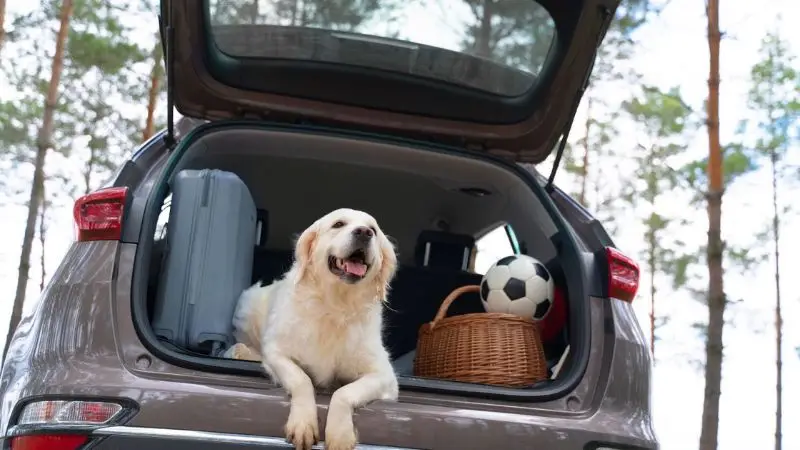
Credit: www.vevor.com
Feeding And Hydration Tips
Traveling with a dog requires careful attention to feeding and hydration. Dogs need the right balance of food and water to stay comfortable and healthy during car trips. Proper planning helps avoid discomfort and health issues.
Timing Meals Before And During Travel
Feed your dog a light meal 3-4 hours before the trip. Avoid heavy meals right before travel to prevent nausea. Small snacks during breaks help maintain energy but keep portions small. Do not feed your dog while the car is moving to reduce choking risk.
Keeping Your Dog Hydrated
Offer water regularly during stops. Use a spill-proof bowl or a pet water bottle for easy drinking. Avoid giving too much water at once to prevent stomach upset. Keep water fresh and cool to encourage your dog to drink.
Avoiding Travel Sickness
Feed your dog a small meal before traveling to reduce sickness risk. Avoid greasy or rich foods that upset the stomach. Take frequent breaks for fresh air and a chance to stretch. Watch for signs of nausea like drooling or whining. Consult your vet if your dog often gets travel sick.
Legal And Documentation Requirements
Traveling with your dog in the car requires more than just packing their favorite toys. Understanding the legal and documentation requirements ensures a smooth trip without unexpected stops or fines. You must prepare in advance to meet these rules, which vary widely depending on where you’re headed.
Leash And Identification Rules
Most states and countries mandate that dogs are always on a leash or securely restrained during travel stops. This rule protects your dog and others, especially in busy rest areas or gas stations. Always carry a sturdy leash and a collar with ID tags displaying your contact information.
Microchipping your dog adds an extra layer of security. It’s a small step that can make a big difference if your dog gets lost during the trip. Have you checked lately if your pet’s ID tags are up to date?
Health Certificates And Permits
Many places require a current health certificate for your dog, especially when crossing state or country borders. This certificate, issued by a vet, confirms your dog is free from contagious diseases. It usually needs to be dated within 10 days of travel.
Some destinations also require special permits or vaccination records, like proof of rabies shots. Forgetting these can lead to quarantine or denied entry. Pack these documents with your travel papers to avoid last-minute hassles.
Local Travel Regulations
Rules can change dramatically from one area to another. Some regions may ban certain breeds or have specific leash laws, while others require dogs to be in carriers during car rides. Research your route and destination to understand these local laws.
Have you ever faced a surprise regulation during a trip? Being prepared helps you avoid fines and keeps your dog safe. Check official websites or call local authorities ahead of time to get the most accurate information.

Credit: petsfit.com
Handling Emergencies On The Road
Traveling with a dog can be fun and rewarding. Still, emergencies may happen anytime on the road. Being ready to handle these situations keeps your dog safe and calm. Preparation helps you face any challenge without panic or delay.
First Aid Kit For Dogs
A dog first aid kit is essential for every car trip. It should include:
- Bandages and gauze
- Antiseptic wipes
- Tweezers and scissors
- Disposable gloves
- Thermometer
- Hydrogen peroxide (to induce vomiting if instructed)
- Saline solution for eye or wound rinsing
- Any medication your dog needs
Keep the kit in an easy-to-reach place. Know how to use the items for quick care.
Finding Veterinary Care
Before the trip, search for vets near your route. Save their contact numbers in your phone. Use apps or websites that locate nearby animal hospitals. If your dog shows signs of illness or injury, call a vet immediately. Explain symptoms clearly and follow their advice. Quick help can prevent serious problems.
Dealing With Unexpected Situations
Unexpected problems may include car accidents, sudden illness, or heatstroke. Stay calm and act fast. Pull over safely and check your dog’s condition. Offer water and shade if needed. Never leave your dog alone in a hot car. Keep emergency numbers ready and call for help if you cannot manage the situation. Always have a plan for quick action.

Credit: petfriendlybox.com
Frequently Asked Questions
How Can I Keep My Dog Safe In The Car?
Use a pet seat belt, crate, or barrier to secure your dog. Never let your dog roam freely while driving. This prevents distractions and protects your pet in case of sudden stops or accidents.
What Are The Best Car Accessories For Dogs?
Invest in a comfortable crate, seat covers, and a pet seat belt. Portable water bowls and cooling mats are useful for long trips. These accessories ensure your dog’s comfort and safety during travel.
How Often Should I Stop For Breaks On Road Trips?
Stop every two to three hours to let your dog stretch and relieve itself. Offer water and a short walk during breaks. Frequent breaks keep your dog comfortable and reduce travel stress.
Can Dogs Get Car Sick, And How To Prevent It?
Yes, dogs can experience car sickness. To prevent it, keep your dog calm and avoid feeding large meals before travel. Use a well-ventilated space and consult your vet for motion sickness remedies.
Conclusion
Traveling with your dog in a car can be fun and safe. Plan breaks for water and bathroom stops. Use a pet seatbelt or crate for protection. Keep your dog calm with toys or treats. Watch for signs of stress or discomfort.
A happy dog makes the trip better for everyone. Prepare well, and enjoy your journey together. Simple steps can make travel smooth and pleasant. Safe travels with your furry friend!