

Planning a trip to Canada with your dog? You probably have a lot on your mind—paperwork, rules, and making sure your furry friend stays safe and happy.
Traveling across the border can seem tricky, but it doesn’t have to be. This guide will walk you through everything you need to know to make the journey smooth and stress-free for both you and your dog. Keep reading, and you’ll discover simple tips that save you time, avoid headaches, and ensure your pet’s comfort every step of the way.
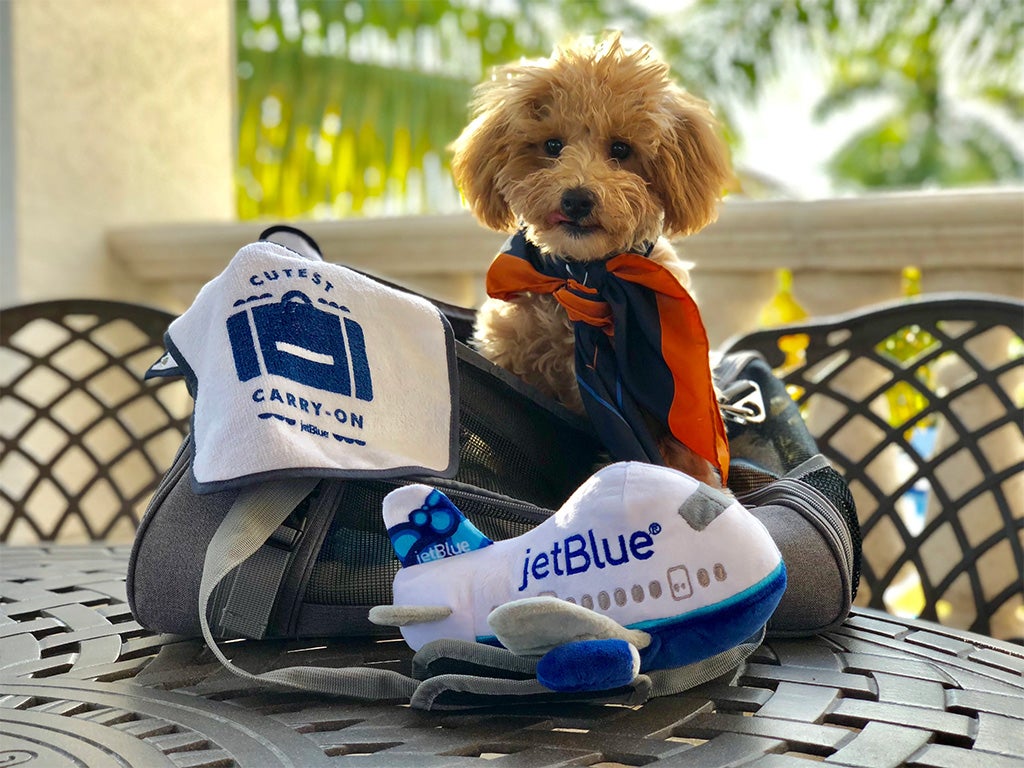
Credit: www.jetblue.com
Pet Entry Requirements
Traveling to Canada with a dog requires careful preparation. Canada has specific pet entry rules to protect animal health and public safety. Meeting these rules ensures a smooth trip for both you and your pet. Understanding these requirements before travel saves time and avoids stress at the border.
Required Documentation
Pets entering Canada need proper documents. You must carry a valid rabies vaccination certificate. This certificate must show your pet’s name, vaccination date, and vaccine details. It should be issued by a licensed veterinarian. For puppies under three months, rabies vaccination is not mandatory but check local rules. Border officers may also ask for your pet’s original health records.
Vaccinations And Health Certificates
Your dog needs up-to-date vaccinations to enter Canada. Rabies vaccination is the most important. The vaccine must be given at least 30 days before crossing the border. Along with rabies, other vaccines like distemper or parvovirus are recommended. A recent health certificate from a vet is essential. This certificate must be issued within 10 days before travel. It confirms your dog is healthy and fit to travel.
Microchipping And Identification
Microchipping helps identify your dog quickly and easily. Canada strongly suggests microchips for pets entering the country. This chip stores your pet’s unique ID number. It must be readable by an ISO-compliant scanner. Besides microchips, use a collar with an ID tag. The tag should have your contact details and your pet’s name. Proper identification helps if your dog gets lost during travel.

Credit: www.flyflair.com
Preparing Your Dog For Travel
Preparing your dog for travel to Canada requires more than just packing a leash and treats. It’s about ensuring your furry friend feels safe, healthy, and comfortable throughout the journey. Thoughtful preparation will help your dog handle the new environment with ease and keep your trip stress-free.
Health Checkup And Vet Visit
Schedule a vet appointment well before your trip. Your dog needs to be up-to-date on vaccinations and free from any contagious diseases. Ask your vet for a health certificate, which Canadian authorities often require at the border.
Discuss any travel-related concerns, like motion sickness or anxiety, with your vet. They might recommend calming aids or prescribe medication. Don’t forget to check for any specific pet import regulations Canada enforces.
Crate Training And Comfort
If your dog isn’t used to a crate, start crate training weeks before your trip. A well-familiarized crate can provide a secure space during travel. Use treats, toys, and positive reinforcement to create a cozy environment inside the crate.
Make the crate comfortable with a soft blanket or your dog’s favorite toy. During travel, avoid feeding your dog right before departure to prevent nausea. Have you noticed how your dog reacts in confined spaces? Preparing the crate experience can ease anxiety and make the journey smoother.
Packing Essentials For Your Dog
Think beyond food and water when packing. Include:
- Portable water bowl and enough fresh water
- Favorite toys and chew items to keep your dog entertained
- Leash, collar with ID tags, and copies of vaccination records
- Waste bags for clean-up during stops
- Any medications or supplements your dog needs
Pack a small first aid kit tailored for pets. Accidents happen, and being ready can save you stress. Have you ever forgotten an essential item for your dog? Making a checklist can prevent last-minute scrambling.
Travel Options And Tips
Traveling to Canada with your dog can be a smooth experience if you choose the right travel option and prepare properly. Whether you prefer driving or flying, understanding the specific requirements and tips will make your journey more enjoyable for both you and your pet. Paying attention to accommodations that welcome dogs ensures your stay is comfortable and stress-free.
Driving Across The Border
Driving with your dog gives you flexibility and control over your trip. You can stop whenever your dog needs a break, which reduces stress for your pet. Make sure your dog’s vaccinations are up to date, especially the rabies shot, as Canadian border officials require proof.
Bring a copy of your dog’s health records and identification tags. Have water, food, and a comfortable space ready in the car. Also, check the latest border crossing rules because policies can change quickly.
Flying With Your Dog
Flying can be less straightforward but still manageable with the right planning. Airlines differ in their pet policies, so check ahead for crate size rules and fees. Book a direct flight to minimize travel time and reduce stress on your dog.
Acclimate your dog to the travel crate well before the flight. On the day of travel, keep your dog calm by offering familiar toys or blankets. Don’t forget to notify Canadian customs about your dog’s arrival and have all documents ready.
Using Pet-friendly Accommodations
Choosing the right place to stay is key for a pleasant trip with your dog. Look for hotels or rentals that explicitly welcome pets and offer amenities like dog beds or nearby walking areas. Some places even provide dog-sitting services or grooming options.
Read reviews carefully to see how other travelers with pets experienced their stay. Always confirm pet policies before booking to avoid surprises. A well-chosen accommodation can make your dog feel at home and keep your vacation on track.
Border Crossing Procedures
Traveling to Canada with a dog requires valid vaccination records and a health certificate. Border agents may ask questions about your pet’s health and behavior. Always have your dog leashed and ready for inspection at the crossing.
Traveling with your furry companion across the border from the US to Canada can be an exciting adventure, but understanding the border crossing procedures is crucial for a smooth journey. Each country has its own set of rules and expectations, and being prepared can save you time and stress. Below, we break down the key elements of the border crossing procedures to ensure you and your dog have a seamless transition into Canada.Customs Inspection Process
When you approach the border, you’ll encounter customs officers who will inspect your documents. Make sure to have your dog’s vaccination records, particularly proof of rabies vaccination, readily available. This not only expedites the process but also demonstrates your responsibility as a pet owner. Customs officers may ask questions about your dog’s health and the purpose of your trip. Be honest and clear about your travel intentions and ensure your dog is in a well-behaved state during the inspection. A calm pet can make a positive impression and potentially speed up the process.Fees And Regulations
Crossing the border with your dog may involve certain fees and regulatory requirements. Check if there are any specific charges applicable to bringing pets into Canada. Knowing this in advance prevents surprises and allows you to budget accordingly. You should also familiarize yourself with any specific regulations regarding dog breeds. Certain breeds might be restricted or require additional documentation. It’s essential to research these details to avoid any last-minute hiccups.Dealing With Border Delays
Border delays are a possibility, especially during peak travel times. Preparing for potential waiting times is part of the travel experience. Bring along snacks, water, and comfort items for your dog to keep them calm and comfortable. Consider this: what if your dog becomes restless during a delay? Having a small toy or a chewable treat can be a lifesaver. Maintain a positive attitude and patience, as this will reflect on your pet’s behavior as well. Remember, a well-prepared traveler is a happy traveler. Addressing each of these aspects thoughtfully can make your journey smoother and more enjoyable for both you and your furry friend. Safe travels!Health And Safety In Canada
Traveling to Canada with your dog requires careful attention to health and safety. The country offers many outdoor adventures, but some risks exist. Being prepared helps protect your pet and ensures a smooth trip. Understanding local veterinary options, wildlife dangers, and emergency plans is essential.
Local Vet Resources
Canada has many veterinary clinics across cities and towns. Finding a local vet before arrival is wise. Keep a list of emergency clinics near your travel route. Many clinics offer urgent care and pet health advice. Some areas have 24/7 animal hospitals. Carry your dog’s medical records for easy reference. This helps vets provide quick, accurate care.
Wildlife And Environmental Hazards
Canada’s nature is beautiful but can be risky for dogs. Watch out for wildlife like bears, coyotes, and porcupines. Keep your dog on a leash during hikes or walks. Protect your dog from ticks and mosquitoes, common in wooded areas. Check your pet’s coat daily for parasites. Avoid letting your dog drink from lakes or streams. These might carry bacteria or parasites harmful to pets.
Emergency Preparedness
Prepare for emergencies before traveling. Pack a pet first aid kit with bandages, antiseptic, and any medications. Know the location of the nearest animal hospital at each stop. Have contact numbers for local vets and poison control ready. Make sure your dog has proper ID tags and a microchip. Plan your route with pet-friendly accommodations. This reduces stress during unexpected delays or issues.
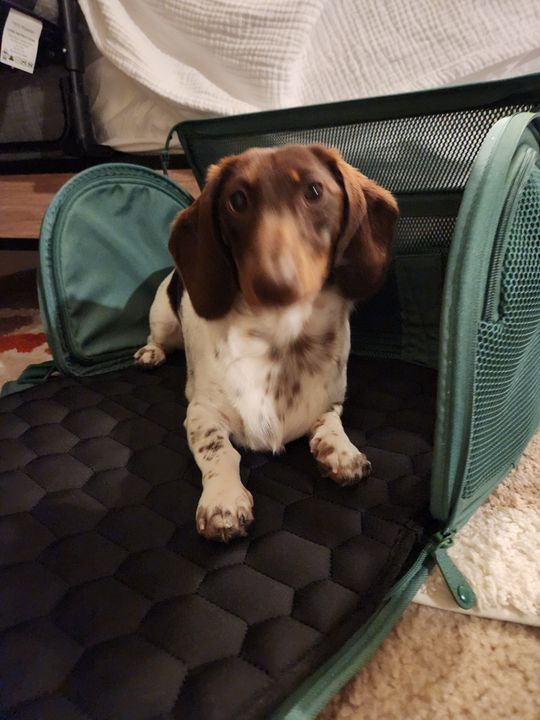
Credit: wildone.com
Returning To The Us With Your Dog
Heading back to the US with your dog after a trip to Canada requires careful preparation. The border checks are thorough, but knowing exactly what to expect can save you stress and time. Your furry friend’s smooth return depends on meeting specific rules and having all the right paperwork.
Re-entry Requirements
When you cross back into the US, your dog must meet certain re-entry requirements set by US Customs and Border Protection (CBP) and the Centers for Disease Control and Prevention (CDC). Dogs need a valid rabies vaccination certificate unless they are puppies under three months old.
Make sure the rabies shot is current and given at least 30 days before re-entry. If your dog is younger, check if any additional restrictions apply. Also, some states may have their own pet import regulations, so a quick search for your home state’s rules can prevent surprises.
Health Checks And Documentation
Border officers often ask for a health certificate from a licensed veterinarian. This certificate should state that your dog is healthy and free from contagious diseases. It’s best to get this document within 10 days before your return trip.
Have all documents organized and ready to show, including:
- Rabies vaccination certificate
- Health certificate from the vet
- Any other vaccination records
Keeping these papers in an easily accessible folder makes the process quicker and less stressful. Have you ever been stuck fumbling through papers at the border? Preparing ahead can make a huge difference.
Tips For A Smooth Border Crossing
Try to cross at less busy times if you can. Early mornings or weekdays usually have shorter lines. This reduces waiting time and keeps your dog calm.
Bring plenty of water and your dog’s favorite treats to keep them comfortable. A leash or harness is essential for control during the inspection. Speak calmly to your dog and border agents to maintain a relaxed atmosphere.
Lastly, be honest and clear when answering questions. Border officers appreciate straightforwardness and it helps move the process along. Have you packed your dog’s favorite toy or blanket? Small comforts can ease their anxiety in unfamiliar places.
Frequently Asked Questions
What Documents Are Needed To Bring A Dog To Canada?
You need a valid rabies vaccination certificate issued at least 30 days before travel. A health certificate from a licensed vet is also required, dated within 10 days of arrival. Ensure your dog’s ID tags and microchip information are up to date for easy identification.
Are There Any Breed Restrictions For Dogs Entering Canada?
Canada does not have specific breed restrictions for dogs entering from the US. However, some provinces may have local bylaws that restrict certain breeds. Always check provincial and municipal regulations before traveling to avoid any issues with your dog.
How To Prepare A Dog For The Flight To Canada?
Ensure your dog is comfortable in its travel crate, which must meet airline standards. Provide familiar toys or blankets to reduce stress. Avoid feeding your dog right before the flight to prevent nausea. Consult your vet for any travel-related health advice or medications.
Do Dogs Require Quarantine When Entering Canada?
Generally, dogs from the US do not require quarantine if they have proper vaccination and health certificates. Quarantine may be necessary if your dog shows signs of illness or lacks proper documentation. Always check current Canadian import rules before traveling.
Conclusion
Traveling with your dog to Canada requires some planning and care. Follow all rules for pet entry and health checks. Prepare your dog’s documents and vaccinations in advance. Keep your pet comfortable during the trip. Enjoy the beautiful places Canada offers for you and your dog.
Safe travels make the journey fun and stress-free. Your furry friend will love the adventure too.