
Traveling with your dog can be a joyful experience, but it also comes with its own set of challenges. You want your furry friend to be safe, comfortable, and happy throughout the trip.
If you’re wondering how to make car travel easy and stress-free for both you and your dog, you’re in the right place. Keep reading to discover simple, effective tips that will transform your car rides into smooth adventures your dog will love.
Choosing The Right Carrier
Choosing the right carrier for your dog can make a huge difference in how smooth and enjoyable your car trips are. A good carrier keeps your dog safe, comfortable, and calm, while also giving you peace of mind. Think about your dog’s size, behavior, and how long you’ll be traveling to pick the perfect option.
Types Of Dog Carriers
There are several types of carriers designed for different needs and situations:
- Soft-sided carriers:Lightweight and portable, great for small dogs and short trips.
- Hard-sided crates:Durable and secure, ideal for larger dogs and longer journeys.
- Booster seats:Attach to the car seat and allow smaller dogs to look outside safely.
- Backseat hammocks:Provide a cozy space covering the back seat, good for dogs who like to stretch out.
Each type has pros and cons based on your dog’s personality and your car’s layout. Have you noticed how your dog reacts to different spaces? That can guide your choice.
Sizing And Comfort
Size matters a lot when picking a carrier. Your dog should have enough room to stand, turn around, and lie down comfortably.
Measure your dog’s height and length before buying a carrier. Too small, and your dog will feel cramped; too big, and they might slide around during the ride.
Adding soft bedding inside the carrier can reduce anxiety and make your dog feel at home. Have you tried adding a favorite blanket or toy to ease your dog’s nerves?
Safety Features To Look For
Safety should always be your top priority. Look for carriers with secure latches and strong materials that won’t break easily.
Ventilation is critical—your dog needs fresh air throughout the trip. Carriers with mesh windows or breathable fabric work well.
Check if the carrier can be safely anchored with seat belts or straps. A carrier that moves around can stress your dog and cause injury.
Have you considered carriers tested for crash safety? Some brands offer crash-tested options that add an extra layer of protection.
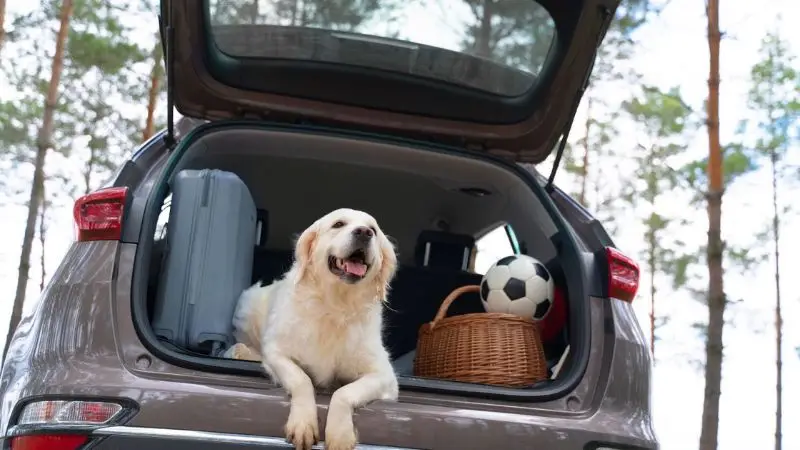
Credit: www.vevor.com
Preparing Your Dog For Travel
Preparing your dog for travel is key to a smooth and enjoyable car trip. Dogs, like people, can feel uneasy in new environments, so taking time to get them ready helps reduce stress and prevent problems on the road. A well-prepared dog is a happier travel companion, and that makes your journey safer and more fun.
Familiarizing With The Car
Let your dog explore the car before the trip. Open the doors and let them sniff around while the engine is off. This simple step helps your dog associate the car with safety instead of fear.
Start with short rides around the block. Gradually increase the length as your dog gets more comfortable. Bringing along a favorite toy or blanket can make the space feel more familiar and secure.
Exercise Before The Trip
Give your dog plenty of exercise before getting into the car. A good walk or play session tires them out and can reduce restlessness during the ride. Have you noticed how a tired dog is more relaxed and less anxious?
Exercise also helps release pent-up energy that might otherwise turn into nervous behavior. Avoid intense activity right before the trip if your dog tends to get overheated or overly excited.
Managing Anxiety And Motion Sickness
Some dogs experience anxiety or motion sickness when traveling. Watch for signs like drooling, whining, or pacing. You can try calming aids such as natural supplements or pressure wraps to ease anxiety.
To prevent motion sickness, avoid feeding your dog a large meal just before the ride. Small, frequent snacks are better if the trip is long. If your dog has severe motion sickness, talk to your vet about possible treatments.
Safety Measures During The Drive
Secure your dog with a proper harness or crate to prevent distractions while driving. Keep windows partly open for fresh air and take regular breaks for your pet’s comfort.
Traveling with your furry friend can be an enjoyable adventure, but ensuring their safety during the drive is crucial. Implementing the right safety measures can prevent mishaps and keep both you and your dog comfortable throughout the journey. Let’s dive into some essential safety precautions you should consider.Proper Restraints And Harnesses
A well-fitted dog harness or seat belt is a must-have. It not only secures your dog but also prevents them from becoming a distraction. Imagine your dog suddenly jumping onto your lap while you’re driving—dangerous, right? A good restraint keeps them in place, reducing the risk of injury in case of sudden stops. Invest in a harness that attaches directly to your car’s seat belt system. This setup helps distribute force evenly and is more comfortable for your dog. Check the harness size and adjust for a snug fit. Loose harnesses can do more harm than good, so always double-check before hitting the road.Securing The Carrier
If your dog travels in a carrier, make sure it’s securely fastened. The carrier should not slide or tip over with sudden movements. Fasten the carrier using seat belts or special straps designed for pet carriers. Ensure there is enough ventilation in the carrier. Dogs need fresh air to stay calm and comfortable. Place the carrier where your dog can see you. This visibility can alleviate anxiety and make them feel safer.Avoiding Distractions
Your focus should remain on the road. But with a restless dog, that’s easier said than done. Prepare by giving them a good walk before the trip to burn off excess energy. Keep some of their favorite toys within reach. These can keep them occupied during the drive. Avoid feeding them right before the trip to prevent motion sickness, which can lead to a messy situation you don’t want to deal with mid-journey. Finally, take breaks. Stop every couple of hours to let your dog stretch and relieve themselves. It’s a good time for you to take a breather too. What’s your go-to strategy for keeping your dog calm in the car?Planning Breaks And Stops
Planning breaks and stops is essential for a smooth car trip with your dog. It helps prevent restlessness and keeps your furry friend comfortable throughout the journey. Knowing when and where to pause can make all the difference in your travel experience.
Frequency Of Breaks
Dogs need to stretch their legs and relieve themselves regularly, especially during long drives. Aim to stop every 2 to 3 hours to give your dog a break. If your dog is young, old, or has health issues, consider more frequent stops to avoid discomfort.
Notice your dog’s behavior during the trip—restlessness or whining can signal it’s time for a break. Would you want to sit in a car for hours without moving? Your dog feels the same way.
Finding Dog-friendly Rest Areas
Not all rest stops are created equal for pets. Look for places with grassy areas or designated dog parks where your dog can play and relieve itself safely. Apps like BringFido or Google Maps can help you find dog-friendly stops along your route.
Check reviews to ensure the area is clean and secure. Have you ever been to a rest stop that felt unsafe or uncomfortable? Avoid those spots to keep your dog calm and happy.
Exercise And Hydration Tips
Use breaks to let your dog get some exercise. A short walk or gentle play helps reduce anxiety and stiffness. Carry a collapsible water bowl and fresh water to keep your dog hydrated, especially on hot days.
Avoid feeding your dog a large meal right before or during travel to prevent nausea. Instead, offer small snacks and plenty of water during stops. How often do you drink water on a long drive? Your dog needs it just as much.
Packing Essentials For Your Dog
Packing the right items for your dog makes car travel smoother and safer. Prepare for comfort, health, and fun. A well-packed bag helps avoid stress during the trip. Focus on essentials that keep your dog happy and healthy on the road.
Food And Water Supplies
Bring enough food for the whole trip. Use familiar dog food to prevent stomach issues. Pack a sturdy bowl for meals and water. Carry fresh water and offer it often to keep your dog hydrated. Avoid feeding right before driving to reduce car sickness.
Toys And Comfort Items
Include favorite toys to keep your dog entertained. Soft blankets or a bed help create a cozy space. These items reduce anxiety and make the car feel like home. Chew toys can distract during long drives and stops.
First Aid Kit
A small first aid kit is vital for emergencies. Include bandages, antiseptic wipes, and tweezers. Pack any medications your dog needs regularly. Add a copy of your vet’s contact and medical records for safety. Check the kit before each trip to ensure supplies are fresh.

Credit: petfriendlybox.com
Dealing With Weather Conditions
Traveling with your dog in the car can be a joyful experience, but weather conditions can quickly turn it stressful or even dangerous. Understanding how to manage heat, cold, and sun exposure ensures your furry friend stays safe and comfortable no matter the season. Let’s look at practical ways to handle these challenges so your journeys are as pleasant as possible.
Keeping Your Dog Cool In Summer
Dogs can overheat quickly, especially in a parked or slow-moving car. Always keep your car well-ventilated by cracking windows or using air conditioning to maintain a cool environment.
Bring a portable water bowl and offer water frequently. Wetting your dog’s paws or fur can also help lower their body temperature.
Consider using cooling mats or damp towels for extra relief. Have you noticed how your dog reacts to heat? Watch for heavy panting or restlessness—they’re signs your dog needs immediate cooling.
Protecting Against Cold Weather
Cold car rides can be just as harsh as hot ones. Use blankets or dog sweaters to keep your pet warm during chilly trips.
Limit the time your dog spends outside the car in freezing temperatures. If you stop, move quickly so your dog doesn’t get too cold.
Check your dog’s paws for ice or salt buildup after walks. These can cause discomfort or injury if left unattended.
Sun Protection Tips
Sunlight streaming through car windows can cause sunburn, especially on dogs with thin or light-colored fur. Use sunshades on windows to block direct rays.
Apply pet-safe sunscreen on exposed areas like the nose and ears. Avoid human sunscreen as it can be toxic to dogs.
Keep an eye on your dog’s behavior; signs of sunstroke include drooling, weakness, and vomiting. Have you prepared a shaded spot in your car for your dog to retreat from the sun?
Legal And Health Considerations
Traveling by car with your dog needs more than just packing bags. Legal and health matters protect your pet and ensure smooth trips. Knowing rules and preparing health documents avoids problems during travel. Safety starts with understanding laws, health needs, and emergency plans.
Pet Travel Laws
Different places have unique rules for pets in vehicles. Some states require dogs to be restrained or in carriers. Fines may apply if rules are ignored. Research laws for each area on your route. Use seat belts or pet carriers to keep your dog safe. This prevents distractions and accidents while driving.
Health Certificates And Vaccinations
Many places need health papers for pets during travel. A vet’s health certificate shows your dog is fit to travel. Vaccinations must be current, especially rabies shots. Carry vaccination records and certificates at all times. These documents help avoid quarantine or denial of entry. Schedule a vet visit before the trip to update shots and get certificates.
Emergency Contacts
Prepare a list of emergency contacts before traveling. Include your vet’s phone number and nearby emergency clinics. Keep contact info for animal poison control centers. Share emergency plans with family or friends traveling with you. Quick access to help can save your dog’s life in a crisis. Store contacts on your phone and in printed form.
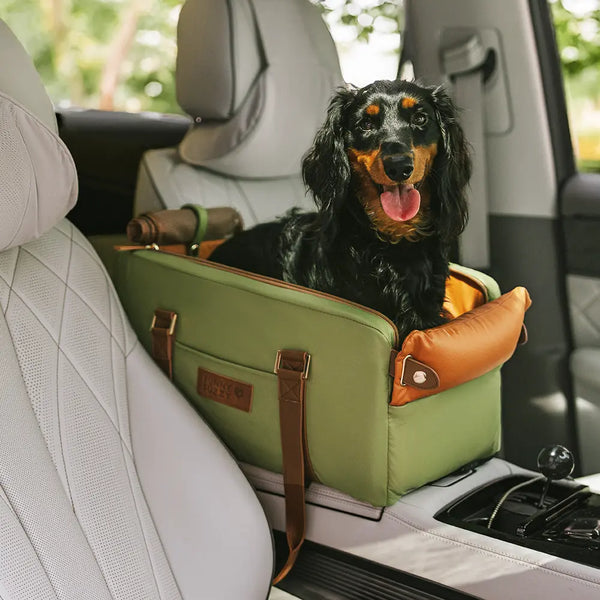
Credit: funnyfuzzy.com
Frequently Asked Questions
How To Keep My Dog Safe During Car Travel?
Use a pet seat belt or a secured crate. Avoid letting your dog roam freely. Ensure windows are closed or slightly open for ventilation. Never leave your dog alone in a parked car.
What Essentials Should I Pack For My Dog’s Car Trip?
Bring water, a bowl, leash, poop bags, and favorite toys. Pack a blanket or bed for comfort. Include treats and any necessary medications for your dog.
How To Prepare My Dog For A Long Car Journey?
Gradually acclimate your dog to car rides. Take short trips before long drives. Ensure they have exercised to reduce anxiety. Offer water but limit food to prevent motion sickness.
Can Dogs Get Car Sick And How To Prevent It?
Yes, dogs can suffer from motion sickness. Avoid feeding before travel and keep the car cool. Use calming aids or consult a vet for medication if needed.
Conclusion
Traveling with your dog can be safe and fun. Always prepare your car and pack essentials. Keep your dog secure and comfortable during the trip. Take breaks often for exercise and bathroom needs. Stay calm and patient to help your dog relax.
Enjoy the journey together and make great memories. Safe travels mean happy pets and happy owners.