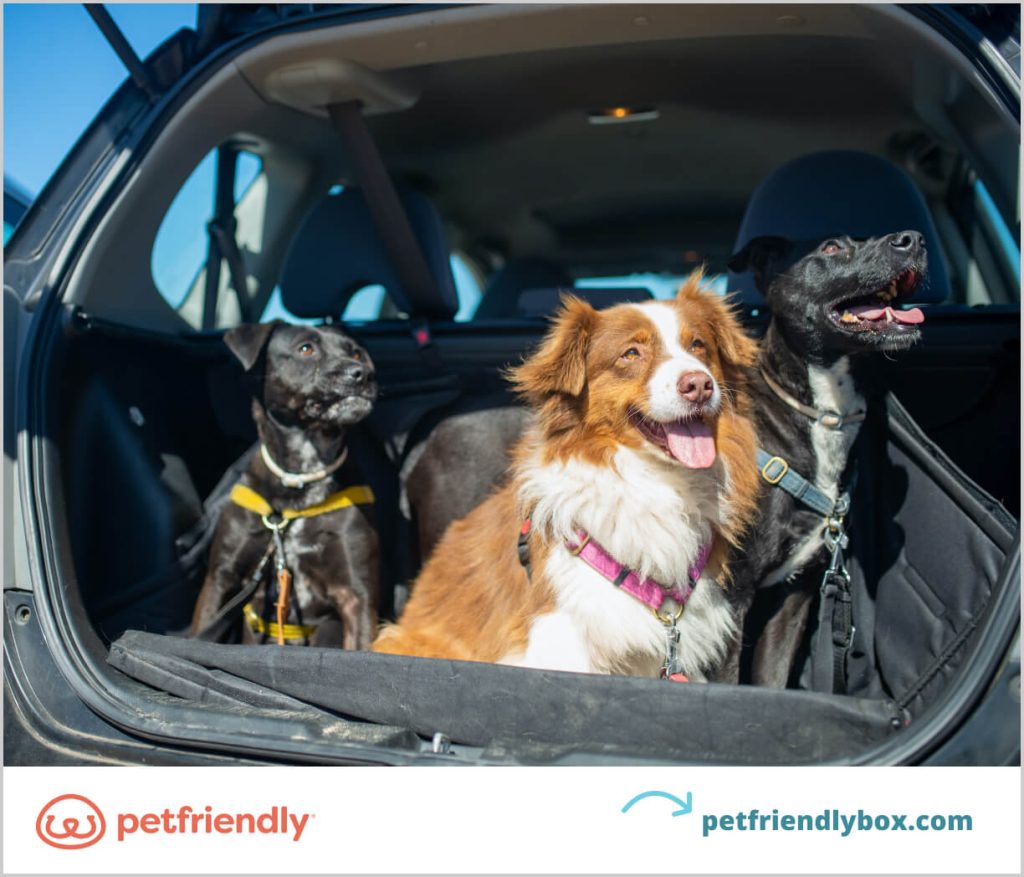

Traveling with your dog in the car can be a fun adventure, but it also comes with its challenges. You want to keep your furry friend safe, comfortable, and happy while on the road.
Imagine a smooth trip where your dog stays calm, and you don’t have to worry about distractions or accidents. In this guide, you’ll discover simple, practical tips that make traveling with your dog easier than ever. Whether it’s a short drive or a long road trip, you’ll learn how to prepare your car, manage your dog’s needs, and enjoy the ride together.
Keep reading, and get ready to make every car trip with your dog a great experience.
Preparing Your Dog For Car Travel
Preparing your dog for car travel is key to a smooth and safe trip. Dogs can feel nervous or restless during rides. Getting them ready helps reduce stress and keeps them calm. It also protects your dog and everyone in the vehicle. Start training your dog early to enjoy car rides together.
Choosing The Right Carrier Or Restraint
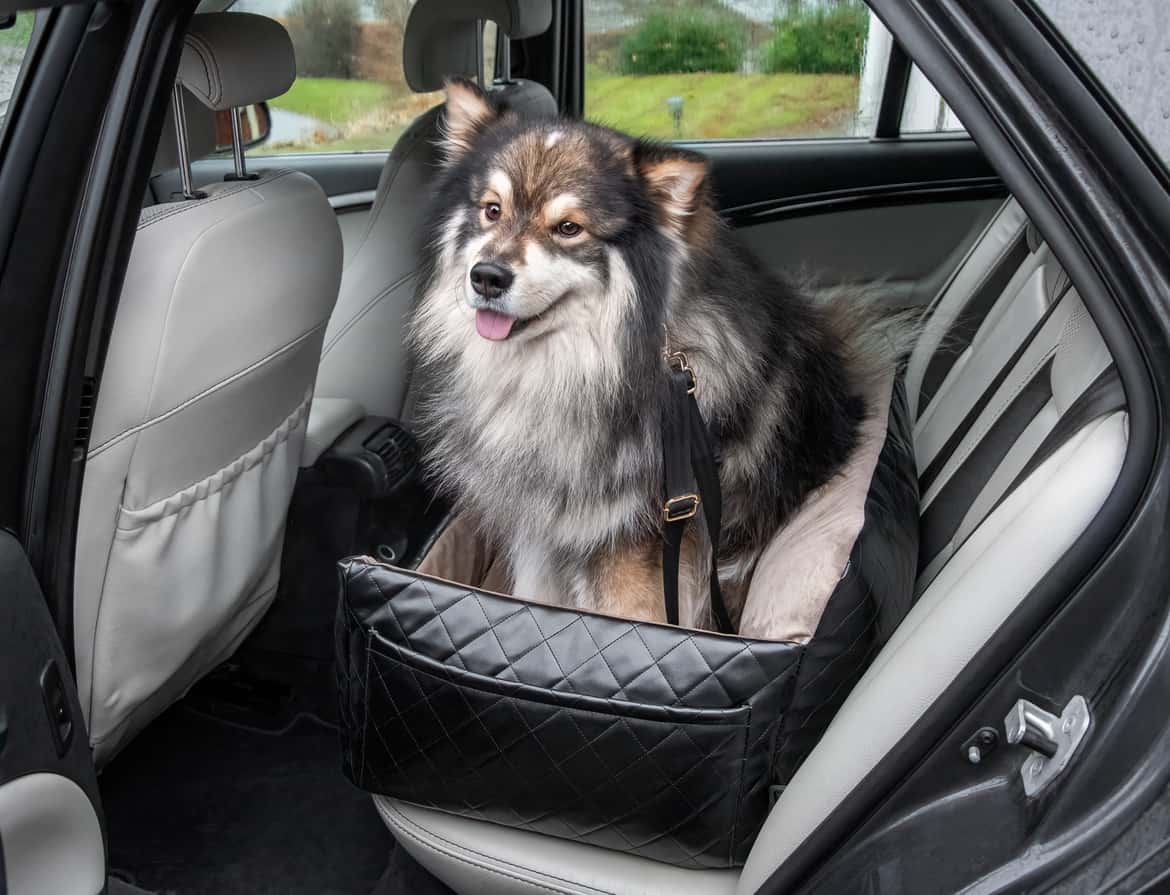
Select a carrier or restraint that fits your dog’s size and weight. It should be secure but comfortable. Options include:
- Hard or soft-sided crates
- Dog seat belts or harnesses
- Car barriers to keep dogs in the back seat
Test the carrier or restraint before the trip. Make sure your dog can sit, stand, and lie down easily.
Getting Your Dog Comfortable With The Car
Introduce your dog to the car slowly. Let them explore the vehicle while it is parked. Use treats and praise to create a positive association. Take short drives first to build confidence. Keep the windows partly open for fresh air. Avoid loud noises or sudden movements during rides.
Packing Essentials For Your Dog
Bring everything your dog needs to stay happy and healthy during travel:
- Water and a portable bowl
- Leash and waste bags
- Favorite toys or blankets
- Food and treats for the journey
- Any medications your dog requires
Pack these items in an easy-to-reach bag. Check supplies often to keep your dog comfortable.

Credit: www.flywithmypet.com
Safety Measures During The Trip
Keeping your dog safe during a car trip requires more than just opening the door and letting them hop in. You need to think about how to protect them from sudden stops, temperature changes, and the stress of unfamiliar sounds. These safety measures will make your journey smoother for both you and your furry friend.
Securing Your Dog Properly
Loose dogs in cars can be a major hazard. They might distract you or get injured if you stop suddenly. Use a well-fitted harness that attaches to the seatbelt or a sturdy crate placed in the back seat.
Think about your dog’s size and personality. Bigger dogs may need a crate, while smaller ones might be comfortable with a harness. Have you tried different options to see what keeps your dog calm and secure?
Maintaining A Comfortable Temperature
Dogs can overheat quickly, especially in warm cars. Always check the temperature inside before you start driving. Use sunshades on windows or park in shaded areas during breaks.
Keep the air conditioning on low or crack the windows slightly to allow fresh air in. Avoid placing your dog directly in front of air vents to prevent chills. Have you noticed signs like panting or restlessness that tell you your dog is too hot or cold?
Managing Car Noise And Motion Sickness
Strange noises and the feeling of movement can upset your dog. Play soft music or keep the radio off to reduce noise levels. Sometimes, a familiar blanket or toy can comfort your pet.
If your dog gets motion sickness, try feeding smaller meals before the trip and avoid feeding right before you leave. Consult your vet about safe remedies if nausea persists. Have you observed how your dog reacts to different road conditions or stops?
Planning Breaks And Exercise
Taking regular breaks helps your dog stretch and relieve stress during long car rides. Short walks and playtime keep your pet active and happy on the road. Planning stops lets your dog stay comfortable and enjoy the journey.
Traveling with your dog can be a rewarding experience, but it’s essential to plan for breaks and exercise to keep your furry friend comfortable and happy. Dogs, much like humans, need regular breaks to stretch their legs and relieve themselves during long car journeys. Incorporating these pauses into your travel itinerary can make a significant difference in ensuring a smooth trip for both you and your pet.Scheduling Regular Stops
Plan to stop every two to three hours to let your dog out for a brief walk. These stops not only provide your dog with much-needed exercise but also break the monotony of sitting in the car. Use these intervals as opportunities to bond with your dog, maybe play a quick game of fetch if the area allows.Finding Dog-friendly Rest Areas
Not all rest areas welcome pets, so it’s crucial to research dog-friendly stops along your route. Look for places with designated pet areas or parks nearby. Apps like BringFido can help locate suitable stops, ensuring your dog can roam safely and enjoy the fresh air.Keeping Your Dog Hydrated And Fed
Hydration is key, especially on warm days. Always have a bowl and fresh water accessible in the car. It’s wise to offer small meals during stops to avoid any car sickness, keeping larger meals for when you’ve reached your destination. Are you prepared for any unexpected delays or detours? Consider keeping extra food and water in case your trip takes longer than planned. By planning your breaks and exercise thoughtfully, you ensure a more enjoyable journey for both you and your dog.Legal And Health Considerations
Traveling with your dog in the car is exciting, but you need to keep legal and health matters in check. Ignoring these can cause delays, fines, or even endanger your pet’s well-being. Knowing the rules and preparing properly ensures a smooth and safe trip for both of you.
Checking Pet Travel Regulations
Every state or country has different rules about traveling with pets. Some require specific restraints, like seat belts or crates, while others restrict dogs from certain areas of the vehicle. Make sure you research the laws where you’re traveling to avoid any trouble.
Do you know if your destination requires your dog to be microchipped or have an identification tag? These small details can save you from big headaches if your dog gets lost. Always check local regulations ahead of time—online government sites are a good place to start.
Preparing Health Documents
Carrying your dog’s health documents is essential. This includes vaccination records, a recent health certificate from your vet, and any medication details. You might need to show these at checkpoints or if you visit a vet on the road.
Keep all documents organized in a folder or digital format on your phone. This makes access quick in case of emergencies or inspections. Have you ever faced delays because you couldn’t find your pet’s papers? Being prepared avoids that stress completely.
Vaccinations And Preventive Care
Ensure your dog is up to date on all vaccinations before hitting the road. Rabies, distemper, and parvovirus shots are commonly required. Your vet can also advise on preventing fleas, ticks, and heartworms, which are more common in some travel areas.
Preventive care goes beyond vaccines. Apply flea and tick treatments right before your trip and bring any necessary medications. Protecting your dog from local health risks keeps your journey worry-free and your furry friend comfortable.
Handling Emergencies On The Road
Traveling with your dog can be an amazing adventure, but emergencies can happen anytime on the road. Being prepared to handle these situations calmly can make all the difference in keeping your furry friend safe and comfortable. Let’s look at some practical ways to manage emergencies when you’re on the move.
Creating A Pet First Aid Kit
Having a dedicated first aid kit for your dog is essential. Include items like gauze, adhesive tape, antiseptic wipes, tweezers, scissors, and a digital thermometer. Don’t forget any medications your dog might need regularly.
Adding a copy of your vet’s contact info and your dog’s medical history can save precious time during an emergency. Pack everything in a waterproof bag and keep it within easy reach in your car. This way, you’re ready to act fast without scrambling for supplies.
Recognizing Signs Of Distress
Knowing when your dog is in trouble can be lifesaving. Watch for excessive panting, drooling, vomiting, or unusual lethargy. Sudden limping or difficulty breathing should never be ignored.
Have you noticed your dog’s normal behavior changes on past trips? Those subtle signs might be your first alert to a problem. Trust your instincts—if something feels off, it probably is, and you should take action immediately.
Finding Veterinary Help Nearby
Before you hit the road, research vets and emergency clinics along your route. Save their phone numbers on your phone and note their locations on a map app. This preparation helps you avoid panic if your dog needs urgent care.
Apps like VetFinder or PetFirstAid can be lifesavers when you’re in an unfamiliar area. Don’t hesitate to call ahead if you suspect your dog needs a checkup. Quick access to professional help can prevent a small issue from becoming a major crisis.
Credit: www.hawkford.com
Tips For Long-distance Travel
Traveling long distances with your dog needs extra care and planning. Dogs can get tired, stressed, or confused by new places and routines. These tips help keep your dog happy and safe during long car trips.
Adjusting To Time Zones
Changing time zones can upset your dog’s schedule. Try to keep feeding and walking times close to their usual routine. Gradually shift these times before the trip, if possible. This helps your dog adjust to the new time zone faster.
Managing Overnight Stays
Choose pet-friendly places to stay overnight. Check if the hotel or rental allows dogs and offers a quiet space. Bring your dog’s bed and favorite toys to make the place feel familiar. Keep your dog on a leash during walks outside.
Keeping Your Dog Calm And Relaxed
Car rides can be stressful for dogs. Use a comfortable crate or seatbelt harness for safety. Play soft music or talk gently to soothe your dog. Take breaks every two hours for bathroom and water. Offer treats and praise to keep your dog happy.
Credit: www.vevor.com
Frequently Asked Questions
How To Keep My Dog Safe In The Car?
Use a well-fitted harness, crate, or dog seatbelt to secure your dog. This prevents injury during sudden stops. Never let your dog ride in the front seat, as airbags can be dangerous.
What Should I Pack For A Dog Road Trip?
Bring water, a bowl, leash, waste bags, food, and favorite toys. Also, pack a first aid kit and familiar bedding to keep your dog comfortable.
How Often Should I Stop For My Dog On Long Drives?
Stop every 2 to 3 hours to let your dog stretch, relieve itself, and drink water. These breaks reduce stress and keep your dog healthy during travel.
Can I Leave My Dog Alone In A Parked Car?
Never leave your dog unattended in a parked car. Temperatures can rise quickly, causing heatstroke or death. Always take your dog with you or leave them at home.
Conclusion
Traveling with your dog in the car can be fun and safe. Plan ahead to keep your dog comfortable and secure. Bring water, snacks, and favorite toys for the trip. Take regular breaks so your dog can stretch and relieve itself.
Always use a proper harness or crate to protect your pet. Stay calm and patient, as dogs feel your mood. Enjoy the journey together and create happy memories on the road. Safe travels make every trip better for both you and your dog.

