Planning to travel to Europe with your dog? Imagine exploring charming streets, cozy cafes, and stunning landscapes—all while having your furry friend right by your side.
It’s easier than you think to make this dream a reality. But before you pack your bags, there are important things you need to know to keep your dog safe and happy throughout the trip. Stick with me, and I’ll guide you through everything—from travel rules to pet-friendly spots—so you and your dog can enjoy an unforgettable European adventure together.

Credit: www.youtube.com
Preparing Your Dog For Travel
Traveling to Europe with your dog can be an exciting adventure, but it requires careful preparation. Ensuring your furry friend is ready for the journey helps avoid last-minute stress and keeps your pet safe and comfortable. Let’s look at the key steps to get your dog travel-ready.
Health Check And Vaccinations
Before booking tickets, schedule a vet visit to confirm your dog is healthy enough for travel. Your vet can update necessary vaccinations, including rabies, which is mandatory for most European countries.
Ask your vet for a health certificate issued within 10 days of travel. This document proves your dog is fit to fly and free from contagious diseases.
Have you considered how your dog handles stress? Discuss calming options or medications with your vet to make the journey less stressful.
Pet Passport And Documentation
European countries require a pet passport or official documentation to enter. This passport shows your dog’s vaccination history and microchip details.
Check the entry rules for each country you plan to visit, as requirements can vary. Some places require tapeworm treatment or specific timing for vaccinations.
Keep all documents handy in your carry-on or a dedicated travel folder. Losing these papers can cause delays or even quarantine for your pet.
Choosing The Right Carrier
Pick a carrier that fits your dog comfortably and meets airline regulations. It should be well-ventilated, secure, and large enough for your dog to stand, turn, and lie down.
Test the carrier at home by letting your dog explore it before the trip. Adding familiar blankets or toys can make it feel like a safe space.
Have you measured your dog recently? Airlines often have strict size limits, and an ill-fitting carrier can cause discomfort or denied boarding.
Credit: www.travelandleisureasia.com
Booking Pet-friendly Accommodations
Booking pet-friendly accommodations is a key step when traveling to Europe with your dog. Choosing the right place ensures both you and your pet stay comfortable and happy. Many hotels and rentals now welcome dogs, making travel easier than before.
Understanding local pet policies and fees helps avoid surprises. Knowing nearby pet services can make your trip smooth and stress-free. Careful planning creates a better experience for everyone.
Hotels And Rentals That Welcome Dogs
Many hotels in Europe allow dogs, but rules vary. Some offer special pet rooms or extra beds for your dog. Rentals like apartments and cottages often welcome pets too.
Check if there are size or breed restrictions. Confirm if pets can stay in common areas. Choose places with easy outdoor access for walks.
Local Pet Policies And Fees
Pet policies differ by city and accommodation type. Some places charge a small fee per night. Others require a deposit for potential damages.
Rules may include leash requirements or pet behavior policies. Review cancellation policies related to pets. Always follow local laws to keep your dog safe.
Finding Nearby Pet Services
Identify nearby pet services before arrival. This includes veterinary clinics, pet stores, and grooming salons. Having these options nearby adds convenience.
Locate dog-friendly parks and walking areas. Emergency vets are essential to know in advance. Use apps or websites to find these services easily.
Traveling By Air With Your Dog
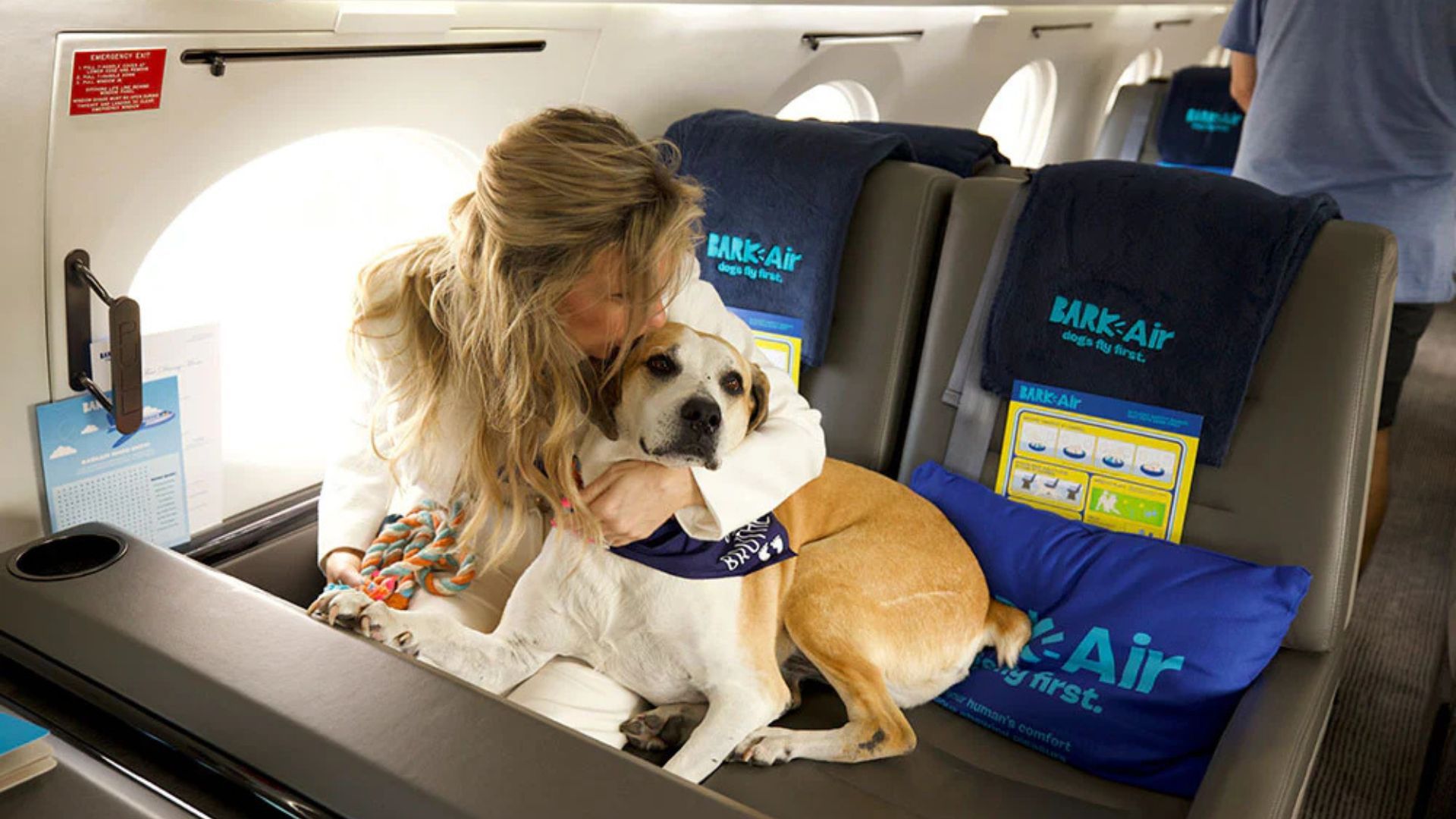
Traveling to Europe with your dog requires checking airline rules and pet documents. Prepare a comfortable carrier and pack essentials for a smooth trip. Planning ahead helps your dog stay calm and safe during the flight.
Traveling by air with your dog can be a rewarding experience. Planning is key to ensure a smooth journey. Understanding the airline’s rules and regulations helps avoid last-minute surprises. Comfort and safety are priorities for both you and your dog.Airline Pet Rules And Regulations
Each airline has its own pet policies. Research these rules before booking your flight. Some airlines allow pets in the cabin. Others require pets to travel in cargo. Check weight and breed restrictions. Some airlines have specific crate requirements. Make sure to review all guidelines carefully.In-cabin Vs. Cargo Options
In-cabin travel lets your dog stay close. This option suits small dogs best. They must fit in a carrier under the seat. Cargo travel is for larger dogs. It is a temperature-controlled area. Ensure your dog is comfortable with this option. Both choices have pros and cons. Choose what suits your dog’s size and temperament.Tips For A Calm Flight
A calm dog makes for a peaceful flight. Walk your dog before heading to the airport. This helps burn off energy. Use a comfortable, familiar carrier. Place a favorite toy or blanket inside. During the flight, speak softly to your dog. Offer treats to keep them calm. Hydrate your dog before and after the flight. These steps help ensure a stress-free journey.Navigating Europe With Your Dog
Traveling across Europe with your dog is an exciting adventure, but it requires careful navigation. Every city and country has its own rules and vibes when it comes to pets. Knowing how to move around, where to take your furry friend, and what to keep in mind can turn your trip into a smooth, enjoyable experience.
Public Transport And Pet Access
Many European cities welcome dogs on public transport, but rules differ widely. Some require pets to be in carriers, while others allow well-behaved dogs to ride freely, often with a discounted or free ticket. For example, in Berlin, dogs can travel on the subway with a small fee, whereas in Paris, small dogs must stay in a bag or carrier on buses and trains.
Before boarding, check the specific transport website or app for pet policies. Carry a muzzle and leash just in case, as some countries demand them for safety. Have you ever faced a surprise pet policy on a train? Planning ahead can save you from that hassle.
Dog-friendly Attractions And Parks
Europe offers many places that welcome dogs, from historic sites to sprawling parks. Cities like Amsterdam and Copenhagen have dedicated off-leash dog parks where your pet can run freely. Museums and cafes often allow dogs in outdoor seating areas, letting you enjoy culture and coffee without leaving your companion behind.
Look for green spaces with water fountains and shaded spots, especially during summer. Some castles and gardens even offer special dog-friendly tours. What’s the best dog-friendly place you’ve discovered on your travels? Finding these spots can create unforgettable memories for both of you.
Local Etiquette And Laws
Understanding local pet laws is crucial to avoid fines or awkward situations. In Italy, for example, dogs must be on a leash in public places and wearing a muzzle in crowded areas. Germany expects owners to clean up after their pets, with fines for those who don’t comply.
Respecting local customs shows you care about your host country and community. Always carry waste bags, keep your dog under control, and ask locals if you’re unsure about rules. How do you handle cultural differences when traveling with your dog? Being prepared helps build positive connections wherever you go.
Packing Essentials For Your Dog
Packing for your dog is just as important as packing for yourself when traveling to Europe. Bringing the right items ensures your furry friend stays comfortable, safe, and happy throughout the trip. Think about what your dog uses daily and what might be needed for new environments.
Food And Water Supplies
Always bring enough of your dog’s regular food to cover the entire trip plus a little extra. Sudden changes in diet can upset their stomach, which you don’t want while on vacation.
Don’t forget portable water bowls and plenty of fresh water. Hydration is key, especially if you plan on walking a lot or visiting warmer climates.
- Pack resealable bags or containers to keep food fresh.
- Bring treats to reward good behavior during travel.
- Consider a collapsible water bottle for convenience.
Comfort Items And Toys
Familiar items help your dog feel secure in new places. A favorite blanket or bed can reduce anxiety in unfamiliar hotel rooms or rentals.
Toys keep your dog entertained during downtime. Choose lightweight and durable options to pack easily and avoid losing anything valuable.
- A chew toy or puzzle toy can keep your dog busy during travel delays.
- Include a favorite plush toy to provide emotional comfort.
- Bring a leash and harness that your dog is used to wearing.
Safety Gear And First Aid
Safety is non-negotiable when traveling abroad with your dog. Pack a first aid kit tailored for pets, including bandages, antiseptic wipes, and any medication your dog needs.
Don’t skip on ID tags and microchip information updated with your travel details. This increases the chances of your dog being returned if they get lost.
- Include a reflective collar or vest for visibility during walks.
- Bring a sturdy leash to prevent escapes in busy areas.
- Carry a copy of your dog’s vaccination and health records.
Have you ever had to improvise when you forgot a key item for your dog on a trip? Preparing ahead can save you from last-minute stress and keep your dog safe and happy in Europe.

Credit: www.10adventures.com
Managing Your Dog’s Wellbeing On The Trip
Traveling to Europe with your dog requires special attention to their health and comfort. Managing your dog’s wellbeing ensures a happy and smooth trip for both of you. Careful planning helps your pet adjust to new surroundings and routines.
Exercise And Rest
Exercise keeps your dog healthy and calm during travel. Plan regular walks in safe, quiet areas. Let your dog stretch and explore new smells. Avoid intense activity during hot or cold weather.
Rest is just as important. Create a cozy space for naps in your accommodation. Keep familiar blankets or toys nearby. Rest helps your dog recover energy and stay relaxed.
Dealing With Jet Lag And Stress
Jet lag can affect dogs too. Changes in time zones may confuse their eating and sleeping patterns. Adjust meal times gradually before your trip. Keep a calm and steady routine on arrival.
Stress shows in panting, whining, or hiding. Provide comfort by staying close and offering treats. Use calming aids like a favorite toy or gentle massage. Avoid loud noises and busy places at first.
Finding Veterinary Care Abroad
Vet care is essential in emergencies or for routine checks. Research local vets before you travel. Keep a list of clinics with contact details and hours.
Bring your dog’s medical records and vaccination certificates. This information helps vets provide proper care quickly. Knowing where to find help gives peace of mind during your trip.
Frequently Asked Questions
What Documents Are Needed To Travel To Europe With A Dog?
You need a pet passport, microchip, and up-to-date vaccinations. A rabies vaccination is mandatory. Check specific country rules before travel.
How To Prepare My Dog For A European Flight?
Get your dog used to the travel crate early. Visit the vet for a health check. Avoid feeding your dog before the flight.
Are European Countries Dog-friendly For Tourists?
Yes, many European countries welcome dogs. You’ll find dog-friendly hotels, parks, and restaurants. Always check local leash and breed regulations.
Can I Bring My Dog On Public Transport In Europe?
Most European public transport allows dogs if leashed or in carriers. Some may require a small fee or muzzle. Confirm rules locally before travel.
Conclusion
Traveling to Europe with your dog brings joy and new experiences. Plan carefully and follow pet rules in each country. Pack your dog’s essentials to keep them comfortable. Choose pet-friendly places to stay and visit. Remember to take breaks during long trips for rest.
Your dog will enjoy the adventure as much as you do. This trip can create lasting memories for both of you. Enjoy exploring Europe with your loyal companion by your side.