

Planning a trip to Canada with your dog? You’re not alone.
Many pet owners want to share the adventure with their furry friends but worry about the rules, paperwork, and what to expect. Imagine exploring stunning landscapes, vibrant cities, and peaceful parks—all with your loyal companion by your side. This guide will make your travel smooth and stress-free, helping you focus on the fun instead of the hassle.
Ready to discover everything you need to know to bring your dog to Canada? Let’s dive in!

Credit: m.youtube.com
Preparing Your Dog For Travel
Preparing your dog for travel to Canada ensures a smooth and safe journey. Dogs need special care before crossing borders. Proper preparation helps avoid stress and travel issues. Focus on health, paperwork, and comfort for your pet. Follow these steps to get ready for the trip.
Health Check And Vaccinations
Visit the vet before traveling. Make sure your dog is healthy and fit to travel. Vaccinations must be up to date. Rabies vaccination is especially important for Canada. The vet can also check for parasites and other health risks. Carry a health certificate issued within 10 days of travel.
Required Documentation
Gather all necessary documents for your dog. These include:
- Rabies vaccination certificate
- Health certificate from a licensed vet
- Microchip information, if applicable
- Proof of ownership or adoption
Keep copies of these papers handy during travel. Border officials will ask for them at entry.
Choosing The Right Carrier
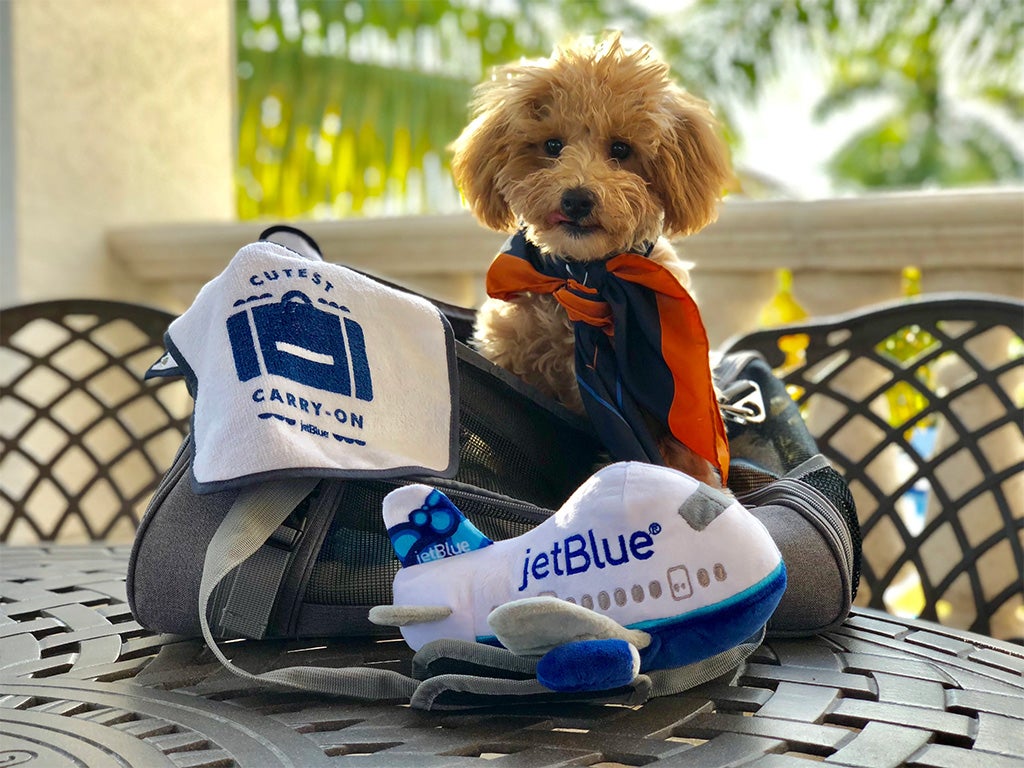
Select a carrier that fits your dog’s size comfortably. It should have good ventilation and be sturdy. Make sure it meets airline or travel regulations. Your dog should be able to stand, turn, and lie down inside. Add a familiar blanket or toy for comfort. Label the carrier with your contact details clearly.
Credit: www.jetblue.com
Travel Regulations For Dogs In Canada
Traveling to Canada with your dog can be an exciting adventure, but it requires careful attention to the country’s travel regulations. Understanding these rules helps ensure a smooth entry and avoids unexpected delays or complications. Let’s look closely at what you need to know about bringing your furry friend across the border.
Entry Requirements
Canada requires all dogs entering the country to have a valid rabies vaccination certificate. This certificate must show that the vaccine was administered at least 30 days before arrival but not more than 12 months prior, depending on the vaccine type.
You will also need to provide proof of your dog’s identity, such as a microchip or tattoo. Be ready to present these documents at customs to avoid any hold-ups. Have you checked your dog’s vaccination records recently?
Quarantine Rules
Generally, dogs entering Canada do not have to undergo quarantine if they meet all vaccination and health requirements. However, if your dog appears sick upon arrival or lacks proper documentation, quarantine could be mandatory.
This quarantine can last up to 30 days, which might disrupt your travel plans. Keeping your dog healthy and your paperwork complete helps you skip this hassle. Would you want to risk a surprise quarantine when your adventure is just beginning?
Breed Restrictions
Canada has specific restrictions on certain dog breeds considered aggressive or dangerous. Breeds like Pit Bulls are banned in some provinces, meaning you cannot bring them into those areas.
Make sure to research the breed laws in the province you plan to visit. Ignoring these restrictions can lead to fines or forced removal of your dog. Are you aware of the local rules that affect your dog’s breed?
Packing Essentials For Your Dog
Essentials like a leash, water bowl, and favorite toys keep your dog safe and happy during trips to Canada. Packing their medical records and snacks ensures a smooth journey. Always include comfortable bedding for rest and security.
Planning a trip to Canada with your furry friend is an exciting adventure. However, ensuring you have all the packing essentials for your dog is crucial for a smooth journey. Imagine the peace of mind knowing you’ve covered all bases for your dog’s comfort and safety.Food And Water Supplies
Your dog’s regular food is an absolute must. Sudden changes in diet can upset their stomach, which is the last thing you want on a trip. Pack enough for the entire journey plus a little extra, just in case. Consider bringing a portable water bottle and bowl. These are lifesavers during long road trips or flights. Keeping your dog hydrated is as important as it is for you.Comfort Items
Dogs, like humans, can get anxious in new environments. Bringing along their favorite blanket or toy can provide a familiar sense of home. This comfort can help calm nerves and make them feel secure. Think about the sleeping arrangements. If your dog has a favorite bed, make room for it. A good night’s sleep can make all the difference in how your dog handles the next day’s adventures.Safety Gear
Safety should always be a top priority. A sturdy leash and harness are non-negotiable. They ensure your dog stays secure during walks in unfamiliar places. Consider a reflective collar or vest if you plan on exploring in the early morning or evening. It enhances visibility, keeping your dog safe from harm. Microchipping your dog or having an updated ID tag is vital. In an unfamiliar country, it’s the best way to ensure your dog can be returned to you if they wander off. Are you prepared for your Canadian adventure with your dog? Making a checklist can prevent last-minute scrambles and ensure nothing is left behind.
Credit: schmidtmovers.com
Traveling By Car With Your Dog
Traveling by car with your dog to Canada can be one of the most rewarding ways to explore the vast and beautiful landscapes. It offers flexibility and comfort, letting your dog stay close by and adjust to the journey at their own pace. However, a smooth trip needs some planning to keep your furry friend safe and happy on the road.
Car Safety Tips
Keeping your dog secure during the drive is essential. Use a well-fitted harness attached to the seatbelt or a sturdy crate to prevent sudden movements. Loose dogs can distract you or get injured in an accident.
Make sure windows are only partially open to let fresh air in, but prevent your dog from sticking its head out—this can cause injury from debris. Also, never leave your dog alone in the car, especially on warm days, to avoid heatstroke.
Frequent Stops And Exercise
Plan to stop every two to three hours for bathroom breaks and exercise. Stretching their legs helps reduce anxiety and restlessness.
Use these breaks to offer water and a light snack. A tired dog is a calm dog, so short walks or playtime can make a big difference in their mood during long drives.
Managing Motion Sickness
Not all dogs handle car rides well. Signs of motion sickness include drooling, whining, or vomiting. If your dog shows these symptoms, try feeding smaller meals before travel and avoid feeding right before the trip.
Consult your vet about natural remedies or medications that can ease nausea. Sometimes, keeping the car cool and playing calming music can also help your dog feel more comfortable.
Flying To Canada With Your Dog
Flying to Canada with your dog can be a smooth experience if you prepare well. Understanding airline rules and making smart travel choices helps your pet stay comfortable and safe. Let’s look at key points to help you navigate this journey with confidence.
Airline Policies
Each airline has its own rules about flying with pets. Some allow small dogs in the cabin, while others require larger dogs to fly in cargo. Checking the airline’s pet policy early saves you from surprises at the airport.
Many airlines require a health certificate from your vet, issued within 10 days of travel. You’ll also need proof of vaccinations, especially rabies shots. Airlines often limit the number of pets on each flight, so booking early is crucial.
Cabin Vs. Cargo Travel
You might wonder if your dog should fly with you in the cabin or travel as cargo. Small dogs under a certain weight usually qualify to stay with you, which reduces stress for both of you.
Cargo travel is often necessary for bigger dogs, but it means your pet will be in a temperature-controlled area separate from you. Consider your dog’s temperament and health when deciding. Some dogs handle cargo well, while others may find it frightening.
Booking And Check-in Tips
Reserve your dog’s spot as soon as you book your ticket. Airlines often have a limited number of pet spots per flight, so early booking is key. Inform the airline that you’re traveling with a dog and confirm all requirements.
At check-in, arrive early to handle paperwork and give your dog time to adjust. Use a comfortable, well-ventilated carrier that meets airline standards. Have water and familiar toys ready to keep your dog calm.
Finding Dog-friendly Accommodations
Finding dog-friendly accommodations is key for a smooth trip to Canada with your pet. Many places welcome dogs, but rules and facilities vary. Choosing the right stay ensures comfort for both you and your dog. Plan ahead to avoid surprises and enjoy your travel time together.
Pet-friendly Hotels
Many hotels in Canada accept dogs. Some offer special pet amenities like beds and bowls. Check hotel policies on size and breed restrictions. Ask about extra fees for pets before booking. Downtown areas often have more pet-friendly hotels.
Vacation Rentals
Vacation rentals provide more space and privacy for you and your dog. Platforms often allow filtering for pet-friendly homes. Read reviews to see how other guests traveled with pets. Confirm rules about outdoor space and leash requirements. Rentals near parks or trails offer great walks.
Camping With Dogs
Camping is a great way to explore Canada’s nature with your dog. Many campgrounds allow pets but set leash rules. Prepare for wildlife and weather to keep your dog safe. Bring enough water, food, and a comfortable sleeping spot. Check if campfires are allowed and plan accordingly.
Exploring Canada With Your Dog
Traveling to Canada with your dog opens up countless opportunities for adventure and bonding. The country offers vast natural spaces and vibrant cities where your furry companion can feel welcome and enjoy new experiences alongside you. Understanding the best places and services available will make your trip smoother and more enjoyable for both of you.
Dog-friendly Parks And Trails
Canada is full of parks and trails that warmly welcome dogs, many of which have off-leash areas perfect for exercise and play. Places like Stanley Park in Vancouver and High Park in Toronto provide scenic routes where your dog can explore safely.
Look for trails that offer shade, water stations, and waste disposal bins to keep your outings comfortable and clean. Have you checked if the park requires dogs to be leashed or if there are specific hours when off-leash access is allowed?
Local Pet Services
Finding reliable pet services is essential while you travel. Many Canadian cities have doggy daycares, groomers, and veterinary clinics that understand the needs of traveling pets.
Apps and websites dedicated to pet services can help you locate nearby options easily. Consider booking grooming or vet appointments ahead of time, especially during busy travel seasons, to avoid last-minute stress.
Dining With Your Dog
Dining out with your dog is easier than you might think in Canada. Numerous cafes and restaurants offer dog-friendly patios where your pet can relax while you enjoy your meal.
Some establishments even provide water bowls and treats for dogs, creating a welcoming atmosphere. Have you ever thought about how stopping at a dog-friendly café can add a refreshing pause to your travel day?
Handling Emergencies On The Road
Traveling with your dog through Canada is an incredible adventure, but emergencies can happen anytime. Knowing how to handle unexpected situations on the road will keep both you and your furry friend safe. Preparation and quick action make all the difference when time is critical.
Finding Veterinary Care
Locate nearby veterinary clinics before hitting the road. Use apps or websites like VetFinder or PetMD to identify emergency vets along your route. Keep their contact information saved on your phone and written down in case your device dies.
Ask locals or hotel staff for recommendations if you’re unsure. Remember, some remote areas have limited veterinary services, so plan accordingly. Knowing where to turn reduces stress when your dog needs urgent care.
First Aid Tips
Carry a pet first aid kit stocked with essentials like bandages, antiseptic wipes, tweezers, and any medications your dog requires. Learn basic first aid skills such as how to stop bleeding, perform CPR, or handle choking.
If your dog gets a minor injury, clean the wound gently and apply pressure to stop bleeding. For more serious issues, keep your dog calm and seek professional help immediately. Have your vet’s emergency number handy and do not hesitate to call for advice.
Travel Insurance Options
Have you considered travel insurance that covers your pet? Some policies include coverage for veterinary emergencies during trips, which can save you from unexpected expenses. Check what your existing pet insurance offers and if additional travel add-ons are available.
Compare plans based on coverage limits, deductibles, and claim processes. Insurance can give you peace of mind knowing your dog’s health needs won’t become a financial burden. What would you do if faced with a costly emergency far from home?
Frequently Asked Questions
What Documents Are Needed To Travel With A Dog To Canada?
You need a valid rabies vaccination certificate and a health certificate from a vet. Ensure the documents are in English or French. These are required for your dog’s entry into Canada.
Are There Quarantine Rules For Dogs Entering Canada?
Generally, there is no quarantine for dogs with proper vaccination and health certificates. However, unvaccinated or sick dogs may face quarantine. Always check the latest Canadian regulations before traveling.
Can I Bring My Dog On Canadian Domestic Flights?
Yes, most Canadian airlines allow dogs on domestic flights. You must follow the airline’s pet policies, including crate requirements and fees. Booking in advance is recommended.
Are There Breed Restrictions For Dogs Entering Canada?
Canada does not have specific breed restrictions for entry. However, some provinces or airlines may have their own rules. Check local regulations and airline policies before travel.
Conclusion
Traveling to Canada with your dog can be smooth and fun. Plan ahead to meet all pet rules and paperwork. Keep your dog’s comfort and safety a top priority. Explore pet-friendly places to make your trip enjoyable. A little preparation helps avoid stress on the journey.
Your dog will love the new sights and smells. Adventure awaits for both you and your furry friend. Safe travels and happy memories together!


