If your dog struggles with itchy, red skin and constant scratching, you know how tough it is to watch them suffer. You want to help, but finding the right solution can feel confusing.
Could switching to a raw food diet be the answer to your dog’s skin allergies? Many pet owners wonder if raw food can reduce inflammation and improve skin health. You’ll discover the facts behind raw feeding and how it might ease your dog’s discomfort.
Keep reading to learn if raw food is the right choice for your furry friend’s sensitive skin.
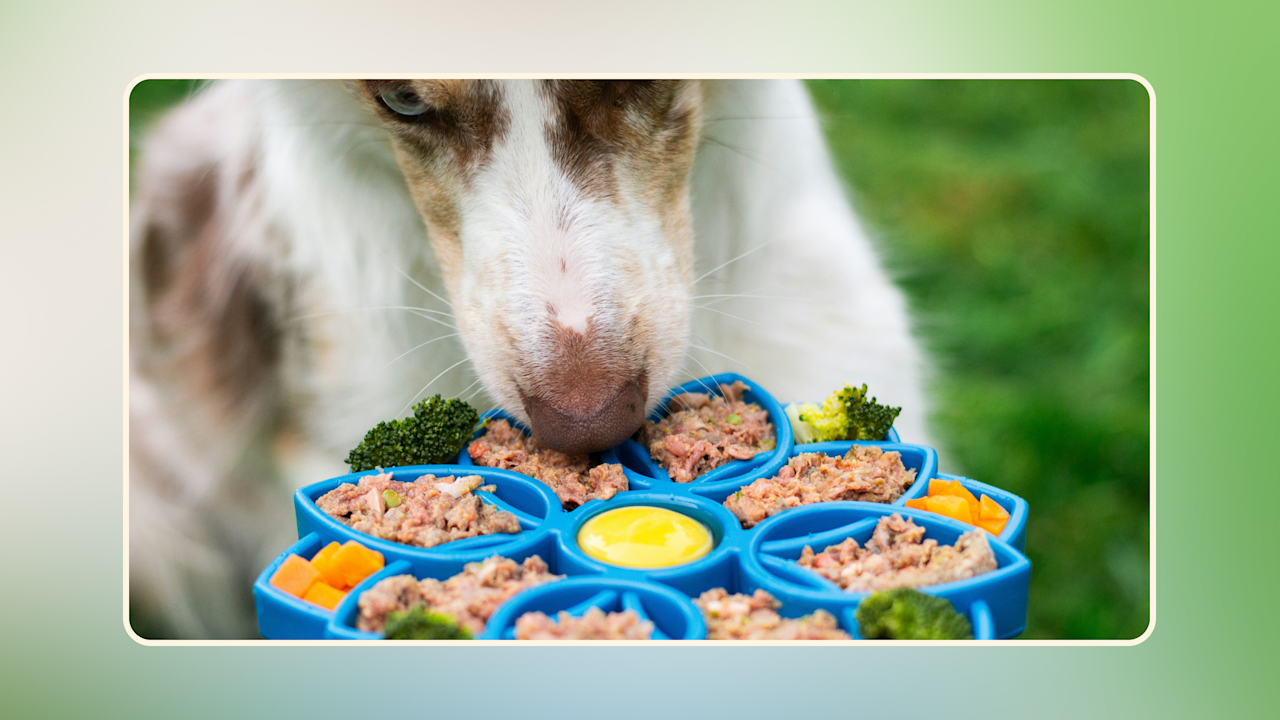
Credit: wefeedraw.com
Skin Allergies In Dogs
Skin allergies are a common problem in dogs. They cause discomfort and can affect your dog’s quality of life. Understanding skin allergies helps in managing and treating them better. Dogs with skin allergies often show signs that alert owners to a problem. Recognizing these signs early can lead to faster relief.
Common Symptoms
- Itching and scratching frequently
- Red, inflamed skin patches
- Hair loss or thinning coat
- Dry, flaky skin or dandruff
- Frequent licking of paws or other areas
- Scabs or crusty sores
- Unpleasant odor from the skin
Causes And Triggers
- Food allergies, especially proteins like beef or chicken
- Environmental allergens such as pollen and dust mites
- Fleas and other parasites
- Contact with irritants like certain shampoos or chemicals
- Genetic factors common in some dog breeds
- Stress or changes in the environment
Raw Food Diet Basics
Understanding the basics of a raw food diet can help you decide if it suits your dog’s skin allergy needs. This diet focuses on feeding your dog uncooked, natural ingredients that mimic what their ancestors ate. It’s about simplicity and purity, aiming to reduce allergens and promote healthier skin from the inside out.
What Raw Food Includes
A typical raw food diet for dogs includes a mix of:
- Raw meat like chicken, beef, or turkey
- Organ meats such as liver and kidney
- Raw bones that are safe to chew and digest
- Fresh vegetables like carrots and spinach
- Fruits in small amounts, such as apples or blueberries
- Supplements like fish oil or probiotics to enhance nutrition
Each ingredient plays a specific role, providing essential proteins, fats, vitamins, and minerals. Have you noticed how some processed dog foods list ingredients that are hard to pronounce? Raw diets avoid those, offering whole foods instead.
Nutritional Benefits
Raw diets often deliver nutrients in their most natural and digestible form. This can help reduce inflammation, a common cause of skin allergies in dogs.
Dogs on raw diets may experience shinier coats and less itching thanks to the higher levels of omega-3 fatty acids found in fresh meats and fish oils. Also, enzymes and nutrients remain intact without cooking, which supports better digestion and nutrient absorption.
Could feeding your dog real, unprocessed food be the key to soothing their irritated skin? Many pet owners report noticeable improvements after switching to raw, showing how powerful nutrition can be in managing allergies.
Impact Of Raw Food On Skin Health
The impact of raw food on your dog’s skin health is a topic gaining traction among pet owners. Many are discovering that diet plays a crucial role in managing and improving their furry friend’s skin conditions. Could a switch to raw food be the answer your dog needs?
Anti-inflammatory Properties
Raw food diets are rich in natural anti-inflammatory ingredients. Fresh meats, fish, and vegetables contain essential fatty acids like Omega-3s, which can significantly reduce inflammation. This can lead to a noticeable improvement in your dog’s itchy, red, or irritated skin.
Imagine your dog scratching less and looking more comfortable. That’s a possibility with the right nutrients. Have you considered how these natural components might soothe your dog’s skin allergies?
Allergen Reduction
Feeding your dog raw food can also reduce exposure to common allergens found in processed kibble. Many commercial dog foods contain additives and fillers that trigger allergic reactions. By controlling the ingredients, you minimize potential allergens.
Think about the benefits of knowing exactly what goes into your dog’s bowl. You’ll have peace of mind, knowing you’re not inadvertently aggravating their condition. Have you checked the ingredient list of your current dog food lately?
Switching to a raw diet might seem daunting at first, but the potential benefits for your dog’s skin health could be worth it. Could this be the change your pet has been waiting for?
Expert Opinions On Raw Diets
Experts have varied opinions about feeding raw diets to dogs with skin allergies. Understanding their perspectives can help you make a well-informed decision that suits your dog’s unique needs. Let’s look at what veterinarians and nutritionists say about raw diets for allergic dogs.
Veterinarians’ Perspectives
Many veterinarians express caution regarding raw diets for dogs with skin allergies. They often worry about the risk of bacterial contamination, which can affect both your dog and your household. Some vets have seen dogs improve on raw diets, but they stress the importance of proper handling and hygiene.
Veterinarians also highlight that allergies can be complex. Skin issues might not always improve solely by changing the diet. They recommend allergy testing and sometimes combining diet changes with medication or supplements.
Have you discussed your dog’s allergies thoroughly with your vet? Their insight can guide you on whether a raw diet might be a safe trial or if other options should come first.
Nutritionists’ Views
Nutritionists often emphasize the potential benefits of raw diets when carefully balanced. They point out that natural, unprocessed ingredients can reduce exposure to certain allergens found in commercial dog foods. Many nutritionists believe that raw diets can promote healthier skin by providing essential fatty acids and nutrients.
However, they warn against unbalanced raw diets that lack vital vitamins and minerals. A nutritionist might suggest adding supplements or rotating protein sources to avoid new allergies. They also encourage monitoring your dog’s response closely and adjusting the diet if needed.
Could your dog’s skin improve with a raw diet tailored to their specific allergy triggers? A nutritionist can help design a plan that fits your dog’s health goals and lifestyle.
Potential Risks And Considerations
Feeding raw food to dogs with skin allergies has potential risks that need careful thought. These risks can affect your dog’s health and allergy management. Understanding these risks helps in making a safe choice for your pet.
Bacterial Contamination
Raw food can carry harmful bacteria like Salmonella and E. coli. These bacteria can cause serious illness in dogs and humans. Dogs with weak immune systems or skin allergies may be more at risk. Proper handling and hygiene reduce contamination risks but cannot eliminate them entirely.
Cross-contamination in the kitchen is common when preparing raw meals. Cleaning surfaces and utensils thoroughly is essential. Feeding raw food safely requires strict hygiene practices every time.
Nutritional Imbalances
Raw diets might lack essential nutrients or have imbalanced amounts. Dogs with skin allergies need balanced nutrition for skin repair and immune support. Missing vitamins or minerals can worsen skin problems or cause other health issues.
Commercial raw diets may not meet all nutritional needs consistently. Homemade raw meals require careful planning and knowledge. Consulting a veterinarian or pet nutritionist ensures the diet supports your dog’s health fully.
Tips For Transitioning To Raw Food
Transitioning your dog to a raw food diet can feel overwhelming, especially if they have skin allergies. It’s important to take it slow and observe how your dog responds at each stage. This way, you can minimize any discomfort and ensure the new diet supports their skin health effectively.
Gradual Introduction
Start by mixing a small amount of raw food with your dog’s current diet. This helps their digestive system adjust without causing upset. Over the course of one to two weeks, slowly increase the raw food portion while decreasing the old food.
Watch how your dog reacts to different raw ingredients. Some proteins or veggies might trigger allergies, so introduce new foods one at a time. This careful approach gives you a clearer picture of what works best for your dog’s skin.
Monitoring Allergic Reactions
Keep a close eye on your dog’s skin and overall behavior during the transition. Look for signs like itching, redness, or swelling that could indicate an allergic reaction. If you notice any worsening of symptoms, pause the transition and consult your vet.
Jot down any changes you see in a journal. This record can help identify patterns and guide future food choices. Remember, your goal is to find a raw diet that soothes your dog’s skin, not worsens it.
Alternative Diet Options
Finding the right diet for a dog with skin allergies can be challenging. Besides raw food, there are other options that might suit your dog’s unique needs better. These alternatives often focus on reducing allergens and promoting healthy skin through carefully selected ingredients.
Hypoallergenic Commercial Diets
Hypoallergenic commercial diets are specially formulated to minimize allergic reactions. These diets usually contain novel protein sources, like duck or venison, that your dog hasn’t eaten before. This reduces the chance of triggering an allergy.
Many brands also use hydrolyzed proteins, which are broken down into tiny pieces that the immune system doesn’t recognize as allergens. This can help dogs with severe allergies stay comfortable.
When choosing a hypoallergenic diet, check the ingredient list carefully. Some products may still include additives or fillers that could cause irritation. Have you ever noticed your dog reacting to a certain ingredient in a store-bought food?
Homemade Cooked Meals
Preparing homemade cooked meals lets you control exactly what goes into your dog’s diet. You can avoid common allergens like wheat, corn, or soy, and include fresh, wholesome ingredients that support skin health.
Simple meals with lean meats and vegetables can provide balanced nutrition without the risk of hidden allergens. For example, boiled chicken with pumpkin and rice is often gentle on sensitive stomachs and skin.
However, it’s important to ensure the meals meet all of your dog’s nutritional needs. Consulting with a veterinarian or pet nutritionist can help you create recipes that keep your dog healthy and itch-free. Have you tried cooking for your dog before, and noticed any changes in their skin condition?

Credit: www.bjsrawpetfood.com
Real-life Success Stories
Real-life success stories can offer valuable insight into how raw food diets may impact dogs with skin allergies. These accounts provide concrete examples that go beyond theory, showing actual changes in dogs’ health and comfort. They can help you decide if trying a raw food diet might benefit your own pet’s skin condition.
Case Studies
A popular case involved a golden retriever named Max who struggled with constant itching and red patches. After switching to a raw diet rich in omega-3 fatty acids and novel proteins, his symptoms noticeably improved within six weeks. His vet noted reduced inflammation and clearer skin, demonstrating how diet can directly affect allergic reactions.
Another case focused on Bella, a bulldog with chronic hot spots and hair loss. Her owner replaced commercial kibble with raw, single-ingredient meals tailored to her sensitivities. Within two months, Bella’s skin healed significantly, and flare-ups became rare. This shows how identifying and eliminating allergens through raw feeding can bring real relief.
Owner Testimonials
- Jessica from Ohio:“After months of steroids and special shampoos, my Labrador’s skin still looked bad. Switching to raw food was a game-changer. His itching stopped, and his coat grew thick and shiny.”
- Mark in Texas:“I was skeptical at first, but the raw diet helped my beagle’s allergy symptoms more than any medication. It’s like he’s a new dog—happy and comfortable.”
- Sophia from New York:“I worried about balancing nutrients, but after consulting with a nutritionist, the raw diet cleared up my terrier’s skin issues. It’s worth the effort if you want your dog to feel better.”
Could your dog’s skin issues be linked to what they’re eating? These stories suggest that adjusting diet might be a step worth trying. What changes might you see if you gave raw food a chance?

Credit: gorawpetfood.com
Frequently Asked Questions
Can Raw Food Improve Dogs’ Skin Allergies?
Raw food may reduce skin allergies by eliminating processed ingredients. It provides natural nutrients and healthy fats that support skin health. However, results vary, so consult your vet before switching diets.
What Raw Foods Are Best For Allergic Dogs?
Lean meats, fish, and fresh vegetables work well for allergic dogs. Avoid common allergens like grains and dairy. A balanced raw diet with essential nutrients can help soothe skin irritation.
Are There Risks Feeding Raw Food To Allergic Dogs?
Raw food carries risks like bacterial contamination and nutrient imbalance. Proper handling and sourcing are crucial. Always discuss with a vet to ensure the diet suits your dog’s specific allergies and health needs.
How Long To See Improvements From Raw Food Diet?
Skin allergy improvements may appear within weeks but can take months. Consistency is key. Track your dog’s condition and consult your vet regularly for adjustments.
Conclusion
Raw food can help dogs with skin allergies feel better. It often contains fewer fillers and chemicals. Many dogs show less itching and redness on this diet. Still, choose high-quality ingredients and balance nutrients well. Talk to a vet before changing your dog’s food.
They can guide you safely through the switch. Each dog reacts differently, so watch for any changes. A healthy diet supports your dog’s skin and overall health. Raw food might be worth trying for your allergic dog.