

Traveling with a service dog can feel overwhelming, but it doesn’t have to be. You want to enjoy your trip without stress, knowing your loyal companion is by your side.
Whether you’re flying, driving, or staying at a hotel, there are simple steps you can take to make your journey smooth and worry-free. You’ll discover practical tips and important information that will help you and your service dog travel confidently.
Keep reading to unlock the secrets to a hassle-free adventure together.
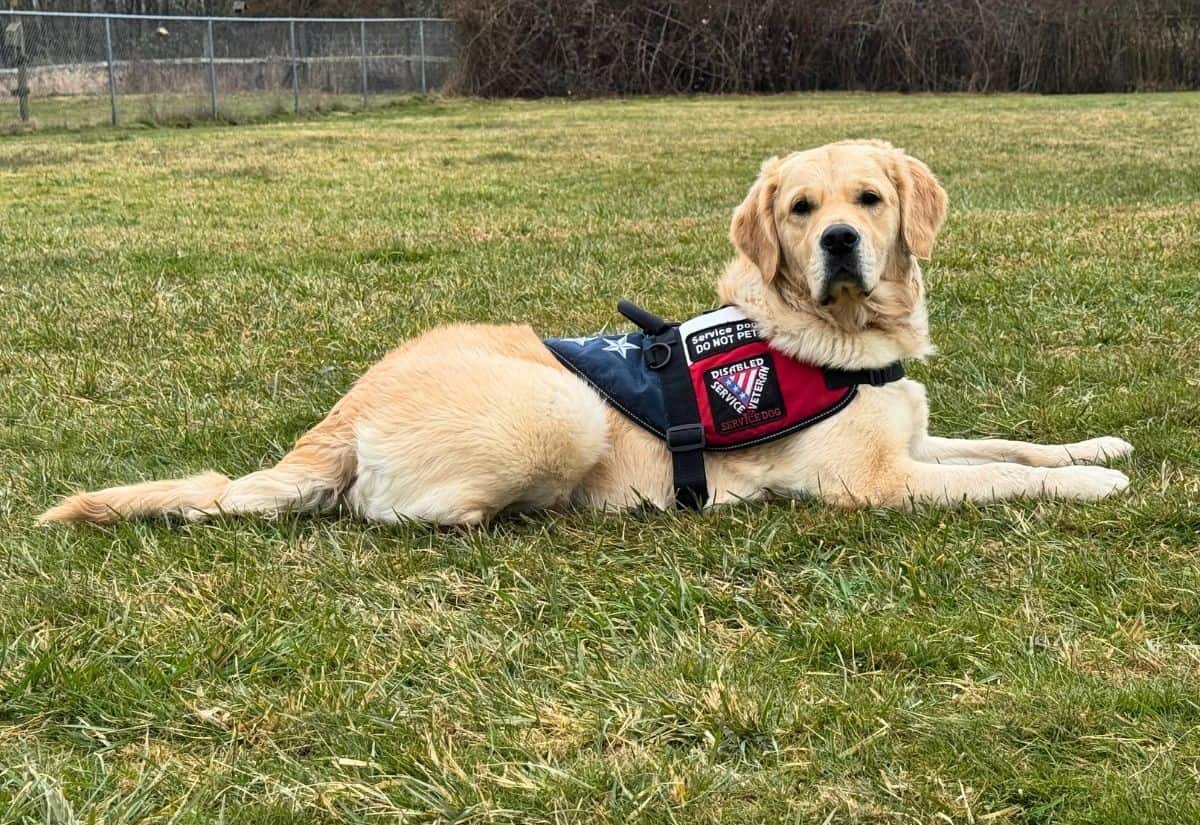
Credit: fooddrinklife.com
Preparing Your Service Dog
Preparing your service dog for travel ensures a smooth and safe journey for both of you. It takes careful planning and practice. Your dog must feel comfortable and behave well in new places and situations. This preparation helps reduce stress and makes travel enjoyable.
Training For Travel Situations
Train your service dog to stay calm in crowds and noisy areas. Practice walking on a leash in busy spots like airports or train stations. Teach your dog to ignore distractions such as loud sounds and strangers. Work on commands like “stay” and “heel” during travel scenarios. Help your dog get used to being in a crate or carrier if needed.
Health Check And Vaccinations
Schedule a vet visit before traveling. Ensure your dog is healthy and fit for the trip. Update all necessary vaccinations based on the destination’s rules. Ask the vet for any travel-specific advice or medications. Keep a copy of your dog’s health records and vaccination certificates with you.
Packing Essentials For Your Dog
Prepare a travel bag with all your dog’s needs. Include:
- Leash and harness
- Identification tags and service dog vest
- Food, water, and bowls
- Medication and first aid supplies
- Waste bags and cleaning wipes
- Favorite toys and comfort items
Having these items ready helps your dog feel secure and cared for. It also keeps you organized during travel.
Booking Travel Accommodations
Booking travel accommodations with a service dog requires careful planning and clear communication. Your goal is to ensure both you and your service dog are comfortable and welcomed throughout the journey. Understanding the rules and options available can make your travel experience smoother and less stressful.
Choosing Pet-friendly Airlines
Not all airlines treat service dogs the same way. Some have specific policies that prioritize your comfort and accessibility, while others might have more restrictions.
Before booking, check the airline’s service dog policy on their website. Confirm if they require advance notice or documentation. Some airlines allow you to reserve a spot for your service dog early to avoid last-minute issues.
Have you ever faced unexpected fees or restrictions at the airport? Knowing which airlines have a reputation for accommodating service dogs can save you from that hassle. Airlines like Alaska Airlines and JetBlue are often praised for their clear and supportive policies.
Hotel And Lodging Options
Finding the right place to stay means more than just a pet-friendly sign. You need to know if the hotel truly welcomes service dogs without extra charges or restrictions.
Call ahead to the hotel and explain your situation. Ask about accessible rooms, nearby relief areas for your dog, and if there are any rules you should be aware of. Some hotels even offer special amenities for service dogs, such as water bowls or designated walking areas.
Have you ever been denied access or charged a pet fee for your service dog? That shouldn’t happen. Federal laws protect your right to stay with your service dog, so be prepared to politely remind hotel staff of this if necessary.
Transportation Considerations
Traveling with a service dog goes beyond planes and hotels. Think about how you’ll get around your destination comfortably and safely.
Public transportation, rideshares, and taxis often have different rules for service animals. Check their policies beforehand and, if possible, notify the driver or company in advance. Some cities have accessible transport options specifically designed for passengers with service dogs.
Have you planned how your service dog will handle long rides or waiting periods? Bringing familiar items like a blanket or toy can help keep your dog calm. Also, consider travel times that avoid peak traffic or crowded areas to reduce stress for both of you.
Navigating Airports And Security
Traveling with a service dog requires planning for smooth airport and security checks. Prepare necessary documents and inform staff about your dog’s role. Keep your dog calm and close to avoid delays during screening.
Navigating airports and security with a service dog can be a daunting task, but it doesn’t have to be. Preparing in advance and understanding the necessary protocols can make the experience smoother for both you and your service dog. Let’s dive into some essential tips to ensure a stress-free journey through airports.Tsa Guidelines For Service Dogs
Before you head to the airport, familiarize yourself with the TSA guidelines for service dogs. Service dogs are allowed to accompany their handlers through security checkpoints. However, both you and your dog will need to go through screening. Keep your service dog’s identification handy, as TSA officers might ask for it. You can either walk with your dog through the metal detector or request a hand screening if that’s more comfortable. Remember, it’s crucial to stay calm and patient during this process.Managing Stress In Crowded Areas
Airports can be overwhelming for service dogs due to the noise and bustling crowds. To manage stress, gradually accustom your dog to busy environments before your trip. Practice in local crowded places like malls or parks to build your dog’s confidence. Carry some of your dog’s favorite treats or toys to provide comfort and distractions. A calm handler often results in a calm dog, so take deep breaths and maintain a positive demeanor. How do you handle stress in crowded places?Handling Delays And Layovers
Delays and layovers can be challenging, but they also offer a chance for rest and bonding. Use layovers to find designated pet relief areas for your service dog to stretch and relieve themselves. Engage your dog with short training sessions or play to keep them entertained. Always keep an eye on flight updates to manage your time efficiently and prevent last-minute rushes. What strategies do you use to stay calm and organized during travel delays?Travel Etiquette With Service Dogs
Traveling with a service dog requires more than just preparation and paperwork. Knowing how to navigate social situations respectfully can make your journey smoother. Understanding travel etiquette with service dogs helps protect your rights while ensuring a positive experience for everyone around you.
Interacting With The Public
People often want to approach your service dog, but it’s important to control these interactions. You can politely explain that your dog is working and cannot be distracted. This helps set clear boundaries without offending curious strangers.
Sometimes, children might reach out to pet your dog. A simple, calm response like, “My dog is on duty right now,” educates them gently. Have you noticed how most people respect your space once you explain your dog’s role?
Respecting Others’ Space
Your service dog is trained to stay close to you, but others might not realize this. Always position yourself and your dog where you won’t block walkways or crowd others. This small effort prevents discomfort and keeps your travels hassle-free.
Consider how you would feel if someone’s dog approached you without permission. Keeping your service dog close respects others’ comfort and personal space. This awareness shows thoughtfulness and professionalism in public settings.
Dealing With Unwanted Attention
Unwanted attention can be tiring, especially during long trips. Some people may ask intrusive questions or try to touch your dog despite your warnings. Prepare short, clear responses to handle these moments confidently.
- “My dog is working and can’t be distracted.”
- “I’m happy to answer questions, but please don’t pet my dog right now.”
- “Thanks for understanding our needs.”
How do you keep your cool when faced with persistent curiosity? Practicing polite but firm replies can save your energy and keep your dog focused on the task.
Maintaining Your Dog’s Comfort
Traveling with a service dog requires special care to keep your companion comfortable. Changes in environment, noise, and routine can affect their well-being. Paying attention to their needs ensures a smooth and pleasant trip.
Recognizing Signs Of Stress
Service dogs may show stress through body language and behavior. Watch for:
- Excessive panting or drooling
- Restlessness or pacing
- Avoiding eye contact or hiding
- Whining or barking more than usual
- Shaking or trembling
Noticing these signs early helps you take action quickly. Calm your dog with gentle petting and soothing words.
Providing Breaks And Exercise
Regular breaks help your dog relax and stretch muscles. Plan stops every two to three hours. Use these moments to:
- Let your dog walk and sniff around
- Practice simple commands to keep focus
- Offer a quiet space away from crowds
Exercise reduces anxiety and keeps your dog healthy. Avoid long periods confined to crates or carriers.
Hydration And Nutrition Tips
Keep your dog hydrated throughout the trip. Offer water often, especially in warm weather. Use a portable water bowl for convenience.
Feed your dog familiar food at regular times. Avoid sudden diet changes to prevent stomach upset. Pack enough food and treats for the journey.
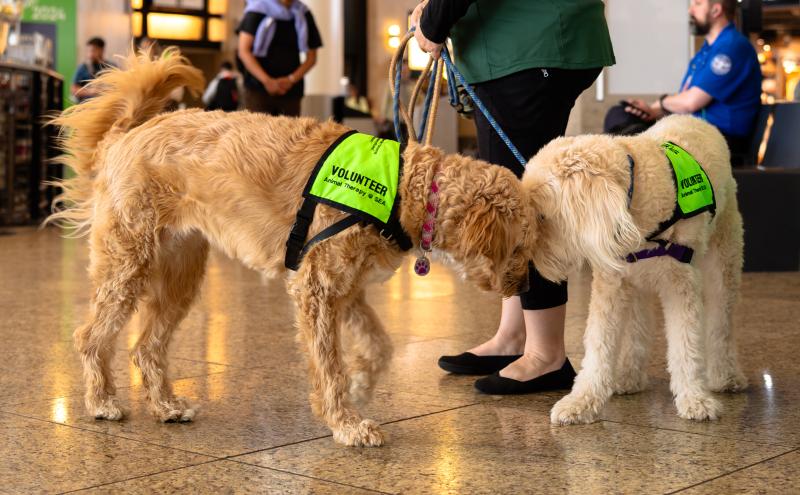
Credit: www.portseattle.org
Legal Rights And Documentation
Traveling with a service dog requires knowing your legal rights and keeping the right documents ready. These rules protect you and your dog in many places. Understanding them helps avoid problems during trips.
Service Dog Identification
Service dogs do not need official ID tags by law. Still, having identification can make travel smoother. Many handlers use:
- Vests or harnesses labeled “Service Dog”
- ID cards from training organizations
- Written documentation from a healthcare provider
These items help show your dog is trained to assist you. Airlines and hotels may ask for proof. Carrying these helps prove your dog’s role quickly.
Understanding Ada And Travel Laws
The Americans with Disabilities Act (ADA) protects your right to bring a service dog to public places. This includes airports, buses, and hotels. Airlines follow the Air Carrier Access Act (ACAA), allowing service dogs on planes.
Rules vary by state and country, so check local laws before traveling. Some places require documentation or advance notice. Knowing these laws helps you plan better and avoid surprises.
Handling Disputes And Challenges
Some staff may question your service dog. Stay calm and polite. Explain your rights clearly. Show any identification or documents you have.
If denied access, ask for a supervisor or manager. Keep records of any incidents. You can file complaints with the Department of Transportation or other agencies.
Knowing how to respond protects your rights and your dog’s role. Prepare for challenges to ensure a smooth journey.
Adapting To Different Destinations
Traveling with your service dog means adapting not just your plans but also how you care for your companion in new places. Each destination comes with unique challenges that can affect your dog’s comfort and performance. Being prepared helps you and your service dog stay safe, healthy, and effective no matter where you go.
Climate And Environment Adjustments
Different climates can impact your service dog’s health and behavior. Hot weather may require extra hydration and shade breaks, while cold climates call for warm gear and shorter outdoor times. If you’re heading to a place with high altitude or humidity, watch for signs of distress like heavy panting or lethargy.
Think about your dog’s breed and coat type. A thick-coated dog might struggle in tropical heat, while a short-haired dog could be uncomfortable in snowy areas. Adjust your daily routine to include more frequent rest stops or indoor breaks to keep your dog comfortable.
Local Regulations For Service Dogs
Rules about service dogs vary widely from country to country and sometimes even between cities. Some places require specific documentation, while others may have restrictions on where service dogs are allowed. Research local laws before you travel to avoid surprises.
Contact local disability organizations or government websites to confirm what paperwork you need. Carry your dog’s identification, vaccination records, and any official certification. Knowing these details can save you time and stress at airports, hotels, and public transportation.
Finding Veterinary Services Abroad
Access to quality veterinary care is crucial when you’re away from home. Before you leave, locate veterinary clinics near your destination and save their contact information. This is especially important if your dog has ongoing health issues or special needs.
Consider how emergencies will be handled. Ask if the clinics offer 24/7 service and if they speak your language. Preparing in advance lets you focus more on your trip and less on worrying about your dog’s health.

Credit: www.tsa.gov
Frequently Asked Questions
What Documents Are Needed To Travel With A Service Dog?
You must carry your service dog’s identification and vaccination records. Airlines may require a service dog letter from a licensed professional. Check airline policies before traveling to avoid issues.
Can Service Dogs Accompany Passengers On Flights?
Yes, service dogs are allowed in the cabin with their owners. Airlines follow ADA rules permitting service dogs onboard. Inform the airline ahead of time to ensure a smooth process.
How To Prepare A Service Dog For Travel?
Familiarize your dog with travel gear and practice obedience commands. Ensure your dog is comfortable with crowds and noises. Pack essentials like water, food, and waste bags for the journey.
Are There Restrictions On Service Dogs In Hotels?
Most hotels accept service dogs without extra fees. Always notify the hotel in advance about your service dog. Be ready to provide documentation if requested by the hotel staff.
Conclusion
Traveling with a service dog takes careful planning and patience. Keep your dog’s needs in mind at all times. Always carry important documents and supplies for your dog. Respect rules and be polite to others around you. Your service dog helps make travel easier and safer.
Enjoy your trip with confidence and calm. Every journey becomes better with the right preparation. Trust your bond and face new places together. Safe travels!


