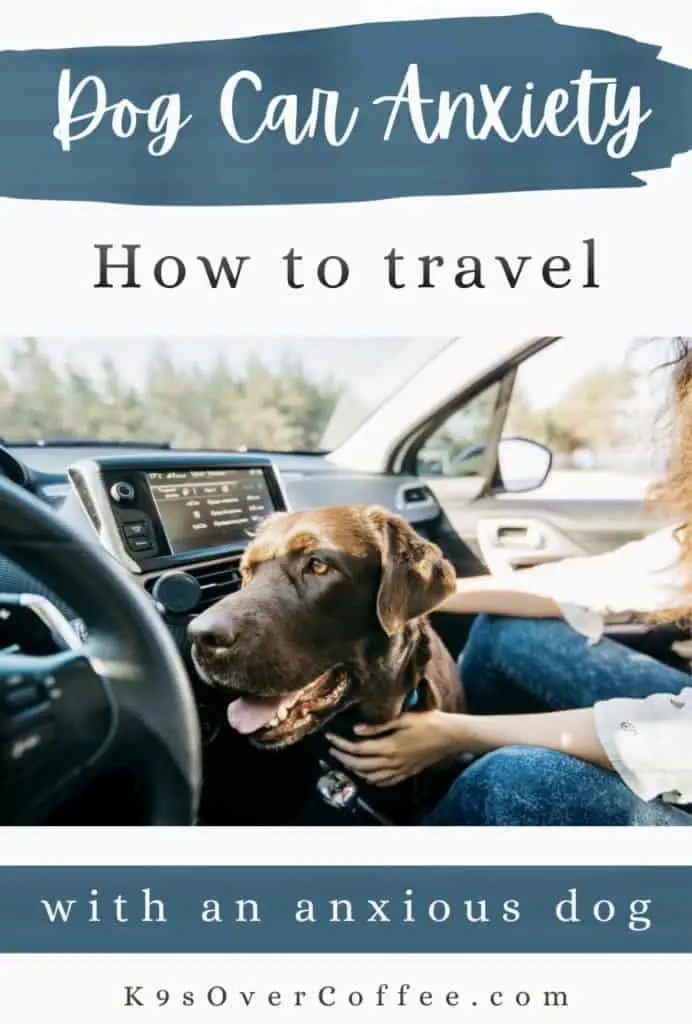

Traveling with your dog can be exciting, but what if your furry friend feels anxious every time you hit the road? You want to enjoy your trip, but their stress makes it hard for both of you.
Imagine a calm, happy dog by your side, ready to explore without fear or worry. You’ll discover simple, effective ways to ease your dog’s anxiety during travel. Keep reading to learn how to make every journey smooth and enjoyable for you and your best friend.
Preparing Your Dog Before The Trip
Preparing your dog before a trip helps reduce travel anxiety. It makes the journey smoother for both of you. Start early to give your dog enough time to adjust. Small steps build comfort and confidence.
Familiarizing With Travel Gear
Introduce travel gear like crates, harnesses, and seat belts at home. Let your dog sniff and explore these items freely. Place treats or toys inside the crate to create a safe space. Short practice sessions help your dog get used to wearing harnesses. Gradually increase the time your dog spends with the gear. This reduces fear and builds trust.
Building Positive Associations
Turn travel preparations into fun activities. Reward calm behavior near travel gear with treats and praise. Play games around the travel equipment to make it exciting. Use a calm voice to reassure your dog. Avoid forcing your dog into the crate or car. Positive experiences help your dog feel safe and happy.
Consulting A Veterinarian
Visit the vet before the trip to discuss your dog’s anxiety. Ask about calming supplements or medications if needed. Check your dog’s health to prevent travel problems. Your vet can suggest safe ways to ease stress during travel. Follow the vet’s advice closely for the best results.

Credit: www.k9sovercoffee.com
Choosing The Right Travel Method
Choosing the right travel method is key for your anxious dog’s comfort. Each mode of travel affects stress levels differently. Understanding your dog’s needs helps pick the best option. Safety, duration, and environment play a big role. Prepare to reduce anxiety and make the journey smooth.
Car Travel Tips
Car trips can be less stressful if planned well. Keep your dog secure with a harness or crate. Stop often for bathroom breaks and water. Use familiar blankets or toys for comfort. Drive smoothly and avoid loud music or sudden stops. Short practice drives build your dog’s confidence.
Air Travel Considerations
Air travel may cause more anxiety due to noise and confinement. Check airline rules for pet travel and carrier size. Book direct flights to reduce travel time. Use a sturdy, well-ventilated crate with familiar items inside. Talk to your vet about calming options. Arrive early to avoid rushing and stress.
Alternative Transport Options
Train or ferry travel can offer a calmer environment. Research pet policies before booking tickets. Trains usually provide more space and fresh air breaks. Ferries allow dogs to move around on deck. Always bring water, food, and comfort items. Choose times with fewer passengers for a quiet trip.
Packing Essentials For Your Anxious Dog
Comfort items like favorite toys and blankets help ease your dog’s stress during travel. Packing treats and calming sprays supports a smoother journey for anxious pups. Familiar scents and safe spaces make trips less scary for nervous dogs.
Traveling with an anxious dog requires careful planning. Packing the right items can help soothe your furry friend. Essential items can make the journey smoother for both of you.Comfort Items
Bring your dog’s favorite blanket or toy. These familiar items provide comfort. A calming vest can also help. It applies gentle pressure, reducing stress. Consider a portable bed for added relaxation.Food And Medication
Pack enough food for the trip. Stick to your dog’s regular diet. Sudden changes can upset their stomach. Bring any necessary medications. Keep them in a secure container. This ensures easy access when needed.Safety Gear
Safety is crucial during travel. Use a sturdy leash and collar. Include identification tags with contact details. A harness can offer better control. Consider a pet carrier for long journeys. It keeps your dog safe and contained. `Calming Techniques During The Journey
Traveling with an anxious dog can be challenging, but using effective calming techniques during the journey can make a big difference. Keeping your dog relaxed helps prevent stress-related behaviors and makes the trip enjoyable for both of you. Let’s look at practical ways to create a soothing travel experience.
Using Calming Aids
Calming aids can provide your dog with extra comfort during travel. Consider natural options like pheromone sprays or collars that mimic the feeling of safety. These products release scents that help reduce anxiety without sedating your pet.
Some dogs respond well to calming chews containing ingredients like chamomile or valerian root. Before the trip, test these aids at home to ensure your dog has no adverse reaction. Have you tried any calming aids that worked wonders for your dog?
Maintaining A Calm Environment
Your mood directly affects your dog’s anxiety. Stay calm and speak in a soft, reassuring tone. Avoid loud music or sudden noises that might startle your pet.
Keep your dog’s favorite blanket or toy nearby to provide a sense of familiarity. Position their crate or seat in a way that limits outside distractions but still allows them to see you. Have you noticed how your dog reacts to different environments during travel?
Regular Breaks And Exercise
Frequent stops give your dog a chance to stretch and release built-up tension. Use these breaks for a short walk or gentle play, which helps lower stress hormones.
Even a few minutes of exercise can reset your dog’s mood and energy level. Plan your route with pet-friendly rest areas in mind. How often do you pause during trips to check on your dog’s comfort and well-being?
Handling Anxiety In New Environments
Handling anxiety in new environments is a crucial part of traveling with an anxious dog. New sights, sounds, and smells can easily overwhelm your furry friend, making the experience stressful for both of you. The goal is to create a calm and reassuring atmosphere wherever you go.
Settling Into Accommodations
When you arrive at your accommodation, take time to set up a familiar space for your dog. Bring along their favorite blanket, toys, and even a piece of your clothing with your scent. This small effort can provide comfort and a sense of security amid unfamiliar surroundings.
Allow your dog to explore the new space at their own pace. Avoid rushing or forcing them into areas that seem intimidating. Have you noticed how your dog reacts when you move slowly and speak softly? That gentle approach often helps them relax faster.
Managing Social Interactions
New environments often mean new people and animals. Observe your dog’s body language closely to know when they feel stressed or overwhelmed. If your dog shows signs of anxiety, gently remove them from the situation rather than pushing them to interact.
Introduce social interactions gradually. Start with quiet, controlled encounters before moving on to busier places. Have you tried using treats or praise to reward calm behavior during social moments? This positive reinforcement can build confidence over time.
Keeping A Routine
Maintaining your dog’s daily routine is one of the best ways to reduce anxiety. Stick to regular feeding times, walks, and rest periods as much as possible. Familiar routines give your dog a sense of predictability, which is comforting in new environments.
Even small actions like walking the same route or using the same commands can help your dog feel grounded. What routines can you keep consistent no matter where you travel? Focusing on these can ease the stress of change for your dog.
Credit: fittyfoodlicious.com
Post-trip Care For Your Dog
After a trip, your anxious dog needs gentle care to recover. Traveling can cause stress and disrupt their normal habits. Taking time to help your dog settle back is essential. Focus on calming their mind and body.
Monitoring Stress Levels
Watch your dog closely for signs of stress. These signs include pacing, whining, or hiding. Check for changes in appetite or sleep patterns. Keep a calm environment with familiar items like toys or blankets. If stress signs persist, consult your vet for advice.
Gradual Return To Normal Routine
Slowly bring your dog back to their regular schedule. Start with normal feeding times and short walks. Avoid sudden changes in activities or new places. Consistency helps your dog feel safe and secure. Patience is key during this transition period.
Rewarding Positive Behavior
Encourage calm and relaxed behavior with treats and praise. Use gentle words and gentle petting to show approval. Positive reinforcement builds your dog’s confidence after travel stress. Celebrate small steps toward feeling comfortable again.

Credit: www.adaptil.co.uk
Frequently Asked Questions
How Can I Calm My Anxious Dog Before Traveling?
Calm your dog by using familiar items like their favorite toy or blanket. Practice short trips to reduce stress. Use calming sprays or pheromones. Speak softly and offer treats to comfort them during travel.
What Are The Best Travel Tips For Anxious Dogs?
Prepare your dog by crate training before the trip. Keep their routine consistent. Provide water and frequent breaks. Avoid feeding right before travel. Use a secure, comfortable carrier for safety and comfort.
Should I Consult A Vet For My Anxious Dog Before Travel?
Yes, consult your vet to discuss anxiety management options. They may recommend medication or natural calming aids. A vet’s advice ensures safe and effective solutions tailored to your dog’s needs during travel.
How Do I Choose Safe Travel Gear For My Anxious Dog?
Choose a well-ventilated, comfortable carrier with secure locks. Look for soft bedding to reduce stress. Ensure the carrier fits your dog’s size. Avoid loud or restrictive gear that may increase anxiety.
Conclusion
Traveling with an anxious dog takes patience and care. Prepare well before your trip to ease your dog’s stress. Bring familiar items like toys or blankets for comfort. Keep your dog close and speak in calm tones. Small breaks help your dog relax during travel.
Watch your dog’s behavior and adjust plans if needed. Enjoy your journey together, creating happy memories. Every trip can improve with practice and love. Your dog will feel safer with your steady support. Safe travels and happy adventures await you both!