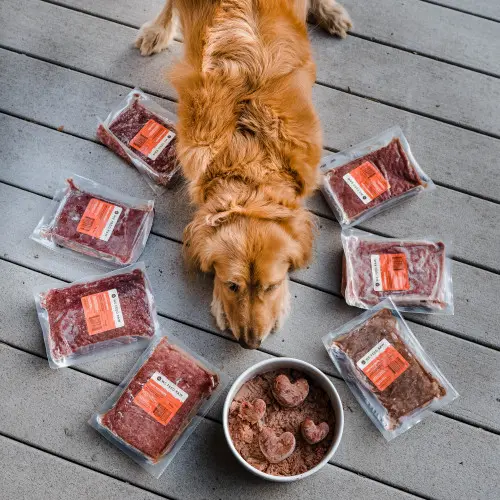

If you want the best for your dog’s health and happiness, choosing the right food is key. You might have heard about raw food diets but aren’t sure if they’re right for your furry friend.
Imagine your dog having more energy, shinier fur, and better digestion—all from what’s on their plate. This article will show you why raw food could be the best choice for your dog’s well-being. Keep reading to discover how a simple change in diet can make a big difference in your dog’s life.
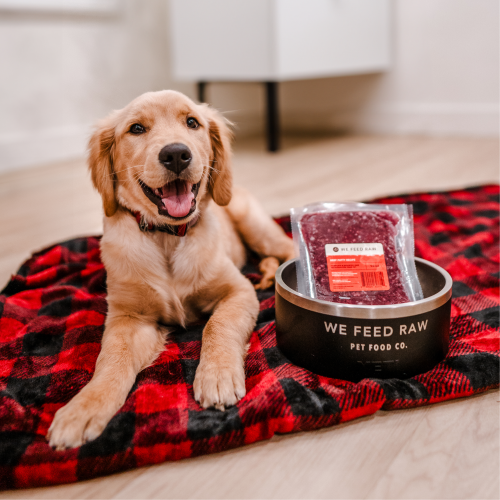
Credit: wefeedraw.com
Benefits Of Raw Diet
A raw diet offers many health benefits for dogs. It provides natural nutrients in their purest form. Dogs thrive on raw food as it closely mimics their ancestral diet. This diet supports overall well-being and vitality. Here are some key benefits of feeding dogs a raw diet.
Improved Digestion
Raw food contains natural enzymes that help break down food. These enzymes make digestion easier and faster. Dogs often experience less gas and firmer stools. A raw diet supports a healthy gut flora. It reduces the risk of digestive problems over time.
Shinier Coat And Healthier Skin
Raw food is rich in essential fatty acids like omega-3 and omega-6. These fats nourish the skin and coat deeply. Dogs show a noticeable shine and softness in their fur. Skin irritations and dryness often decrease. This leads to fewer itchy spots and healthier skin overall.
Enhanced Energy Levels
Raw diets supply high-quality protein and nutrients. These help build strong muscles and maintain stamina. Dogs feel more active and playful throughout the day. Their endurance improves during exercise and playtime. The diet supports steady energy release without crashes.
Stronger Immune System
Raw food contains natural vitamins and antioxidants that boost immunity. This helps dogs fight off infections and illnesses. A stronger immune system means fewer vet visits and medications. The diet also supports quicker recovery after sickness. Overall, dogs stay healthier and live longer lives.
Key Nutrients In Raw Food
Understanding the key nutrients in raw food helps you see why it’s often the best choice for your dog’s diet. Raw food delivers nutrients in their most natural and bioavailable form, which supports your dog’s health on many levels. Let’s break down these vital nutrients so you know exactly what your dog gets from a raw diet.
Essential Proteins And Fats
Proteins in raw food come from real meat, bones, and organs, providing all the amino acids your dog needs to build strong muscles and repair tissues. Unlike processed kibble, these proteins are unaltered by heat, preserving their quality and digestibility.
Fats in raw food supply energy and help absorb fat-soluble vitamins like A, D, E, and K. They also keep your dog’s coat shiny and skin healthy. Think about the last time you fed your dog a meal rich in fresh meat — did you notice more energy or a healthier shine?
Vitamins And Minerals
Raw diets naturally contain a wide range of vitamins and minerals essential for your dog’s overall well-being. These include calcium from raw bones, zinc from organ meats, and vitamin B complex from fresh muscle meat.
Many commercial diets lose these nutrients during processing. Feeding raw food helps ensure your dog gets these vital elements without synthetic additives. Have you checked your dog’s vitamin intake lately?
Natural Enzymes
Raw food is packed with natural enzymes that aid digestion and nutrient absorption. Cooking destroys these enzymes, which means your dog’s digestive system has to work harder to break down cooked meals.
Enzymes help break down proteins, fats, and carbohydrates more efficiently, reducing digestive stress. Have you ever noticed a difference in your dog’s digestion after switching to fresher meals?
Common Ingredients In Raw Meals
Raw meals for dogs often include fresh meat, bones, and vegetables. These ingredients provide natural nutrients and promote better digestion. Feeding raw food supports a dog’s health with fewer fillers and additives.
Common Ingredients in Raw Meals When considering a raw food diet for your dog, the ingredients you choose are crucial to ensuring they receive balanced nutrition. A raw meal isn’t just a slab of meat thrown into a bowl. It’s a carefully curated combination of various elements that cater to your dog’s dietary needs. Understanding what to include will help you make the best choices for your furry friend.Raw Meats And Organs
Raw meats are the cornerstone of any raw diet. They provide essential proteins and fats that are vital for your dog’s health. Options like chicken, beef, and lamb are popular choices. Organs such as liver, kidney, and heart are nutrient powerhouses, offering vitamins and minerals that aren’t found in muscle meat. Did you know dogs are natural scavengers? In the wild, they consume the entire prey, including organs, which are packed with nutrients. Including a variety of meats and organs ensures your dog receives a full spectrum of nutrition.Fresh Vegetables And Fruits
Adding fresh vegetables and fruits to your dog’s raw meals can boost their vitamin intake. Carrots, spinach, and apples are excellent choices. They not only provide fiber but also antioxidants that support overall health. Have you ever noticed your dog munching on grass? This behavior might indicate a need for greens. Including small amounts of veggies and fruits can mimic this natural behavior while providing essential nutrients.Bone Content And Benefits
Bones play a dual role in a raw diet: they provide calcium and phosphorus, and they help keep your dog’s teeth clean. Raw bones like chicken necks or beef ribs are safe when fed under supervision. Chewing on bones can be a great mental exercise for dogs. It satisfies their natural chewing instincts and promotes dental health. Remember to avoid cooked bones, as they can splinter and cause harm. Curious if a raw diet is right for your dog? Consider starting with a small portion and observe how your dog responds. Tailoring the raw meal with these ingredients can lead to a healthier, happier pet.Comparing Raw And Commercial Diets
Choosing the right diet for dogs means understanding the differences between raw and commercial food. Both options provide nutrition but vary greatly in ingredients and preparation. Raw diets focus on natural, unprocessed foods, while commercial diets often rely on processed ingredients to ensure shelf life and convenience. This section breaks down how these two diets compare in nutrition, additives, and long-term health effects.
Nutritional Differences
Raw food offers whole, natural nutrients in their original form. Proteins, fats, and vitamins remain intact and easily absorbed. Commercial diets often use processed ingredients, which can reduce nutrient quality. Many commercial foods contain fillers like corn or wheat that add calories but little nutrition. Raw diets provide balanced nutrients closer to what a dog would eat in the wild. This helps support strong muscles, healthy skin, and good energy levels.
Additives And Preservatives
Raw diets avoid artificial additives. No chemicals, colors, or preservatives are added. This means fewer chances of allergies or reactions. Commercial diets rely on preservatives to extend shelf life. These can include BHA, BHT, and ethoxyquin. Some dogs may develop sensitivities to these additives. Raw food’s lack of preservatives offers a cleaner, more natural meal every time.
Long-term Health Impacts
Feeding raw food can improve digestion and reduce allergies. Dogs often have shinier coats and better dental health. Raw diets may lower the risk of obesity and chronic diseases. Commercial diets sometimes lead to weight gain and digestive issues. Processed foods can cause inflammation over time. Choosing raw food promotes overall wellness and longevity in dogs.
Potential Risks And Safety Tips
Switching your dog to a raw food diet brings many benefits, but it also comes with potential risks. Understanding these risks and knowing how to handle them can keep your furry friend safe and healthy. Let’s look at some key safety tips to help you navigate this change confidently.
Avoiding Bacterial Contamination
Raw meat can carry harmful bacteria like Salmonella and E. coli. Handling raw food carefully is essential to avoid contamination. Always wash your hands, bowls, and surfaces thoroughly after preparing your dog’s meals.
Freezing raw meat before serving can reduce some bacteria, but it doesn’t eliminate all risks. Consider buying meat from trusted suppliers who follow strict hygiene standards. Ask yourself: Are you ready to commit to the extra cleaning and vigilance needed?
Balancing Nutrients
Raw diets can lack essential nutrients if not planned properly. Dogs need the right mix of protein, fat, vitamins, and minerals to stay healthy. Feeding only muscle meat, for example, can cause calcium deficiency.
Adding bones, organs, and supplements can help balance your dog’s diet. You might want to track what you feed and adjust as needed. Have you checked whether your dog’s raw diet meets all its nutritional needs?
Consulting Your Veterinarian
Your vet can offer valuable advice tailored to your dog’s health and lifestyle. They can recommend necessary supplements or tests to monitor your dog’s condition. Don’t hesitate to ask questions about raw feeding risks and benefits.
Some dogs may have health conditions that make raw diets unsafe. If your vet raises concerns, discuss alternatives or adjustments. How often do you communicate with your vet about your dog’s diet?
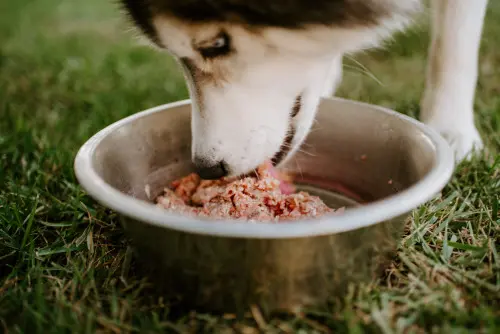
Credit: wefeedraw.com
Transitioning To A Raw Diet
Switching your dog to a raw food diet requires care and patience. Dogs need time to adjust to new food textures and flavors. A smooth transition reduces the risk of stomach upset and ensures your dog enjoys the new diet.
Gradual Introduction
Start by mixing a small amount of raw food with your dog’s current diet. Increase the raw portion slowly over 7 to 10 days. This gentle change helps your dog’s digestive system adapt without stress. Watch for any signs of discomfort or refusal to eat.
Monitoring Your Dog’s Response
Observe your dog’s energy, coat, and stool quality during the switch. Healthy digestion means firm stools without diarrhea or constipation. A shiny coat and lively behavior show the diet suits your dog. Take notes to track any changes or issues.
Adjusting Portions And Ingredients
Adjust food amounts based on your dog’s size, activity, and health needs. Add variety by including different meats, organs, and vegetables. Avoid sudden ingredient changes to prevent digestive upset. Balance is key for complete nutrition.
Success Stories And Testimonials
Success stories and testimonials reveal powerful evidence of how raw food diets can transform your dog’s life. Many owners witness remarkable changes that go beyond just physical health. These real-life accounts offer practical proof and inspire confidence in making the switch for your furry friend.
Improved Health Cases
Several dog owners report noticeable improvements in their pets’ health after switching to raw food. Dogs suffering from allergies often experience reduced itching and skin irritation within weeks. Joint problems and arthritis symptoms can ease as the diet supplies natural nutrients that support cartilage and reduce inflammation.
One owner shared how her senior dog regained energy and mobility after years of stiffness. This kind of turnaround raises the question: Could your dog’s diet be the key to better health?
Behavioral Changes
Raw food can influence more than just the body—it can affect behavior too. Many owners notice calmer and more balanced dogs after changing their diet. Hyperactivity often decreases, while focus and responsiveness improve.
These changes may result from the absence of artificial additives and fillers found in many commercial dog foods. Have you observed shifts in your dog’s mood linked to diet changes?
Owner Experiences
Owners frequently describe a deeper connection with their dogs through raw feeding. Preparing fresh meals creates a bonding routine that benefits both pet and person. Many appreciate the transparency and control over ingredients, leading to greater trust in what their dogs eat.
- Some owners report fewer vet visits and lower medical costs.
- Others highlight the joy of seeing their dogs thrive with shiny coats and bright eyes.
- Many emphasize the satisfaction of feeding a diet closer to what nature intended.
Could switching to raw food bring similar benefits to your dog and your relationship?
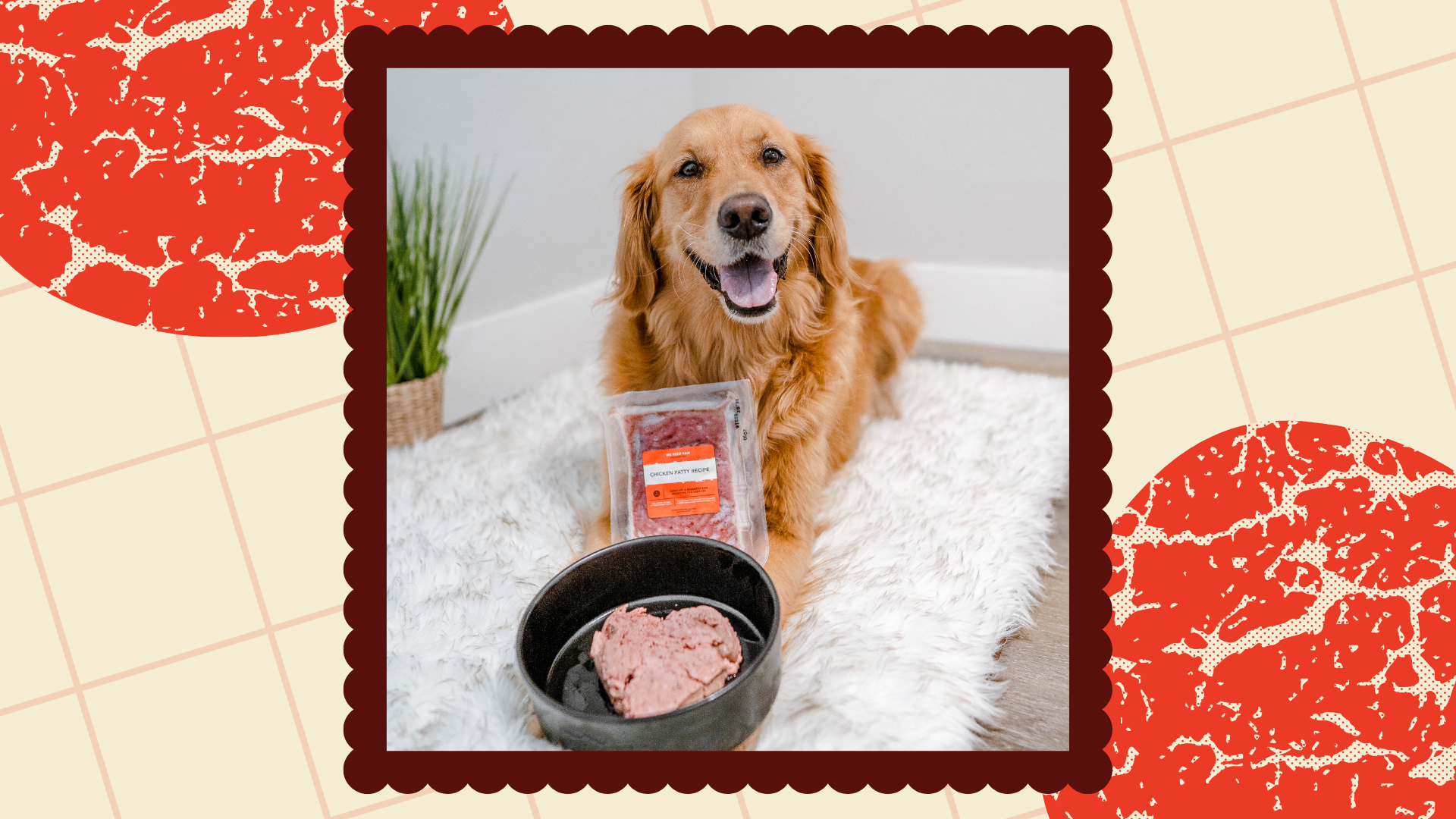
Credit: wefeedraw.com
Frequently Asked Questions
What Are The Main Benefits Of Raw Food For Dogs?
Raw food provides better digestion, shinier coats, and increased energy. It supports dental health and boosts the immune system naturally.
Is Raw Food Safer Than Commercial Dog Food?
Raw food is safer when handled properly. It avoids preservatives and fillers found in commercial foods, reducing allergies and digestive issues.
How Does Raw Food Improve My Dog’s Digestion?
Raw food contains natural enzymes that aid digestion. It promotes healthy gut bacteria and reduces constipation or diarrhea problems in dogs.
Can Raw Food Help With My Dog’s Allergies?
Yes, raw diets often reduce allergies. They eliminate common allergens like grains and artificial additives found in many dog foods.
Conclusion
Feeding dogs raw food supports their natural health and energy. It helps improve digestion and keeps their coat shiny. Many dogs enjoy the taste and variety of raw meals. Always choose fresh, safe ingredients for your pet’s meals. Consult a vet to balance nutrients properly.
Raw food can build stronger immunity and better overall wellness. A happy, healthy dog feels great every day. Give your dog the diet nature intended. Simple, natural food often brings the best results.