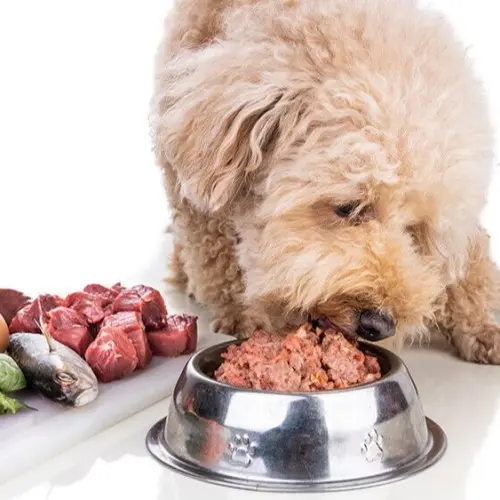

Are you wondering if feeding your dog raw food is the right choice? You want the best for your furry friend, and the idea of raw meals might seem healthier and more natural.
But is raw food really better for your dog’s health and happiness? Before you make any changes, it’s important to understand the benefits and risks. Keep reading to discover what raw food can do for your dog and whether it’s the right option for your pet’s unique needs.
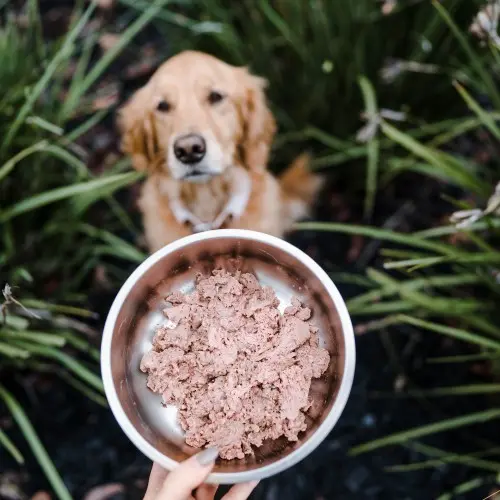
Credit: wefeedraw.com
Benefits Of Raw Diets
Choosing the right diet for your dog can feel overwhelming, especially with so many options available. Raw diets have gained attention for their potential to offer several health benefits that might not be as noticeable with traditional kibble. Understanding these benefits can help you decide if a raw food diet suits your dog’s unique needs.
Nutrient Retention
Raw diets often preserve more natural nutrients than cooked or processed foods. Cooking can break down important vitamins and enzymes that dogs need to thrive. Feeding raw means your dog gets these nutrients in their most natural form, potentially supporting better overall health.
For example, vitamin C and some B vitamins are sensitive to heat and may diminish during cooking. Raw feeding keeps these vitamins intact, helping your dog maintain a strong immune system. Have you noticed your dog seeming more energetic after switching to fresher meals?
Improved Digestion
Many dog owners report that their pets have better digestion on a raw diet. Raw foods contain natural enzymes that aid the digestive process, which are often lost in processed kibble. This can lead to smaller, firmer stools and less gas or bloating.
Dogs with sensitive stomachs or allergies might find relief when fed raw meals. The simplicity of raw ingredients can reduce exposure to fillers and artificial additives. Have you observed changes in your dog’s digestion after adjusting their diet?
Enhanced Coat And Skin Health
Feeding raw can have a noticeable impact on your dog’s coat and skin. The higher levels of omega fatty acids found in raw meats and fish contribute to a shinier coat and healthier skin. This can reduce itching, dryness, and shedding.
One dog owner noticed a dramatic improvement in her Labrador’s dull coat after switching to raw food within just a few weeks. Could your dog’s skin problems improve with a diet closer to what nature intended?
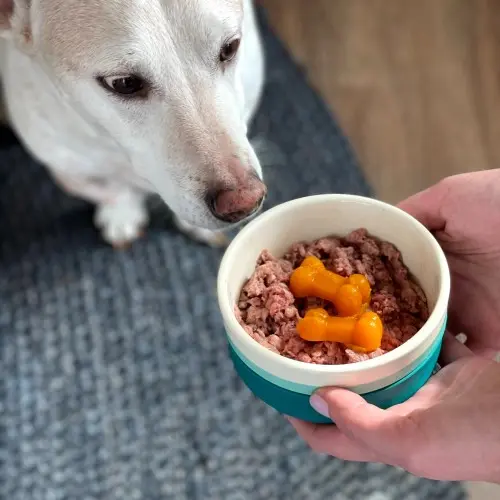
Credit: wefeedraw.com
Potential Risks
Feeding your dog raw food comes with some risks. These risks can affect your dog’s health seriously. Understanding these dangers helps you make better choices for your pet.
Bacterial Contamination
Raw meat may carry harmful bacteria like Salmonella and E. coli. These bacteria can cause severe illness in dogs and humans. Handling raw food requires careful hygiene. Always clean surfaces and wash hands after contact.
Nutritional Imbalances
Raw diets can lack essential nutrients if not well planned. Dogs need a balanced mix of vitamins, minerals, and proteins. Missing nutrients may lead to health problems over time. Consult a vet to ensure a complete diet for your dog.
Choking And Bone Hazards
Raw bones pose a risk of choking or internal injury. Small or cooked bones can splinter and cause damage. Choose safe bone options and supervise your dog while eating. Avoid giving bones that are too hard or brittle.
Comparing Raw And Commercial Diets
Raw diets offer fresh ingredients and fewer fillers than commercial options. Some dogs may benefit from improved digestion and shinier coats. Commercial diets provide convenience and balanced nutrition without preparation time.
Comparing Raw and Commercial Diets Choosing the right diet for your dog is a crucial decision that impacts their health and happiness. Many dog owners find themselves torn between raw food diets and commercial options. Each has its pros and cons, and understanding these differences is key to making an informed choice.Processing Effects
Commercial dog foods undergo significant processing. This often involves high heat, which can strip nutrients and alter the food’s natural state. On the flip side, raw diets maintain all the original nutrients, as they skip the intense processing stages. Have you noticed how your dog’s kibble doesn’t spoil quickly? That’s due to preservatives used in commercial foods. While this increases shelf life, it can introduce chemicals that aren’t ideal for your pet.Ingredient Quality
The quality of ingredients in raw diets is generally high. You often have control over what goes into your dog’s bowl, from fresh meats to organic vegetables. In contrast, commercial dog foods may contain fillers and by-products that are less beneficial. Think about the labels you read at the grocery store. Transparency is often lacking in commercial foods, making it hard to know exactly what you’re feeding your dog.Cost Considerations
Raw diets can be expensive, especially if you opt for organic or specialty items. The cost can add up, particularly if you have a large dog or multiple pets. Commercial foods, meanwhile, offer a range of price options, making them more budget-friendly for some. Consider your monthly budget and how much you’re willing to invest in your dog’s diet. Is the potential health benefit worth the extra cost of a raw diet?Veterinary Perspectives
Veterinary opinions on raw food diets for dogs vary widely. Many vets stress the importance of balanced nutrition. Some support raw feeding under careful conditions. Others warn about risks like bacteria and nutrient gaps. Understanding these views can help pet owners make smart choices.
Expert Recommendations
Veterinarians suggest consulting before starting raw food diets. They emphasize complete nutrition and food safety. Most agree commercial diets meet dogs’ needs better. Raw diets require careful planning to avoid health issues. Some vets recommend supplements to balance raw meals.
When Raw Diets Are Suitable
Raw diets may suit certain dogs under vet guidance. Dogs with food allergies sometimes benefit from raw food. Active dogs with high energy needs might thrive on raw diets. Owners must ensure ingredients are fresh and safe. Vets advise against raw diets for puppies, elderly, or sick dogs.
Monitoring Your Dog’s Health
Regular vet check-ups are vital for dogs on raw diets. Watch for signs of digestive upset or nutrient deficiencies. Blood tests can detect hidden health problems early. Maintain a food diary to track any changes in health. Always report unusual symptoms to your veterinarian promptly.
Transitioning To Raw Food
Switching your dog to a raw food diet can feel overwhelming at first. It’s not just about swapping kibble for meat; your dog’s digestive system needs time to adjust. Careful planning during this phase can prevent tummy troubles and ensure your dog stays happy and healthy.
Gradual Introduction
Start by mixing a small amount of raw food into your dog’s regular meals. Increase the raw portion slowly over one to two weeks. This gentle approach helps your dog’s digestive system get used to the new diet without causing upset stomach or diarrhea.
Watch how your dog reacts to each increase. If you notice any discomfort, pause or reduce the amount of raw food. Patience here pays off with a smoother transition and better acceptance.
Balancing Nutrients
Raw food isn’t just about meat; it needs to include the right balance of nutrients for your dog’s health. That means adding bones, organs, and some fruits or vegetables. Each part provides essential vitamins and minerals your dog needs daily.
Consult with a vet or pet nutritionist to design a diet that fits your dog’s breed, age, and activity level. Avoid feeding only muscle meat to prevent nutrient gaps. Remember, a balanced diet supports energy, coat health, and overall well-being.
Safe Handling Practices
Handling raw food safely is crucial to protect your dog and your household. Always wash your hands before and after prepping your dog’s meals. Use separate utensils and cutting boards to avoid cross-contamination with your own food.
Store raw ingredients in sealed containers and keep them refrigerated or frozen. Don’t leave raw food out for too long, especially in warm weather. These small steps reduce the risk of harmful bacteria and keep your dog safe.
Common Myths Debunked
Many dog owners hear mixed messages about feeding raw food to their pets. Some myths create confusion and fear. It’s important to separate facts from fiction. Knowing the truth helps you make smart choices for your dog’s diet.
Raw Food And Allergies
Some believe raw food causes allergies in dogs. This is not always true. Allergies depend on individual dogs and their sensitivities. Raw diets often remove processed ingredients that cause reactions. Fresh ingredients can reduce allergy risks for some dogs.
Raw Diets Guarantee Better Health
Raw food does not guarantee perfect health. Many factors affect a dog’s well-being, such as genetics and exercise. A balanced diet is key, whether raw or cooked. Nutrient balance matters more than the food type alone. Raw food needs careful preparation to be safe and complete.
All Dogs Thrive On Raw Food
Not all dogs do well on raw diets. Some dogs have health conditions that need special diets. Puppies, seniors, or dogs with weak immune systems may need cooked food. Each dog is different. Talk with your vet to find the best diet for your pet.

Credit: www.houndsy.com
Frequently Asked Questions
What Are The Benefits Of Raw Food For Dogs?
Raw food can improve digestion, increase energy, and enhance coat health. It provides natural nutrients and fewer preservatives compared to processed diets. Many dog owners report better overall vitality and fewer allergies with raw feeding.
Is Raw Food Safe For All Dog Breeds?
Raw food is generally safe for most dog breeds but requires careful handling. Puppies, seniors, and dogs with health issues should consult a vet before switching. Proper hygiene and balanced nutrition are essential to avoid health risks.
How Do I Transition My Dog To A Raw Diet?
Start by gradually mixing raw food with your dog’s current diet over 7–10 days. Increase raw portions slowly to avoid digestive upset. Monitor your dog’s health closely during this transition for any adverse reactions.
Can Raw Food Prevent Common Dog Allergies?
Raw food may reduce exposure to allergens found in processed foods. It often contains fewer additives and artificial ingredients. However, not all allergies are diet-related, so consult a vet for persistent symptoms.
Conclusion
Choosing the right diet affects your dog’s health and happiness. Raw food can offer benefits like better digestion and shinier coats. Yet, it may carry risks if not prepared safely. Balanced nutrition matters most for your dog’s well-being. Consult your vet before changing your dog’s food.
Watch your dog’s reaction to any new diet closely. Every dog is unique and needs different care. A thoughtful approach helps your dog thrive and stay strong.