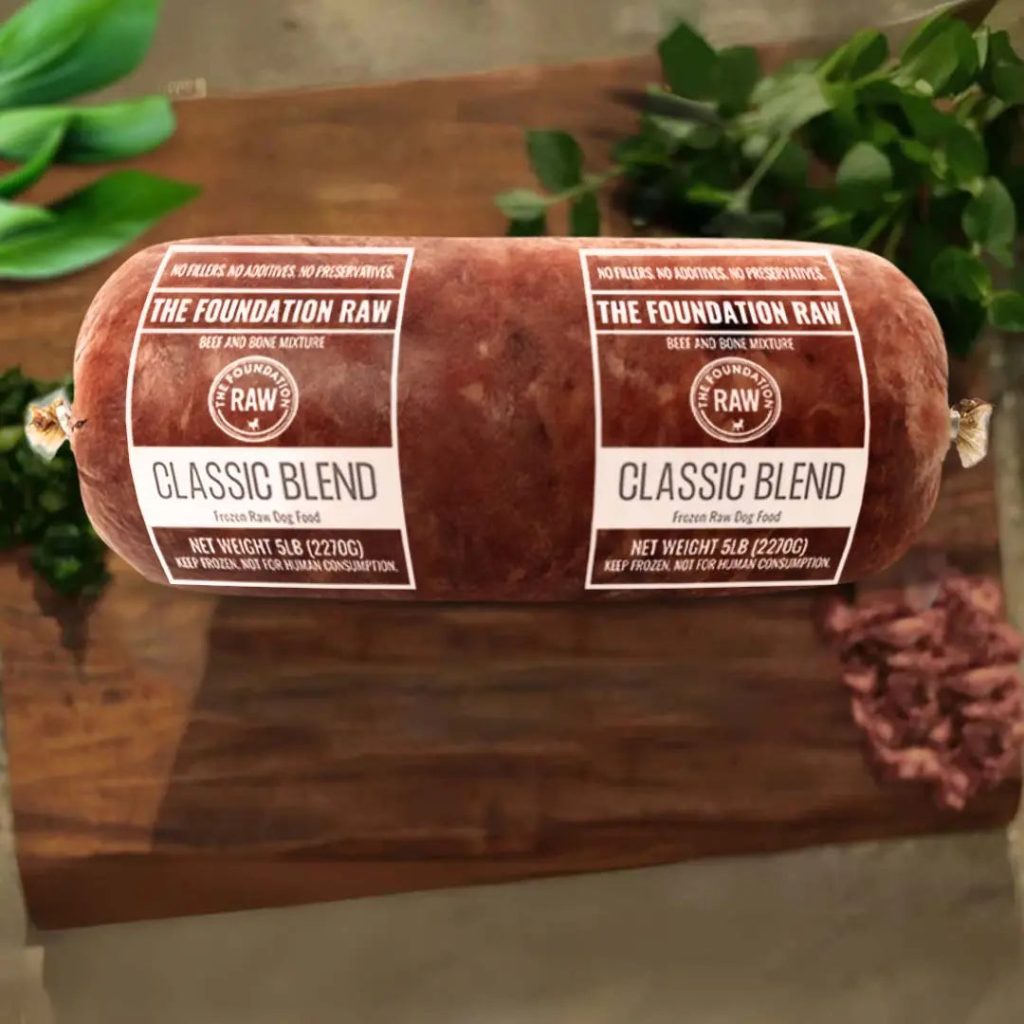

Choosing the right ground beef for your dog’s raw food isn’t just a simple grocery run. It’s about giving your furry friend the best nutrition possible.
You want to make sure every bite is safe, healthy, and packed with the nutrients your dog needs to thrive. But with so many options out there, how do you know which ground beef is truly the best? Keep reading, because understanding the right type of ground beef can make a huge difference in your dog’s health and happiness.
This guide will help you pick the perfect meat to fuel your dog’s raw food diet.
Benefits Of Raw Dog Food
Feeding dogs raw food has gained popularity for good reasons. This diet often mimics what dogs ate before domestication. It provides fresh, natural nutrients that processed foods might lack. Many dog owners notice improved health and energy in their pets.
Raw dog food supports better digestion and stronger immunity. It can lead to shinier coats and healthier skin. Dogs might also experience cleaner teeth and fresher breath. This diet aligns with their natural eating habits, promoting overall well-being.
Improved Nutrient Absorption
Raw food contains enzymes and natural nutrients. Cooking can destroy some of these elements. Dogs absorb vitamins and minerals more easily from raw meat. This boosts their energy and supports growth.
Better Digestive Health
Raw diets include natural fibers and moisture. This helps dogs digest food smoothly. It reduces the risk of constipation and digestive upset. Healthy digestion means fewer stomach problems for your pet.
Enhanced Immune System
Raw food contains antioxidants and essential fatty acids. These support a strong immune system. Dogs can fight off illnesses more effectively. Healthy immune systems mean fewer visits to the vet.
Healthier Skin And Coat
Raw meat is rich in omega-3 and omega-6 fats. These fats keep skin soft and coat shiny. Dogs on raw diets often have less itching and flaking. Their coats look fuller and healthier over time.
Dental Health Benefits
Chewing raw meat and bones helps clean teeth naturally. This reduces plaque and tartar build-up. Dogs often have fresher breath and stronger teeth. It lowers the chance of dental diseases later.
Why Choose Ground Beef
Ground beef is a popular choice for raw dog food because it offers balanced nutrition and easy preparation. It contains essential proteins and fats that support your dog’s health. Its texture makes it simple to mix with other ingredients, creating a complete meal.
Choosing ground beef also allows for portion control. You can measure the right amount for your dog’s size and needs. This helps maintain a healthy weight and prevents overfeeding.
Rich Source Of Protein
Ground beef provides high-quality protein, vital for muscle growth and repair. Dogs need protein to stay active and strong. It also supports healthy skin and a shiny coat.
Good Fat Content
The fat in ground beef gives dogs energy and helps absorb vitamins. Healthy fats improve brain function and keep the coat smooth. A balance of fat is key to a nutritious diet.
Easy To Digest
Ground beef breaks down quickly in the stomach. This makes it gentle on your dog’s digestive system. It reduces the risk of stomach upset and improves nutrient absorption.
Versatile For Meal Preparation
Ground beef mixes well with vegetables, organs, and supplements. This creates a well-rounded diet for your dog. It also saves time during meal prep.
Widely Available And Affordable
Ground beef is easy to find at most grocery stores. It offers good value for its nutritional benefits. This makes raw feeding more accessible for many pet owners.
Types Of Ground Beef
Choosing the right type of ground beef for raw dog food is crucial. Different types of ground beef offer various benefits and nutritional values. It’s important to understand these variations to make the best choice for your pet.
Grass-fed Vs. Grain-fed
Grass-fed beef comes from cows that eat grass their whole lives. This type of beef is higher in omega-3 fatty acids and antioxidants. It offers a leaner option with more natural nutrients. Grain-fed beef is from cows fed grains like corn and soy. This beef tends to be fattier and less expensive. Both types have their pros and cons, so choose based on your dog’s needs.
Lean Vs. Regular Ground Beef
Lean ground beef has less fat, usually around 10% or less. It’s a good choice for dogs needing lower-fat diets. Regular ground beef contains more fat, often around 20%. This makes it richer and more flavorful. Consider your dog’s energy level and weight when deciding.
Organic Ground Beef
Organic ground beef comes from cows raised without antibiotics or growth hormones. It is often seen as a healthier choice. Organic beef can provide peace of mind about food quality. It may be more costly but offers higher standards in production.

Credit: www.k9sovercoffee.com
Fat Content And Its Importance
Fat content plays a key role in choosing ground beef for raw dog food. It affects the dog’s energy, skin health, and digestion. Dogs need a balanced amount of fat to stay healthy and active.
Too little fat can cause dull coats and low energy. Too much fat may lead to weight gain and stomach upset. Finding the right fat level ensures your dog gets the nutrients they need without problems.
Understanding Fat Percentage In Ground Beef
Ground beef comes in different fat percentages, such as 70%, 80%, or 90% lean. The number shows how much lean meat is in the beef, while the rest is fat. For example, 80% lean beef contains 20% fat.
Choosing the right percentage helps control your dog’s fat intake. Most raw feeders choose ground beef with 10% to 20% fat. This range provides enough energy and keeps meals balanced.
Benefits Of Moderate Fat Content
- Provides essential fatty acids for healthy skin and coat
- Supplies energy for daily activities and growth
- Aids in vitamin absorption, like vitamins A and E
- Supports brain function and cell health
Signs Of Too Much Or Too Little Fat
| Too Much Fat | Too Little Fat |
|---|---|
| Weight gain | Dry, flaky skin |
| Diarrhea or upset stomach | Low energy or lethargy |
| Fatty stools | Poor coat condition |
Adjusting Fat Content Based On Your Dog’s Needs
Consider your dog’s age, activity, and health. Puppies and active dogs may need higher fat content for energy. Older or less active dogs often do better with leaner beef.
Monitor your dog’s weight and coat condition. Change the fat percentage if you see signs of imbalance. Always introduce new fat levels slowly to avoid digestive issues.
Quality Indicators For Ground Beef
Choosing the right ground beef for raw dog food means focusing on quality. High-quality beef ensures safety and nutrition for your dog. Several key indicators help identify the best ground beef. These indicators show freshness, trustworthiness, and proper handling.
Freshness And Color
Fresh ground beef has a bright red color. Avoid beef that looks brown or gray. The smell also matters; it should be clean and mild. Freshness affects taste and safety. Always check the sell-by date on the package.
Source And Supplier Reputation
Buy ground beef from trusted suppliers. Reputable sources follow strict health and safety rules. Ask about the farm or ranch where the beef comes from. Grass-fed or organic beef often has better quality. Trustworthy suppliers provide clear information about their products.
Packaging And Storage
Proper packaging keeps ground beef safe and fresh. Vacuum-sealed packaging helps prevent contamination. The package should be cold and firm to the touch. Store ground beef in the refrigerator or freezer right after purchase. Avoid packages with tears or leaks.
Potential Risks Of Raw Ground Beef
Feeding your dog raw ground beef can seem like a natural and healthy choice, but it’s important to be aware of the potential risks involved. Raw meat can carry harmful elements that might affect your dog’s health if you’re not careful. Understanding these risks helps you make safer decisions for your furry friend’s diet.
Bacterial Contamination
Raw ground beef can harbor dangerous bacteria like Salmonella and E. coli. These pathogens can cause severe digestive issues in dogs, including vomiting and diarrhea. If your dog has a weakened immune system, the risk of serious illness increases.
Have you ever thought about how often raw meat is handled before it reaches your pet? Every step—from processing to packaging—adds a chance for contamination. To reduce risk, buy ground beef from trusted sources and store it properly at home.
Parasites
Parasites such as tapeworms and roundworms can be present in raw beef. These parasites can infect your dog and lead to symptoms like weight loss, lethargy, and digestive upset. Regular veterinary check-ups and preventive treatments are essential if you choose to feed raw ground beef.
Even if the meat looks fresh, parasites aren’t always visible. Freezing ground beef at the right temperature for a specific time can kill many parasites, but it’s not a guarantee. Ask your butcher or supplier about their freezing process before purchasing.
Allergic Reactions
Some dogs might develop allergies or sensitivities to beef proteins. Feeding raw ground beef could trigger itching, skin irritation, or digestive problems in these pets. If your dog shows signs of discomfort after eating beef, consult your vet immediately.
Introducing raw ground beef gradually can help you spot allergic reactions early. Watching your dog closely after new meals prevents prolonged suffering and helps you decide if beef is a suitable protein source. Have you noticed any changes in your pet after switching their diet?
Safe Handling And Preparation Tips
Handling raw ground beef for your dog requires care and attention. Safe preparation helps prevent harmful bacteria. It keeps your pet healthy and happy. Follow these tips to store, clean, and serve the meat properly.
Storage Guidelines
- Keep raw ground beef in the coldest part of the fridge.
- Use airtight containers or sealed bags to avoid contamination.
- Store meat for no more than 1-2 days in the refrigerator.
- Freeze extra portions in labeled bags for up to 3 months.
- Thaw frozen meat in the fridge, never at room temperature.
Sanitizing Equipment
- Wash hands thoroughly before and after handling raw meat.
- Clean cutting boards and utensils with hot, soapy water.
- Use separate tools for raw meat and other foods.
- Disinfect surfaces with a safe pet-friendly cleaner or diluted bleach solution.
- Dry equipment completely to prevent bacterial growth.
Portion Control
- Measure your dog’s serving size based on weight and activity.
- Divide meat into daily portions before freezing or refrigerating.
- Avoid feeding large amounts at once to prevent digestion issues.
- Use small containers or bags for easy thawing and serving.
- Monitor your dog’s response and adjust portions as needed.
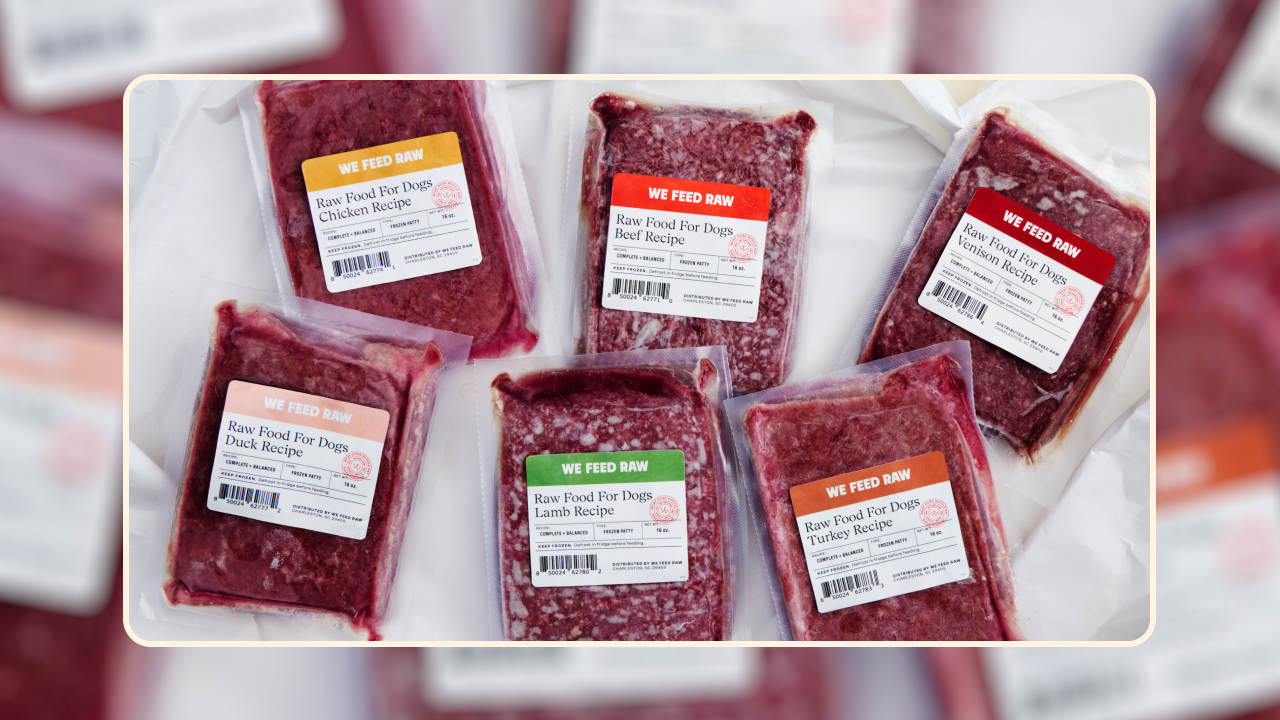
Credit: wefeedraw.com
Alternatives To Ground Beef In Raw Diets
Ground beef is a popular choice for raw dog food but not the only option. Dogs thrive on variety in their diets. Offering different proteins can provide balanced nutrition and keep mealtime exciting. Many alternatives fit well in a raw feeding plan and support your dog’s health.
Other Meats
Chicken is a common substitute with lean protein and essential nutrients. Turkey offers a similar profile with slightly less fat. Lamb provides a rich source of protein and fatty acids. Fish like salmon delivers omega-3 fatty acids important for skin and coat health. Venison and rabbit are good choices for dogs with allergies to common proteins. Rotating these meats helps avoid nutrient gaps and food sensitivities.
Supplements And Additives
Raw diets sometimes lack certain vitamins and minerals. Adding organ meats like liver, kidney, and heart fills these gaps naturally. Bone meal powder or crushed eggshells supply calcium for strong teeth and bones. Fish oil boosts omega-3 content for brain and joint support. Probiotics improve digestion and gut health. Always measure supplements carefully to avoid imbalances in your dog’s diet.

Credit: grasslandbeef.com
Frequently Asked Questions
What Grind Of Beef Is Best For Raw Dog Food?
Choose ground beef with 80-85% lean meat for raw dog food. It balances nutrients and fat for your dog’s health.
Is Grass-fed Beef Better For Raw Dog Diets?
Yes, grass-fed beef is richer in omega-3 and antioxidants, supporting your dog’s immune system and overall wellness.
Should Raw Dog Food Contain Beef Fat?
Some fat is essential for energy and nutrient absorption. Use beef with moderate fat, around 15-20%, for a balanced meal.
Can I Use Regular Ground Beef For Raw Feeding?
Regular ground beef is fine if fresh and from a trusted source. Ensure it is free from additives and preservatives.
Conclusion
Choosing the right ground beef for raw dog food matters a lot. Fresh, lean beef offers good nutrition and fewer fats. Avoid beef with added spices or preservatives. Always check the source to ensure quality and safety. Raw food should be balanced with other ingredients too.
Your dog will enjoy healthy meals that support energy and growth. Keep it simple, clean, and fresh for best results. This helps your pet stay happy and strong every day. Quality ingredients make all the difference in raw feeding.