Are you wondering when your furry friend should switch from puppy chow to adult dog food? Making the right choice at the right time can keep your dog healthy, happy, and full of energy.
Feeding your dog adult food too early or too late can affect their growth and well-being. You’ll discover the signs to look for and the best time to make this important change. Keep reading to ensure you’re giving your dog the nutrition they need exactly when they need it.
Signs Of Growing Puppies
Recognizing the signs that your puppy is growing helps you know when it’s time to switch to adult food. Puppies don’t just change overnight; their bodies and behaviors evolve gradually. Watching these changes closely ensures you support their health properly as they transition.
Changes In Size And Weight
One clear sign your puppy is growing is a noticeable increase in size and weight. You might see your little furball suddenly outgrow their favorite bed or collar. Regularly weighing your puppy can help you track their growth and signal when their dietary needs shift.
Have you noticed your puppy’s energy levels rising or their body looking leaner and more muscular? These physical developments mean their metabolism is changing, and their food should meet higher nutritional demands. Keeping an eye on these factors helps you provide the right fuel for their growth.
Teething And Dental Development
Teething is another major sign your puppy is entering a new stage. Around 3 to 6 months, their baby teeth start falling out, making way for stronger adult teeth. This process can make your puppy chew more and sometimes act restless.
Your puppy’s dental development impacts what food they can handle. Hard adult kibble might be tough at first, so you’ll need to introduce it gradually. Paying attention to how your puppy handles different textures can guide you on when to fully switch to adult food.

Credit: jiminys.com
Timing The Switch
Timing the switch from puppy food to adult food is important for your dog’s health. Feeding adult food too early or too late can affect growth and energy levels. Knowing the right moment helps your dog get the right nutrients at the right time.
Age To Introduce Adult Food
Puppies grow fast during their first year. Most dogs start adult food between 9 and 12 months old. Small breeds may switch closer to 9 months. Larger breeds often wait until 12 months or later.
The exact time depends on your dog’s development. Watch for signs like slowing growth or less active play. These clues help decide when to change food. Consult a vet for advice tailored to your dog.
Breed Size Considerations
Breed size affects how long a dog stays on puppy food. Small breeds mature quickly and need adult food sooner. Large breeds grow slower and benefit from puppy food longer.
| Breed Size | Typical Switch Age | Reason |
|---|---|---|
| Small Breeds | 9-12 months | Fast maturity, early growth completion |
| Medium Breeds | 12 months | Moderate growth rate |
| Large Breeds | 12-18 months | Slow growth, longer bone development |
Matching food to breed size supports healthy bones and joints. It helps avoid obesity and nutrition gaps. Keep an eye on weight and activity to adjust feeding as needed.
Choosing The Right Adult Food
Dogs usually start adult food around one year old, but this can vary by breed and size. Switching at the right time helps meet their changing nutritional needs. Watch for signs like slowing growth or changes in energy to know when to switch.
Choosing the right adult food for your dog is a critical step in ensuring they live a healthy and happy life. As your furry friend transitions from puppyhood, their dietary needs change significantly. Knowing when to switch and what to look for in adult dog food can make all the difference in their well-being.Nutritional Needs Of Adult Dogs
Adult dogs require a balanced diet with the right mix of proteins, fats, carbohydrates, vitamins, and minerals. Unlike puppies, whose primary focus is growth, adult dogs need food that maintains their energy levels and supports their overall health. You might notice your dog becoming less active as they age, so adjusting their caloric intake accordingly is crucial to prevent obesity. Dietary needs can also vary based on your dog’s breed, size, and health conditions. Consulting with your vet can provide a tailored approach to meet your dog’s specific nutritional requirements. Have you ever noticed how your dog thrives on a particular type of food? This is often due to the food meeting their unique nutritional profile.Types Of Adult Dog Food
There are several types of adult dog food available, each catering to different needs and preferences.- Dry Food (Kibble):This is the most common type of dog food, known for its convenience and cost-effectiveness. It’s easy to store and helps with dental health by reducing tartar buildup.
- Wet Food:Canned food is often more appealing to dogs due to its high moisture content and rich flavor. It’s a great option for dogs who may not drink enough water or have dental issues.
- Raw Food:This diet includes raw meat, bones, and vegetables. It’s believed to be closer to a dog’s natural diet, though it requires careful preparation to ensure it meets all nutritional needs.
- Grain-Free Options:Some dogs have sensitivities to grains, so grain-free foods can be beneficial. However, it’s important to ensure they’re getting enough carbs from other sources.
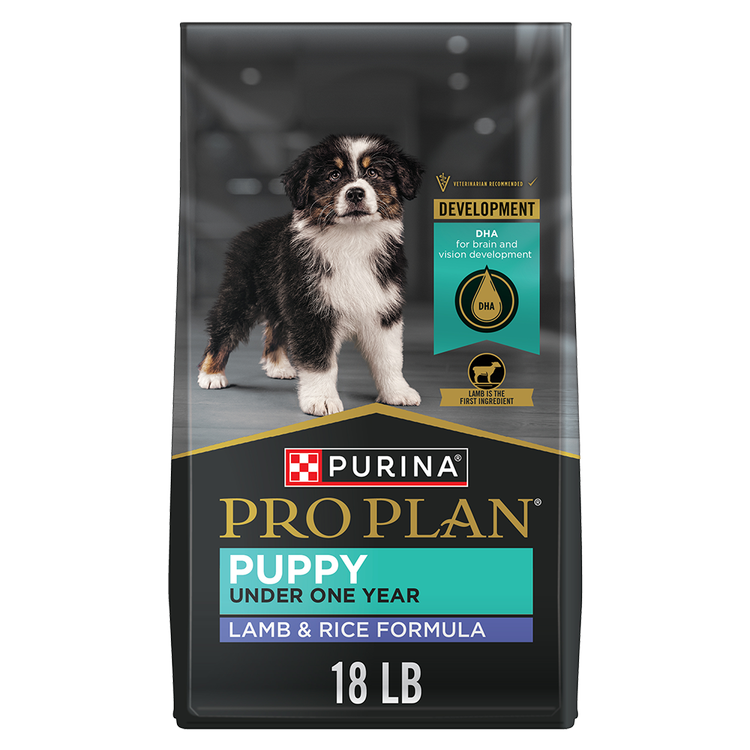
Credit: www.purina.com
Transitioning Diets Smoothly
Transitioning your dog from puppy food to adult food needs careful attention. A sudden switch can upset your dog’s stomach and cause unnecessary stress. Taking it slow helps your dog adjust and keeps mealtime enjoyable for both of you.
Gradual Food Introduction
Start by mixing a small amount of adult food into your dog’s current puppy food. Over the course of about 7 to 10 days, increase the portion of adult food while decreasing the puppy food. This slow change helps your dog’s digestive system get used to the new ingredients.
Watch how your dog reacts to the new food. If they eagerly eat the mixture and show no signs of discomfort, you’re on the right track. Remember, every dog is different—some may need more time to adjust than others.
Monitoring For Digestive Issues
Keep an eye on your dog’s stool and behavior during the transition. Loose stools, vomiting, or a sudden lack of appetite can signal problems. If you notice these signs, slow down the transition or consult your vet for advice.
Also, check for any changes in energy levels or mood. A happy, active dog usually means the new food agrees with them. How often do you take time to observe subtle changes in your dog’s health during diet changes?
Common Mistakes To Avoid
Choosing the right time to switch your dog to adult food is important. Mistakes can affect your dog’s health and growth. Knowing common errors helps you avoid problems and keep your dog strong and happy.
Switching Too Early Or Late
Changing your dog’s food too soon can upset their stomach. Puppies need special nutrients for growth. Adult food may lack these nutrients.
Waiting too long to switch can cause weight gain or nutritional gaps. Adult food suits their slower metabolism better. Watch your dog’s behavior and size to find the right moment.
Ignoring Individual Dog Needs
Every dog grows at a different pace. Breed, size, and health affect when to switch food. Small breeds mature faster than large breeds. Large breeds need more careful timing.
Also consider any allergies or health issues. Tailor the diet to your dog’s unique needs. Consult your vet to make the best choice.
Consulting Your Veterinarian
Transitioning your dog to adult food is an important step that affects their health and growth. Consulting your veterinarian ensures this change is safe and tailored to your dog’s unique needs. Your vet’s guidance can help you avoid common pitfalls and make the switch smooth.
Personalized Feeding Advice
Your dog’s breed, size, and activity level all influence the best type of adult food for them. Your veterinarian can recommend specific brands or formulas that meet your dog’s nutritional needs. This personalized advice is especially important if your dog has allergies or sensitivities.
Think about your own experience: switching your dog’s food without advice might lead to digestive upset or poor nutrient intake. Your vet can help you create a feeding plan that gradually shifts from puppy to adult food, reducing stress on your dog’s system.
Health Checks Before Transition
Before changing your dog’s diet, a health checkup is crucial. Your vet will assess your dog’s weight, dental health, and overall condition to ensure they are ready for adult food. This check can reveal hidden issues that might affect food choices.
Have you ever noticed a sudden change in your dog’s energy or digestion? A vet visit can identify if these signs relate to their current diet. Addressing health concerns early helps you choose the right food and feeding schedule for your dog’s long-term well-being.
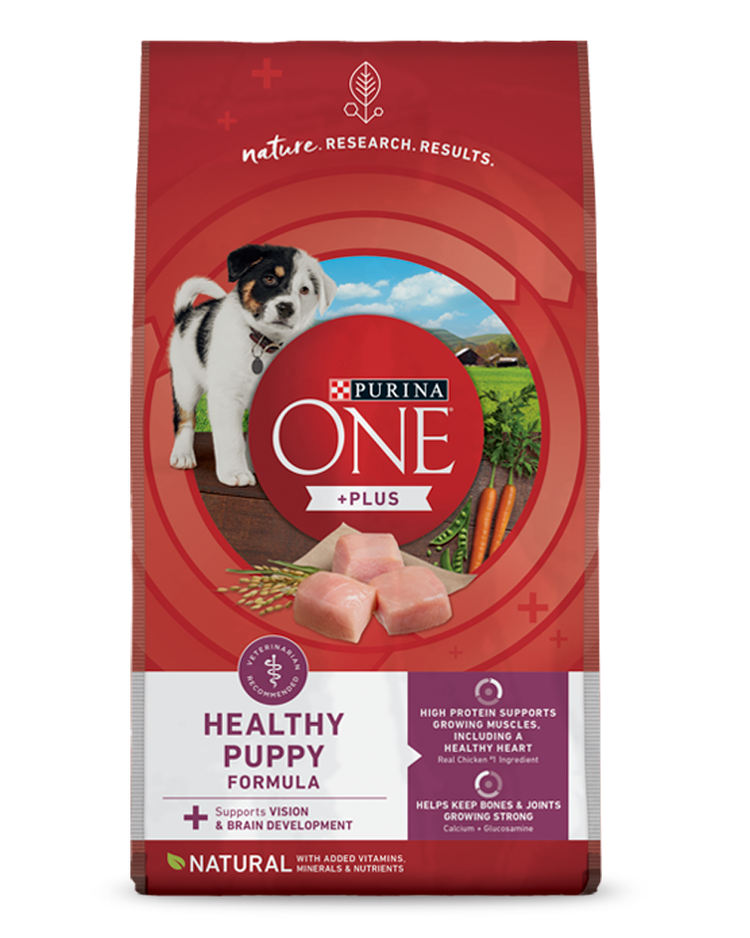
Credit: www.purina.com
Frequently Asked Questions
When Should Dogs Switch To Adult Food?
Dogs typically switch to adult food around 12 months old. Large breeds may transition later, around 18-24 months. This timing supports healthy growth and nutrient needs as puppies mature.
Why Is Timing Important For Changing Dog Food?
Proper timing ensures balanced nutrition for growth and energy. Switching too early or late can cause digestive issues or nutrient imbalances in dogs.
Can Puppies Eat Adult Dog Food Early?
Puppies should avoid adult food before 12 months. Adult formulas lack essential nutrients needed for puppy growth and development.
How To Transition Dogs To Adult Food Smoothly?
Gradually mix adult food with puppy food over 7-10 days. This helps prevent stomach upset and eases digestion during the switch.
Conclusion
Dogs usually start eating adult food around one year old. This timing can change by breed or size. Larger dogs may switch later, while small dogs might start sooner. Watch your dog’s growth and energy levels closely. Talk to your vet for advice on the best time.
Changing food too early or too late can cause problems. A smooth change helps your dog stay healthy and happy. Keep an eye on how your dog reacts to new food. A good diet supports a strong, active adult dog.