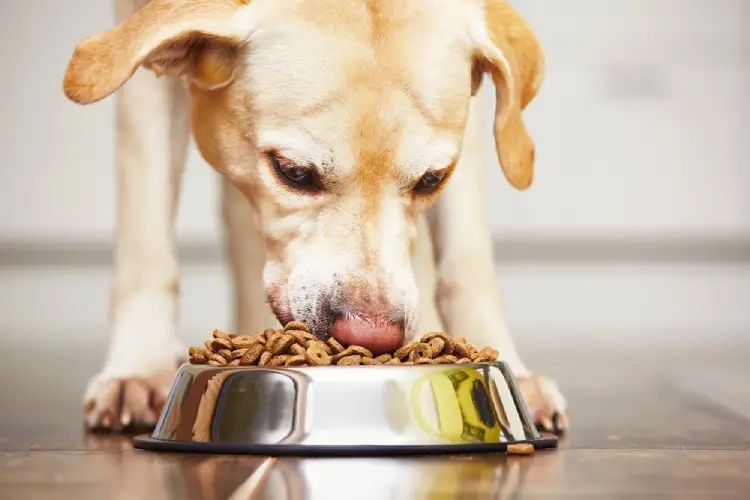

Are you unsure about how much food your adult dog really needs? Feeding your dog the right amount is crucial for their health and happiness.
Too little food can leave them hungry and weak, while too much can lead to weight gain and health problems. You’ll discover simple, clear guidelines to help you find the perfect portion size for your furry friend. Keep reading to make sure you’re giving your dog just what they need to thrive every day.

Credit: jiminys.com
Factors Affecting Dog’s Food Intake
Understanding how much food your adult dog needs isn’t as simple as following the package instructions. Several factors influence their daily intake, and recognizing these can help you provide the right amount of nutrition. Knowing what affects your dog’s appetite and energy needs ensures they stay healthy without overeating.
Breed And Size
Different breeds have different metabolisms and energy requirements. A small Chihuahua will need far less food than a large Labrador Retriever. You should adjust portion sizes to match your dog’s size to avoid underfeeding or overfeeding.
Large breeds often require food tailored to support their joint health and slower metabolism. Meanwhile, smaller breeds tend to burn calories faster and may need more frequent, smaller meals. Have you noticed how your big dog’s appetite seems slower but steadier compared to your small dog’s quick snacking?
Age And Life Stage
Puppies, adults, and senior dogs all have different nutritional needs. Adult dogs generally require a balanced diet that maintains their weight and energy. However, younger dogs need more calories to grow, while older dogs might need fewer calories due to reduced activity.
Pay attention to your dog’s changing needs as they age. If your once active dog slows down, their food intake should adjust accordingly to prevent weight gain. Have you ever had to tweak your dog’s meals as they moved from being a lively adult to a calmer senior?
Activity Level
How active your dog is plays a big role in determining food portions. A working dog or one that enjoys daily vigorous exercise will need more calories than a couch potato. Matching food intake to activity helps maintain healthy weight and muscle tone.
Think about your dog’s day-to-day routine. Does your dog run, swim, or hike regularly? If so, you should increase their food portions to fuel those activities. On lazy days, cutting back a bit prevents unnecessary weight gain.
Health Conditions
Health issues can change how much your dog should eat. Dogs with certain illnesses may require special diets or adjusted food amounts. For instance, dogs with diabetes or kidney problems often need carefully controlled portions.
Always consult your vet if your dog’s health affects their appetite or digestion. You might notice changes like increased hunger or sudden disinterest in food. How closely do you monitor your dog’s eating habits when they’re feeling unwell?
Credit: www.houndsy.com
Daily Calorie Needs
Understanding your adult dog’s daily calorie needs is essential for keeping them healthy and energetic. Just like humans, dogs require the right amount of calories to maintain their weight and support their activity levels. Feeding too much or too little can lead to health issues, so knowing how to calculate and adjust these needs is key.
Calculating Caloric Requirements
Start by figuring out your dog’s Resting Energy Requirement (RER). This is the calories needed for basic body functions like breathing and circulation. You can calculate it using this formula:
| Formula | Calculation |
|---|---|
| RER | 70 × (body weight in kg)0.75 |
For example, if your dog weighs 20 kg, the RER would be approximately 870 calories per day. Then, multiply the RER by a factor based on your dog’s activity level:
- Neutered adult dogs: RER × 1.6
- Active or working dogs: RER × 2.0
- Inactive or obese-prone dogs: RER × 1.2
This gives you the Maintenance Energy Requirement (MER), the estimated daily calorie intake to keep your dog’s weight stable.
Adjusting For Weight Goals
If your dog needs to lose weight, simply reduce their daily calories by about 20%. Monitor their progress weekly to avoid losing weight too quickly. Slow, steady weight loss is safer and more effective.
On the other hand, if your dog is underweight or very active, increase calories gradually. Adding nutrient-dense foods or healthy snacks can help without overfeeding.
Have you ever noticed how your dog’s appetite changes with the seasons or activity? Pay close attention to those subtle shifts and adjust their food accordingly. This will help you keep their energy balanced and their body in great shape.
Types Of Dog Food
Choosing the right type of food for your adult dog is key to keeping them healthy. Different foods offer various nutrients and benefits. Knowing the options helps you feed your dog the right amount and kind of food.
Dry Kibble
Dry kibble is the most common dog food. It is easy to store and serve. Kibble helps keep teeth clean by reducing plaque. It usually contains a balance of proteins, fats, and carbohydrates. Make sure to pick a high-quality brand for the best nutrition.
Wet Food
Wet food has higher moisture content. It is soft and often more appealing to picky eaters. Wet food can help keep your dog hydrated. It tends to be richer and more flavorful. Feeding wet food sometimes can add variety to your dog’s diet.
Raw And Homemade Diets
Raw and homemade diets offer fresh ingredients. They allow control over what your dog eats. These diets often include raw meats, vegetables, and grains. Proper preparation is important to avoid bacteria. Consult a vet before switching to this type of food.
Credit: www.petmd.com
Portion Size Guidelines
Determining the right portion size for your adult dog can feel like a puzzle. Too much food and you risk obesity; too little and they might not get the nutrients they need. So how do you strike the perfect balance? Let’s dive into some practical guidelines.
Reading Dog Food Labels
Dog food labels can be your best friend when figuring out portion sizes. They often provide feeding guidelines based on your dog’s weight and activity level. Always start by checking the recommended serving size on the label.
Keep in mind that these are general recommendations. Your dog’s unique needs might differ. Consider their age, breed, and health conditions when interpreting these guidelines.
Measuring Food Accurately
Eyeballing food portions can lead to overfeeding or underfeeding. Use a measuring cup to ensure you’re giving the right amount. This simple step can prevent weight issues and promote a healthier life for your dog.
Consistency is key. Measure their food at the same time every day to establish a routine. If you notice weight changes, adjust the portions accordingly.
Do you weigh your dog’s food or use a measuring cup? Share your method in the comments below.
Feeding Frequency And Schedule
Establishing a consistent feeding frequency and schedule is key to maintaining your adult dog’s health and happiness. It affects digestion, energy levels, and even behavior. Understanding when and how often to feed your dog helps you create a routine that suits their lifestyle and dietary needs.
Meal Timing
Timing your dog’s meals around the same hours every day can improve digestion and reduce anxiety around food. Dogs thrive on routine, so feeding at consistent times helps regulate their internal clock.
Try to avoid feeding immediately before or after vigorous exercise to prevent stomach issues. For instance, waiting at least an hour after a walk before offering food can reduce the risk of bloating.
Have you noticed how your dog’s energy changes around mealtime? Paying attention to these patterns can help you adjust feeding times to when your dog feels most comfortable eating.
Number Of Meals Per Day
The number of meals your adult dog should have depends on their size, activity level, and health. Most adult dogs do well with two meals per day—morning and evening.
This split feeding helps maintain steady energy and avoids overeating. Some dogs, especially those with specific health concerns, may benefit from three smaller meals.
Watch how your dog reacts to different meal frequencies. Are they more satisfied or less hungry throughout the day? This feedback can guide you in finding the ideal meal count for your furry friend.
Signs Of Overfeeding And Underfeeding
Knowing the signs of overfeeding and underfeeding your adult dog is crucial to maintaining their health. Both can cause serious problems if ignored. Watching for these signals helps you adjust their diet before issues escalate.
Weight Changes
One of the clearest signs of overfeeding is rapid weight gain. If your dog’s ribs become hard to feel or their waist disappears, they might be eating too much. On the other hand, sudden or gradual weight loss can indicate underfeeding or health problems.
Tracking your dog’s weight regularly is key. A steady, healthy weight means their food intake is likely on point. Have you noticed your dog’s collar fitting tighter or looser lately? These small clues can alert you to a feeding imbalance early.
Behavioral Indicators
Behavior changes often signal feeding issues before weight changes become obvious. An overfed dog might become lethargic or less interested in exercise. They may also beg for food more frequently, even if they’ve already eaten enough.
Conversely, a dog that’s not getting enough food may seem restless, anxious, or excessively focused on food. They might scavenge around the house or eat quickly out of desperation. Paying attention to these behaviors can help you adjust their portions before health problems arise.
Tips For Adjusting Food Intake
Adjusting your adult dog’s food intake helps maintain a healthy weight and good energy. Dogs change their needs based on age, activity, and health. Watch your dog’s body and habits closely to decide when to change food amounts. Small adjustments often work better than big changes.
Monitoring Body Condition
Check your dog’s ribs by feeling them under the fur. You should feel ribs without pressing hard. Look at your dog from above and from the side. A visible waist and belly tuck are good signs. Keep a record of your dog’s weight every month. Changes in weight can show if you need to change food.
Consulting A Veterinarian
Ask a vet for advice on your dog’s diet and health. Vets can recommend the right food amount for your dog’s breed and lifestyle. They help spot health problems that affect eating. Regular check-ups keep your dog fit and happy. Share any changes in appetite or behavior with your vet.
Frequently Asked Questions
How Much Food Does An Adult Dog Need Daily?
An adult dog needs 2-3% of its body weight in food daily. This varies by breed, activity, and metabolism. Always check your dog’s specific dietary needs and consult a vet for precise feeding amounts.
What Factors Affect An Adult Dog’s Food Quantity?
Age, weight, activity level, and health affect food quantity. Active dogs need more calories, while older or less active dogs require less. Adjust portions accordingly to maintain a healthy weight and avoid overfeeding.
How To Determine The Right Food Portion For My Dog?
Start with recommended feeding guidelines on dog food packaging. Monitor your dog’s weight and adjust portions if they gain or lose weight. Regular vet check-ups help ensure your dog’s diet remains balanced and appropriate.
Can Overfeeding Harm An Adult Dog?
Yes, overfeeding can cause obesity, diabetes, and joint problems. It reduces lifespan and quality of life. Portion control and regular exercise are essential to keep your dog healthy and fit.
Conclusion
Feeding your adult dog the right amount keeps them healthy and happy. Watch their weight and energy to adjust food as needed. Every dog is different, so pay close attention to their needs. Consistent feeding times help maintain good habits.
Always offer fresh water alongside meals. Proper portion control prevents obesity and related health issues. Your dog will thank you with a wagging tail and bright eyes. Simple steps make a big difference in your dog’s life. Keep learning and caring for your furry friend every day.