Are you wondering if it’s okay to give your puppy adult dog food? You want the best for your new furry friend, and feeding them the right food is a big part of that.
But with so many options and advice out there, it’s easy to feel confused. What happens if you switch too soon? Could it harm your puppy’s growth or health? Keep reading to find out what experts say, and how to make the best choice for your puppy’s nutrition and happiness.
Your puppy’s future depends on it!
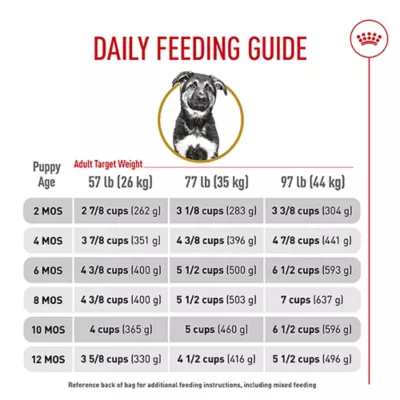
Credit: www.petsmart.ca
Puppy Nutrition Needs
Puppies need special care for their food. Their bodies grow fast. Good nutrition helps them become strong and healthy dogs. Feeding a puppy the right food is important for their energy and brain development.
Growth And Development Requirements
Puppies grow quickly in the first year. Their bones and muscles need more support than adult dogs. They need food that helps build strong bones. Puppies also need more calories because they use lots of energy. Feeding them adult dog food may not meet these needs.
Key Nutrients For Puppies
Puppies require certain nutrients in higher amounts. Protein helps build muscles and tissues. Fat provides energy for play and growth. Calcium and phosphorus support bone and teeth development. Vitamins and minerals help the immune system and brain growth. Puppy food has these nutrients balanced for their health.
Credit: www.thinkjinx.com
Differences Between Puppy And Adult Dog Food
Puppy food and adult dog food are designed to meet very different nutritional needs. Puppies are growing rapidly and require more energy and nutrients to support their development. Adult dogs, on the other hand, need maintenance nutrition to keep them healthy without encouraging weight gain.
Calorie Content Comparison
Puppy food contains more calories per serving than adult dog food. This extra energy supports their fast growth and high activity levels. Feeding your puppy adult food might not provide enough calories, which can slow their development.
Have you noticed how your puppy seems to burn energy constantly? That’s why their food needs to be calorie-dense to keep up.
Protein And Fat Levels
Puppies need higher protein and fat levels than adult dogs. Protein helps build muscles and tissues, while fat provides essential energy. Adult dog food usually has lower protein and fat, which might leave puppies lacking the building blocks they need.
If your puppy isn’t growing as expected, the food’s protein and fat content might be the cause. Check the label carefully to compare these numbers.
Vitamin And Mineral Variations
Puppy food is fortified with vitamins and minerals that support bone growth, immune function, and brain development. Nutrients like calcium, phosphorus, and DHA are often higher in puppy formulas. Adult dog food doesn’t include these enhanced levels because adult dogs have different requirements.
Think about how your puppy’s bones are still forming. Their food must supply the right minerals to avoid future health issues.
Potential Risks Of Feeding Adult Food To Puppies
Feeding puppies adult dog food may cause nutrient imbalances and slow growth. Puppies need extra vitamins and minerals for healthy development. Using adult food can lead to weak bones and low energy.
Feeding your puppy adult dog food might seem like a convenient choice, especially if you already have an adult dog at home. However, this decision can pose several risks to your puppy’s health and development. Understanding these potential risks can help you make informed choices to ensure your puppy grows into a healthy adult dog.Nutritional Deficiencies
Puppies have unique dietary needs that differ significantly from adult dogs. Their bodies require higher levels of protein, fat, and certain vitamins and minerals to support rapid growth and development. Adult dog food typically lacks these essential nutrients, leading to deficiencies that can stunt growth and affect overall health. Imagine trying to fuel a growing child with an adult’s diet. The lack of necessary nutrients can lead to weakened bones, poor muscle development, and a compromised immune system. Ensuring your puppy gets the right balance of nutrients is crucial for their long-term health.Digestive Issues
Puppies have sensitive digestive systems that are still developing. Adult dog food is often formulated with ingredients and nutrient levels that can be too harsh for a puppy’s delicate stomach. This can lead to digestive issues such as diarrhea, vomiting, or even more serious gastrointestinal problems. Have you ever experienced an upset stomach from eating something too rich or heavy? Puppies can face similar discomforts when fed adult dog food. To keep your puppy’s tummy happy, stick to food specifically designed for their age and size.Long-term Health Effects
Feeding your puppy adult dog food can also have lasting impacts on their health. Nutritional imbalances during critical growth periods can lead to chronic health issues like joint problems or obesity later in life. Consider this: the habits and choices you make today can affect your puppy’s future well-being. Investing in the right puppy food now can prevent potential health complications, ensuring your furry friend enjoys a long, healthy life. By focusing on these potential risks, you can better understand the importance of providing your puppy with the right nutrition. Are you prepared to give your puppy the healthiest start possible? Making informed choices today can shape their tomorrow.When Adult Food Might Be Suitable
Adult dog food is not usually right for puppies. Puppies need more nutrients to grow strong and healthy. Still, there are times when adult food might be okay. Understanding these times helps keep your puppy safe and well-fed.
Transitional Feeding Periods
Sometimes puppies move from puppy food to adult food gradually. This change usually starts around one year old. During this time, mixing adult and puppy food helps the puppy adjust.
Mixing food slowly prevents stomach upset. It also helps the puppy get used to new tastes and textures.
Specific Health Conditions
Some puppies have health issues that need special diets. In certain cases, adult food suits their needs better. For example, puppies with slow growth or digestive problems might benefit from adult formulas.
Always watch your puppy’s health closely during these changes.
Vet Recommendations
Veterinarians know what food suits each puppy best. They may suggest adult dog food in some cases. Follow your vet’s advice carefully to keep your puppy healthy.
Regular check-ups help catch any problems early. Your vet can adjust the diet as the puppy grows.
Tips For Choosing The Right Puppy Food
Choosing the right food for your puppy is very important for healthy growth. Puppies need special nutrition that supports their bones, muscles, and immune system. The right food helps them grow strong and stay active. Here are some tips to pick the best food for your puppy’s needs.
Reading Labels Carefully
Always check the food label before buying. Look for words like “complete” and “balanced.” These mean the food has all the nutrients your puppy needs.
Check the list of ingredients. Meat should be one of the first items. Avoid foods with too many fillers like corn or wheat.
See the guaranteed analysis for protein, fat, and fiber amounts. Puppies need higher protein and fat than adult dogs.
Consulting With A Veterinarian
Talk to your vet about the best food for your puppy. Vets can recommend brands or formulas based on your puppy’s health.
Your puppy’s age, breed, and health conditions affect food choice. A vet’s advice helps avoid problems like allergies or poor growth.
Regular vet visits also help track your puppy’s weight and health. Adjust food type or amount as needed.
Considering Breed And Size
Small and large breeds need different nutrients. Large breeds need food that supports slow, steady growth to protect bones.
Small breeds often need more calories in smaller meals. Their food should have tiny kibble for easy chewing.
Research your puppy’s breed size group. Choose food made for that group for best results.
Monitoring Your Puppy’s Health
Monitoring your puppy’s health is vital when feeding adult dog food. Puppies have unique nutritional needs that support their rapid growth and development. Observing your puppy closely helps catch any health problems early. This ensures they get the right nutrients for a strong start in life.
Signs Of Nutritional Issues
Watch for signs like dull coat, low energy, or poor growth. Digestive problems such as diarrhea or vomiting can appear. Also, notice changes in appetite or weight. These symptoms may indicate your puppy lacks essential nutrients. Early detection helps prevent long-term health problems.
Adjusting Diet Based On Growth
Growth rates vary among puppies. Adjust food type and amount based on their size and activity. Puppies growing too slowly may need more calories and nutrients. Overweight pups require less food to avoid health issues. Regular monitoring helps tailor the diet to their needs.
Regular Vet Checkups
Schedule vet visits to track your puppy’s health and development. Vets can spot nutrient deficiencies or excesses. They offer advice on diet changes or supplements. Routine checkups keep your puppy on a healthy growth path. Trust professional guidance for the best results.

Credit: us.eukanuba.com
Frequently Asked Questions
Can Puppies Eat Adult Dog Food Safely?
Puppies should not eat adult dog food regularly. Adult food lacks the essential nutrients for puppy growth and development. Feeding adult food may cause nutritional deficiencies and affect their health.
When Can Puppies Switch To Adult Dog Food?
Puppies can switch to adult food around 12 months old. Large breeds may need more time, up to 18 months. Consult your vet to determine the best timing for your puppy’s transition.
What Are Risks Of Feeding Puppies Adult Dog Food?
Feeding puppies adult dog food can cause growth problems. It may lead to inadequate calcium, protein, and calories intake. This can result in weak bones, poor muscle development, and overall health issues.
How To Transition Puppies To Adult Dog Food?
Transition slowly over 7-10 days by mixing adult and puppy food. Gradually increase adult food while decreasing puppy food. This helps avoid digestive upset and allows puppies to adjust comfortably.
Conclusion
Puppies need food made just for them to grow strong. Adult dog food lacks some nutrients puppies require daily. Feeding puppies adult food can slow their growth and harm health. Choose puppy food for better energy and development. Always ask a vet if unsure about your puppy’s diet.
Good nutrition today means a happy, healthy dog tomorrow. Keep your puppy’s needs in mind for best results.