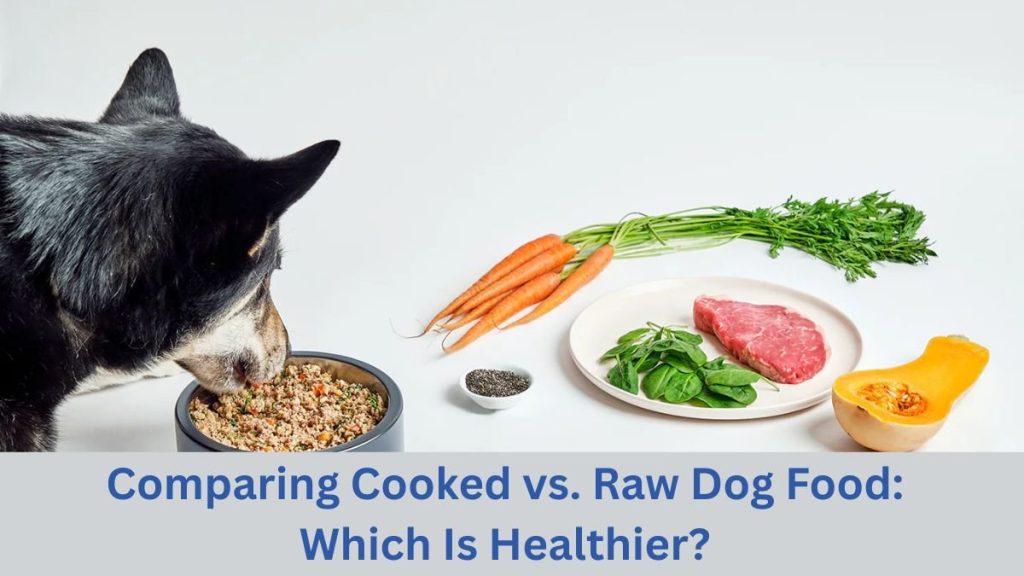

Have you ever wondered if feeding your dog raw food is better than giving them cooked meals? You want the best for your furry friend, and choosing the right diet can feel confusing.
Raw food diets promise natural benefits, while cooked food offers safety and convenience. But which one truly supports your dog’s health and happiness? Keep reading to discover the surprising facts that can help you make the best choice for your loyal companion.
Raw Food Diet Basics
A raw food diet for dogs focuses on feeding uncooked, natural ingredients. It aims to mimic what wild dogs would eat. Many pet owners believe raw food offers better nutrition and health benefits. This diet includes fresh meat, bones, and organs without cooking or processing. Understanding the basics helps decide if this diet suits your dog’s needs.
Common Ingredients In Raw Diets
- Muscle meat, such as beef, chicken, or turkey
- Raw bones, like chicken wings or necks
- Organ meats, including liver, kidney, and heart
- Vegetables like carrots, spinach, and broccoli
- Fruits such as apples or blueberries
- Supplements like fish oil or eggs
Nutritional Profile Of Raw Food
Raw food contains high protein and natural fats. These nutrients help build strong muscles and support energy. Enzymes in raw food aid digestion, often lost in cooking. Vitamins and minerals remain intact in fresh ingredients. Balanced raw diets provide calcium from bones and essential fatty acids. This diet can offer improved coat shine and dental health for dogs.

Credit: thepetquarter.co.uk
Cooked Food Benefits
Cooked food offers several benefits for dogs that many pet owners appreciate. Heat changes the structure of food, which can affect how dogs absorb nutrients. Cooking also helps remove harmful bacteria and parasites from meat, making meals safer. These advantages support a healthy diet and reduce health risks associated with raw feeding.
Nutrient Availability After Cooking
Cooking can increase the availability of some nutrients in dog food. Heat breaks down tough fibers and cell walls, making vitamins and minerals easier to absorb. For example, cooked carrots provide more beta-carotene than raw ones. Some proteins become more digestible after cooking. However, overcooking can reduce certain vitamins like vitamin C, so balance is key.
Digestibility And Safety Factors
Cooked food is often easier for dogs to digest. Heat softens meat and vegetables, helping the digestive system work better. Cooking also kills harmful bacteria such as Salmonella and E. coli. This lowers the risk of foodborne illness for dogs and their owners. Safe food handling and proper cooking temperatures are crucial for maximum safety.
Health Impacts On Dogs
Is raw food better than cooked food for your dog? This question has stirred many discussions among pet owners and veterinarians. Understanding the health impacts on dogs can help you make informed decisions. Let’s explore how a raw food diet may affect your dog’s health.
Immune System Effects
Feeding your dog raw food might boost their immune system. Raw diets are often rich in natural enzymes and nutrients, which can enhance immune function. Imagine your dog being more energetic and less prone to seasonal allergies. However, always ensure the food is fresh to avoid bacterial infections.
Dental Health Considerations
Raw food advocates argue that it can improve dental health. Chewing raw bones can reduce plaque and tartar buildup. When my dog switched to raw, her breath noticeably improved and her teeth looked cleaner. Wouldn’t you want the same for your furry friend?
Weight Management
Raw food diets can aid in better weight management. They are typically low in carbohydrates and high in protein, which can help maintain a healthy weight. If your dog is struggling with weight issues, a raw diet might be the solution. Just ensure portion sizes are appropriate to prevent overfeeding.
Choosing between raw and cooked food is not always straightforward. It’s crucial to consider your dog’s unique needs and consult with a vet. What works for one dog might not work for another. Have you ever tried raw food for your dog? Share your experiences in the comments!
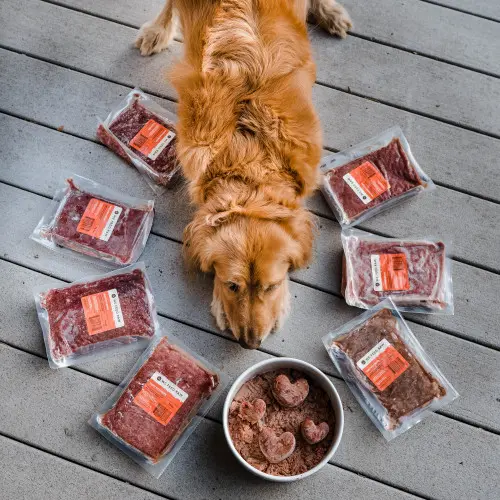
Credit: wefeedraw.com
Risks Of Raw Feeding
Feeding your dog raw food might seem like a natural choice, but it comes with its own set of risks that every pet owner should know. Understanding these risks can help you make better decisions about your dog’s diet and health. Let’s take a closer look at some of the main concerns associated with raw feeding.
Bacterial Contamination
Raw meat can carry harmful bacteria like Salmonella and E. coli. These bacteria don’t just threaten your dog’s health—they can also spread to your family through handling or contaminated surfaces.
Even if your dog’s immune system handles the bacteria, they can become carriers and shed bacteria in their stool. This raises a question: how much risk are you willing to take with your pet and household?
Nutritional Imbalances
Raw diets often lack essential nutrients or contain them in the wrong amounts. Without careful planning, your dog might miss out on vital vitamins and minerals.
For example, feeding only muscle meat can lead to calcium deficiency, causing bone problems. Have you checked if your raw feeding plan meets all your dog’s nutritional needs?
Choking And Bone Hazards
Raw bones can look like a healthy treat, but they pose serious choking risks. Splintered bones might cause cuts or blockages in your dog’s throat or digestive tract.
Many vets warn about feeding bones due to these dangers. Are you prepared to handle an emergency if your dog swallows a problematic bone?
Selecting The Right Diet
Selecting the right diet for your dog is essential for their health and happiness. Different dogs need different nutrients based on many factors. Choosing the best food involves careful thought and planning. Understanding your dog’s unique needs helps you pick the best raw or cooked food option.
Breed And Age Factors
Breed size affects dietary needs. Small breeds often need more calories per pound. Large breeds require balanced nutrients to support joints. Puppies need more protein for growth. Senior dogs benefit from diets with fewer calories. Each dog’s breed and age guide the best diet choice.
Consulting Veterinarians
Veterinarians offer expert advice on dog diets. They assess health conditions and nutritional needs. They help decide if raw or cooked food suits your dog. Regular check-ups ensure your dog stays healthy on their diet. Veterinary guidance reduces risks of diet-related problems.
Transitioning Diets Safely
Switching diets needs patience and care. Gradually mix new food with old over 7-10 days. Watch for signs of upset stomach or allergies. Slow changes help your dog adjust well. A smooth transition prevents digestive issues and stress.
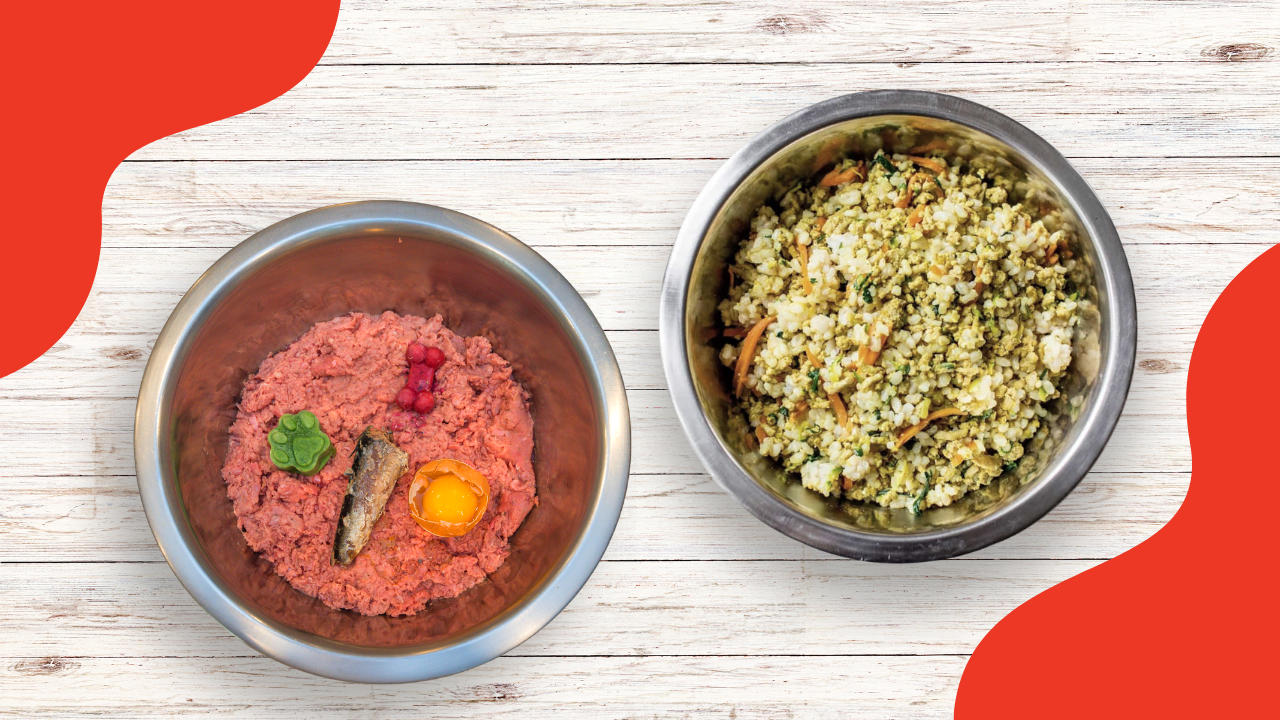
Credit: wefeedraw.com
Homemade Vs Commercial Options
Choosing between homemade and commercial raw food for dogs involves many factors. Both options offer unique benefits and challenges. Understanding these can help you make the best choice for your pet’s health and happiness.
Quality Control In Commercial Foods
Commercial raw dog foods undergo strict quality checks. Manufacturers follow government safety standards. Ingredients are tested for bacteria and contaminants. Nutrients are balanced to meet dog dietary needs. Packaging ensures freshness and prevents spoilage. This consistency provides peace of mind for pet owners.
Some brands include supplements for extra vitamins and minerals. Labels list all ingredients clearly. This transparency helps owners know exactly what their dog eats. However, some commercial foods may contain fillers or additives. Reading labels carefully is important to avoid unwanted ingredients.
Customizing Homemade Meals
Homemade raw food allows full control over ingredients. Owners can choose fresh meats, vegetables, and supplements. Meals can be tailored to a dog’s size, age, and health needs. This customization supports dogs with allergies or special diets.
Planning balanced meals requires knowledge of canine nutrition. It is important to include protein, fat, vitamins, and minerals in the right amounts. Many owners consult veterinarians or pet nutritionists. Proper preparation and hygiene are essential to avoid health risks.
Homemade meals can be more affordable than commercial options. Cooking and preparation time may be a factor to consider. The personal touch often leads to a deeper bond between owner and dog.
Frequently Asked Questions
Is Raw Food Healthier Than Cooked Food For Dogs?
Raw food retains more natural nutrients and enzymes, promoting better digestion. Cooked food may lose some nutrients but is safer from bacteria. The best choice depends on your dog’s health and dietary needs.
Can Raw Food Cause Health Risks In Dogs?
Yes, raw food can contain harmful bacteria like Salmonella. Proper handling, sourcing, and hygiene reduce risks. Consult your vet before switching to a raw diet to ensure safety.
Does Cooked Food Improve Nutrient Absorption In Dogs?
Cooking can increase digestibility of some nutrients like proteins and starches. However, excessive heat may destroy vitamins. Balanced cooking methods help optimize nutrient absorption for dogs.
How Do Dogs React To Switching From Cooked To Raw Food?
Some dogs experience improved energy and coat health. Others may have digestive upset initially. Transition gradually and monitor your dog’s response for best results.
Conclusion
Choosing between raw and cooked food for dogs depends on many factors. Each type has its own benefits and risks. Raw food offers natural nutrients but needs careful handling. Cooked food is easier to digest and safer from bacteria. Always consider your dog’s health, age, and preferences.
Talk to a vet before making changes. Balanced nutrition matters most for your dog’s well-being. The best choice supports their energy, growth, and happiness. Remember, no one diet fits all dogs perfectly. Find what works best for your furry friend.