
Are you wondering if raw food is hard for your dog to digest? You’re not alone.
Many pet owners ask this question because they want the best for their furry friends. Understanding how your dog’s digestive system handles raw food can help you make smarter choices about their diet. Keep reading to discover the truth about raw food digestion and learn what it means for your dog’s health and happiness.
Raw Food And Dog Digestion
Understanding how raw food affects your dog’s digestion is essential before making any changes to their diet. Dogs have a unique digestive system designed to process different types of food, and raw diets can interact with it in surprising ways. Knowing what happens inside your dog’s stomach and intestines can help you decide if raw food is the right choice.
How Dogs Digest Food
Your dog’s digestive system is shorter than a human’s, designed to quickly break down protein and fat. Their stomach produces strong acids to kill bacteria and digest meat efficiently. Unlike humans, dogs have fewer enzymes to digest carbohydrates, making them better suited for high-protein diets.
Have you noticed how your dog eagerly eats raw meat but sometimes struggles with certain vegetables? That’s because their digestion favors animal-based nutrients. This means raw food rich in meat is generally easier for them to handle than plant-heavy meals.
Components Of Raw Diets
Raw diets usually include muscle meat, organs, bones, and sometimes raw vegetables or fruits. Each component plays a role in providing nutrients and supporting digestion. For example:
- Muscle meat:Supplies protein and energy.
- Organs:Provide essential vitamins and minerals.
- Raw bones:Help with dental health and provide calcium.
- Vegetables and fruits:Add fiber and antioxidants but in small amounts.
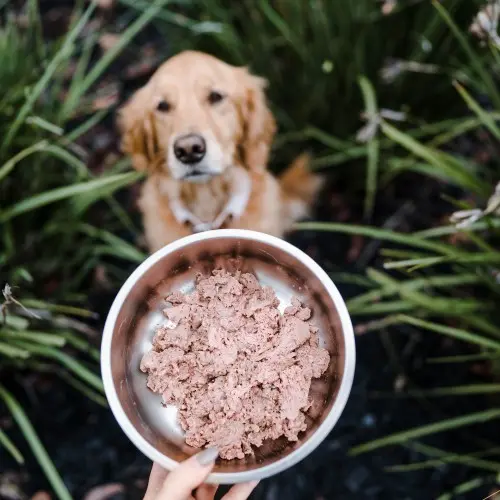
Including raw bones can be tricky—too large or hard bones might cause digestive problems or choking. Have you checked if your dog’s raw diet balances these components well? Sometimes, adjusting the mix can make digestion smoother and improve your dog’s overall health.
Credit: wefeedraw.com
Benefits Of Raw Feeding
Raw feeding offers several benefits that support a dog’s overall health. It provides natural nutrition in its purest form. Dogs often digest raw food easier because it closely resembles what their ancestors ate. This diet can help improve their vitality and well-being.
Improved Nutrient Absorption
Raw food contains natural vitamins and minerals that stay intact. Cooking can reduce these nutrients in traditional diets. Dogs absorb nutrients better from raw meals. This leads to stronger bones, healthier skin, and better energy levels. Nutrients like enzymes and antioxidants remain active in raw food, aiding overall health.
Enhanced Digestive Enzymes
Raw food includes natural digestive enzymes. These enzymes help break down food efficiently. Dogs produce fewer digestive enzymes with cooked food. Raw diets support their natural digestion process. This reduces strain on the stomach and intestines. Better digestion often means fewer digestive issues like gas or diarrhea.
Challenges Of Raw Food
Feeding dogs raw food can come with some challenges. It requires careful preparation and understanding of the potential risks. Not all dogs digest raw food easily, and some may experience problems. Knowing these challenges helps pet owners make better choices for their dog’s diet.
Potential Digestive Issues
Raw food can be tough on a dog’s digestive system. Some dogs may suffer from:
- Diarrhea or loose stools
- Constipation or hard stools
- Gas and bloating
- Vomiting after meals
These issues happen because raw food is less processed. It contains more bacteria and tougher fibers. Dogs with sensitive stomachs may struggle more. Gradual introduction and monitoring can help reduce these problems.
Risk Of Bacterial Contamination
Raw meat can carry harmful bacteria like Salmonella and E. coli. These bacteria can cause serious illness in dogs and humans. Cross-contamination in the kitchen is a common concern. Proper hygiene is essential to reduce this risk.
- Store raw food at correct temperatures
- Clean all surfaces and utensils after use
- Wash hands thoroughly after handling raw meat
- Use fresh, high-quality ingredients
Some dogs have stronger immune systems and handle bacteria better. Puppies, older dogs, or sick pets are at higher risk. Consulting a vet before switching to raw food is recommended to ensure safety.
Comparing Raw To Cooked Diets
Comparing raw and cooked diets helps understand how dogs digest their food. Each diet affects digestion and nutrient use differently. Knowing these differences supports better feeding choices for dogs.
Digestibility Differences
Raw food contains natural enzymes that aid digestion. Cooking can destroy some of these enzymes. This means raw diets might be easier to break down for some dogs.
Cooked food is softer and often easier to chew. Cooking breaks down tough fibers and proteins. This can help dogs with sensitive stomachs digest food better.
Both diets have benefits. Some dogs digest raw food well, while others do better with cooked meals. Monitor your dog’s reaction to each diet.
Nutrient Retention
Raw diets keep most vitamins and minerals intact. Heat from cooking can reduce some nutrients. For example, vitamin C and some B vitamins drop in cooked food.
Cooking can make certain nutrients more available. For instance, cooked meat releases more protein and amino acids. This can improve nutrient absorption.
Balancing raw and cooked foods can help meet all nutrient needs. Variety supports overall health and digestion.
Factors Influencing Digestion
Digesting raw food can be tricky for some dogs due to their digestive system and enzyme levels. Factors like age, health, and diet variety also affect how well dogs process raw meals. Understanding these helps decide if raw food suits your dog’s digestion.
Understanding the digestion of raw food in dogs is crucial for their health and well-being. Several factors can influence how well your dog can digest raw food. These factors can make the difference between a healthy diet and one that might cause discomfort or health issues.Dog’s Age And Health
The age and health of your dog play a significant role in digestion. Puppies and senior dogs may have more sensitive digestive systems. For instance, puppies are still developing their digestive enzymes, while older dogs might have underlying health conditions that affect digestion. A healthy adult dog with a robust immune system might handle raw food better. Always consider consulting your vet to understand your dog’s specific needs based on age and health.Transitioning To Raw Food
Switching your dog to a raw food diet requires careful planning. A sudden change can upset your dog’s stomach, leading to digestive issues. Gradually introduce raw food by mixing it with their current diet, increasing the raw portion over a week or two. Pay attention to your dog’s reactions during this transition period. Loose stools or vomiting might indicate the need to slow down the process. Have you considered keeping a journal to track your dog’s response to the new diet? It can provide valuable insights. Choosing the right raw food can also affect digestion. Ensure the raw diet includes a balanced mix of proteins, fats, and other nutrients. This balance is vital for maintaining your dog’s digestive health and overall well-being.
Credit: thepetgal.com
Tips For Feeding Raw Safely
Feeding your dog a raw diet can offer many benefits, but it requires careful attention to safety. You want to make sure your furry friend gets the nutrients they need without risking illness. Here are practical tips that help you feed raw food safely and confidently.
Choosing Quality Ingredients
Start with fresh, high-quality meats from trusted sources. Look for organic or grass-fed options when possible, as these tend to have fewer harmful chemicals and additives.
Include a variety of protein sources like chicken, beef, or fish to provide balanced nutrition. Don’t forget organ meats—they’re rich in essential vitamins and minerals.
Ask yourself: Are you buying ingredients that you would feel comfortable eating yourself? If not, reconsider your choices for your dog’s health.
Proper Handling And Storage
Raw meat carries bacteria, so hygiene is key. Always wash your hands thoroughly before and after handling raw food.
Store raw ingredients in airtight containers and keep them refrigerated or frozen. Thaw frozen food in the fridge, not on the counter, to avoid bacterial growth.
Clean all surfaces and utensils immediately after use with hot, soapy water. This simple habit protects both you and your pet from contamination risks.
Veterinary Perspectives
Veterinarians offer valuable insights about feeding raw food to dogs. Their views help pet owners make safe choices. Understanding their perspective clarifies whether raw diets suit your dog’s digestion.
Expert Opinions
Many vets say dogs can digest raw food, but it depends on the dog’s health. Some dogs handle raw diets well, showing improved digestion and energy. Others may struggle due to sensitive stomachs or weak immune systems.
Experts warn about risks like bacteria and parasites in raw meat. Proper handling and hygiene reduce these risks. Vets stress balanced nutrition to avoid deficiencies or excesses.
Some vets prefer cooked or commercial diets for safety and consistency. They recommend raw food only with careful planning and regular vet check-ups.
When To Consult A Vet
Consult a vet before starting a raw food diet. This step ensures the diet fits your dog’s needs.
- If your dog has digestive problems or allergies
- When your dog is very young, old, or sick
- If you notice symptoms like vomiting, diarrhea, or weight loss
- To check if your dog’s current diet is balanced
Regular vet visits help monitor your dog’s health on a raw diet. Your vet can suggest supplements or adjustments as needed.

Credit: pawfectlyrawne.com
Frequently Asked Questions
Is Raw Food Difficult For Dogs To Digest?
Raw food can be harder to digest for some dogs due to enzymes and bacteria. However, many dogs adapt well with proper transition and balanced nutrition.
What Are Signs Of Poor Raw Food Digestion In Dogs?
Signs include diarrhea, vomiting, gas, and bloating. Monitor your dog closely and consult a vet if symptoms persist or worsen.
How To Improve Digestion Of Raw Food For Dogs?
Gradually introduce raw food, ensure a balanced diet, and include probiotics. Regular vet check-ups help monitor digestion and overall health.
Can All Dogs Handle A Raw Food Diet?
Not all dogs tolerate raw food well. Puppies, seniors, and dogs with health issues may need tailored diets for safe digestion.
Conclusion
Raw food can be easier or harder for dogs to digest, depending on the dog. Some dogs handle raw diets well, while others may struggle. Always watch your dog’s health closely when changing their food. Talk to your vet before switching to raw food.
Proper preparation of raw meals helps digestion and safety. Each dog is different, so find what works best. Care and attention make feeding raw food a better choice. Keep your dog happy and healthy with the right diet.