
Are you wondering if it’s okay to switch your 6-month-old dog to adult food? You want to make sure your furry friend gets the right nutrition as they grow.
Feeding your pup the wrong food now can affect their health and energy later. You’ll discover the important facts you need to know before making the switch. Keep reading to learn how to give your dog the best diet for a happy, healthy life.
Credit: www.purina.com
When To Switch To Adult Food
Knowing the right time to switch your puppy to adult food is important for their health. Puppies have different nutritional needs than adult dogs. Feeding adult food too early or too late can affect their growth and energy levels.
Watch your puppy closely to understand when they are ready for the change. The switch should support healthy development and maintain their weight. Each puppy grows at its own pace, so timing varies.
Signs Your Puppy Is Ready
- Your puppy’s growth has slowed down or stopped.
- They seem less playful and more settled.
- Their teeth are fully grown and strong.
- Puppy food portions are no longer filling them.
- They are around six months old or older.
Breed And Size Considerations
Small breeds mature faster than large breeds. Small dogs may be ready for adult food as early as six months.
Large breeds need puppy food longer to support joint and bone growth. They might switch at 12 to 18 months.
| Breed Size | Typical Switch Age |
|---|---|
| Small Breeds | 6 – 9 months |
| Medium Breeds | 9 – 12 months |
| Large Breeds | 12 – 18 months |
Check your vet’s advice for your dog’s specific needs. Proper timing helps keep your dog healthy and strong.
Nutritional Differences Between Puppy And Adult Food
Understanding the nutritional differences between puppy and adult dog food is crucial when deciding whether to switch your 6-month-old dog to adult food. Puppies have unique dietary needs that support their rapid growth and development. Adult dog food, on the other hand, is designed to maintain health rather than promote growth.
Key Ingredients In Puppy Food
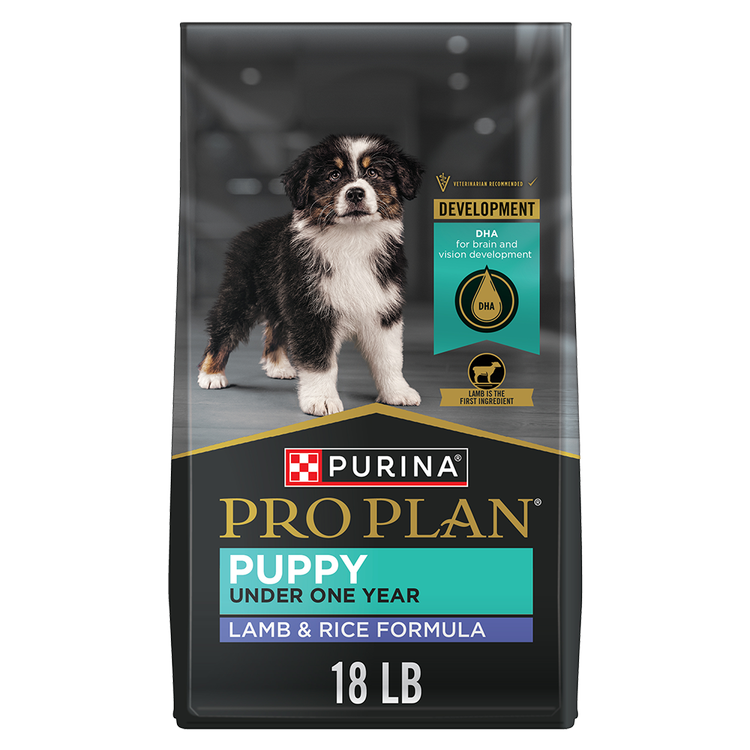
Puppy food is packed with higher levels of protein and fat to fuel energy and muscle growth. It also contains essential nutrients like DHA, which supports brain development and sharp vision.
Calcium and phosphorus are carefully balanced to promote strong bones and teeth. Plus, puppies need more calories per pound of body weight compared to adult dogs because they burn energy quickly.
Have you noticed how your pup seems to have endless energy? That’s partly because their food is made to keep up with their fast pace.
What Adult Food Offers
Adult dog food provides a balanced diet aimed at maintaining your dog’s weight and overall health rather than growth. The protein content is lower than in puppy food, reducing the risk of excess weight gain.
It often contains ingredients that support joint health and digestion, which become more important as dogs mature. Fiber levels may also be higher to aid in digestion and keep your dog’s stomach comfortable.
Switching too early to adult food might mean your puppy misses out on vital nutrients needed for optimal development. Have you considered how your dog’s energy needs have changed as they grow?
Risks Of Feeding Adult Food Too Early
Feeding adult dog food too early may cause digestive issues and nutrient gaps. Puppies need special nutrients for healthy growth. Switching too soon can slow development and harm their health.
Feeding your 6-month-old dog adult food might seem like a harmless decision, especially if you’re trying to save on costs or streamline meal times for pets of different ages. However, making this switch too early can pose several risks to your puppy’s health and development. It’s important to understand these risks so you can make informed choices about your furry friend’s diet.Potential Health Issues
Puppies have unique nutritional needs compared to adult dogs. Their bodies are still developing, requiring more protein, fat, and certain vitamins. Adult dog food often lacks these essential nutrients, which can lead to deficiencies. Feeding adult food to a puppy might result in weakened immune systems. This makes them more susceptible to illnesses. You wouldn’t want your playful pup to miss out on fun because of frequent vet visits, right?Growth And Development Concerns
Puppies need balanced nutrition to support their rapid growth. An imbalance of calcium and phosphorus in adult dog food can lead to bone problems. Have you ever noticed how fast puppies grow? Their bones, teeth, and organs need the right fuel to grow strong. Feeding adult food too early could stunt your puppy’s growth. Their energy levels might drop, and you could end up with a dog that’s not as lively as you’d hoped. Wouldn’t you prefer a healthy, active companion for years to come? Consider your puppy’s future health and happiness. Making the right choice now could prevent potential health problems and ensure a vibrant life for your dog.
Credit: www.purina.com
How To Transition Your Dog’s Diet
Changing your dog’s diet from puppy food to adult food requires care. Sudden switches can upset your dog’s stomach. A smooth transition helps your dog adjust well. It supports healthy digestion and nutrient absorption. Follow a clear plan to make the change easy for your dog.
Step-by-step Switching Process
- Start by mixing 25% adult food with 75% puppy food.
- Feed this mix for three days to let your dog get used to it.
- Increase the adult food to 50%, reduce puppy food to 50% for the next three days.
- Then change the mix to 75% adult food and 25% puppy food for three days.
- Finally, feed 100% adult food after about 10 to 12 days of gradual change.
Monitoring Your Dog’s Reaction
Watch your dog closely during the diet change. Look for signs like vomiting, diarrhea, or loss of appetite. Some mild changes in stool are normal at first. If severe issues appear, pause the switch and consult your vet. Keep track of energy levels and overall mood too. Proper monitoring ensures your dog stays healthy and happy.
Expert Recommendations
Deciding whether to switch your 6-month-old dog to adult food can feel tricky. Expert recommendations help clear the confusion by offering clear, practical advice tailored to your pup’s health and growth needs. Let’s look at what veterinarians say and how to pick the right adult food for your young dog.
Veterinarian Advice
Most vets suggest waiting until your dog reaches about 12 months old before fully switching to adult food. However, some breeds mature faster and may be ready earlier. Have you noticed your dog’s energy levels or weight changing? These signs can guide you.
Consult your vet to check your dog’s growth rate and nutritional needs. They often recommend a gradual transition over 7 to 10 days, mixing adult food with puppy food to avoid digestive upset. Your vet can also advise if your pup needs a special diet due to health or breed-specific factors.
Choosing The Right Adult Food
When selecting adult dog food, look for formulas that meet AAFCO standards for adult maintenance. You want food with balanced protein, fats, and essential vitamins. Is the food designed for your dog’s size and activity level? That matters a lot.
Read labels carefully. Avoid foods with excessive fillers or artificial additives. Instead, choose options with real meat as the first ingredient and wholesome grains or vegetables. If your dog has allergies or sensitivities, consider limited ingredient diets.
Introducing adult food doesn’t mean abandoning quality. You might want to try a few brands in small amounts to see what your dog prefers and tolerates well. Have you noticed your dog’s coat shine or stool consistency improve after switching foods? These are good indicators of the right choice.
Special Cases And Exceptions
Some puppies need special care before switching to adult dog food. Their breed size and health status can affect their diet plan. Understanding these exceptions helps you give the best nutrition to your dog. This section covers large breed puppies and dogs with health conditions.
Large Breed Puppies
Large breed puppies grow fast and need balanced nutrition. Their bones and joints develop quickly, so food must support healthy growth. Adult dog food may lack the right nutrients for them.
Large breed puppy food usually has:
- Lower calories to prevent rapid growth
- More calcium and phosphorus for bone strength
- Special proteins for muscle development
Switching too early to adult food can cause joint problems later. Keep feeding puppy food until at least 12 months old. Check your vet’s advice for your puppy’s breed.
Dogs With Health Conditions
Some dogs have health issues that affect their diet needs. Conditions like allergies, digestive problems, or kidney disease require special food.
Adult dog food may not suit dogs with these problems. It might worsen symptoms or lack key nutrients. Your vet might recommend:
- Prescription diets tailored to the illness
- Foods with limited ingredients to reduce allergies
- High-fiber or low-protein diets for sensitive digestion
Always consult your vet before changing food for a dog with health issues. Proper nutrition supports recovery and overall well-being.
Credit: www.purina.com
Frequently Asked Questions
Can I Switch My 6-month-old Dog To Adult Food?
Yes, you can switch your 6-month-old dog to adult food. Gradually transition over 7-10 days to avoid digestive issues. Make sure the adult food meets your dog’s nutritional needs for healthy growth and energy.
When Is The Right Time To Give Adult Dog Food?
The right time to give adult dog food is typically around 6-12 months. Large breeds may need puppy food longer. Consult your vet to determine the best timing based on your dog’s breed and size.
What Are The Risks Of Feeding Adult Food Too Early?
Feeding adult food too early can cause nutrient deficiencies. Puppies need extra protein and calories for growth. Early switching may lead to stunted growth or health issues. Always follow vet recommendations for your dog’s diet.
How To Transition My Puppy To Adult Dog Food?
Transition your puppy gradually by mixing increasing amounts of adult food with puppy food. Do this over 7-10 days. Monitor your dog for any digestive upset during the process. This helps your dog adapt smoothly to the new diet.
Conclusion
Feeding your 6-month-old dog adult food needs care. Puppies grow fast and need special nutrition. Switching too soon can cause health problems. Always check with your vet before changing food. Choose dog food that fits your dog’s age and size.
Watch how your dog reacts to new food. Good food helps your dog stay strong and happy. Healthy eating builds a long, active life. Take your time and make smart choices for your pet. Your dog will thank you with energy and love.