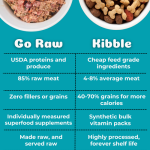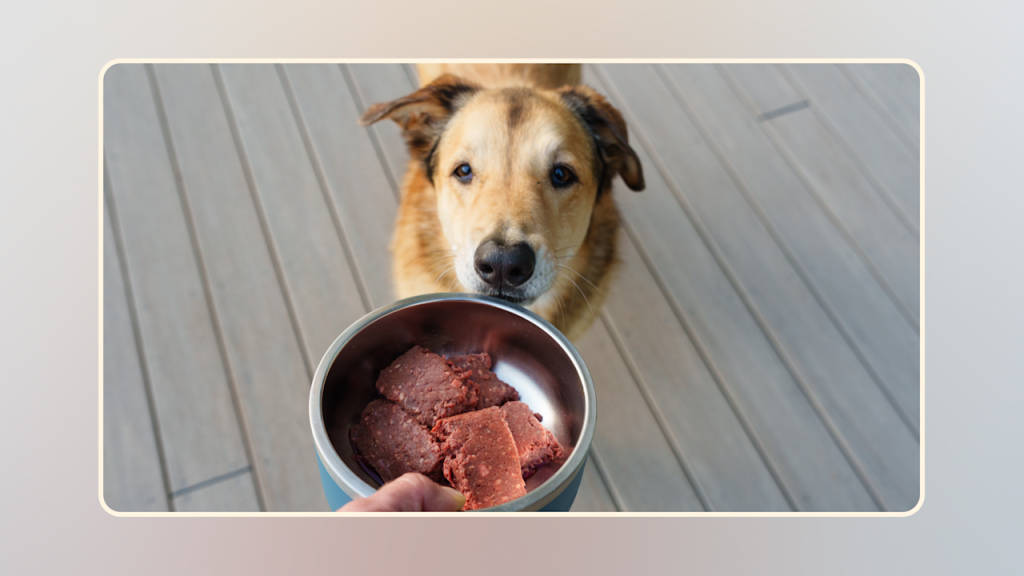

Are you curious about feeding your dog a raw food diet? You’ve probably heard about the benefits but also the concerns.
What exactly is a raw food diet for dogs, and is it really the best choice for your furry friend? This guide will help you understand what raw foods mean, how they affect your dog’s health, and whether this diet suits your pet’s lifestyle.
Keep reading to discover the facts and make the best decision for your dog’s well-being.

Credit: www.foxnews.com
What Is A Raw Food Diet For Dogs
A raw food diet for dogs focuses on feeding them uncooked, natural ingredients. This diet mimics what wild dogs would eat in nature. It includes fresh meat, bones, vegetables, and fruits. Supporters believe it helps improve dogs’ health and energy levels.
Switching to raw food means avoiding processed dog foods. This diet offers proteins, fats, and nutrients in their natural forms. It can aid digestion and promote a shiny coat. Some dog owners report better breath and cleaner teeth.
What Does A Raw Food Diet Include?
- Raw muscle meat, such as beef or chicken
- Raw meaty bones for calcium and dental health
- Organ meats like liver and kidney
- Fresh vegetables and fruits
- Supplements like fish oil or eggs for extra nutrients
How Does Raw Food Benefit Dogs?
- Improves digestion by providing natural enzymes
- Supports strong teeth and gums through chewing bones
- Enhances coat shine and skin health
- May increase energy and vitality
- Reduces allergies and food sensitivities for some dogs
Is A Raw Food Diet Safe For Dogs?
Raw diets must be balanced and carefully prepared. It is important to handle raw meat safely to avoid bacteria. Consult a vet before starting a raw food plan. They can help create a diet that meets your dog’s needs.
Benefits Of Raw Feeding
Raw feeding offers dogs a natural diet rich in nutrients and enzymes. It can improve digestion, boost energy, and promote healthier skin and coat. Many pet owners find their dogs enjoy meals that mimic their ancestral eating habits.
The raw food diet for dogs is gaining popularity. Many dog owners praise its benefits. This diet includes uncooked meat, bones, and organs. Fresh fruits and vegetables are also part of it. But what makes raw feeding beneficial for dogs? Let’s explore some key advantages.Improved Digestion
Many dogs experience better digestion with raw food. This diet is natural and unprocessed. It contains enzymes that aid digestion. Dogs often have smaller, firmer stools. This indicates better nutrient absorption.Healthier Skin And Coat
Raw feeding can improve a dog’s skin and coat. The diet is rich in fatty acids. These nutrients promote shiny fur and healthy skin. Issues like itching and dandruff can decrease. Dogs often look more vibrant and well-groomed.Increased Energy Levels
Dogs on a raw diet often have more energy. They are more active and playful. This diet provides essential proteins and fats. These nutrients fuel their bodies and keep them lively. Owners notice a positive change in their dog’s vitality.Better Dental Health
Raw feeding benefits a dog’s dental health. Chewing raw bones helps clean teeth naturally. It reduces tartar buildup and freshens breath. Healthy gums and strong teeth result from this diet. Many owners notice a decrease in dental issues.Potential Risks Of Raw Diets
Feeding your dog a raw food diet might seem like a natural choice, but it carries some important risks you should know about. These risks can affect your dog’s health and even your own family’s safety. Understanding these dangers helps you make smarter decisions about your pet’s nutrition.
Bacterial Contamination
Raw meat can carry harmful bacteria like Salmonella and E. coli. These bacteria don’t just threaten your dog—they can spread to humans through handling or contact. Proper hygiene and safe food handling are crucial, but even then, the risk may not be completely eliminated.
Nutritional Imbalances
Raw diets often lack a balanced mix of vitamins and minerals your dog needs. Without careful planning, your pet may miss essential nutrients like calcium or vitamin D. Over time, this can lead to issues like weak bones or poor immune function.
Choking Hazards
Raw bones are common in raw diets but they can cause choking or internal injuries. Small or sharp bone fragments might get stuck in your dog’s throat or digestive tract. It’s important to choose bone types carefully or avoid them altogether if your dog is a risky chewer.
Impact On Immunocompromised Pets
If your dog has a weak immune system, a raw diet can be especially dangerous. Their bodies might struggle to fight off infections from bacteria in raw food. Before changing your dog’s diet, ask yourself: Is this safe for my pet’s health condition?
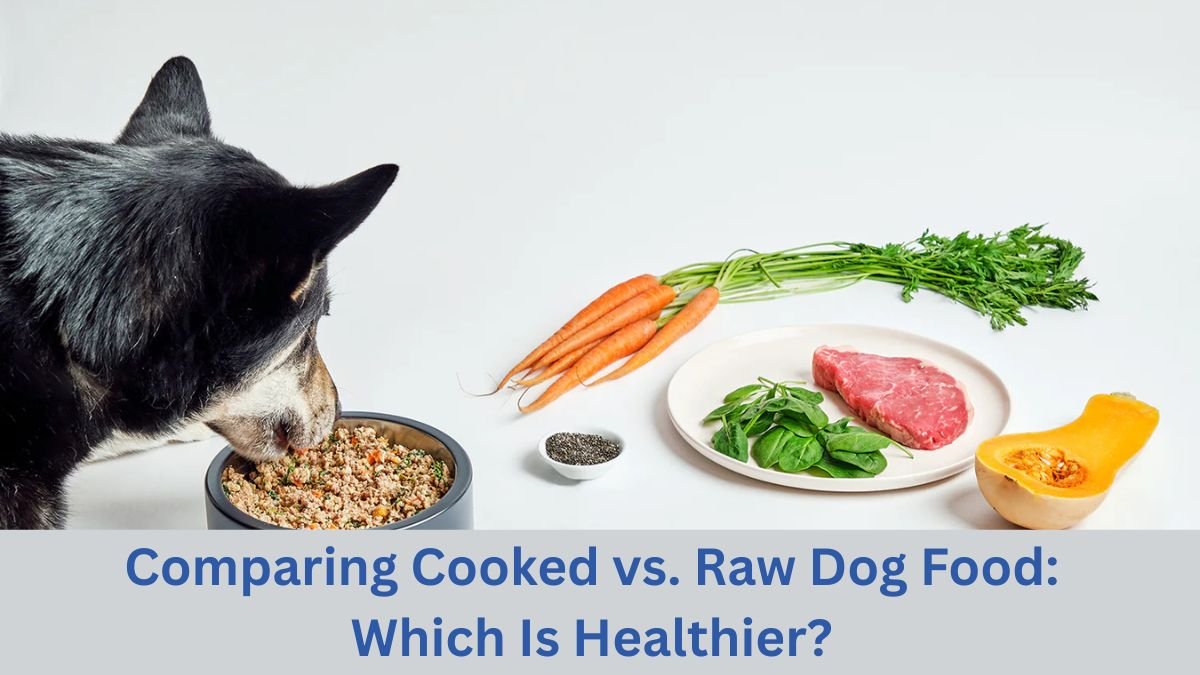
Credit: www.perfectbowl.com.au
Types Of Raw Diets For Dogs
Understanding the different types of raw diets can help you decide what fits best for your dog’s health and lifestyle. Each approach offers unique benefits and challenges. Knowing these options will make it easier to choose a diet that suits your dog’s specific needs and your schedule.
Barf Diet
The BARF diet stands for “Biologically Appropriate Raw Food” or “Bones and Raw Food.” It focuses on feeding dogs a mix of raw meat, bones, organs, and vegetables. Many dog owners appreciate this diet because it aims to mimic what dogs would naturally eat in the wild.
Preparing a BARF diet requires time and effort to balance all nutrients correctly. If you love cooking for your dog and want full control over their meals, this might be a good fit. However, it’s important to research carefully to avoid nutritional gaps.
Prey Model Diet
The Prey Model Diet is simpler and based on feeding whole prey or parts that represent a natural meal. This means mostly muscle meat, bones, and organs, without vegetables or supplements. It’s designed to imitate what a dog’s ancestors would have eaten.
Many find this diet easier to manage since it sticks to a few ingredients. But, it may lack certain vitamins and minerals, so you need to watch your dog’s health closely. Have you noticed how your dog reacts to a more stripped-down meal?
Commercial Raw Food
Commercial raw food offers convenience by providing pre-made meals that are balanced and ready to serve. These come frozen or freeze-dried and include all necessary nutrients. For busy pet parents, this option reduces preparation time significantly.
Choosing a reputable brand is key because quality varies. Look for products with clear ingredient lists and proper safety measures. Would you prefer a diet that saves time but still gives your dog the benefits of raw nutrition?
Transitioning To A Raw Food Diet
Transitioning your dog to a raw food diet requires patience and careful planning. Sudden changes can upset your dog’s digestive system, so it’s important to make the switch thoughtfully. This process allows your dog’s body to adjust gradually and helps you observe how they respond to the new diet.
Gradual Introduction
Start by mixing a small amount of raw food with your dog’s current diet. Increase the raw portion slowly over several days or weeks. This helps prevent digestive issues like diarrhea or vomiting.
Watch how your dog reacts to each increase. Some dogs adapt quickly, while others need more time. If your dog refuses the raw food, try different textures or flavors to find what they prefer.
Monitoring Health Changes
Keep a close eye on your dog’s energy levels, stool quality, and overall behavior. Changes in coat shine or appetite can indicate how well the diet suits them. Regular monitoring helps you spot any problems early before they become serious.
Record these observations in a journal or app. This way, you can track trends over time and share detailed information with your vet. Have you noticed any sudden changes in your dog’s mood or digestion since starting raw?
Consulting A Veterinarian
Before you begin, talk to a veterinarian who understands raw diets. They can provide guidance tailored to your dog’s age, breed, and health condition. This step ensures your dog gets all necessary nutrients without risk.
Regular vet check-ups are crucial during the transition. Blood tests and physical exams can reveal if the diet supports your dog’s health. Don’t hesitate to ask your vet questions or request advice on balancing the meals properly.
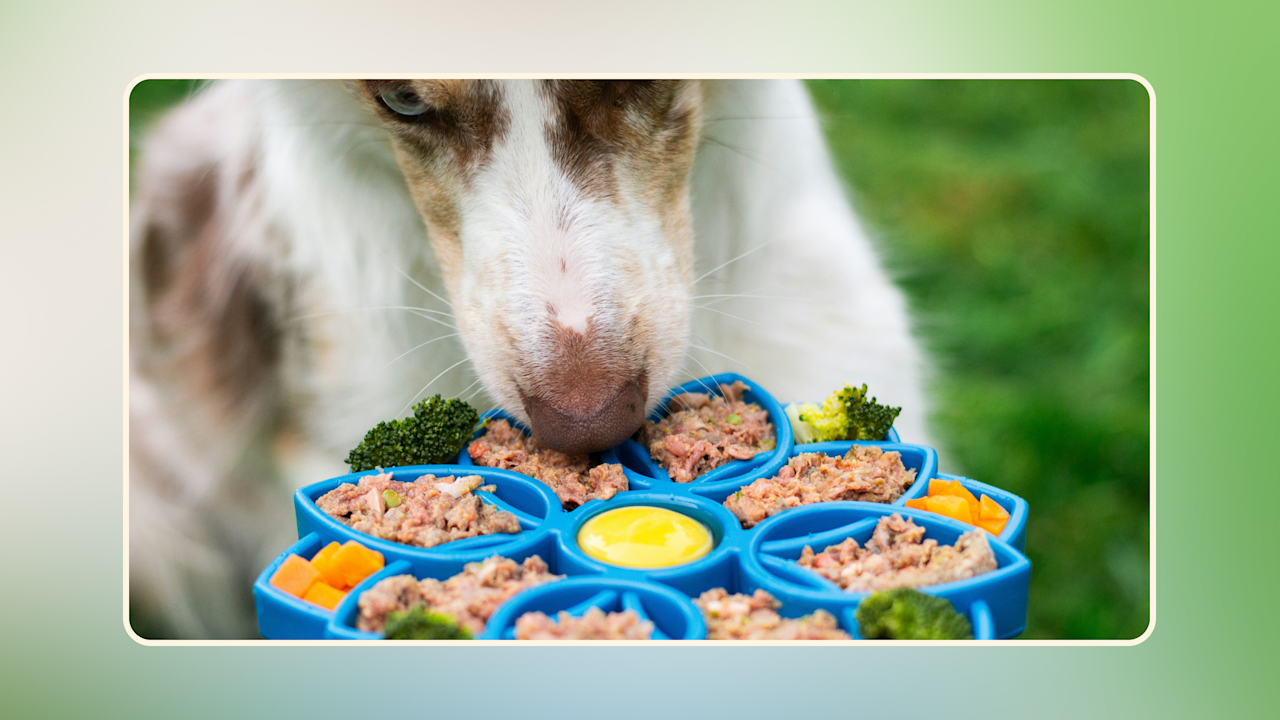
Credit: wefeedraw.com
Common Myths About Raw Feeding
Raw feeding for dogs sparks many debates, often clouded by myths that can mislead pet owners. Understanding these misconceptions helps you make better choices for your dog’s health. Let’s clear up some of the most common myths surrounding raw food diets for dogs.
Raw Food Diets Are Unsafe Due To Bacteria
Many people worry that raw meat carries harmful bacteria that can make dogs sick. While bacteria can exist, dogs have stronger stomach acids than humans, which help kill many harmful germs.
Still, safety depends on proper handling. Washing hands, cleaning surfaces, and sourcing high-quality meat reduces risks significantly.
Raw Diets Lack Essential Nutrients
Some believe raw diets don’t provide complete nutrition. However, a well-planned raw diet includes a balance of meat, bones, organs, and vegetables to cover all nutrients.
Just like any diet, it requires careful planning. Consulting a vet or pet nutritionist can help you create a balanced meal plan for your dog.
Raw Feeding Is Expensive And Time-consuming
It’s easy to think raw feeding demands too much time and money. But with some preparation, you can buy in bulk and freeze portions, saving both effort and cost.
Cooking commercial kibble also takes time and money, often with less nutritional value. What matters is finding a routine that fits your lifestyle and budget.
Dogs Can’t Digest Raw Bones Safely
Raw bones often get a bad reputation for causing choking or blockages. In reality, raw bones are softer and less likely to splinter than cooked bones.
Choosing appropriate-sized bones and supervising your dog while eating helps prevent problems. Many dogs enjoy chewing raw bones, which also supports dental health.
Raw Diets Are Only For Puppies Or Working Dogs
People sometimes assume raw food is only suitable for active or young dogs. But dogs of all ages and activity levels can benefit from raw diets if balanced properly.
Older dogs with sensitive digestion may even find raw food easier to handle. Have you noticed your dog’s coat or energy improve after switching diets?
Safety Tips For Raw Feeding
Feeding your dog a raw food diet can offer many benefits, but it requires careful attention to safety. Raw feeding involves handling uncooked meats and other perishable ingredients, which can pose health risks if not managed properly. Paying close attention to safety tips ensures your dog enjoys the diet without any harmful side effects.
Proper Handling And Storage
Always wash your hands thoroughly before and after handling raw dog food. Use separate utensils and cutting boards exclusively for your pet’s meals to avoid cross-contamination with human food.
Store raw ingredients in airtight containers and keep them at the right temperature. Freezing portions in advance can help maintain freshness and reduce the risk of spoilage. Have you checked the expiration dates and storage guidelines on your pet food packaging lately?
Sanitizing Feeding Areas
Clean your dog’s feeding bowls and surrounding areas after every meal. Use hot, soapy water or a pet-safe disinfectant to kill harmful bacteria.
Don’t forget to regularly sanitize countertops and floors where you prepare or feed raw food. Keeping these areas spotless helps protect both your dog and your family from germs.
Choosing Quality Ingredients
Select fresh, high-quality meats and produce from reputable sources. Organic or grass-fed options tend to have fewer chemicals and additives, which is better for your dog’s health.
Pay attention to ingredient labels and avoid anything with preservatives or fillers. Are you confident about where your raw food ingredients come from? Knowing your supplier can make a big difference in quality and safety.
Frequently Asked Questions
What Is A Raw Food Diet For Dogs?
A raw food diet for dogs includes uncooked meat, bones, fruits, and vegetables. It aims to mimic their natural ancestral diet. This diet may improve digestion, coat health, and energy levels when balanced properly.
Are Raw Foods Safe For All Dogs?
Raw foods can be safe if prepared correctly and hygienically. Dogs with weakened immune systems or health issues should consult a vet before switching. Proper handling reduces bacteria risks and ensures nutritional balance.
How Do Raw Diets Benefit Dog Health?
Raw diets can enhance digestion, increase energy, and improve skin and coat condition. They often contain fewer fillers and preservatives than commercial kibble. Many owners report better overall vitality and fewer allergies.
Can Raw Food Cause Health Risks In Dogs?
Improperly prepared raw food can lead to bacterial infections or nutrient imbalances. Risk is higher if hygiene is poor or bones are unsafe. Consulting a vet and using quality ingredients reduces potential health issues.
Conclusion
Feeding dogs a raw food diet can offer benefits and risks. It may improve coat shine and energy but needs care to avoid health issues. Always choose fresh, balanced ingredients and keep hygiene in mind. Consult your vet before changing your dog’s diet.
Watch your pet closely for any changes. Raw food diets are not for every dog. Careful planning and knowledge make all the difference. Your dog’s health depends on smart choices and proper care.