
Are you wondering if the raw food diet is the right choice for your dog? You want the best for your furry friend, but with so many opinions out there, it can be hard to know what’s truly healthy.
What if feeding your dog raw meals could boost their energy, improve their coat, and support their overall well-being? Before you make any decisions, it’s important to understand the benefits and risks. Keep reading to discover everything you need to know about the raw food diet for dogs—and whether it’s the right fit for your loyal companion.
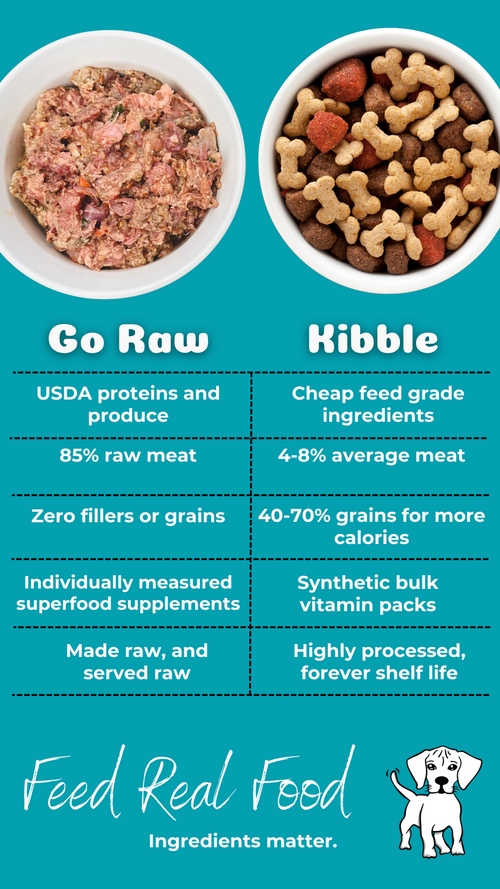
Credit: wefeedraw.com
Benefits Of Raw Food Diet
Switching to a raw food diet can bring many health benefits for dogs. This diet focuses on fresh, natural ingredients that may improve overall well-being. Dogs eating raw food often show positive changes in digestion, skin, energy, teeth, and weight.
Improved Digestion
Raw food is easier for dogs to digest than processed kibble. It contains natural enzymes that help break down food efficiently. This can reduce gas, bloating, and upset stomachs. Better digestion means dogs absorb more nutrients from their meals.
Healthier Skin And Coat
Raw diets provide essential fatty acids like omega-3 and omega-6. These fats support skin health and reduce dryness or itching. Dogs often develop shinier, softer coats with less shedding. Healthy skin and fur reflect good nutrition.
Increased Energy Levels
Raw food offers balanced nutrients and high-quality protein. This fuels muscles and boosts stamina. Dogs on a raw diet tend to have more energy and stay active longer. They show greater enthusiasm during play and walks.
Dental Health Advantages
Chewing raw meaty bones can help clean teeth naturally. This reduces plaque buildup and freshens breath. Strong teeth and healthy gums lower risks of dental diseases. Raw diets encourage better oral hygiene without harsh chemicals.
Weight Management
Raw food diets often contain fewer fillers and carbs. This helps maintain a healthy weight and prevents obesity. Lean proteins support muscle growth while limiting fat gain. Dogs stay fit and strong without extra calories.
Potential Risks
Feeding dogs a raw food diet may seem natural and healthy. Yet, it carries certain risks that pet owners must know. Understanding these dangers helps in making safe food choices for dogs. The raw diet can expose dogs to harmful bacteria and cause health problems. It can also lead to nutritional gaps and physical hazards during eating.
Bacterial Contamination
Raw meat can carry dangerous bacteria like Salmonella and E. coli. These germs may cause severe illness in dogs and humans. Handling raw food increases the chance of spreading bacteria in the home. Proper hygiene and storage are crucial to reduce contamination risks.
Nutritional Imbalances
Raw diets may lack essential nutrients in the right amounts. Missing vitamins and minerals can affect dog health over time. Poorly planned meals might lead to bone, muscle, or organ problems. Balanced nutrition is vital for energy and growth in dogs.
Choking Hazards
Raw bones can splinter and block the throat or intestines. Sharp bone fragments may injure the mouth or digestive tract. Small bones pose a higher choking risk, especially for smaller dogs. Always supervise dogs while eating raw bones.
Impact On Immune System
Raw diets might expose dogs to pathogens that challenge their immune system. Some dogs may develop allergies or digestive issues. Immunocompromised dogs can suffer more from infections. Watch for signs of illness and consult a vet if needed.
Risks For Puppies And Senior Dogs
Puppies need complete nutrition for proper growth and development. Raw diets may not provide all nutrients needed at this stage. Senior dogs often have weaker immune systems and sensitive digestion. Raw food can increase health risks for these vulnerable groups.
Comparing Raw And Commercial Diets
Raw diets offer fresh, natural ingredients that some believe improve dog health. Commercial diets provide convenience and balanced nutrition but may contain additives. Deciding between them depends on your dog’s needs and your lifestyle.
When choosing a diet for your dog, it’s crucial to weigh options. Raw and commercial diets are popular choices. Each has its benefits and drawbacks. Understanding these can help you make an informed decision.Nutritional Content Differences
Raw diets often include fresh meat, bones, and organs. These provide natural nutrients. Dogs may get high protein levels from raw diets. They also have fewer preservatives. Commercial diets, on the other hand, are formulated. They often contain balanced vitamins and minerals. These are important for overall health. Some commercial foods add fillers, though. These might not be as nutritious.Convenience And Cost
Raw diets can be time-consuming. Preparing fresh meals every day takes effort. They might also be more expensive. You need quality ingredients for a balanced diet. Commercial diets are convenient. They come pre-packaged and ready to serve. Many find them budget-friendly. Bulk buying options can save money. Time-saving and cost-effective.Safety Considerations
Raw diets carry a risk of bacteria. Uncooked meat can harbor harmful pathogens. This can affect both dogs and humans. Handling raw food requires caution. Commercial diets go through processing. This reduces the risk of contamination. Always check for recalls, though. Both diets need proper storage. Keep food fresh and safe.
Credit: micromed.org.nz
Preparing Raw Meals Safely
Preparing raw meals safely for your dog is crucial to keep them healthy and thriving. Handling raw food requires care to avoid contamination that can harm both your pet and your family. Understanding how to select, store, and clean up raw ingredients will give you confidence in feeding your dog this diet.
Choosing Quality Ingredients
Start with fresh, high-quality meats from trusted sources. Look for organic or grass-fed options if possible, as these tend to have fewer harmful chemicals. Avoid processed meats or anything with additives, as these can upset your dog’s digestion.
Including variety is key. Mixing muscle meat, organs, and bones ensures balanced nutrition. Have you checked if your supplier tests for pathogens like salmonella? This small step can prevent big health issues.
Proper Storage And Handling
Keep raw ingredients refrigerated or frozen until use. Thaw frozen items in the fridge, never at room temperature. This slows bacterial growth and keeps food safer.
Separate raw dog food from your family’s meals to avoid cross-contamination. Use dedicated containers and utensils exclusively for your dog’s food. Have you set up a spot in your kitchen just for your pet’s meals? This simple habit can make a huge difference in cleanliness.
Sanitation Practices
Wash your hands thoroughly before and after handling raw meat. Clean all surfaces and tools with hot, soapy water immediately after use. Sanitizing cutting boards and bowls with a bleach solution can add an extra layer of safety.
Regularly clean your dog’s feeding area to prevent bacteria buildup. How often do you disinfect your dog’s bowls? Making this a daily routine helps protect your dog’s health over time.
Signs Raw Diet Might Not Suit Your Dog
Switching your dog to a raw food diet can seem like a healthy choice, but it’s important to watch for signs that it might not be the right fit. Not every dog reacts the same way, and some may experience issues that you need to address quickly. Paying close attention to your dog’s health and behavior will help you decide if this diet truly benefits them.
Digestive Issues
One of the first signs a raw diet might not suit your dog is digestive upset. You might notice diarrhea, vomiting, or constipation soon after the diet change. These symptoms can indicate that your dog’s digestive system is struggling to handle raw foods.
Sometimes, the problem is the introduction of too much fat or unfamiliar proteins. If your dog’s stool becomes loose or if they seem uncomfortable after meals, consider slowing down the transition or consulting your vet. Have you checked whether the raw food includes ingredients your dog’s stomach isn’t used to?
Allergic Reactions
Allergies can develop or worsen on a raw food diet. Watch for itching, redness, or swelling around the face, paws, or ears. These are common signs that your dog may be reacting to something in their new meals.
Food allergies often appear after a few weeks on a new diet. If you notice these symptoms, try isolating the protein source or raw ingredient that might be causing the problem. Could your dog be sensitive to a particular type of meat or supplement in the raw mix?
Behavioral Changes
Sometimes, a diet affects more than just physical health—it can impact your dog’s behavior. If your dog becomes unusually lethargic, irritable, or anxious after switching to raw food, this might be a warning sign.
Energy levels can fluctuate if the diet isn’t providing balanced nutrients. Monitor how your dog acts during walks and playtime. Are they less interested or more restless than usual? These changes may hint that the diet isn’t meeting their needs.

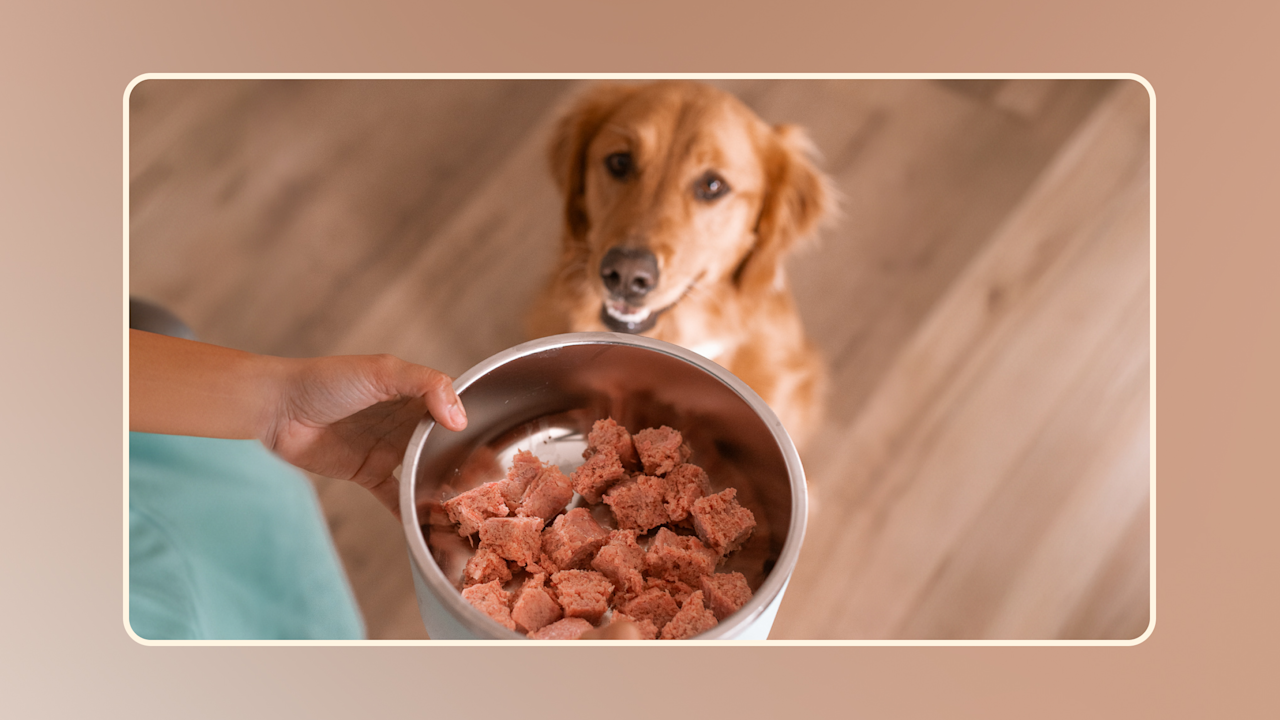
Credit: wefeedraw.com
Consulting Your Veterinarian
Consulting your veterinarian is a key step before starting a raw food diet for your dog. Veterinarians understand your pet’s health history and can guide you safely. They help ensure the diet meets your dog’s specific needs and avoids risks. This professional advice supports a smooth transition and better health outcomes.
Tailoring Diet To Your Dog’s Needs
Each dog is unique, with different health needs and preferences. Your vet can suggest the right balance of proteins, fats, and nutrients. This helps avoid deficiencies or excesses that might harm your dog. Tailoring the diet to breed, age, and health status is essential for success.
Monitoring Health Changes
Regular check-ups allow vets to track your dog’s response to the raw food diet. They watch for signs of improvement or any health issues. Monitoring weight, coat condition, and energy levels gives clues about diet effectiveness. Early detection of problems helps prevent serious complications.
Adjusting Diet Over Time
Your dog’s needs may change with age, activity, or health conditions. Your vet can recommend diet adjustments to match these changes. This flexibility keeps your dog healthy and happy on the raw food diet. Ongoing vet support ensures the diet stays safe and balanced.
Frequently Asked Questions
What Is A Raw Food Diet For Dogs?
A raw food diet for dogs includes uncooked meat, bones, fruits, and vegetables. It mimics a dog’s natural ancestral diet. This diet aims to improve digestion, coat health, and energy levels by providing natural nutrients without additives.
Are Raw Diets Safe For All Dogs?
Raw diets can be safe when properly balanced and prepared. However, puppies, pregnant dogs, and dogs with health issues may need special care. Consult a vet before switching to ensure safety and nutritional adequacy for your dog.
What Are The Benefits Of A Raw Food Diet?
Benefits include improved digestion, shinier coats, healthier teeth, and increased energy. Raw diets provide natural enzymes and nutrients often lost in cooked food. Many owners report better overall health and vitality in their dogs.
How Do I Transition My Dog To A Raw Diet?
Transition gradually over 7-10 days by mixing raw food with current meals. Increase raw portions slowly to avoid digestive upset. Monitor your dog’s health and stool quality during this period for any issues.
Conclusion
The raw food diet for dogs has both benefits and risks. It can improve coat shine and energy but may cause health issues if not balanced. Always check with your vet before changing your dog’s diet. Safe handling and quality ingredients matter a lot.
Each dog is unique, so watch how they respond. This diet is not a one-size-fits-all choice. Careful planning keeps your dog healthy and happy. Think about your dog’s needs first.