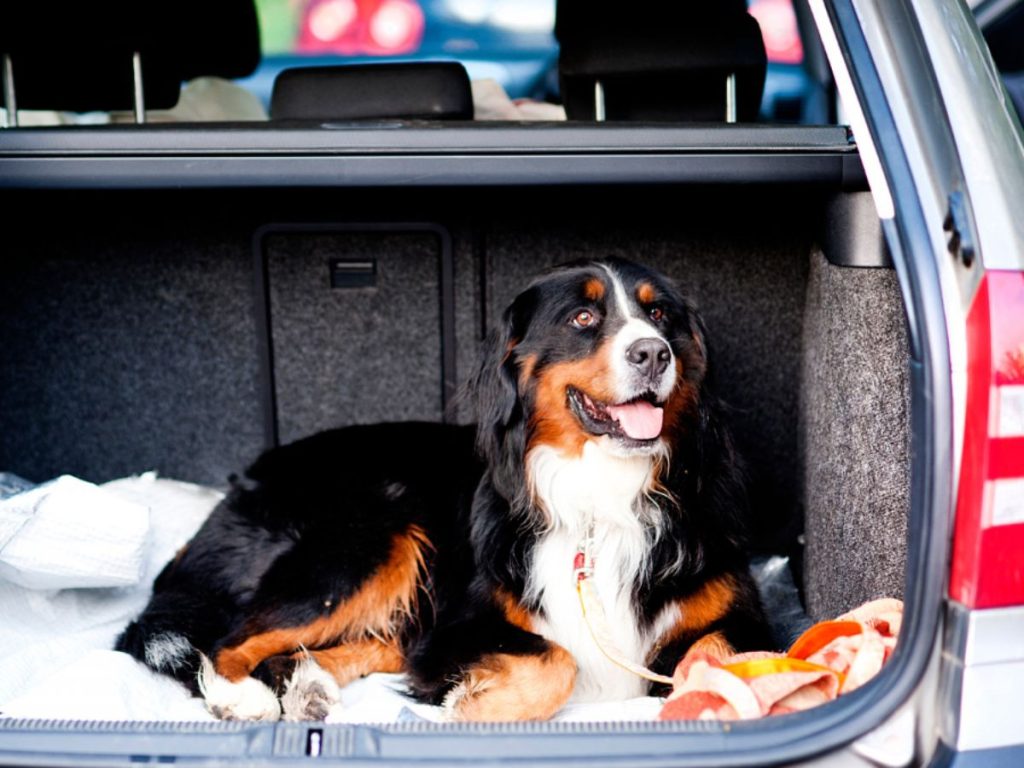

Traveling with your dog can be an amazing experience, but it also comes with its own set of challenges. You want to make sure your furry friend stays safe, comfortable, and happy throughout the trip.
How do you prepare? What should you pack? And how can you avoid stress for both you and your dog? Keep reading, because this guide will give you simple, practical tips that make traveling with your dog easier than you ever imagined.
Your next adventure together starts here.

Credit: www.flywithmypet.com
Preparing Your Dog For Travel
Preparing your dog for travel is key to ensuring a smooth and enjoyable trip for both of you. It takes more than just packing a leash and some treats. Thoughtful preparation helps reduce your dog’s stress and keeps them safe throughout your journey.
Health Check And Vaccinations
Before you hit the road, schedule a vet visit to confirm your dog is healthy for travel. Ask about any vaccinations your destination requires, like rabies or kennel cough shots. Updating flea and tick prevention is also smart, especially if you’ll be outdoors a lot.
My dog once had an unexpected reaction during a trip because we skipped a vet check. Avoid that by getting a clean bill of health and any necessary paperwork. This can also include a health certificate if you’re flying or crossing borders.
Familiarizing With Travel Gear
Introduce your dog to travel gear ahead of time. Let them explore the crate, harness, or car seat you plan to use. This helps your dog associate the gear with safety, not confinement or discomfort.
Try short practice trips around the neighborhood using the gear. Watch for signs of anxiety or discomfort and adjust accordingly. Comfort and familiarity can turn a stressful experience into a calm one.
Packing Essentials For Your Dog
Pack more than just food and water. Bring favorite toys, a blanket, and even a portable water bowl. These items provide comfort and help maintain your dog’s routine on the road.
- Leash and harness
- Food and treats
- Medications and first aid kit
- Waste bags
- Comfort items like a blanket or bed
- Copies of vaccination records
Think about what your dog needs to feel secure and happy. Have you considered how different climates or unexpected delays might affect your packing list?

Credit: petfriendlybox.com
Choosing The Right Mode Of Transport
Choosing the right mode of transport for traveling with your dog depends on many factors. Consider your dog’s size, comfort, and health. Also think about distance, travel time, and your budget. Each mode offers different benefits and challenges. Picking the best way helps keep your dog safe and calm during the trip.
Traveling By Car
Cars offer flexibility and control during travel. Your dog can stay in a familiar space. Use a secure crate or dog seat belt for safety. Take breaks every two hours for bathroom and water. Keep the car ventilated and avoid hot temperatures. Bring your dog’s favorite toys and blanket for comfort.
Flying With Your Dog
Flying is fast but can be stressful for dogs. Check airline pet policies before booking. Small dogs often fly in the cabin; larger dogs travel in cargo. Use an airline-approved carrier that fits under the seat or in cargo. Label the carrier with your contact details. Arrive early to handle check-in and security smoothly. Offer water but avoid feeding right before the flight.
Train And Bus Travel Tips
Trains and buses have specific rules for pets. Confirm pet policies with the company before your trip. Keep your dog in a secure carrier or on a leash. Bring a collapsible water bowl and some treats. Prepare your dog for the noise and motion of the ride. Plan bathroom breaks at stops if possible. Stay calm to help your dog feel safe.
Ensuring Comfort During The Trip
Comfort during travel means regular breaks for water and stretching. A cozy crate or seat helps your dog feel safe and relaxed throughout the journey.
Ensuring Comfort During the Trip Traveling with your furry friend can be a delightful experience, but ensuring their comfort is crucial for a stress-free journey. Whether you’re embarking on a road trip or taking a flight, there are several strategies to keep your dog cozy and content. Let’s dive into practical ways to make your dog’s travel experience as pleasant as possible.Safe And Comfortable Crates
Choosing the right crate is essential for your dog’s safety and comfort. Ensure the crate is well-ventilated and large enough for your dog to stand, turn around, and lie down comfortably. A soft bedding inside can provide the perfect cozy corner for naps during the trip. Secure the crate in your vehicle to prevent it from moving around. If you’re flying, check the airline’s regulations on crate requirements. A familiar blanket or toy can help your dog feel at home even when they’re away from home.Managing Food And Water
Maintaining your dog’s eating schedule while traveling is crucial. Pack their usual food in a travel-friendly container to avoid any dietary disruptions. It’s best to feed them a light meal a few hours before departure to prevent motion sickness. Always have fresh water available and offer small amounts periodically. Consider using a spill-proof travel bowl to minimize mess. Hydration is key, especially during long trips or warm weather.Keeping Your Dog Calm
A calm dog is a happy traveler. If your dog tends to get anxious, bring along their favorite calming aids. This could be a special toy, a calming collar, or even some soothing music. Familiar scents can also help ease their nerves. Spritz a bit of your perfume or cologne on their bedding. Regular breaks for walks and playtime can also help burn off nervous energy, making the journey more enjoyable for both of you. What strategies have you found effective for keeping your dog calm during travels?Planning Your Route And Stops
Planning your route and stops is key to a smooth trip with your dog. Good planning keeps your pet happy and healthy. It reduces stress and makes the journey enjoyable for both of you. Know where to stop for breaks, rest, and meals. Check the locations of pet-friendly places along the way. Prepare for any emergencies by knowing vet clinics near your path.
Frequent Breaks For Exercise
Dogs need to stretch their legs often during travel. Plan breaks every two to three hours. Use these stops for short walks and bathroom breaks. Exercise helps your dog stay calm and relaxed. Choose safe, quiet spots with grassy areas. Let your dog drink water and play for a few minutes. This keeps energy levels balanced and prevents restlessness.
Finding Pet-friendly Accommodations
Not all hotels accept pets. Research and book places that welcome dogs in advance. Look for hotels, motels, or rentals with pet-friendly policies. Check for rules on size, breed, and extra fees. Pet-friendly accommodations often offer special amenities like dog beds or walking areas. Confirm your reservation to avoid surprises. Staying in a pet-friendly place makes your dog feel at home.
Emergency Vet Locations
Health issues can happen anytime during travel. Identify vet clinics near your planned stops. Save their contact details on your phone. Know which vets offer emergency services and their working hours. Keep a list of symptoms that need urgent care. Being prepared helps you act fast in case of illness or injury. It gives peace of mind throughout your trip.
Handling Special Situations
Traveling with your dog can bring unexpected challenges that require special attention. Handling these situations carefully ensures your trip is smooth and enjoyable for both of you. Let’s look at some key areas that often need extra care when you hit the road with your furry friend.
Traveling With Anxious Dogs
Dogs that get nervous during travel need extra comfort. You can help by bringing familiar items like their favorite blanket or toy. These small comforts can reduce stress and create a sense of safety.
Consider calming aids such as pressure wraps or natural supplements, but always check with your vet first. During the trip, speak softly and keep your movements calm. Have you noticed what specifically triggers your dog’s anxiety? Knowing this helps you avoid or lessen those triggers.
Dealing With Weather Conditions
Weather can change quickly and affect your dog’s comfort and safety. In hot weather, never leave your dog alone in a parked car, even for a few minutes. Always carry plenty of water and offer frequent breaks in shaded areas.
Cold weather requires extra protection like doggy jackets or booties, especially for smaller or short-haired breeds. Watch for signs of discomfort such as shivering or lifting paws off cold ground. How do you prepare your dog for extreme weather during travel?
Navigating Border And Airline Regulations
Crossing borders or flying with your dog means following specific rules. These rules vary by country and airline, covering vaccinations, health certificates, and crate requirements. Start by checking official websites to avoid last-minute surprises.
Keep all documents handy and make sure your dog’s ID tags and microchip info are up to date. Some airlines have restrictions on breeds or weight limits, so confirm these details well ahead of your trip. What paperwork have you found most challenging to organize when traveling with your dog?

Credit: petfriendlybox.com
Post-travel Care
Traveling with your dog is an adventure filled with excitement and new experiences. However, the journey doesn’t end once you arrive home. Post-travel care is essential to help your furry friend adjust smoothly and stay healthy after the trip.
Settling Back At Home
Your dog may feel disoriented after the trip, especially if the journey was long or stressful. Give them space and time to readjust to their familiar surroundings. Keep their routine as normal as possible—regular feeding, walks, and playtime help restore comfort.
Watch for signs of anxiety or restlessness. Sometimes, dogs act out because they’re overwhelmed. Creating a calm environment with their favorite blanket or toy can make a big difference.
Monitoring Your Dog’s Health
Travel can expose dogs to new environments and germs. Keep a close eye on their health for at least a week after your trip. Check for symptoms like vomiting, diarrhea, excessive scratching, or lethargy.
If your dog shows any unusual behavior or signs of illness, don’t hesitate to contact your vet. It’s better to be cautious than wait for a small issue to become serious. You might also want to review any travel vaccinations or preventive treatments you used.
Rewarding Good Behavior
Traveling can be challenging, and your dog deserves recognition for handling it well. Use treats and praise to reinforce calm and positive behavior after the trip. This encourages them to stay relaxed on future travels.
Consider introducing new games or favorite activities as a reward. These positive experiences help your dog associate travel with enjoyable outcomes. Have you noticed how a simple treat can turn a stressful moment into a happy one for your pet?
Frequently Asked Questions
How Do I Prepare My Dog For Travel?
Start by visiting the vet for a health check and vaccinations. Pack essentials like water, food, and a leash. Familiarize your dog with the travel crate or car to reduce anxiety.
What Are The Best Travel Methods For Dogs?
Cars are often the easiest and most comfortable option. Airlines allow pets but require advance booking and proper carriers. Trains and buses have varying pet policies, so check ahead.
How Can I Keep My Dog Safe During Travel?
Use a secure crate or dog seatbelt in vehicles. Never leave your dog unattended in a hot car. Ensure ID tags and microchips are up-to-date for quick recovery if lost.
What Items Should I Pack For Traveling With A Dog?
Bring food, water, bowls, leash, waste bags, and a favorite toy. Include grooming supplies and any medication your dog needs. A blanket or bed helps your dog feel secure.
Conclusion
Traveling with your dog can be fun and safe with simple steps. Plan ahead and pack all your dog’s essentials. Keep your dog comfortable during the trip. Take breaks often for walks and water. Always follow pet travel rules for each place.
Enjoy the journey and create happy memories together. Traveling becomes easier when your dog feels calm and secure. A little preparation helps both you and your dog have a great trip. Safe travels and happy tails!