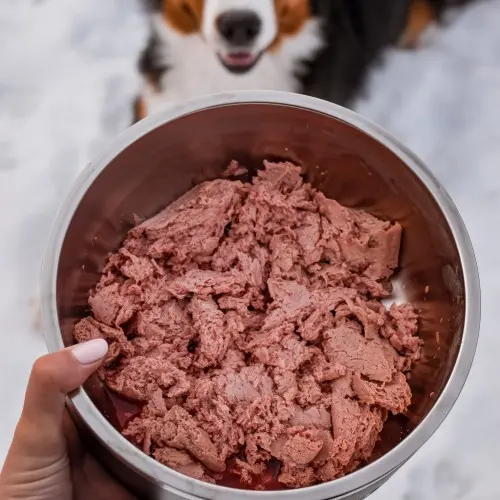

Are you wondering if raw food is the best choice for your dog? With so many opinions out there, it’s easy to feel confused.
You want what’s healthiest and safest for your furry friend, but how do you know if raw food really delivers? This article will help you understand the benefits and risks, so you can make the best decision for your dog’s diet.
Keep reading to discover what raw feeding means and whether it’s right for your pet’s unique needs.
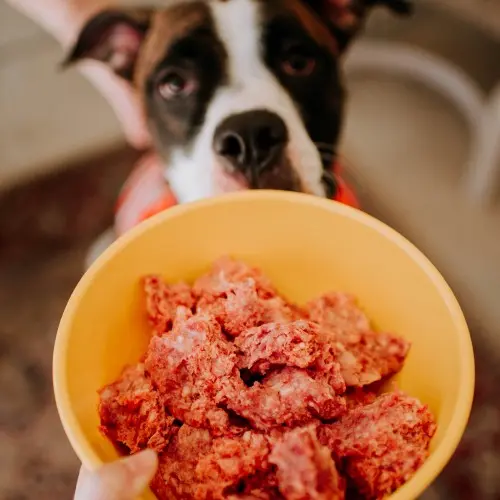
Credit: wefeedraw.com
Benefits Of Raw Food
Feeding your dog raw food can bring noticeable benefits that affect their overall well-being. Many dog owners report positive changes after switching to a raw diet. Let’s take a closer look at some specific advantages you might see in your furry friend.
Improved Digestion
Raw food often contains natural enzymes that help break down nutrients more efficiently. This can lead to less gas, firmer stools, and a happier tummy for your dog. If your dog has struggled with digestive issues, raw food might ease those troubles by offering a diet closer to what their ancestors ate.
Healthier Skin And Coat
A shiny coat and soft skin are signs of good health. Raw diets usually include essential fatty acids like omega-3s, which support skin hydration and reduce itching. You might notice your dog’s fur becoming glossier and less prone to dryness after a few weeks on raw food.
Increased Energy Levels
Have you ever seen your dog lagging during playtime? A raw diet rich in high-quality proteins and fats can boost energy naturally. Many owners observe their dogs becoming more lively and eager to explore after making the switch, which can make daily walks and activities more enjoyable for both of you.
Potential Risks
Feeding dogs a raw food diet comes with certain risks. Understanding these dangers helps pet owners make safer choices. Some risks can affect your dog’s health quickly. Others may cause long-term problems. Awareness is the first step to prevention.
Bacterial Contamination
Raw meat can carry harmful bacteria like Salmonella and E. coli. These bacteria can make dogs very sick. They can also spread to humans in the home. Proper handling and storage reduce this risk but do not eliminate it. Cooking meat kills bacteria, but raw feeding does not.
Nutritional Imbalances
Raw diets can lack important vitamins and minerals. Dogs need a balanced diet for strong bones and good energy. Too much calcium or not enough can cause health problems. Homemade raw meals often miss key nutrients. Commercial raw diets vary in quality and balance.
Choking Hazards
Raw bones pose a choking risk for dogs. Small or sharp bones can block airways or damage the digestive tract. Some dogs chew bones too quickly, increasing danger. Always supervise your dog when feeding raw bones. Avoid cooked bones, which splinter easily.
Comparing Raw And Commercial Diets
Choosing the right diet for your dog can be challenging. Many pet owners debate between raw and commercial diets. Both have their supporters and critics. Understanding their differences helps make an informed decision.
Nutritional Differences
Raw diets often claim to be more natural and nutrient-rich. They include fresh meats, bones, and organs. Supporters say these foods provide essential nutrients. Commercial diets, on the other hand, are formulated with balanced nutrients. They undergo thorough quality checks. They often contain grains, vegetables, and meat by-products.
Cost Considerations
Raw diets can be more expensive. Fresh meats and high-quality ingredients raise costs. Commercial diets offer a range of price points. They fit different budgets. Bulk buying and brand choices influence expenses.
Convenience Factors
Commercial diets offer convenience. They require no preparation. Just open the bag and serve. Raw diets demand more time and effort. They need careful handling and preparation. Storing raw ingredients also requires space and planning.
Expert Opinions
Understanding expert opinions can help you decide if a raw food diet is suitable for your dog. Different professionals bring varied experiences and knowledge to the table. Their insights can clarify the benefits and risks involved, helping you make a well-informed choice for your pet’s health.
Veterinarian Perspectives
Many veterinarians express caution about raw diets due to potential health risks like bacterial contamination. They warn that raw food can expose dogs to pathogens such as Salmonella and E. coli, which may affect both pets and their owners.
However, some vets acknowledge that raw diets can be beneficial if properly balanced and handled safely. They often recommend consulting a vet before switching to raw food to ensure it meets your dog’s nutritional needs.
Nutritionist Insights
Animal nutritionists emphasize the importance of a balanced diet tailored to your dog’s specific needs. Raw food can provide natural nutrients but must be carefully planned to avoid deficiencies in vitamins and minerals.
They often suggest supplementing raw diets with necessary nutrients and conducting regular health checks. Nutritionists also stress that not all raw diets are equal—quality and variety matter greatly.
Experienced Pet Owners
Many pet owners who feed raw diets share stories of improved coat shine, energy levels, and digestion in their dogs. These firsthand accounts highlight real-world benefits that go beyond scientific data.
Still, some owners report challenges like extra preparation time and the need for strict hygiene. Have you considered whether you can commit to the effort and precautions that raw feeding demands?
Safe Practices For Raw Feeding
Feeding your dog raw food can feel rewarding, but it also comes with responsibilities. Ensuring safety in raw feeding means paying close attention to what you choose, how you handle it, and making sure the meals are balanced. Neglecting any of these can lead to health risks for your furry friend.
Choosing Quality Ingredients
Not all raw ingredients are created equal. Look for meats labeled as safe for raw consumption or human-grade to reduce bacteria risks. Organic or grass-fed options often have fewer additives, which can benefit your dog’s health.
Have you checked the source of your meat lately? Sometimes local farmers offer fresher, cleaner options than big stores. Don’t forget to include safe organ meats like liver or kidney, which provide essential nutrients.
Proper Handling And Storage
Raw food must be handled with care to prevent contamination. Always wash your hands before and after preparing meals, and clean all surfaces thoroughly. Use separate cutting boards for raw meat and other foods to avoid cross-contamination.
Store raw food in airtight containers in the coldest part of your fridge, ideally below 40°F (4°C). Freeze portions you won’t use within a couple of days to keep them fresh. How often do you check your fridge temperature? It’s a small step that can make a big difference.
Balanced Meal Planning
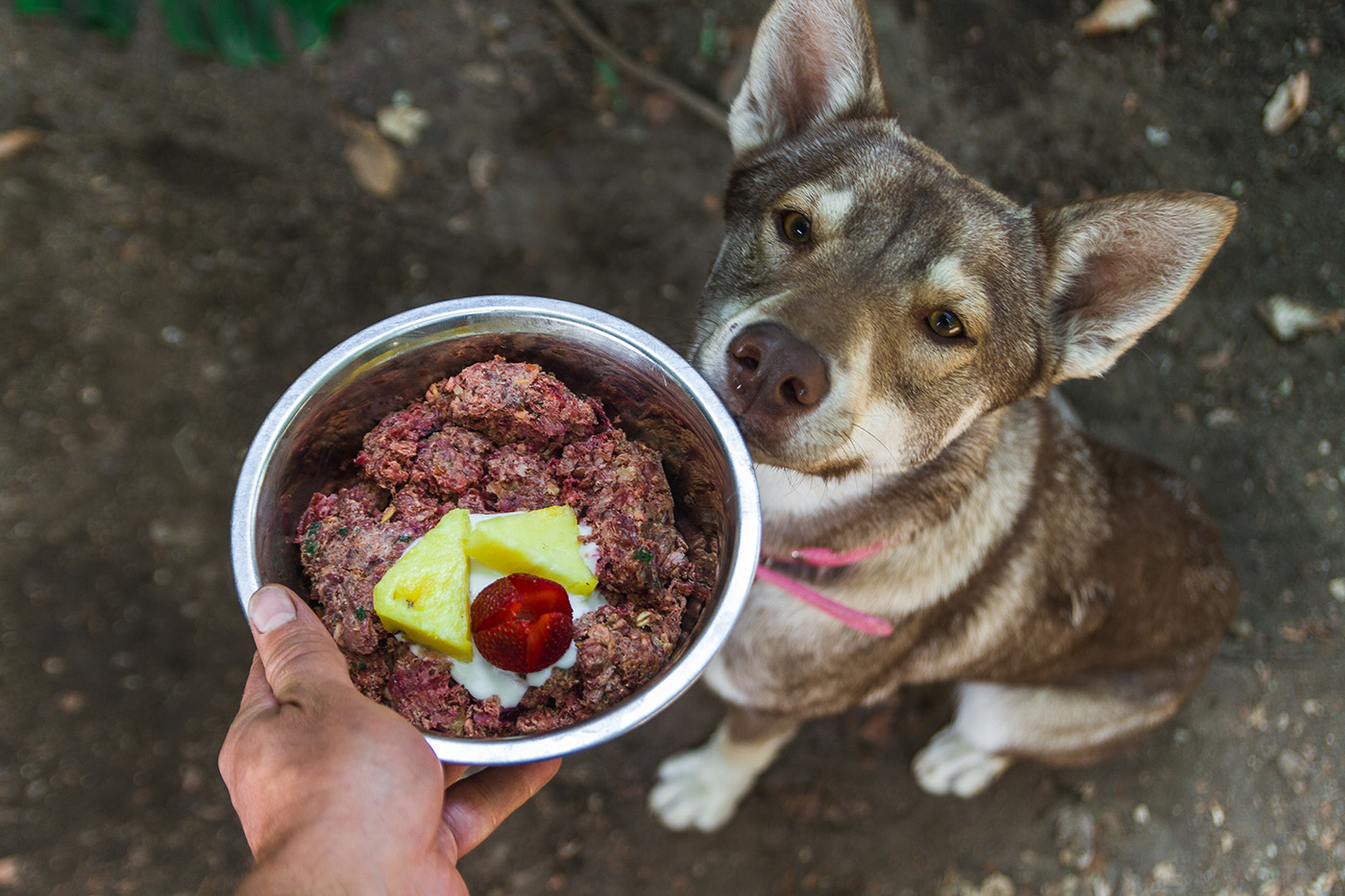
Raw feeding isn’t just about throwing meat in a bowl. Your dog needs a mix of muscle meat, bones, organs, and sometimes fruits or vegetables to get all necessary nutrients. A well-balanced diet supports energy, coat health, and digestion.
Consider consulting a vet or canine nutritionist to tailor the right plan for your dog’s breed, age, and health. Have you noticed any changes in your dog’s energy or digestion since starting raw feeding? These clues help adjust their meals for the best results.

Credit: pawfectlyrawne.com
Signs Your Dog Thrives On Raw Food
Recognizing signs that your dog thrives on a raw food diet helps you confirm its benefits. Dogs show clear changes that point to better health and happiness. Watch closely for shifts in energy, digestion, and mood. These changes often mean raw food suits your pet well.
Improved Vitality
Raw food can boost your dog’s energy levels. You may notice more playfulness and alertness. Daily activities become easier and more enjoyable for your dog. Their coat often looks shinier and healthier too.
Better Stool Quality
Healthy digestion reflects in stool quality. Raw-fed dogs tend to have firmer, smaller stools. These stools usually smell less strong and appear less often. This means their digestive system works efficiently.
Positive Behavioral Changes
Behavior can improve with the right diet. Raw food may reduce anxiety and irritability. Dogs often show more calmness and focus. They seem happier and more relaxed around family.
Alternatives To Raw Diets
Choosing the right diet for your dog can feel overwhelming, especially if raw food isn’t the perfect fit. Luckily, there are several alternatives that can provide balanced nutrition without the risks sometimes associated with raw feeding. These options can suit different lifestyles, budgets, and health needs while keeping your dog happy and healthy.
Cooked Homemade Meals
Preparing cooked homemade meals lets you control exactly what your dog eats. You can use fresh ingredients like lean meats, vegetables, and grains, ensuring no harmful bacteria are involved. Many dog owners find that cooking meals at home helps manage allergies or digestive issues more effectively.
Have you ever noticed how your dog reacts to different foods? Adjusting recipes based on their energy levels or coat condition can make a big difference. Just remember to include a variety of nutrients—protein, fats, and carbohydrates—to keep meals balanced.
High-quality Commercial Foods
High-quality commercial dog foods offer convenience without sacrificing nutrition. Look for brands that list real meat as the first ingredient and avoid fillers like corn or soy. Some premium options are even grain-free or tailored for specific health needs such as joint support or sensitive stomachs.
These foods undergo strict quality checks, reducing the risk of contamination. Plus, they save you time and effort while providing your dog with essential vitamins and minerals. Have you checked the ingredient list on your dog’s food lately? It might be time for an upgrade.
Supplement Options
Adding supplements can enhance your dog’s diet, especially if you choose alternatives to raw feeding. Omega-3 fatty acids from fish oil support skin and coat health, while probiotics improve digestion. Vitamins like E and C can boost the immune system and overall well-being.
Before adding supplements, consider your dog’s specific needs and health conditions. Consulting your vet ensures you provide the right balance. Are you paying attention to any signs that your dog might benefit from extra nutrients?
Credit: www.thisdogslife.co
Frequently Asked Questions
What Are The Benefits Of Raw Food For Dogs?
Raw food can improve your dog’s digestion, coat, and energy. It provides natural nutrients and enzymes lost in cooking. Many owners report healthier skin and cleaner teeth. However, benefits vary based on diet balance and dog’s individual health.
Are There Risks Feeding Dogs Raw Food?
Yes, raw food can carry bacteria like Salmonella and E. coli. Improper handling risks illness for pets and humans. Nutritional imbalances may occur without proper guidance. Consulting a vet before switching to raw is essential.
How Do I Start A Raw Food Diet Safely?
Start gradually by mixing raw with current food. Use high-quality, fresh ingredients and maintain hygiene. Monitor your dog’s health closely for changes. Consult a vet or pet nutritionist to ensure a balanced diet.
Is Raw Food Suitable For All Dog Breeds?
Raw diets can suit most breeds but may not fit puppies, seniors, or dogs with health issues. Some breeds have specific nutritional needs. Always tailor the diet to your dog’s age, size, and health status.
Conclusion
Raw food can offer benefits for some dogs, but it’s not perfect for all. Each dog has unique needs and health concerns. Consult your vet before making any big diet changes. Watch your dog’s health and behavior closely if you try raw food.
Balance and safety matter most. Choosing the best food means caring for your dog’s happiness and well-being every day.