

Traveling internationally with a service dog can feel overwhelming. You might wonder about the rules, paperwork, and how to keep your dog comfortable in a new place.
But it doesn’t have to be stressful. With the right tips and preparation, you and your service dog can enjoy smooth, worry-free travel. This guide will walk you through everything you need to know, so you can focus on your adventure—not the challenges.
Keep reading to discover how to make your next trip easier and more enjoyable for both you and your loyal companion.

Credit: www.tsa.gov
Preparing For International Travel
Preparing for international travel with your service dog requires careful planning and attention to detail. The rules and requirements vary widely between countries, so understanding what’s needed can save you from last-minute hassles. Taking time to prepare ensures a smooth journey for both you and your service dog.
Researching Destination Rules
Each country has its own regulations regarding service dogs. Some places might require advance approval before arrival, while others limit the types of service animals allowed. Check official government or embassy websites to find the most current information.
Think about questions like:
- Does your destination allow service dogs in public places?
- Are there quarantine rules or restrictions on certain breeds?
- What are the airline’s policies for service animals flying internationally?
Understanding these rules early helps you avoid surprises and ensures your dog’s access rights are respected abroad.
Gathering Required Documentation
Proper paperwork is crucial when traveling with a service dog. Most countries require proof of your dog’s status as a service animal along with identification and travel permits. Without these, you risk being denied entry or facing delays.
Important documents often include:
- A letter or ID card confirming your dog’s role as a service animal
- Pet passport or official identification microchip details
- Entry permits or declarations required by the destination country
Keep multiple copies of all documents on hand—both physical and digital. This can be a lifesaver if you lose originals or face inspections.
Vaccinations And Health Certificates
Health requirements vary but nearly every country will require proof that your service dog is vaccinated and healthy. Rabies shots are usually mandatory, often with specific timing rules before travel.
You’ll likely need a recent health certificate issued by a licensed veterinarian. This document confirms your dog is fit to travel and free from contagious diseases. Some countries specify the certificate must be issued within a certain timeframe, like 10 days before arrival.
Check if any additional vaccines or treatments are required. Missing these can cause quarantine or denial of entry, turning your trip into a stressful ordeal.
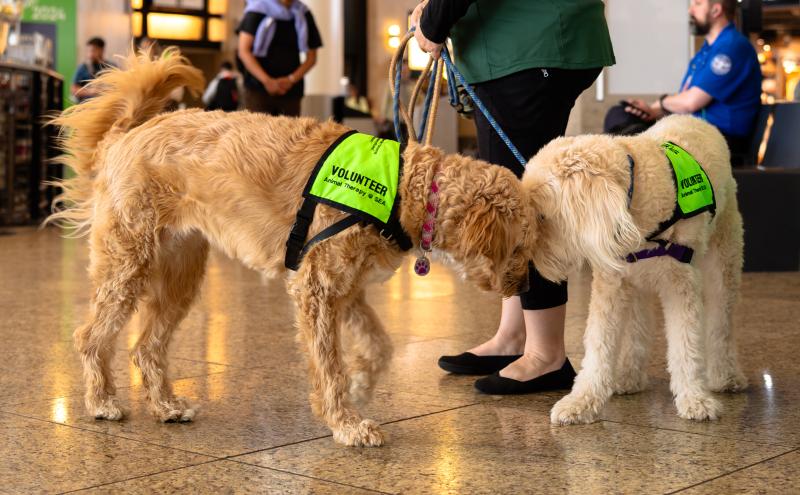
Credit: www.portseattle.org
Booking Flights And Accommodations
Booking flights and accommodations for international travel with a service dog requires careful planning. Each step ensures a smooth experience for both the traveler and the service dog. Understanding airline policies and hotel rules is essential.
Choosing Pet-friendly Airlines
Select airlines that allow service dogs on board without extra fees. Check their specific rules about service dog documentation and size limits. Some airlines have special cabins or seating arrangements for passengers with service dogs. Choosing the right airline reduces stress during the flight.
Notifying Airlines About Service Dogs
Contact the airline before booking to inform them about your service dog. Provide any required documents, such as a service dog certification or vaccination records. Early notification helps airlines prepare for your arrival. It also avoids last-minute issues at the airport.
Selecting Service Dog-friendly Hotels
Search for hotels that welcome service dogs and offer suitable amenities. Confirm pet policies directly with hotel staff to avoid surprises. Look for hotels with easy access to outdoor areas for dog breaks. Some hotels provide special rooms or services for guests with service animals.
Packing Essentials For Your Service Dog
Packing for international travel with your service dog takes more than just tossing their leash and a few treats into your bag. Every item you bring can affect your dog’s comfort and your peace of mind. Think about what your dog needs daily and in unexpected moments.
Food And Water Supplies
Always pack enough food to cover your entire trip plus extra for delays. Your dog’s stomach can be sensitive to sudden diet changes, so sticking to their usual food prevents upset tummies. Portable, collapsible bowls are lifesavers—they’re lightweight and easy to clean on the go.
Have you considered how you’ll provide fresh water during long flights or layovers? Carry a water bottle with a built-in dispenser or a travel water bottle designed for pets. Hydration is key to keeping your service dog alert and comfortable.
Medical And Comfort Items
Include any medications your dog needs, along with a copy of the prescription and your vet’s contact information. A first-aid kit tailored for dogs can handle minor scrapes or insect bites during your trip. Don’t forget comfort items like a favorite blanket or toy; these familiar scents and textures can reduce anxiety in unfamiliar environments.
Imagine arriving at your destination and realizing you forgot your dog’s allergy medication. Avoid that stressful moment by double-checking your packing list well before departure.
Identification And Gear
Proper identification is essential. Your service dog should wear a collar with up-to-date ID tags and a harness or vest that clearly marks them as a service animal. Having copies of their certification and vaccination records on hand can smooth interactions at customs and security checkpoints.
Consider adding a GPS tracker to your dog’s gear. Losing your service dog in a busy airport or foreign city is a nightmare you don’t want to face. What extra gear could help you stay connected and prepared?
Navigating Airport Procedures
Navigating airport procedures with a service dog requires careful planning and calmness. Airports can be busy and noisy, which might stress your dog. Knowing what to expect helps keep both of you relaxed. Each step at the airport has specific rules for service dogs. Understanding these rules makes the journey smoother.
Check-in And Security Screening
Arrive early at the airport to have extra time. Inform the airline about your service dog when booking. At check-in, show your dog’s identification or certification if needed. Security screening usually involves walking through a metal detector. You can carry your dog or ask for a pat-down instead.
- Remove your dog’s leash only if instructed by security staff.
- Use a harness or vest to identify the dog as a service animal.
- Keep your dog calm and close to you during screening.
Managing Layovers And Transfers
Layovers can be tiring for service dogs. Find quiet areas away from crowds to rest. Walk your dog regularly to relieve stress and prevent accidents. Check airport maps for pet relief areas or service dog zones. Keep your dog hydrated and offer snacks during long waits.
- Confirm the next flight allows service dogs on board.
- Keep all documents and health records handy for transfers.
- Plan extra time for moving between gates or terminals.
Handling Emergencies
Prepare for emergencies by carrying a first-aid kit for your dog. Know the locations of airport veterinary clinics or pet hospitals. Have contact numbers for local animal services at your destination. Keep your dog’s medication and emergency supplies accessible at all times.
- Stay calm to help your dog feel safe.
- Inform airport staff immediately if your dog shows signs of distress.
- Have a backup plan if your dog cannot continue the trip.
Customs And Border Control
Traveling internationally with a service dog requires proper documentation and clearance from customs and border control. Officers check health certificates and vaccination records to ensure smooth entry. Preparing these papers in advance helps avoid delays and stress at the border.
Traveling internationally with a service dog can be an exciting yet challenging experience, especially when navigating customs and border control. Different countries have varied regulations, and being well-prepared is key to a smooth journey. From presenting the right documentation to understanding quarantine rules, each step requires careful planning. Here’s how you can ensure a hassle-free experience with your service dog at international borders.Presenting Documentation
Having the correct documentation is crucial. Ensure you carry your service dog’s identification, vaccination records, and a letter from your healthcare provider stating the necessity of your service animal. Some countries may require additional paperwork, so check the specific requirements of your destination. Present these documents clearly and confidently. Keep them in a dedicated folder for easy access during travel. Being organized helps speed up the process and shows customs officials you’re prepared.Quarantine Regulations
Quarantine rules can vary greatly between countries. Some may have no requirements, while others enforce strict quarantine periods. Research your destination well in advance to avoid surprises. Contact the embassy or consulate of the country you are visiting to confirm their policies. Knowing the quarantine rules ahead of time allows you to plan your travel schedule accordingly. Preparing in advance ensures your service dog remains healthy and stress-free.Dealing With Unexpected Challenges
Even with thorough preparation, unexpected challenges can arise. For instance, a change in regulations or a missing document can cause delays. Stay calm and patient while addressing such issues. Have a backup plan and additional copies of all necessary documents. Communicate clearly with customs officials, explaining your situation and the role of your service dog. Your positive attitude can often make a difference in resolving unexpected hurdles. Are you ready for your next adventure with your service dog? Prepare well, and remember that each step you take is an opportunity for growth and learning. Your furry companion is not just a helper but also a bridge to new experiences and cultures.Adjusting To A New Environment
Adjusting to a new environment can be challenging for both you and your service dog. Different sights, sounds, and smells might confuse or stress your dog. Taking steps to ease this transition helps your dog feel safe and confident. A calm and happy dog performs its tasks better and supports you effectively.
Helping Your Dog Adapt
Introduce your dog to the new surroundings slowly. Spend time outdoors to explore parks and quiet streets. Use familiar commands and praise often to build comfort. Keep your dog close during busy or noisy moments. Provide a safe space like a crate or bed for rest. Watch for signs of stress such as pacing or whining. Offer treats and gentle reassurance to calm nerves.
Finding Local Veterinary Care
Locate a trusted vet before traveling. Research clinics that understand service dogs’ needs. Save emergency numbers and addresses in your phone. Check the vet’s hours and if they speak your language. Bring all medical records and vaccination documents. Knowing help is nearby reduces worry during your trip.
Maintaining Routine And Comfort
Keep feeding and walking schedules consistent. Use your dog’s usual food and water bowls. Bring favorite toys and blankets to provide familiarity. Regular exercise helps reduce anxiety and restlessness. Stick to training routines to reinforce good behavior. Rest times should match your dog’s normal pattern. Consistency creates a sense of security in new places.
Legal Rights And Accessibility Abroad
Traveling internationally with your service dog requires more than packing and planning your itinerary. Understanding the legal rights and accessibility of service dogs in different countries can save you from unexpected challenges. Knowing what to expect helps you advocate for your needs and ensures a smoother journey for both you and your dog.
Service Dog Laws By Country
Each country has its own set of rules regarding service dogs. Some places recognize only specific types of service animals, while others have broad definitions. For instance, the United States follows the Americans with Disabilities Act (ADA), which grants wide access rights, but countries like Japan require official certification for service dogs.
Before you travel, check if the destination requires:
- Certification or registration of your service dog
- Specific vaccinations or health documents
- Restrictions on types or breeds of service dogs
Not all countries allow emotional support animals the same way they do service dogs. This distinction can affect your travel plans significantly.
Accessing Public Spaces
Access to public spaces varies widely around the world. In many European countries, service dogs are allowed in public transport, restaurants, and shops, but you might still face questions or hesitations from staff.
It’s helpful to carry documentation that proves your dog’s status as a service animal. This can include:
- Service dog ID cards or vests
- Letters from your healthcare provider
- Vaccination and health records
Remember, some places might have specific rules for entry, like keeping your dog on a leash or harness. Have you ever been surprised by a local rule that made you rethink your plans? Being prepared can help you avoid that stress.
Communicating Your Needs
Language barriers can make explaining your service dog’s role challenging. Simple, clear communication is key. Prepare a short statement about your dog’s purpose translated into the local language.
Use apps or printed cards that explain your rights and your dog’s function. This helps staff understand your needs quickly, reducing confusion and delays.
Don’t hesitate to ask for assistance or clarification. People often want to help but may not know how. How would you explain your service dog’s role if you couldn’t speak the local language fluently?

Credit: www.tsa.gov
Tips For Stress-free Travel
Traveling internationally with a service dog can bring unique challenges, but a smooth experience is possible with the right approach. Preparing yourself and your dog mentally and physically helps reduce stress and keeps your journey enjoyable. Here are practical tips to keep your travels calm and organized.
Training Refresher Before Travel
Before you leave, spend time reviewing your dog’s essential commands and behaviors. Simple exercises like “stay,” “heel,” and “quiet” can make a big difference in busy airports or unfamiliar places.
Use short, frequent training sessions to keep your dog engaged without overwhelming them. This refresh not only sharpens their skills but also builds confidence for handling new environments.
Managing Anxiety In Crowded Places
Airports and busy streets can trigger anxiety for both you and your service dog. Bring familiar items like a favorite toy or blanket to offer comfort.
Practice deep breathing techniques and maintain a steady pace to help your dog stay calm. Have you noticed how your calm energy directly affects your dog’s mood?
Staying Calm And Patient
Unexpected delays or crowded checkpoints can test your patience. Focus on keeping a positive mindset and giving your dog reassurance through gentle praise or touch.
Remember, your attitude sets the tone for your dog’s behavior. How do you handle moments when everything seems to go off schedule?
Frequently Asked Questions
What Documents Are Needed For International Service Dog Travel?
You need your service dog’s health certificate, vaccination records, and a letter from your doctor. Some countries require specific forms or permits. Always check the destination’s rules ahead of time to ensure compliance and smooth travel.
How To Prepare A Service Dog For International Flights?
Train your dog to stay calm in crowded, noisy environments. Pack familiar items like toys and blankets. Confirm airline policies on service animals and arrive early to allow extra time for security checks.
Are There Quarantine Rules For Service Dogs Abroad?
Quarantine rules vary by country and can last from days to months. Check the destination’s quarantine policies and prepare necessary vaccinations and health checks to avoid delays or quarantines.
Can I Bring My Service Dog On International Flights Free?
Most airlines allow service dogs to fly free, but policies differ. Notify the airline in advance and provide required documentation. Confirm seating arrangements and any additional fees for your dog’s comfort.
Conclusion
Traveling with a service dog takes careful planning and patience. Know the rules of the country you visit. Bring all necessary documents for your dog. Keep your dog calm during travel to avoid stress. Always respect others and their space.
Your service dog helps you stay independent anywhere. Enjoy your trip with confidence and care. Safe travels!