
Are you wondering if it’s okay to feed your puppy adult dog food? It’s a common question that many new dog owners face.
You want to give your furry friend the best start in life, but with so many food options, it’s easy to feel confused. What happens if you feed your puppy adult food? Could it affect their growth or health? Keep reading to find out what experts say and how you can make the right choice for your puppy’s diet.
Your puppy’s future depends on it!
Nutritional Needs Of Puppies
Puppies have special nutritional needs to support their rapid growth and development. Their bodies and brains change quickly, requiring more energy and nutrients than adult dogs. Feeding puppies the right food ensures they build strong bones, muscles, and a healthy immune system. Poor nutrition can lead to health problems and stunted growth.
Key Nutrients For Growth
Puppies need more of certain nutrients to grow properly. These include:
- Protein:Builds muscles and tissues.
- Fat:Provides energy and supports brain development.
- Calcium and Phosphorus:Essential for strong bones and teeth.
- Vitamins:Support overall health and immune function.
- Omega-3 Fatty Acids:Help with brain and eye development.
Differences From Adult Dogs
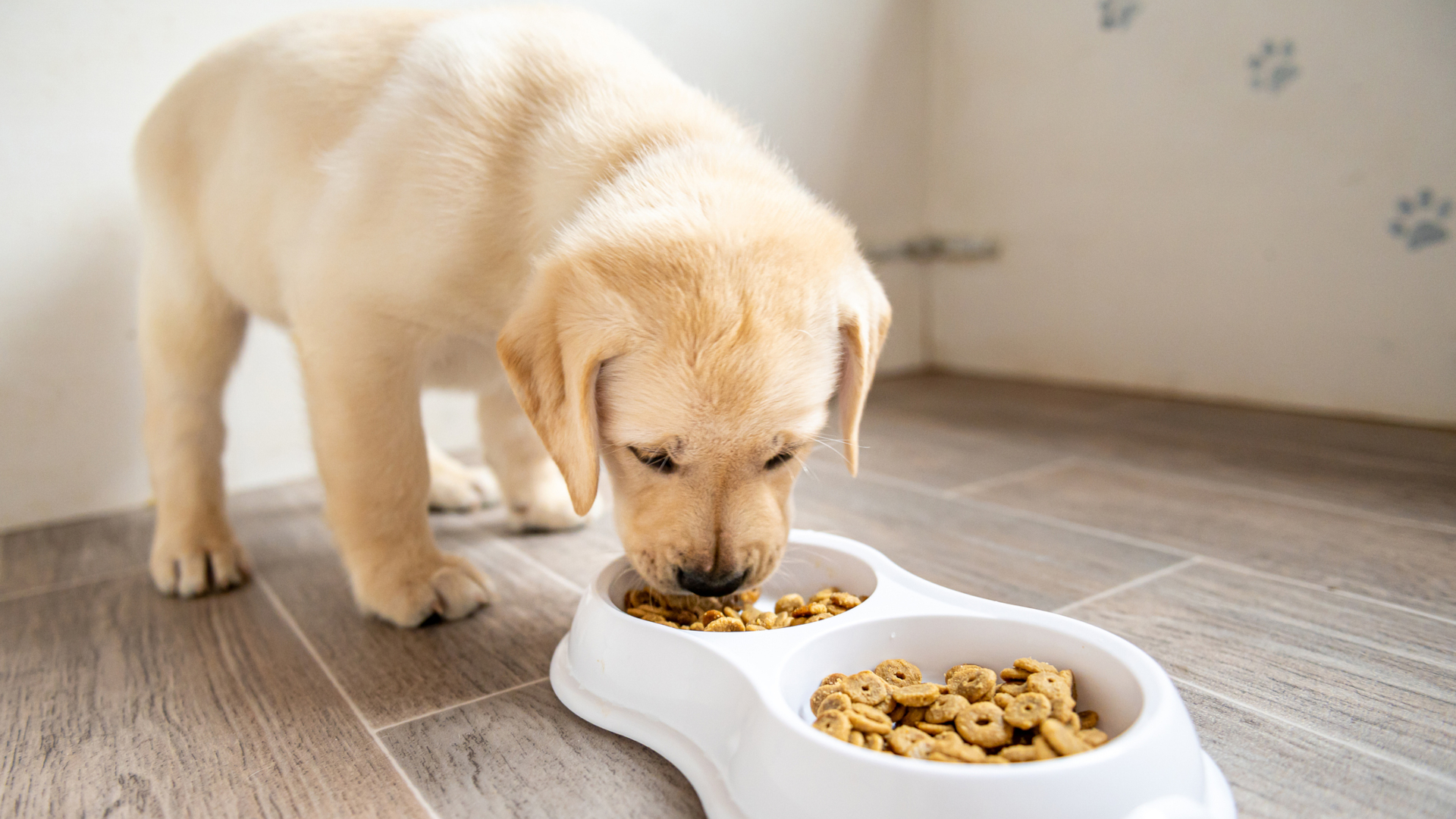
Puppies require more calories per pound than adult dogs due to their fast growth. Their food must be richer in protein and fat. Adult dog food does not meet these higher needs. It often lacks the right balance of vitamins and minerals for puppies. Feeding adult food to puppies can slow their growth and weaken their health. Puppy food is specially made to support healthy development during their first year.
Credit: www.petsradar.com
Risks Of Feeding Adult Food To Puppies
Feeding adult dog food to puppies can cause poor growth and nutrient gaps. Puppies need special nutrients for strong bones and healthy development. Using adult food may lead to health problems and weak immune systems.
Feeding puppies the right food is crucial for their growth and development. While it might seem convenient to share adult dog food with your puppy, it can lead to several risks that could affect their health. Understanding these risks can help you make informed decisions about your puppy’s diet.Nutrient Deficiencies
Puppies have different nutritional needs compared to adult dogs. They require higher levels of protein and certain vitamins and minerals to support their rapid growth. Adult dog food is not formulated to meet these needs, and feeding it to puppies may result in nutrient deficiencies. These deficiencies can hinder their development and lead to health issues down the line.Impact On Development
The developmental stage of a puppy is a critical period. Providing the wrong type of food can impact bone growth and muscle development. Puppies who don’t receive the appropriate nutrients might face developmental delays or abnormalities. This could mean the difference between a happy, healthy dog and one that faces lifelong challenges.Digestive Issues
Puppies have sensitive digestive systems that are still maturing. Adult dog food can be too harsh on their stomachs, leading to digestive issues like diarrhea or vomiting. This not only makes your puppy uncomfortable but can also lead to dehydration and other health problems. Consider how your puppy’s diet affects their overall well-being and energy levels. Have you ever noticed your puppy reacting poorly to a new food? That might be their way of telling you it’s not the right choice. Always observe and adjust their diet to ensure they’re thriving.When Adult Food Might Be Appropriate
Feeding puppies adult dog food is generally not recommended. Puppies need more nutrients for growth and development. Yet, there are situations where adult food might suit their needs. Understanding these cases helps keep your puppy healthy and happy.
Veterinary Recommendations
Veterinarians may suggest adult food for puppies in some cases. For example, if a puppy has a health issue requiring a special diet. Or if the puppy is overweight and needs fewer calories. The vet will guide you on the right food type and portion size.
Special Circumstances
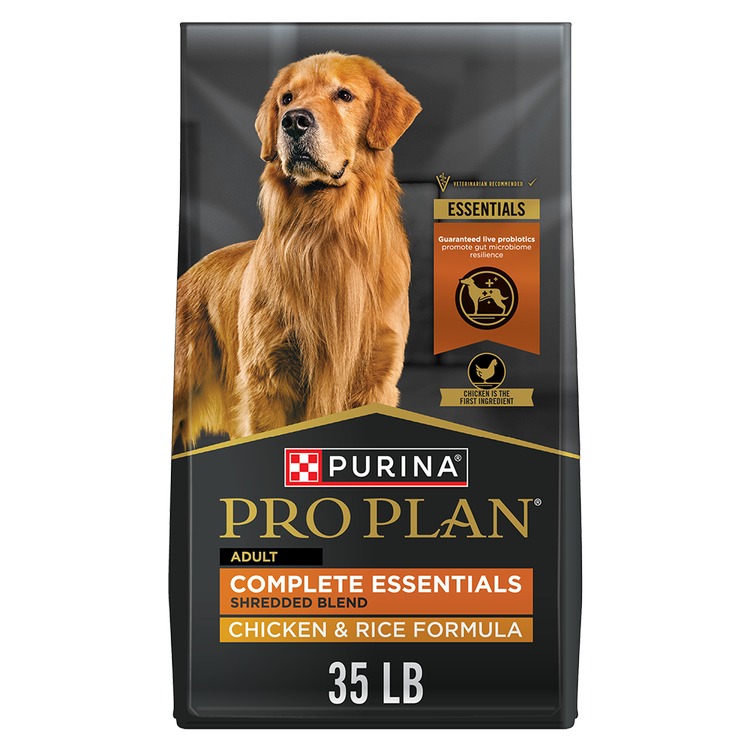
Some puppies grow faster or slower than usual. Larger breeds may switch to adult food earlier. Or if a puppy is about to finish its growth phase, adult food might be okay. Also, in emergencies, temporary feeding with adult food can be acceptable.
Credit: www.purina.com
Choosing The Right Puppy Food
Puppies need special food to grow strong and healthy. Their bodies require more nutrients than adult dogs. Feeding them the right food supports their bones, muscles, and immune system. Not all dog foods fit their needs. Puppy food has extra protein, fats, and vitamins. These ingredients help with brain development and energy.
Choosing the right puppy food means checking labels, ingredients, and avoiding harmful additives. This helps you pick food that keeps your puppy safe and happy.
Reading Labels
Labels tell you what is in the food. Look for foods marked “complete and balanced.” This means the food meets puppy needs. Check the guaranteed analysis for protein, fat, and fiber percentages. Puppies need higher protein and fat than adult dogs.
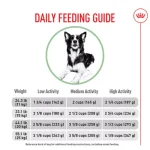
Also check the feeding guidelines. They show how much to feed based on your puppy’s weight and age. Avoid foods with vague terms like “meat by-product.” Clear ingredient lists are better.
Ingredients To Look For
- High-quality animal proteins like chicken, beef, or fish
- Healthy fats such as omega-3 and omega-6 for brain and coat health
- Carbohydrates from whole grains or vegetables for energy
- Vitamins and minerals like calcium and phosphorus for bone growth
- Natural antioxidants to support the immune system
Ingredients should be easy to understand. Real meat or meat meals are best. Avoid foods with too many fillers like corn or wheat.
Avoiding Harmful Additives
Avoid foods with artificial colors, flavors, or preservatives. These can cause allergies or digestive problems. Some additives may harm your puppy’s health over time.
Steer clear of foods with high salt or sugar. Also, avoid by-products and unnamed meat sources. Choose food made with natural and safe ingredients for your puppy’s well-being.
Transitioning From Puppy To Adult Food
Transitioning your puppy from puppy food to adult dog food is an important milestone. It affects their growth, energy, and overall health. Knowing when and how to make this change can help you avoid digestive issues and ensure your dog gets the right nutrients.
Timing The Switch
Most puppies need to switch to adult food between 9 and 12 months old. However, the exact timing depends on your dog’s breed and size. Large breeds often benefit from a longer puppy phase, sometimes up to 18 months, while smaller breeds may be ready closer to 9 months.
Watch your puppy’s growth and energy levels. If they seem to be slowing down or their growth plates are closing, it might be time to switch. Ask your vet for advice tailored to your pup’s specific needs.
How To Transition Smoothly
Switching food too quickly can upset your puppy’s stomach. Gradually mix adult food into their current diet over 7 to 10 days. Start with 25% adult food and 75% puppy food, then slowly increase the adult portion.
- Day 1-3: 25% adult food, 75% puppy food
- Day 4-6: 50% adult food, 50% puppy food
- Day 7-9: 75% adult food, 25% puppy food
- Day 10: 100% adult food
Keep an eye on your dog’s stool and energy during this period. If you notice diarrhea or a lack of appetite, slow the transition down. Your dog’s comfort and health should guide every step.
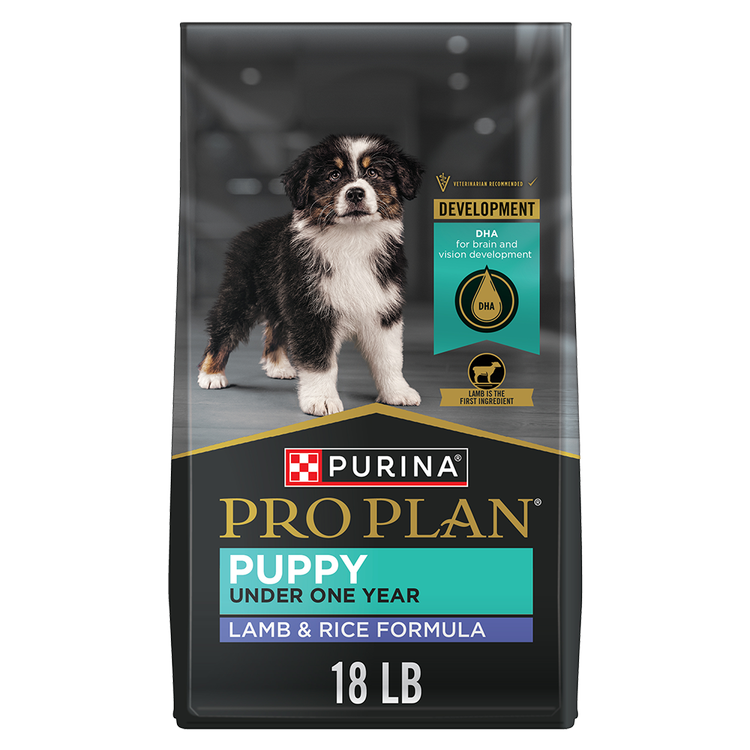
Credit: www.purina.com
Expert Tips For Feeding Puppies
Feeding your puppy the right food is crucial for their growth and overall health. Puppies have unique nutritional needs that differ from adult dogs. Getting the feeding routine right helps avoid problems later and supports a strong, happy pup.
Meal Frequency And Portions
Puppies need more frequent meals than adult dogs because they burn energy quickly. Typically, feeding your puppy three to four times a day works well during their early months. As they grow, you can gradually reduce this to two meals daily.
Portion size matters just as much as meal frequency. Pay attention to your puppy’s weight and activity level to adjust portions. Overfeeding can lead to obesity, while underfeeding can stunt growth.
Have you noticed your puppy begging for more or leaving food behind? These clues help you tweak meal sizes to fit their appetite perfectly.
Monitoring Growth And Health
Keep a close eye on your puppy’s weight and energy levels. Regularly check their body condition by feeling their ribs; you should be able to feel them without too much fat covering. This simple check helps you know if your puppy is on the right track.
Visit your vet regularly to track your puppy’s development and discuss their diet. Sometimes, small adjustments in food type or quantity make a big difference. Your vet can also help spot any early signs of nutritional issues or health concerns.
What changes have you noticed in your puppy’s growth? Sharing these observations with your vet can ensure your pup stays healthy and happy.
Frequently Asked Questions
Can Puppies Eat Adult Dog Food Safely?
Puppies should not eat adult dog food regularly. Adult food lacks essential nutrients puppies need for growth. Feeding adult food can cause nutritional imbalances and slow development. Always choose puppy-specific food for balanced nutrition during early life stages.
What Happens If A Puppy Eats Adult Dog Food?
If a puppy eats adult dog food occasionally, it may be okay. However, regular feeding can lead to poor growth and health issues. Adult food has fewer calories and nutrients than puppy food, which can affect energy and development negatively.
When Should I Switch My Puppy To Adult Dog Food?
Switch to adult dog food around 12 months old or as advised by your vet. Large breeds may require a longer puppy feeding period. Transition gradually over 7-10 days to avoid digestive upset and ensure proper nutrition.
Is Adult Dog Food Missing Key Nutrients For Puppies?
Yes, adult dog food lacks higher protein, fat, and calcium levels needed by puppies. Puppies require nutrient-dense food for healthy bones, muscles, and brain development. Adult food is formulated for maintenance, not growth, making it unsuitable for young dogs.
Conclusion
Puppies need special food to grow healthy and strong. Adult dog food lacks some nutrients puppies require. Feeding only adult food can cause health issues later. Choose puppy food made for their age and size. Always check with a vet for the best advice.
Proper nutrition helps puppies develop bones, muscles, and energy. Taking care of your puppy’s diet sets a good start. Healthy puppies grow into happy, active dogs. Remember, good food means a happy life for your puppy.