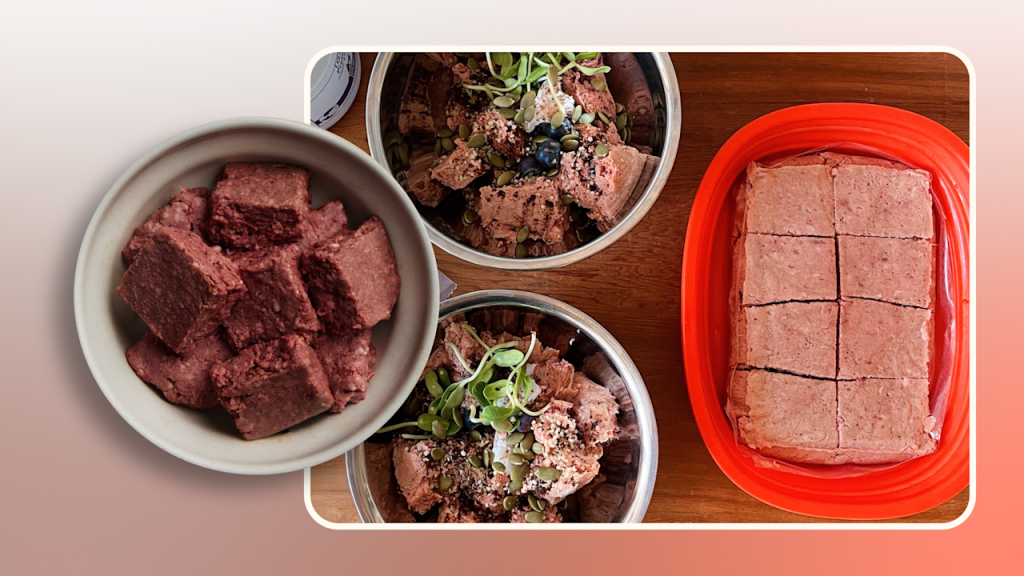

If you’re thinking about switching your dog to a raw food BARF diet, one of the biggest questions on your mind is probably: what are the right ratios to feed? Getting these ratios wrong can affect your dog’s health and energy levels.
But don’t worry—this guide will break down the exact proportions you need to keep your furry friend happy and thriving. By the end, you’ll feel confident preparing balanced meals that meet your dog’s nutritional needs perfectly. Keep reading to discover the simple, effective formula that makes raw feeding easy and safe for your dog.
Basics Of Barf Diet
Understanding the basics of the BARF diet is essential before diving into the right ratios for your dog’s raw food. The BARF diet focuses on feeding dogs a natural, raw diet that mimics what their ancestors ate in the wild. This approach emphasizes fresh, whole ingredients designed to support your dog’s health and energy.
What Is Barf Diet
BARF stands for Biologically Appropriate Raw Food or Bones and Raw Food. It centers on feeding dogs raw meat, bones, vegetables, and organs in a balanced way. The goal is to provide a diet as close to nature as possible, avoiding processed ingredients and fillers.
Think about how wolves eat in the wild—they consume the entire animal, which provides a variety of nutrients. This means the diet includes muscle meat, raw meaty bones, organ meats, and some plant matter. Each part plays a specific role in your dog’s nutrition.
Benefits For Dogs
Many dog owners notice improvements in coat shine, digestion, and energy after switching to a BARF diet. Raw feeding can also reduce allergies and improve dental health due to the natural chewing of bones.
But the benefits go beyond just physical health. You might find your dog is more enthusiastic at mealtime and less prone to behavior issues linked to poor nutrition. Have you ever seen your dog become more vibrant after changing their food? That’s the kind of change BARF can bring.
Key Components Of Raw Dog Food
Raw dog food requires a careful balance of ingredients. Each part plays a vital role in your dog’s health. The right mix supports strong muscles, healthy bones, and a shiny coat. Understanding these components helps you prepare a nutritious meal.
Muscle Meat
Muscle meat is the main source of protein. It provides essential amino acids for energy and growth. Common choices include beef, chicken, and lamb. Aim for about 80% of the diet to be muscle meat. This keeps your dog strong and active.
Raw Meaty Bones
Raw meaty bones supply calcium and phosphorus. These minerals build healthy teeth and bones. Examples are chicken necks and wings. Never use cooked bones as they can splinter. About 10% of the diet should be raw meaty bones.
Organ Meat
Organ meat offers vital vitamins and minerals. Liver, kidney, and heart are rich in nutrients. Liver should be about 5% of the total diet. It supports the immune system and overall health. Avoid feeding only organ meat to keep balance.
Vegetables And Fruits
Vegetables and fruits add fiber and antioxidants. They aid digestion and boost immunity. Carrots, spinach, and apples are good choices. Keep these to around 5% of the diet. Chop or puree for better digestion.
Supplements
Supplements fill any nutrition gaps in the diet. Fish oil adds omega-3 fatty acids for skin and coat health. A small amount of seaweed or kelp provides minerals. Use supplements carefully to avoid overdosing. Always consult a vet for guidance.
Ideal Ratio Breakdown
The ideal ratio breakdown for a raw dog food BARF diet ensures balanced nutrition. It mimics what dogs ate in the wild. This balance supports healthy growth, energy, and overall well-being.
Each component plays a key role. Muscle meat provides protein. Raw bones give calcium. Organ meats supply essential vitamins. Vegetables and fruits add fiber and antioxidants.
Muscle Meat Percentage
Muscle meat should make up about 70% of the diet. It is the main source of protein and fat. Examples include beef, chicken, turkey, and lamb. This part supports muscle repair and energy.
Raw Bone Content
Raw bones make up around 10% to 15%. They provide calcium and phosphorus. These minerals keep bones and teeth strong. Use edible, raw bones like chicken wings or necks. Avoid cooked bones as they can splinter.
Organ Meat Proportion
Organ meats should be about 10% to 15% of the diet. Liver is the most important organ meat. It is rich in vitamins A and D, iron, and zinc. Other organs like kidney and spleen add variety and nutrients.
Vegetable And Fruit Ratios
Vegetables and fruits should make up 5% to 10%. They add fiber, vitamins, and antioxidants. Examples include carrots, spinach, apples, and blueberries. Avoid toxic foods like onions, grapes, and raisins.
Adjusting Ratios For Different Dogs
Adjusting the ratios in a raw dog food BARF diet is essential for meeting each dog’s unique needs. Dogs of different ages, sizes, and breeds require specific nutrient balances. Tailoring the diet ensures they get the right proteins, fats, and bones for their health and energy. This section explains how to adjust these ratios for puppies, adults, seniors, and various breeds.
Puppies And Growth Needs
Puppies need higher protein and fat levels to support growth and energy. Their diet should contain about 80% muscle meat, 10% raw meaty bones, and 10% organs. Liver should make up half of the organ portion. Growing puppies also benefit from extra calcium for strong bones. Avoid too many bones to prevent digestive issues.
Adult Maintenance Diet
Adult dogs require balanced nutrients to maintain health and activity. A common ratio is 80% muscle meat, 10% raw meaty bones, and 10% organs. Adjust fat content based on activity level. Active dogs may need more fat for energy. Less active dogs benefit from leaner cuts to prevent weight gain. Variety in meat types supports overall health.
Senior Dog Considerations
Senior dogs need fewer calories but still require good protein for muscle maintenance. Increase the amount of easily digestible organ meats like liver and kidney. Reduce bone content to avoid dental problems. Include more vegetables and supplements to support joint health. Monitor weight closely to avoid obesity.
Breed And Size Factors
Small breeds often need higher fat ratios due to faster metabolism. Larger breeds benefit from moderate fat and more bone for joint support. Large dogs may require extra calcium and phosphorus for bone health. Adjust portion sizes carefully to prevent obesity or nutrient deficiencies. Breed-specific health issues can guide ingredient choices.
Common Mistakes With Barf Ratios
Common mistakes with BARF ratios include using too much bone or not enough vegetables. Balancing protein, fat, and carbs is key for a healthy raw dog food diet. Many owners struggle to get the right mix, which can affect their dog’s nutrition.
Common mistakes with BARF ratios can affect your dog’s health. Understanding these errors helps provide a balanced raw diet. Many dog owners struggle with maintaining the correct BARF ratios. This leads to issues like nutritional deficiencies or digestive problems. Let’s explore the common mistakes in BARF ratios.Overfeeding Bones
Feeding too many bones can cause constipation. It can also lead to blockages in the intestines. Ensure bones make up about 10% of the diet. Use meaty bones to avoid excess calcium. This balance keeps your dog’s digestion smooth.Ignoring Organ Meat
Organ meat is rich in essential nutrients. Many owners skip it, thinking muscle meat is enough. Organs should be about 10% of the diet. Include liver, kidney, and heart. This ensures your dog gets enough vitamins and minerals.Lack Of Variety
Dogs need a range of proteins for a balanced diet. Sticking to one type can lead to deficiencies. Rotate between chicken, beef, and fish. Include different fruits and vegetables. This keeps meals interesting and nutritious.
Credit: micromed.org.nz
Tips For Preparing Barf Meals
Preparing BARF (Biologically Appropriate Raw Food) meals for your dog requires attention to detail to ensure safety, nutrition, and freshness. These tips will help you make balanced, safe, and tasty meals that your dog will love. Ready to get hands-on with your dog’s diet?
Safe Handling Practices
Handling raw meat safely is crucial to avoid contamination. Always wash your hands thoroughly before and after preparing BARF meals. Use separate cutting boards and utensils for raw meat and other ingredients to prevent cross-contamination.
Clean surfaces with hot, soapy water after use. Consider wearing disposable gloves if you’re new to handling raw meat. Your kitchen hygiene directly affects your dog’s health.
Balancing The Diet
Getting the ratios right is key to a healthy BARF diet. A typical balance includes about 70-80% raw meaty bones, 10-15% organ meats, and 10-15% muscle meat, with a small amount of vegetables or fruits added.
Are you ensuring your dog gets enough calcium and vitamins? Variety matters—switch up protein sources and include different organs to cover all nutrient bases. Too much bone can cause constipation, while too little can lead to calcium deficiency.
Storage And Freshness
Freshness impacts both the taste and safety of BARF meals. Prepare meals in batches and freeze portions to maintain quality. Thaw only what you need each day in the fridge, never at room temperature.
Check expiration dates on all ingredients and avoid using anything that smells off. How often do you rotate your meal plans to keep your dog excited and healthy? Keeping food fresh is a simple step that makes a big difference.
Monitoring And Adjusting The Diet
Monitoring and adjusting the raw dog food BARF diet is essential for your pet’s health. Each dog has unique needs that can change over time. Regular observation ensures the diet stays balanced and supports your dog’s wellbeing. Watch closely and make changes based on your dog’s condition and lifestyle.
Tracking Dog’s Health
Keep a daily log of your dog’s weight, energy, and coat condition. Notice changes in digestion or stool quality. Healthy skin and shiny fur often reflect good nutrition. Look for signs of lethargy or excessive thirst. These might indicate dietary issues. Regular vet check-ups help confirm your dog’s health status.
Adjusting For Activity Levels
Active dogs burn more calories and need more protein and fat. Less active dogs require fewer calories to avoid weight gain. Adjust portion sizes based on daily exercise and playtime. Use treats sparingly and factor them into the total diet. Seasonal changes can affect activity and appetite too.
Signs Of Nutritional Deficiency
Watch for dull coat, hair loss, or dry skin. Weakness, slow healing, or frequent infections may signal nutrient gaps. Poor appetite or weight loss is also a warning. Digestive upset like vomiting or diarrhea can mean imbalance. Correct these signs quickly with diet changes or vet advice.

Credit: houndandbone.ca

Credit: houndandbone.ca
Frequently Asked Questions
What Is The Ideal Protein Ratio In Barf Diet?
The ideal protein ratio in a BARF diet is about 70-80%. This includes raw meat and organs. Protein supports muscle growth and overall health in dogs.
How Much Bone Should Be In A Barf Diet?
Bones should make up roughly 10-15% of the BARF diet. They provide essential calcium and minerals. Avoid cooked bones to prevent health risks.
What Vegetables Are Best For A Barf Diet?
Leafy greens and root vegetables like carrots and spinach are best. They supply fiber, vitamins, and antioxidants. Vegetables should be about 10-15% of the diet.
How To Balance Fat In Raw Dog Food Barf?
Fat should account for 10-15% of the BARF diet. It offers energy and supports skin and coat health. Use fatty cuts of meat and fish oil.
Conclusion
Feeding your dog a raw BARF diet needs balance and care. Keep protein, fat, and bone ratios right. Too much or too little can harm your pet. Always watch your dog’s health and energy. Adjust the diet as your dog grows or changes.
Consult a vet for advice if unsure. Balanced raw food helps dogs stay strong and happy. Simple steps lead to a healthy, natural diet for your dog.