Are you wondering if it’s okay to feed your adult dog puppy food? It’s a question many dog owners ask, especially when they want to give their furry friend the best nutrition.
But is puppy food really safe for grown dogs? Could it help them stay healthier, or might it cause problems you didn’t expect? Keep reading to discover the truth about feeding your adult dog puppy food and learn what’s best for your pet’s health and happiness.
Nutritional Needs Of Adult Dogs
Understanding the nutritional needs of your adult dog is essential before deciding whether to feed them puppy food. Adult dogs require a balanced diet that supports their maintenance, energy levels, and overall health. Feeding your dog the right nutrients helps prevent health issues and keeps them active for years.
Key Nutrients For Adults
Your adult dog needs specific nutrients in the right amounts to stay healthy. Protein remains important for muscle maintenance, but the amount required is generally less than what puppies need. Adults also need healthy fats for energy and coat health, along with essential vitamins and minerals to support their immune system and organ function.
- Protein:Helps maintain muscle mass, but excessive protein can strain kidneys.
- Fats:Provide energy and support skin and coat health.
- Carbohydrates:Offer a source of energy but should be balanced and digestible.
- Vitamins & Minerals:Support bone health, immune function, and metabolism.
Have you noticed changes in your dog’s energy or weight when switching foods? That often signals a nutritional imbalance.
Differences From Puppy Requirements
Puppies need more calories, protein, and fat to support their rapid growth and high energy levels. Their food is designed to promote strong bones, muscle development, and brain growth. Adult dog food, however, focuses on maintaining health without encouraging unnecessary weight gain.
| Nutrient | Puppy Food | Adult Dog Food |
|---|---|---|
| Protein | Higher levels to support growth | Moderate to maintain muscle |
| Fat | Higher fat content for energy | Lower fat to prevent weight gain |
| Calories | Calorie-dense for development | Balanced to maintain healthy weight |
| Calcium & Phosphorus | Higher amounts for bone growth | Lower amounts to avoid joint issues |
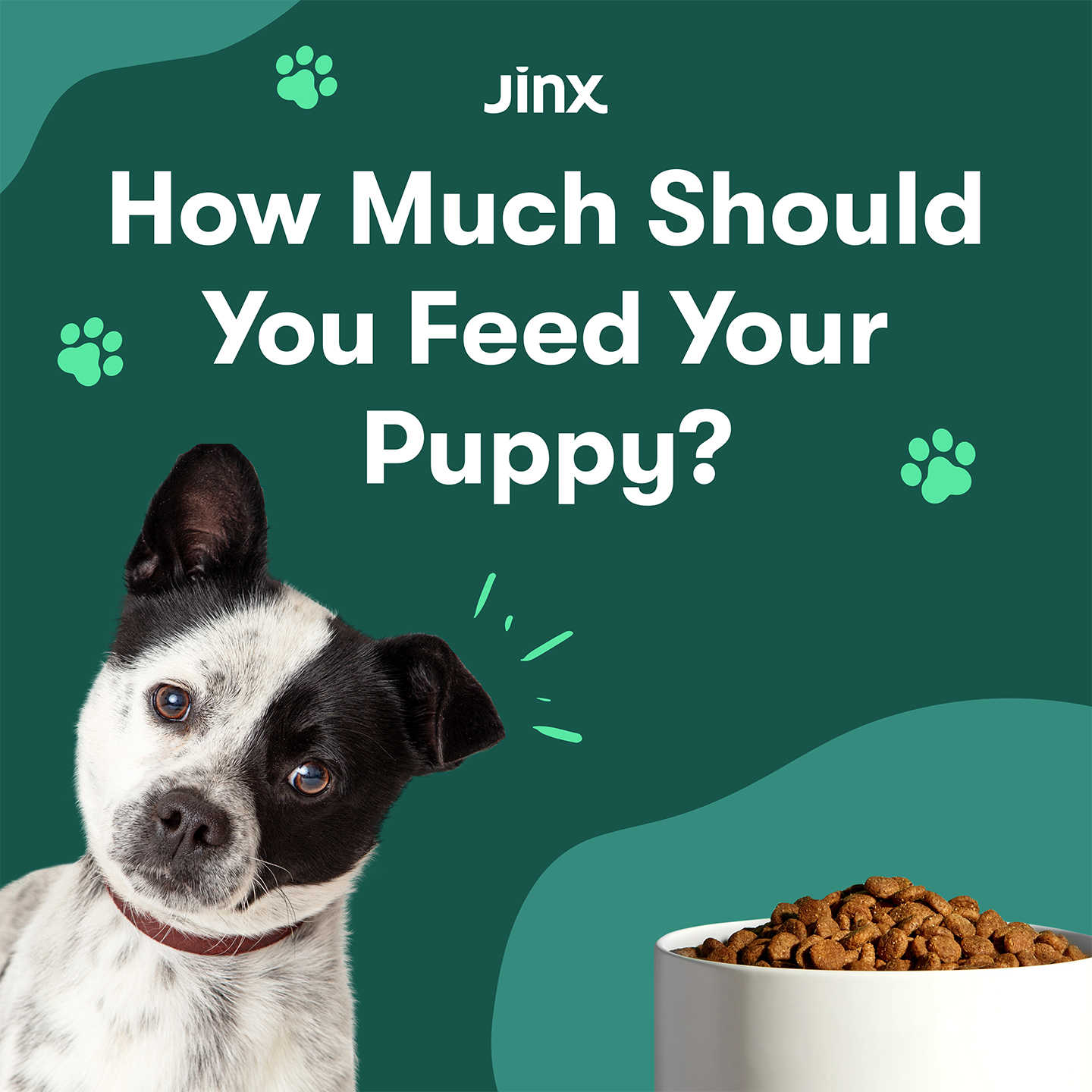
Feeding your adult dog puppy food regularly might lead to excess calories and nutrients, which can cause weight gain or other health problems. Are you ready to adjust your dog’s diet to what their body truly needs now?
Credit: www.thinkjinx.com
What Puppy Food Offers
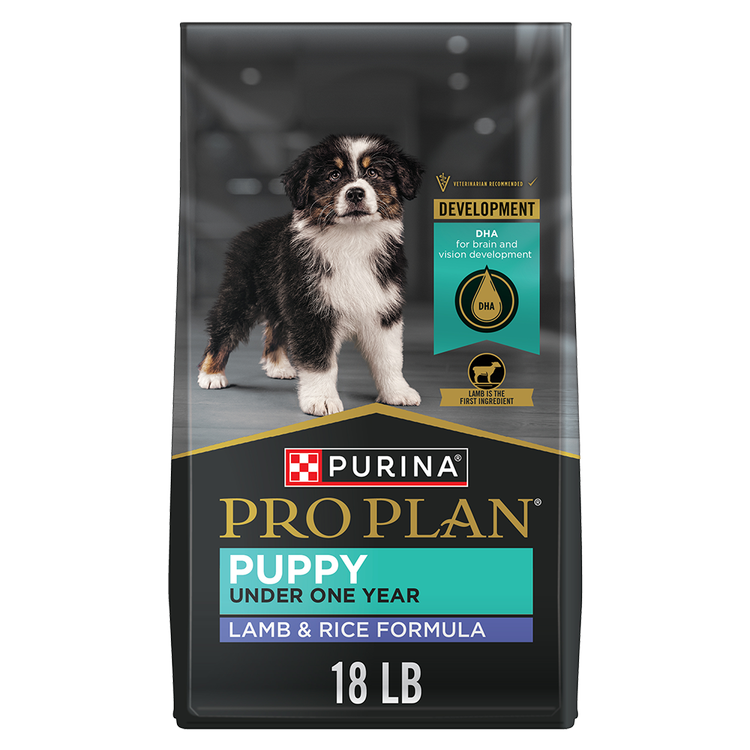
Puppy food is specially designed for young dogs. It supports their fast growth and high energy needs. This type of food offers a unique blend of nutrients. These nutrients help puppies develop strong bones and muscles. It also supports brain development and healthy skin. Understanding what puppy food offers helps decide if it suits adult dogs.
Higher Calorie Content
Puppy food contains more calories than adult dog food. Puppies need extra energy to grow quickly. The higher calorie content fuels their active lifestyle. Adult dogs usually need fewer calories to maintain weight. Feeding adult dogs high-calorie puppy food can cause weight gain. This is important to consider when choosing the right food.
Enhanced Protein And Fat Levels
Protein and fat levels in puppy food are higher than in adult formulas. Protein supports muscle growth and repair. Fat provides energy and helps absorb vitamins. Growing puppies need more protein and fat to develop properly. Adult dogs require less of these nutrients. Too much protein and fat may upset an adult dog’s digestion.
Potential Risks Of Feeding Puppy Food To Adults
Feeding your adult dog puppy food might seem harmless. But it could pose risks. Puppy food is rich in calories and nutrients. Adult dogs have different dietary needs. Understanding these risks can help in making informed decisions.
Weight Gain And Obesity
Puppy food is high in calories to support growth. Adult dogs do not need these extra calories. Feeding them puppy food can lead to weight gain. Over time, this might cause obesity. Obesity can lead to health issues. Keeping your dog at a healthy weight is crucial.
Digestive Issues
Adult dogs have different digestive systems. Puppy food can be too rich for them. This might cause digestive problems. Symptoms include diarrhea and vomiting. A balanced diet is essential for their digestive health.
Nutrient Imbalance
Puppy food is formulated for growth. Adult dogs need different nutrients. Feeding them puppy food can cause nutrient imbalance. This might affect their health negatively. Ensuring they get the right nutrients is vital for well-being.
When Puppy Food Might Be Beneficial
Puppy food contains more calories, protein, and nutrients than adult dog food. This rich content supports growth and energy needs. Sometimes, adult dogs may benefit from the extra nutrients found in puppy food. This section explains when giving puppy food to an adult dog might help.
During Recovery Or Illness
Adult dogs recovering from illness or surgery need extra nutrients. Puppy food can provide these nutrients in a concentrated form. It helps rebuild muscle and restore energy faster. The higher calorie content supports healing without needing large food amounts. Soft puppy food can also be easier to eat when appetite is low.
For Highly Active Adult Dogs
Some adult dogs have very active lifestyles. Working dogs, athletes, or dogs with long daily exercise may need more energy. Puppy food’s higher calories and protein help maintain muscle and stamina. It keeps these dogs strong and healthy. Feeding puppy food occasionally can meet their increased energy needs.
Expert Recommendations
Experts often emphasize the importance of tailored nutrition for dogs at different life stages. Adult dogs have distinct dietary needs compared to puppies, and feeding them the wrong food can impact their health. Understanding expert advice helps you make informed choices that support your dog’s well-being.
Consulting A Veterinarian
Before making any changes to your dog’s diet, talk to your veterinarian. They know your dog’s health history and can suggest the best food options. Sometimes, what seems like a harmless switch to puppy food might upset your dog’s digestion or lead to nutrient imbalances.
Veterinarians can also recommend specific brands or formulas that suit your dog’s breed, size, and activity level. Have you ever noticed your dog’s energy drop after a diet change? A vet’s insight can prevent that from happening.
Choosing The Right Adult Dog Food
Adult dog food is specially formulated to meet the nutritional needs of mature dogs. It usually contains less fat and calories compared to puppy food, helping to maintain a healthy weight. Selecting the right adult food ensures your dog gets the right balance of protein, vitamins, and minerals.
Look for labels that list high-quality animal proteins as the first ingredient. Avoid foods with fillers like corn or soy, which offer little nutritional value. Have you checked your dog’s food label recently? It might be time to switch to a healthier option designed for adults.

Credit: www.petscare.com
Transitioning Between Foods
Switching your adult dog from puppy food to adult food needs care. Sudden changes can upset your dog’s stomach. A smooth transition helps avoid digestive issues. It lets your dog adjust to new flavors and nutrients easily.
Gradual Switching Tips
- Start mixing 25% adult food with 75% puppy food.
- Increase adult food by 25% every three days.
- Keep feeding the mixture until fully switched in about two weeks.
- Use the same feeding times to keep routine stable.
- Watch for any refusal to eat or discomfort.
Monitoring Your Dog’s Response
Check your dog’s stool for changes in texture or smell. Soft or loose stool may mean the transition is too fast. Look for signs of vomiting or lack of appetite. Energy levels and mood can show how well your dog adapts.
If your dog shows discomfort, slow down the transition. Give more time before increasing adult food amount. Consult your vet if problems continue beyond two weeks.
Credit: www.purina.com
Frequently Asked Questions
Is It Safe To Feed Adult Dogs Puppy Food?
Feeding adult dogs puppy food occasionally is generally safe but not ideal long-term. Puppy food has more calories and nutrients, which may cause weight gain or digestive issues in adults. For balanced health, use age-appropriate food designed for adult dogs.
What Happens If An Adult Dog Eats Puppy Food Regularly?
If an adult dog eats puppy food regularly, it may gain excess weight. The extra calories and nutrients in puppy food can stress organs. Over time, this can lead to obesity, digestive problems, and nutrient imbalances. It is best to feed food suited to the dog’s life stage.
Can Puppy Food Cause Health Issues In Adult Dogs?
Yes, puppy food can cause health issues in adult dogs if fed long-term. High fat and calorie content may lead to obesity and pancreatitis. Imbalanced nutrients may affect kidney and liver function. Always choose food that matches your dog’s age and health needs.
Why Is Puppy Food Different From Adult Dog Food?
Puppy food contains higher calories, protein, and fat to support growth and development. Adult dog food has balanced nutrients to maintain health and energy without excess calories. Feeding the right formula ensures your dog’s nutritional needs are met at each life stage.
Conclusion
Feeding adult dogs puppy food is not always safe. Puppy food has extra nutrients meant for growth. Too much can cause weight gain and upset stomach. Adult dogs need balanced meals for their health. Always check with your vet before changing food.
Watch your dog’s reaction to new meals closely. Healthy food helps your dog live a happy life. Choose the right diet for your dog’s age and size. Keep your furry friend strong and energetic every day.