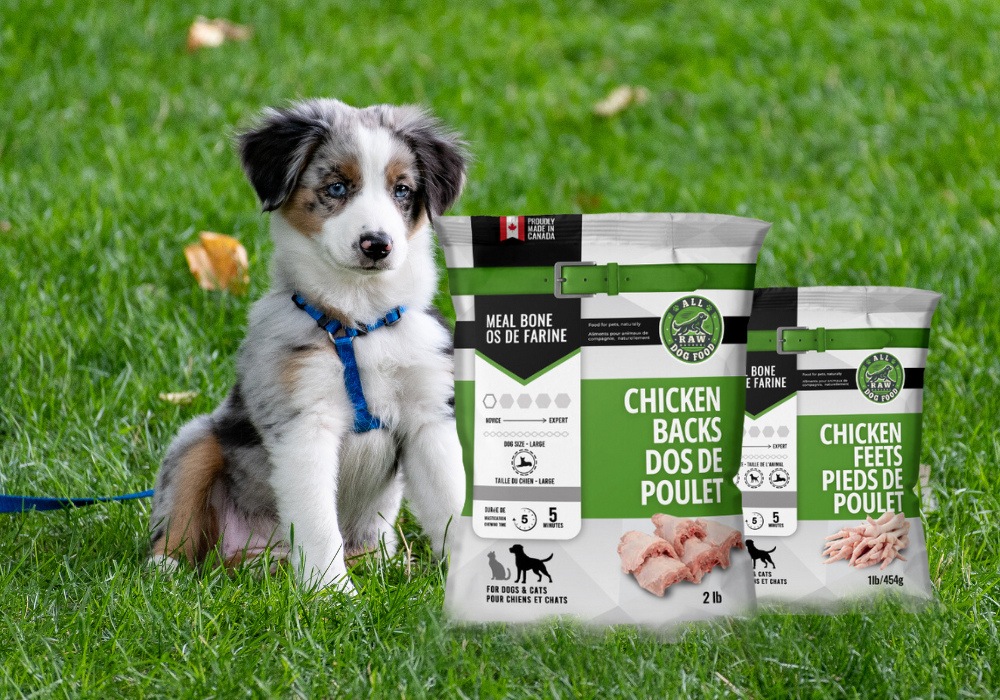

Are you worried about giving your dog the healthiest food without breaking the bank? You’ve probably heard that raw dog food is great for your pet’s health, but the cost might make you hesitate.
What if there’s a way to feed your dog a raw diet that’s both nutritious and affordable? You’ll discover practical tips and smart choices that can help you provide the best for your furry friend without emptying your wallet. Keep reading to find out how you can make raw feeding work for you and your dog.
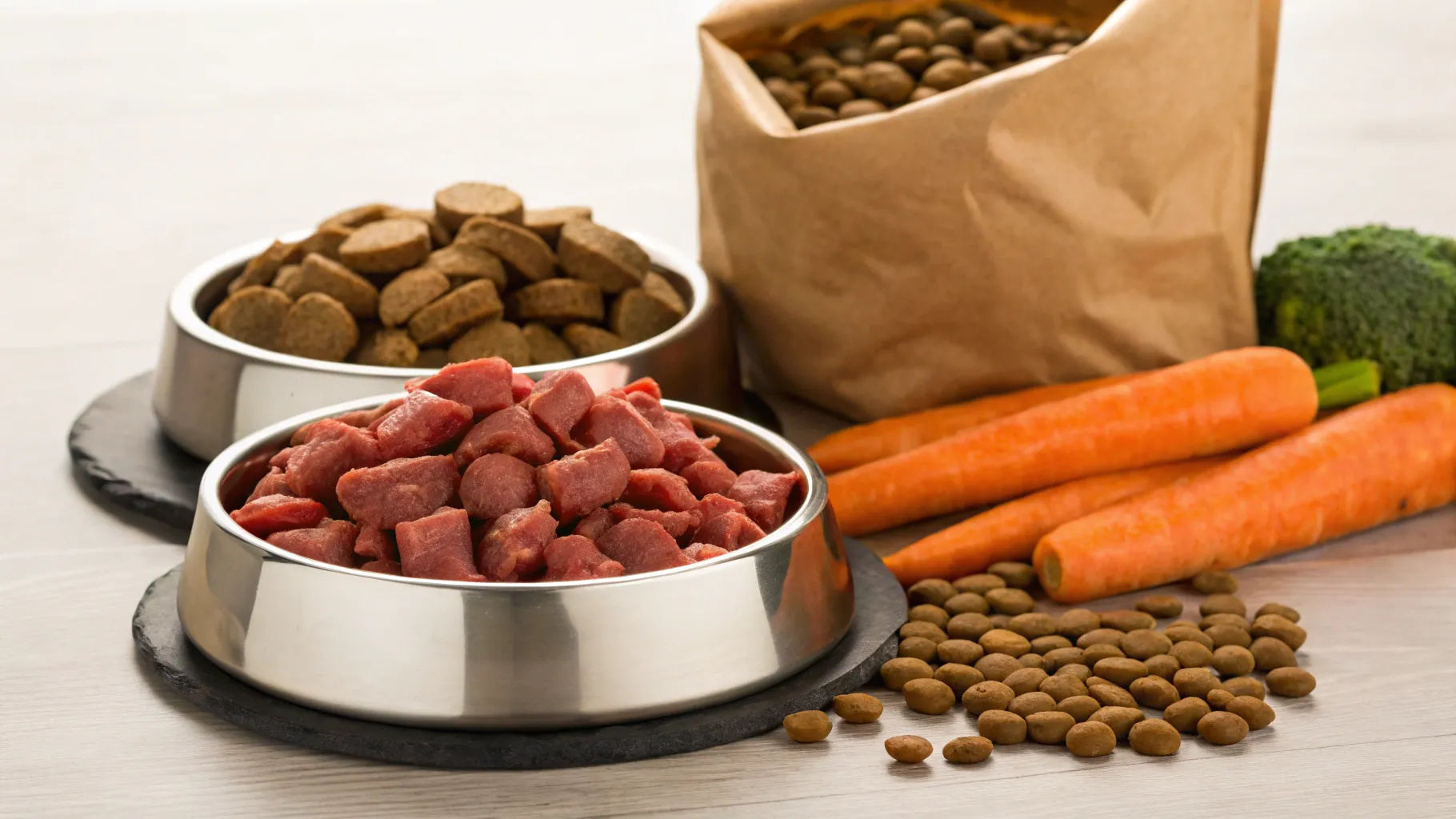
Credit: www.houndsy.com
Benefits Of Raw Dog Food
Switching your dog to a raw food diet can bring noticeable improvements in their overall well-being. Many pet owners have seen changes that go beyond just better meals—these benefits touch on health, energy, and appearance. Understanding these advantages helps you decide if raw food fits your dog’s lifestyle and your budget.
Improved Digestion And Health
Raw food is easier for many dogs to digest because it contains natural enzymes and fewer fillers. This can lead to less gas, firmer stools, and fewer digestive upsets. Have you noticed your dog struggling after meals? Raw diets often reduce these issues by mimicking what dogs ate before processed foods became common.
Enhanced Energy And Coat Quality
Feeding raw often results in a livelier, more energetic dog. Many owners report their pets seem more playful and alert after switching. Plus, the natural fats in raw food can make your dog’s coat shinier and softer, reducing the need for extra grooming products.
Natural Nutrient Intake
Raw diets provide nutrients in their natural form, which means your dog gets vitamins, minerals, and proteins without synthetic additives. This can boost immune function and overall vitality. You might wonder if commercial dog food misses some key nutrients—raw food helps fill that gap naturally.

Credit: www.k9sovercoffee.com
Common Cost Concerns
Many pet owners hesitate to switch their dogs to a raw food diet because of cost worries. Understanding where the expenses come from can help you find ways to manage or reduce them. Let’s break down the common cost concerns so you can decide if a raw diet fits your budget.
High Price Of Commercial Raw Diets
Commercial raw dog food often carries a premium price tag. This is due to the high-quality ingredients and strict safety standards manufacturers must follow.
You might find that feeding your dog pre-made raw meals costs significantly more than traditional kibble. But have you checked if buying in bulk or subscribing to delivery services offers discounts?
Some brands offer smaller portion packs, which can be more expensive per pound. Think about your dog’s size and appetite to avoid paying for more than needed.
Challenges Of Sourcing Ingredients
Sourcing fresh, raw ingredients on your own can be tricky and sometimes costly. Not all supermarkets or butchers stock the right cuts or organ meats your dog needs.
Local farmers’ markets or specialty meat suppliers might have better options but at varied prices. Sometimes, you’ll need to buy larger quantities and freeze portions for later use.
Ask yourself: Are there trustworthy suppliers near you, or will you spend extra on shipping or travel? Planning ahead can save both money and time.
Storage And Preparation Costs
Raw food needs proper storage to stay fresh and safe. This often means investing in extra freezer space or buying a separate freezer.
Preparation takes time and tools—like cutting boards, knives, and containers—which add to the cost. Cleaning up after raw meat prep also requires more effort and supplies.
Think about your kitchen setup and whether you’re ready to handle these requirements. Sometimes, the convenience of commercial raw food justifies the higher price.
Budget-friendly Raw Food Options
Feeding your dog a raw food diet doesn’t have to break the bank. With some creativity and planning, you can provide nutritious meals without compromising your budget. Let’s dive into some cost-effective strategies for maintaining a raw diet for your furry friend.
Homemade Raw Food Recipes
Creating your own raw dog food at home is a great way to save money. Start by researching simple recipes that use easy-to-find ingredients. You can control the quality and quantity, ensuring your pet gets a balanced diet.
Consider combining vegetables like carrots and spinach with protein sources. Use a food processor to make the process quick and easy. Don’t forget to include essential nutrients like calcium and omega-3 fatty acids.
Using Affordable Protein Sources
Not all protein sources are expensive. Chicken, turkey, and beef are often affordable and rich in nutrients. Look for sales at local grocery stores to stock up on these proteins.
Consider incorporating organ meats, which are both nutritious and budget-friendly. They provide essential vitamins and minerals that your dog needs. Mixing different proteins can also keep your dog’s meals interesting.
Bulk Buying And Freezing Tips
Buying in bulk is a smart way to cut costs on raw ingredients. Many suppliers offer discounts for larger quantities. This approach not only saves money but also reduces the number of trips to the store.
Invest in a good freezer to store your bulk purchases. Portion the raw food into daily servings before freezing. This makes meal prep quick and easy, ensuring your dog always has a fresh meal ready.
Do you have a favorite budget-friendly raw food tip? Share your insights and help other dog owners feed their pets more affordably.

Credit: www.k9sovercoffee.com
Safe Practices On A Budget
Choosing a raw dog food diet does not mean spending a fortune. Safe feeding practices can fit a tight budget. Focus on smart choices that protect your dog’s health without extra costs.
Careful planning helps maintain safety and nutrition while saving money. Small steps make a big difference in feeding your dog well and safely.
Ensuring Balanced Nutrition
Balanced meals keep dogs healthy and energetic. Use affordable ingredients that cover proteins, fats, and vitamins. Rotate different meats like chicken, beef, and fish for variety and nutrition.
Include inexpensive supplements like eggshell powder for calcium. Fresh vegetables can add fiber and minerals without much cost. Measure portions carefully to avoid waste and save money.
Avoiding Contamination Risks
Raw food can carry bacteria. Clean surfaces and tools before and after preparation. Freeze meat to kill parasites at a low cost. Store food in sealed containers to prevent spoilage.
Wash hands thoroughly after handling raw meat. Prepare meals in small batches to keep food fresh. These habits reduce health risks without extra expenses.
Consulting With Veterinarians
Talk to a vet before starting a raw diet. Some vets offer affordable consultations or payment plans. They can help create a safe, balanced meal plan within your budget.
Regular check-ups ensure your dog stays healthy on the diet. A vet’s advice can prevent costly health problems later. Invest in professional guidance for long-term savings.
Comparing Raw Food To Alternatives
Choosing the right diet for your dog involves balancing cost and nutrition. Raw dog food diets often seem expensive at first glance. Comparing these diets with common alternatives helps reveal hidden costs and benefits. Understanding these differences supports smarter spending on your dog’s health.
Raw Vs. Kibble Costs
Kibble is usually the cheapest option per serving. It is easy to buy in bulk and has a long shelf life. Raw food requires fresh ingredients, which can be pricier and spoil faster. Preparing raw meals takes more time and effort. Kibble may cost less upfront but lacks some nutrients found in raw food.
Raw Vs. Cooked Diet Expenses
Cooked home meals fall between raw and kibble in price. Cooking at home means buying fresh ingredients like meat and vegetables. This can add up, especially if quality ingredients are used. Raw diets skip cooking but need careful sourcing to ensure safety. Both raw and cooked diets can be customized to fit budgets.
Evaluating Long-term Savings
Raw diets may reduce vet bills by improving health. Better digestion and fewer allergies can save money over time. Kibble might lead to health issues needing treatment. Cooked diets offer similar benefits but require more prep time. Investing in quality food now can lower medical costs later.
Where To Find Affordable Raw Ingredients
Finding affordable raw ingredients for your dog’s diet can feel overwhelming, but it doesn’t have to be. You have several practical options nearby and online that can help you save money without compromising quality. Let’s look at some places where you can source raw dog food ingredients at a reasonable price.
Local Butchers And Farmers Markets
Local butchers often have cuts that don’t make it to the display case but are perfect for raw feeding. These can include organ meats and less popular cuts that are still nutrient-rich. Visiting farmers markets can also lead you to fresh, affordable meats directly from producers, which reduces middleman costs.
Talking to your butcher about your dog’s diet might unlock special deals or regular discounts. Have you asked about bulk purchase options or leftover cuts? Sometimes these chats lead to unexpected savings and better ingredient variety.
Discounted Meats And Organ Cuts
Discounted meats are a goldmine for raw feeders on a budget. Supermarkets and wholesale stores often mark down meats close to their sell-by date. These cuts are still safe if you freeze them promptly.
Organ meats like liver, heart, and kidney are often cheaper and packed with essential nutrients. Adding these to your dog’s meals can reduce costs and boost health. Check clearance sections regularly and stock up when you see good deals.
Online Suppliers And Subscription Boxes
Online suppliers can offer competitive prices due to their scale and distribution networks. Many specialize in raw dog food ingredients and provide detailed sourcing information. Some even deliver directly to your door, saving you time and travel costs.
Subscription boxes for raw dog food ingredients can be budget-friendly if you commit to regular deliveries. They often include a mix of meats and organs, balanced for your dog’s needs. Have you considered trying one to compare prices and convenience?
Frequently Asked Questions
What Is A Raw Dog Food Diet?
A raw dog food diet consists of uncooked meat, bones, fruits, and vegetables. It aims to mimic a dog’s natural ancestral diet. This diet may improve digestion, coat health, and energy levels when balanced properly.
Are Raw Dog Food Diets Affordable?
Raw dog food can be affordable with smart shopping. Buying in bulk, sourcing local meats, and preparing meals at home reduce costs. Pre-made raw diets tend to be pricier but offer convenience.
How To Safely Prepare Raw Dog Food At Home?
Use fresh, high-quality ingredients and practice hygiene. Clean surfaces, utensils, and hands before and after handling raw food. Store meals in sealed containers and refrigerate or freeze promptly to prevent bacterial growth.
Can Raw Diets Meet All Dog Nutritional Needs?
Yes, if properly balanced with meats, organs, bones, and supplements. Consulting a vet or pet nutritionist ensures the diet meets your dog’s health requirements and avoids nutrient deficiencies.
Conclusion
Raw dog food diets can fit many budgets with smart choices. Buying ingredients in bulk helps save money. Preparing meals at home cuts extra costs. Focus on simple, fresh items your dog enjoys. Balance nutrition without expensive supplements. Affordable options exist for healthy, raw feeding.
Small changes make a big difference over time. Your dog can eat well without overspending. Keep learning and adjusting for best results. Raw feeding does not have to be costly.