
Are you wondering when the right time is to switch your dog to adult food? Feeding your furry friend the right diet at the right age is crucial for their health and happiness.
If you switch too early or too late, it could affect their growth, energy, and overall well-being. You’ll discover the key signs to watch for and expert tips to make the transition smooth. Keep reading to ensure your dog gets the nutrition they need exactly when they need it.
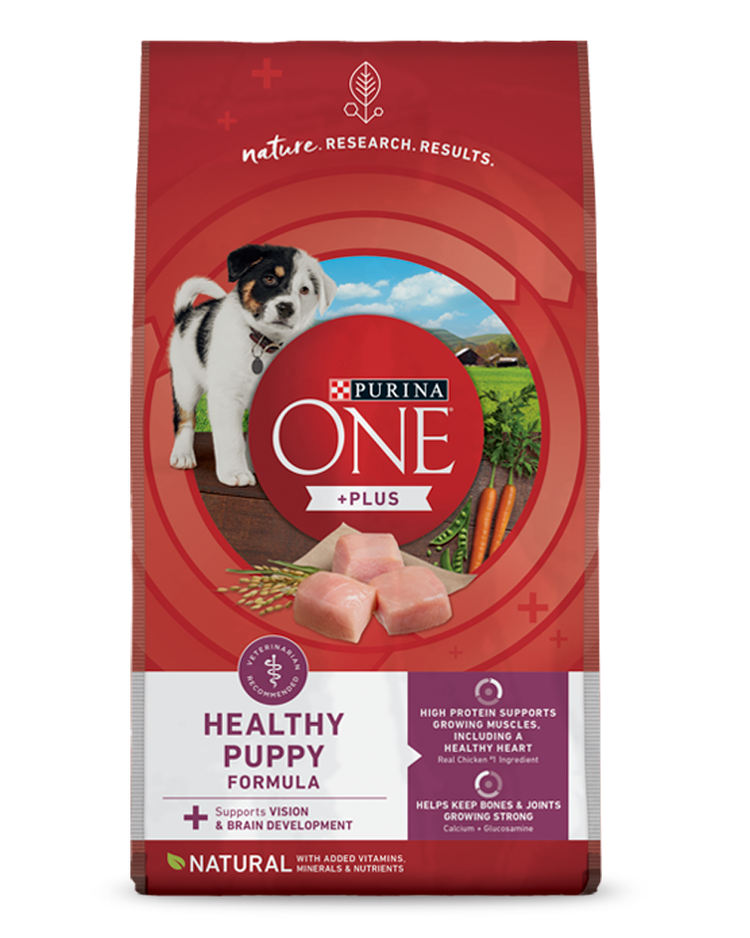
Credit: www.purina.com
When To Transition
Knowing the right time to switch your dog from puppy food to adult food is crucial for their health and growth. Transitioning too early or too late can affect their development and energy levels. Let’s break down the key factors that help you decide exactly when to make the change.
Puppy Growth Stages
Puppies go through rapid growth in their first year, but this growth rate slows down at different times depending on their breed and size.
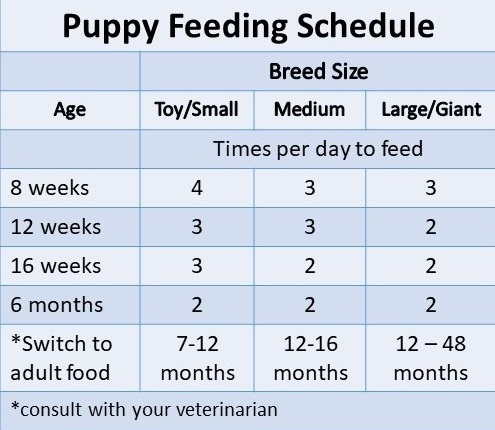
Small breeds typically reach adult size around 9 to 12 months, while larger breeds may take 12 to 18 months or even longer.
During these stages, puppies need nutrient-rich food that supports bone and muscle development, so switching too soon may leave them without enough energy or essential nutrients.
Breed Size Impact
Breed size plays a big role in deciding when to switch foods. Small dogs mature faster and often transition to adult food sooner.
Large and giant breeds require a more cautious approach because their bones and joints continue developing well past one year.
Switching a Great Dane to adult food at 9 months might be too early, while for a Chihuahua, it might be just right.
Signs To Watch
Watch for clear signs that your puppy is ready for adult food. These include slowing growth, decreased appetite for puppy food, and changes in activity levels.
If your dog seems less energetic or starts gaining weight rapidly, it might be a signal to adjust their diet.
Have you noticed your puppy’s coat becoming less fluffy or their playful bursts calming down? These subtle clues can guide your timing for the switch.

Credit: forthglade.com
Choosing The Right Food
Choosing the right food for your dog as they grow is vital. Adult dogs need a diet that supports their energy and health. The transition from puppy food to adult food should be smooth and thoughtful. Understanding the differences in formulas and special needs helps make the best choice.
Nutritional Needs Of Adults
Adult dogs require fewer calories than puppies but need balanced nutrients. Protein helps maintain muscle mass. Healthy fats support skin and coat. Fiber aids digestion. Vitamins and minerals keep their immune system strong. The food should meet these needs without causing weight gain.
Comparing Puppy Vs. Adult Formulas
Puppy food has more calories and fat for growth and energy. It contains extra nutrients like DHA for brain development. Adult dog food has fewer calories to avoid obesity. The protein levels are adjusted for maintenance, not growth. The formulas differ mainly in nutrient amounts and calorie density.
Special Dietary Considerations
Some adult dogs need special diets due to health issues or breed. Large breeds may require joint support supplements. Dogs with allergies need hypoallergenic food. Older dogs might benefit from food with added antioxidants. Consult your vet to find the right diet for your dog’s unique needs.
Transitioning Process
Transitioning your dog from puppy to adult food is a significant step. It requires careful planning and attention to detail. A smooth transition ensures your dog maintains good health and energy levels. Understanding the right approach can make this process easier and stress-free.
Gradual Food Changes
Switch your dog’s food slowly over several days. Start by mixing a small amount of adult food with their current puppy food. Gradually increase the adult food portion over a week. This helps your dog adjust without digestive issues. Consistency is key during this phase.
Monitoring Digestive Health
Watch your dog’s reaction to the new food. Look for signs of digestive discomfort, such as loose stools or vomiting. If these occur, slow down the transition. Ensure your dog drinks plenty of water. Hydration supports healthy digestion.
Adjusting Portion Sizes
Adult dogs often need less food than puppies. Adjust portion sizes according to your dog’s weight and activity level. Check the feeding guidelines on the food package. Regularly weigh your dog to ensure they maintain a healthy weight. Consult your vet if unsure about portion sizes.

Credit: jiminys.com
Common Mistakes To Avoid
Choosing the right time to switch your dog from puppy food to adult food is crucial, but many pet owners make avoidable mistakes that can affect their dog’s health. Understanding these common errors helps you make informed decisions that support your dog’s growth and well-being. Let’s look at some pitfalls you should watch out for to keep your furry friend happy and healthy.
Switching Too Early Or Late
Switching your dog to adult food too early can leave them without essential nutrients they need for growth. Puppies require higher protein and calorie content, so premature switching might stunt their development or cause digestive issues.
On the other hand, delaying the switch too long can lead to unnecessary weight gain or nutritional imbalances. Are you watching your dog’s behavior and body condition closely enough to know the right moment to transition?
Ignoring Breed Differences
Not all dogs grow at the same rate. Large breeds like Great Danes mature slower than small breeds like Chihuahuas, so their dietary needs differ significantly. Ignoring these differences can result in feeding mistakes that affect joint health or energy levels.
Talk to your vet about your dog’s breed-specific needs before making the switch. Have you considered how your dog’s breed influences their nutritional requirements?
Overfeeding And Underfeeding
Switching foods without adjusting portion sizes can cause weight issues. Adult dog food is often more calorie-dense, so feeding the same volume as puppy food might lead to overfeeding.
Conversely, underfeeding during the transition can cause your dog to lose weight or feel hungry. Use the feeding guidelines on the package and monitor your dog’s body condition regularly to find the right balance.
Veterinarian Recommendations
Veterinarians play a key role in deciding when to switch dogs to adult food. Their advice ensures dogs get the right nutrients at the right time. Each dog grows differently, so professional guidance is important.
Regular Health Checkups
Regular visits to the vet help track your dog’s growth. Vets check weight, teeth, and overall health. These checkups reveal when puppies mature enough for adult food. A vet can spot if your dog needs special diets or supplements.
Tailored Feeding Plans
Vets create feeding plans based on breed, size, and activity. Some dogs mature faster; others need longer puppy nutrition. Tailored plans prevent overfeeding or underfeeding risks. This approach supports healthy growth and energy levels.
When To Seek Professional Advice
- Sudden changes in appetite or weight
- Signs of digestive upset or allergies
- Behavior changes or low energy
- Uncertainty about food transition timing
Consult your vet at any of these signs. Expert advice avoids nutrition problems and keeps your dog healthy.
Frequently Asked Questions
When Should I Switch My Puppy To Adult Dog Food?
Most dogs should switch to adult food between 12 to 18 months. Smaller breeds may switch earlier, while larger breeds might need more time. Consult your vet for the best timing based on your dog’s breed and growth rate.
Why Is Switching Dog Food Age Important?
Switching food at the right age ensures proper nutrition for growth and maintenance. Puppy food supports development, while adult food meets energy needs of mature dogs. Feeding the wrong type can lead to health issues or nutritional imbalances.
How To Know If My Dog Is Ready For Adult Food?
Signs include reaching 80% of their expected adult size and slowed growth. Your vet can assess your dog’s maturity and recommend the right time to switch. Observe your dog’s energy and weight for additional clues.
Can I Mix Puppy And Adult Food During Transition?
Yes, gradually mixing puppy and adult food over 7-10 days helps avoid digestive upset. Start with mostly puppy food, then increase adult food proportion daily. This smooth transition supports your dog’s digestion and acceptance of new food.
Conclusion
Switching your dog to adult food at the right age helps their growth and health. Most dogs change diets between 12 and 18 months old. Watch their size and energy to decide the best time. Choose food made for adult dogs to meet their needs.
Always check with your vet if unsure. Feeding the right food keeps your dog happy and strong. Simple steps lead to a healthy life for your pet. Care and attention make all the difference.