
Are you wondering if it’s okay for your puppy to eat adult dog food? You’re not alone.
Many pet owners face this question, especially when they want the best for their furry friend. Feeding your puppy the right food is crucial for their growth, health, and happiness. Giving them adult dog food might seem convenient, but could it be harmful?
Keep reading to discover what experts say and how you can make the best choice for your puppy’s diet. Your pup’s future depends on it!
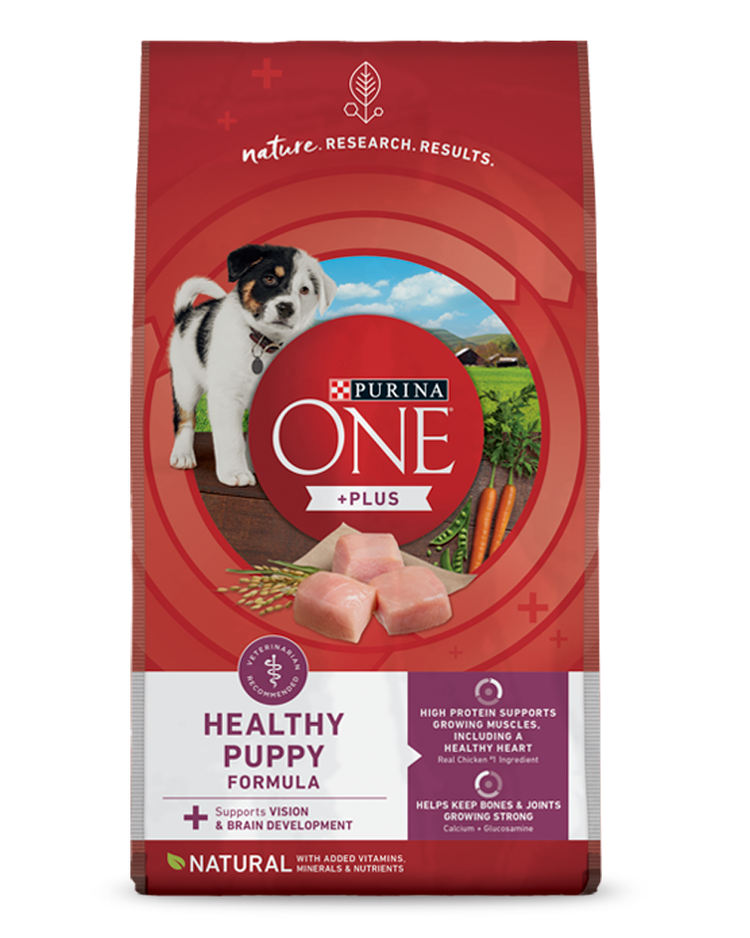
Credit: www.purina.com
Nutritional Needs Of Puppies
Puppies have unique nutritional needs that differ significantly from adult dogs. Their bodies are growing rapidly, demanding a diet that supports this intense development. Feeding them the right food is crucial to ensure they build strong bones, muscles, and a healthy immune system.
Growth And Development Requirements
During the first year, puppies grow at an astonishing rate. They need extra calories and nutrients to fuel this growth, more than adult dogs require. Feeding adult dog food can leave puppies without enough energy or essential nutrients, potentially slowing their development.
Think about how a baby human needs special formula or milk before moving to solid food. Puppies are similar—they need food designed specifically for their stage of life. This specialized nutrition supports not just physical growth but also brain development and overall health.
Key Nutrients For Puppies
Puppies require a balanced mix of proteins, fats, vitamins, and minerals. Protein is vital for muscle building, while fats provide energy and help with brain development. Puppy foods usually have higher protein and fat levels than adult dog foods to meet these needs.
- Calcium and phosphorus:Essential for strong bones and teeth.
- DHA (Docosahexaenoic acid):Supports healthy brain and eye development.
- Vitamins A and E:Help maintain a healthy immune system.
Have you ever noticed how your puppy’s energy sometimes seems endless? That’s because their diet fuels this burst of activity. Feeding them adult dog food might not sustain this energy level or support proper growth, making it crucial to choose puppy-specific nutrition.
Credit: www.thinkjinx.com
Differences Between Puppy And Adult Dog Food
Puppies and adult dogs have different needs. Their food reflects these differences clearly. Puppy food is specially made to support growth and energy. Adult dog food focuses on maintenance and health. Understanding these differences helps keep puppies healthy and strong.
Calorie Content
Puppy food contains more calories than adult dog food. Growing puppies need extra energy for playing and development. Adult dogs require fewer calories to maintain their weight. Feeding adult food to puppies may not provide enough energy.
Protein And Fat Levels
Puppy food has higher protein and fat levels. Protein supports muscle and tissue growth. Fat provides essential energy and helps brain development. Adult dog food has less protein and fat to avoid weight gain.
Vitamin And Mineral Variations
Puppy food includes extra vitamins and minerals. Calcium and phosphorus are increased for healthy bones and teeth. These nutrients help support rapid growth phases. Adult dog food has balanced levels for maintenance, not growth.
Risks Of Feeding Adult Food To Puppies
Feeding adult dog food to puppies can cause nutrient imbalances and slow their growth. Puppies need special food with extra vitamins and proteins for healthy development. Giving the wrong food might lead to stomach problems and weak bones.
Feeding adult dog food to puppies might seem like a harmless shortcut, but it carries significant risks. Puppies have different nutritional needs compared to adult dogs. Skipping on puppy-specific food can lead to a range of health issues. Let’s delve into these risks and understand why it’s crucial to feed your puppy the right diet.Nutritional Deficiencies
Puppies require a diet rich in calories, protein, and essential nutrients to support their rapid growth and development. Adult dog food is not formulated to meet these heightened needs. Feeding your puppy adult food can lead to deficiencies in vital nutrients like calcium and phosphorus, which are critical for bone development. Consider your puppy’s energy levels. They are likely more active and playful than adult dogs, burning through calories quickly. The right puppy food supports this energy demand, ensuring they grow into strong and healthy adults.Digestive Issues
Have you noticed your puppy experiencing digestive problems? Feeding them adult dog food might be the culprit. Puppies have sensitive digestive systems that require specific ingredients and nutrient levels. Adult dog food can be too rich or complex for a puppy’s stomach to handle. This can lead to upset stomachs, diarrhea, or even more serious gastrointestinal issues. Stick to puppy-formulated food to keep their tummies happy and healthy.Impact On Growth
The most critical period in a puppy’s life is their growth phase. What they eat directly impacts their physical development. Feeding them food not suited to their stage of life can stunt growth or lead to developmental abnormalities. Imagine your puppy struggling to keep up with their playmates because they aren’t growing as they should. Ensure they receive the right balance of nutrients to support strong bones, muscles, and overall growth. Feeding your puppy adult dog food might seem convenient, but the risks far outweigh any benefits. Choose a quality puppy food to invest in your furry friend’s future health and happiness.
Credit: greenpantry.co.uk
When Adult Dog Food Might Be Acceptable
Adult dog food is made for dogs that have finished growing. Puppies need more nutrients for their fast growth and development. Still, there are times when adult dog food might be okay for puppies. Knowing these times helps keep puppies healthy and happy.
Short-term Feeding Scenarios
Sometimes, puppies may need to eat adult dog food for a short time. For example, if puppy food is not available immediately, adult dog food can be a temporary option. This should not last more than a few days. Keep an eye on the puppy’s health and appetite during this time. Short-term feeding will not harm the puppy if balanced with plenty of water and care.
Another case is when a puppy has a sensitive stomach. Some adult dog foods are gentler and easier to digest. Feeding adult dog food temporarily can help the puppy feel better. Always watch for any signs of discomfort or allergies.
Consulting A Veterinarian
Veterinarians can guide feeding choices best. They know the puppy’s health needs and growth stage. A vet may suggest adult dog food in special cases. Examples include puppies with health issues or specific dietary needs. The vet will advise on how long and what type of adult food is safe.
Always ask a vet before switching food types. This helps avoid nutritional gaps and health problems. Following professional advice ensures the puppy grows strong and well.
Choosing The Right Food For Your Puppy
Choosing the right food for your puppy is crucial for their growth and health. Puppies need more nutrients and calories than adult dogs. Feeding them the correct diet supports strong bones, muscles, and a healthy immune system. Selecting the right food means understanding what your puppy needs at different life stages.
Reading Pet Food Labels
Pet food labels provide essential information about ingredients and nutrition. Look for the statement “Complete and balanced for puppies.” This means the food meets nutritional standards for growing dogs. Check the protein source; real meat should be near the top of the ingredient list. Avoid foods with too many fillers like corn or wheat. Also, note the guaranteed analysis for protein, fat, and fiber content. Higher protein and fat help support puppy development.
Recommended Puppy Diets
Puppy diets should be rich in protein, fat, vitamins, and minerals. Choose foods formulated specifically for puppies. These foods contain nutrients that support brain development and energy needs. Wet or dry puppy food both work well. Some brands offer grain-free or limited ingredient options for sensitive puppies. Consult your vet for recommendations based on your puppy’s breed and size. Avoid feeding adult dog food, as it lacks essential nutrients for puppies.
Transitioning To Adult Food
Switching to adult dog food should happen gradually. Start the transition at about one year old or as advised by your vet. Mix a small amount of adult food with puppy food. Increase adult food portion slowly over 7 to 10 days. Watch your puppy for any digestive issues. A slow change helps avoid stomach upset and keeps your puppy happy and healthy.
Signs Your Puppy Needs A Dietary Change
Recognizing when your puppy needs a dietary change can save you from bigger health issues down the road. Puppies have unique nutritional needs that adult dog food might not meet, and your puppy will often give you clear signs if the current diet isn’t working. Paying attention to these signals early helps you adjust their food to support their growth and well-being.
Behavioral Symptoms
Changes in your puppy’s behavior can be one of the first clues that their diet isn’t right. If you notice increased irritability or restlessness, it might mean they’re not getting enough nutrients to feel comfortable.
Watch for unusual lethargy or lack of interest in play, which can indicate a deficiency in energy-providing nutrients. Also, excessive chewing or gnawing on objects could be a sign of hunger or nutritional imbalance. Have you ever caught your puppy acting out of character after switching to adult food? That’s a red flag worth investigating.
Physical Health Indicators
Physical signs often speak louder than behavior when it comes to diet issues. A dull or patchy coat can signal a lack of essential fatty acids or vitamins.
Keep an eye on your puppy’s weight—too much or too little weight gain could mean their food isn’t appropriate. Digestive issues such as diarrhea, constipation, or vomiting are common indicators that their stomach isn’t adjusting well to the food.
Additionally, watch for changes in their muscle tone and energy levels. If your puppy looks weak or struggles to keep up during walks, it’s time to reassess their diet. Have you noticed any of these signs in your puppy after feeding them adult dog food?
Frequently Asked Questions
Is Adult Dog Food Safe For Puppies To Eat?
Adult dog food lacks essential nutrients for puppies. It is not formulated to support their growth and development. Feeding puppies adult food regularly can lead to nutrient deficiencies and health issues. Always choose puppy-specific food for balanced nutrition.
What Happens If Puppies Eat Adult Dog Food?
Puppies eating adult food may miss vital nutrients like DHA and calcium. This can affect their bone growth and brain development. Occasional adult food won’t harm, but consistent feeding is harmful. Use puppy food to ensure proper growth and immune support.
Can Puppies Digest Adult Dog Food Properly?
Puppies have different digestive needs than adult dogs. Adult dog food is harder to digest for puppies. It may cause stomach upset, diarrhea, or gas. Puppy food contains the right protein and fat levels for their sensitive digestive systems.
When Can Puppies Switch To Adult Dog Food?
Puppies can switch to adult dog food around 12 months old. Large breeds might need up to 18 months before switching. Consult your vet to determine the right time based on breed and growth rate. Transition gradually to avoid digestive issues.
Conclusion
Puppies need special food to grow strong and healthy. Adult dog food lacks important nutrients for puppies. Feeding adult food to puppies can cause health problems. Always choose food made for puppies to support their growth. Consult your vet for the best diet advice.
Taking care of your puppy’s nutrition helps them live a happy life. Small changes now can make a big difference later. Keep your puppy’s diet balanced and safe. Their health depends on the right food today.

