Are you curious about giving your dog the healthiest diet possible? Choosing the best raw food diet for dogs can feel overwhelming with so many options out there.
But imagine your furry friend full of energy, shiny coat, and strong immune system—all from the right meals. You’ll discover exactly what a raw food diet involves, why it might be the perfect choice for your dog, and how to pick the best plan tailored to their needs.
Keep reading to unlock the secrets to boosting your dog’s health through natural nutrition.
Benefits Of Raw Food Diet
Feeding dogs a raw food diet offers many health advantages. This diet mimics what dogs ate before domestication. It includes fresh meats, bones, fruits, and vegetables. Dogs often show better health and vitality on this diet. Here are some key benefits of feeding a raw food diet.
Improved Digestion
Raw food is easier for dogs to digest than processed kibble. Natural enzymes in raw meat aid digestion. Dogs produce less waste and have firmer stools. This diet supports a balanced gut flora. It helps reduce digestive problems like bloating and gas.
Healthier Coat And Skin
Raw diets provide essential fatty acids and nutrients. These boost skin hydration and reduce itching. Dogs’ coats become shinier and softer. A healthy coat shows fewer signs of dryness and dandruff. Natural oils from raw food improve overall skin health.
Enhanced Energy Levels
Raw food contains high-quality proteins and fats. These give dogs steady energy throughout the day. Many owners notice their pets become more playful and active. The diet supports muscle maintenance and stamina. It helps dogs stay alert and lively.
Stronger Immune System
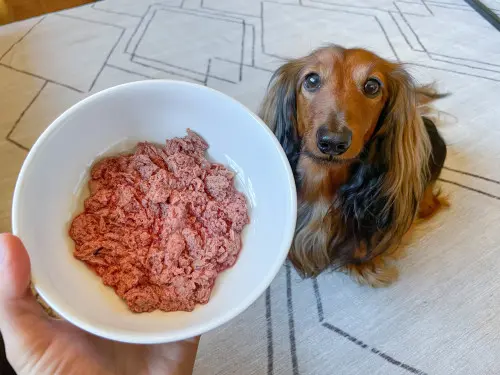
Raw diets include vitamins and minerals that support immunity. Fresh ingredients help fight off infections and illnesses. Dogs on raw food often recover faster from sickness. The diet boosts natural defenses against viruses and bacteria. A strong immune system means fewer vet visits.
Credit: wefeedraw.com
Key Components Of Raw Diet
Understanding the key components of a raw food diet is essential if you want to provide your dog with balanced nutrition. Each part plays a unique role in mimicking what dogs would naturally eat in the wild. Getting these right helps support your dog’s energy, health, and happiness.
Muscle Meat
Muscle meat forms the bulk of the raw diet. It provides your dog with essential proteins and amino acids needed for muscle development and repair.
Choose lean cuts like chicken breast, beef, or turkey. Avoid processed meats or those with added salts and spices.
Have you noticed how your dog’s energy changes with different protein sources? Muscle meat is often the most noticeable fuel for their daily activities.
Raw Bones
Raw bones are not only tasty for dogs but also important for dental health. Chewing on raw bones helps clean teeth and strengthens gums naturally.
Always select raw, edible bones like chicken wings or beef knuckles. Cooked bones can splinter and cause harm.
Adding bones can also provide calcium and phosphorus, vital for strong bones and teeth. Have you ever seen your dog’s excitement when given a raw bone? That’s a sign of its natural appeal.
Organ Meats
Organ meats are nutritional powerhouses, often overlooked by many dog owners. Liver, kidney, and heart deliver vitamins and minerals your dog’s body needs in small but potent amounts.
Keep organ meats to about 10% of the diet to avoid overloading your dog’s system.
Consider this: organ meats can improve coat shine and boost immunity. Have you tried adding a little liver to your dog’s meals?
Fresh Vegetables And Fruits
Though dogs are primarily carnivores, fresh vegetables and fruits add fiber, antioxidants, and essential vitamins.
Carrots, spinach, blueberries, and apples (without seeds) are great options. Avoid toxic foods like grapes, onions, and garlic.
Mixing in some veggies and fruits can also aid digestion and keep your dog’s gut healthy. What fresh treats does your dog enjoy the most?
Choosing Quality Ingredients
Choosing fresh, natural ingredients ensures your dog gets the nutrients they need. Avoid processed foods and select meats, vegetables, and fruits carefully for a balanced diet. Quality ingredients support better health and energy for your pet.
Choosing quality ingredients for your dog’s raw food diet is crucial to ensure their health and vitality. It’s not just about throwing together raw meats and veggies. Each ingredient should be carefully selected to provide balanced nutrition without harmful substances. Taking the time to source high-quality components will make a significant difference in your dog’s well-being. So, what should you focus on when building a raw food menu for your furry friend?Sourcing Organic Meat
Organic meat offers a higher nutritional value and is free from harmful chemicals. When you choose organic, you’re ensuring that your dog isn’t exposed to antibiotics or hormones often found in conventional meats. Look for local farms or trusted butchers that provide certified organic options. You might find that the taste and texture of organic meat are more appealing to your dog. Have you noticed a change in your dog’s coat or energy levels after switching to organic? These are often positive signs that your choice is making a difference.Safe Handling Practices
Handling raw food requires diligence to prevent contamination. Always wash your hands before and after preparing your dog’s meals. Use separate utensils and cutting boards for your dog’s food to avoid cross-contamination. Storing food properly is equally important. Keep raw meats in sealed containers and refrigerate or freeze them as needed. Consider setting a reminder to regularly clean your dog’s food bowls and preparation areas.Avoiding Harmful Additives
Many commercial dog foods are loaded with preservatives and artificial flavors. When preparing raw meals, ensure that you avoid these harmful additives. Opt for natural, whole ingredients instead. Reading labels is essential if you’re buying pre-made raw food products. Are there unfamiliar ingredients listed? If so, it’s worth questioning whether they are necessary or beneficial for your dog. Trust your instincts and prioritize transparency from your suppliers.
Credit: www.youtube.com
Balancing Nutrients For Dogs
Balancing nutrients is key to creating the best raw food diet for your dog. Each nutrient plays a specific role in keeping your dog healthy, active, and happy. Missing out on one essential element can lead to health problems down the road.
Protein Requirements
Protein is the building block of your dog’s muscles, skin, and organs. Dogs need high-quality animal protein sources like raw chicken, beef, or fish. Aim for a diet that contains about 80% meat to meet their protein needs.
Have you noticed how your dog’s energy levels improve after a protein-rich meal? That’s because protein fuels their body and supports repair.
Fat And Omega Fatty Acids
Fat is a crucial energy source and helps maintain a shiny coat and healthy skin. Look for natural fats found in raw meat and fish oils. Omega-3 and Omega-6 fatty acids are especially important—they reduce inflammation and support brain health.
Adding a small amount of fish oil or flaxseed oil can boost these fats. Just be careful not to overload fat, as it can upset your dog’s stomach.
Vitamins And Minerals
Vitamins and minerals support your dog’s immune system, bone strength, and overall vitality. Raw diets often include organ meats like liver, which are rich in essential vitamins A, D, E, and minerals such as iron and zinc.
Do you provide a variety of meats and vegetables in your dog’s meals? This variety helps cover the wide range of vitamins and minerals they need daily.
Common Raw Diet Plans
Raw food diets for dogs focus on fresh, natural ingredients. These diets aim to mimic what dogs ate before commercial pet foods existed. Various plans exist, each with different rules about ingredients and preparation. Understanding common raw diet plans helps choose the best one for your dog’s health and needs.
Barf Diet
BARF stands for Biologically Appropriate Raw Food. It includes raw meat, bones, vegetables, and fruits. The diet tries to balance nutrients naturally. Supporters believe it improves digestion and energy. This plan requires careful preparation to avoid nutrient imbalances.
Prey Model Diet
The Prey Model Diet mimics what wild dogs eat. It includes raw muscle meat, organs, and bones only. No vegetables or fruits are added. This diet focuses on whole prey nutrition. It suits dogs with specific health needs or allergies.
Commercial Raw Diets
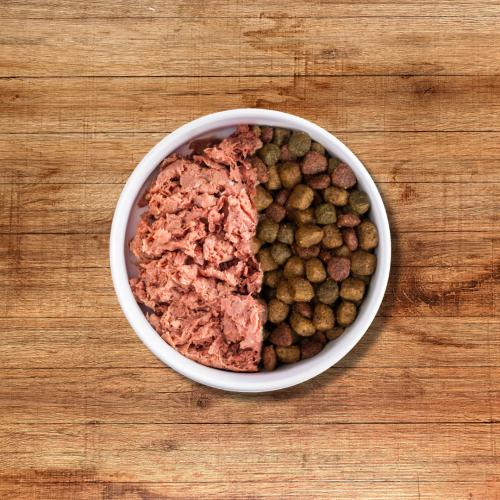
Commercial raw diets come pre-made, often frozen or freeze-dried. They offer convenience and balanced nutrition. These products usually include a mix of meat, bones, and organs. Many brands test their recipes for safety and quality. This option fits busy dog owners who want raw feeding benefits.
Transitioning To A Raw Diet
Transitioning your dog to a raw food diet requires care and patience. Sudden changes can upset your dog’s stomach and cause refusal to eat. A smooth transition helps your dog adjust to new tastes and textures. It also supports digestion and overall health.
Gradual Introduction Tips
- Start by mixing a small amount of raw food with your dog’s current diet.
- Increase the raw portion slowly over 7 to 10 days.
- Watch for any signs of discomfort or refusal to eat.
- Use fresh, high-quality raw ingredients to encourage acceptance.
- Keep meals consistent in timing and portion size during the transition.
Monitoring Dog’s Reaction
- Check for changes in energy levels and mood.
- Observe stool consistency and frequency for any irregularities.
- Look for signs of allergies like itching or redness.
- Note any vomiting or diarrhea immediately.
- Consult a vet if negative symptoms persist beyond a few days.
Adjusting Portions
- Start with small portions to avoid overloading your dog’s system.
- Increase serving size as your dog adapts to the raw diet.
- Balance protein, fat, and vegetables according to your dog’s needs.
- Adjust portions based on activity level and weight changes.
- Keep water available to support digestion and hydration.
Potential Risks And Precautions
Feeding dogs a raw food diet has its benefits but also some risks. Understanding these risks helps keep dogs safe and healthy. Precautions reduce chances of problems. Careful planning and hygiene are key. Knowing potential dangers helps owners make smart choices.
Bacterial Contamination
Raw meat can carry harmful bacteria like Salmonella and E. coli. These bacteria can make dogs sick or spread to humans. Always buy meat from trusted sources. Store it properly and clean all surfaces after handling. Wash your hands well. Freeze raw food to kill some bacteria before feeding.
Nutritional Imbalances
A raw food diet may lack essential nutrients if not balanced well. Dogs need vitamins, minerals, and proteins in the right amounts. Feeding only muscle meat or bones causes deficiencies. Use recipes approved by vets or pet nutritionists. Include a variety of ingredients to cover all needs.
Choking Hazards
Raw bones can break and cause choking or blockages. Small or cooked bones are especially dangerous. Avoid giving dogs bones that splinter easily. Always supervise dogs during meals. Choose safer bone options or bone alternatives designed for dogs.
Credit: wefeedraw.com
Supplements For Raw Fed Dogs
Feeding dogs a raw food diet requires more than just fresh meat and bones. Supplements play a key role in balancing nutrients. They support digestion, skin health, and overall vitality. Choosing the right supplements keeps dogs strong and happy.
Probiotics
Probiotics help maintain healthy gut bacteria. They improve digestion and nutrient absorption. Raw diets can vary in bacteria, so probiotics keep the gut balanced. These supplements reduce diarrhea and boost immune function. Look for strains like Lactobacillusand Bifidobacterium.
Fish Oil
Fish oil is rich in omega-3 fatty acids. These fats reduce inflammation and support brain health. Dogs on raw diets benefit from extra omega-3s for shiny coats and joint health. Use fish oil from clean, tested sources. It helps keep skin soft and reduces shedding.
Multivitamins
Multivitamins fill any nutrient gaps in a raw diet. They ensure dogs get enough vitamins and minerals daily. Choose formulas made for dogs, not humans. Balanced multivitamins support bones, teeth, and immune systems. They help avoid deficiencies common in homemade raw meals.
Homemade Vs Commercial Raw Diets
Choosing between homemade and commercial raw diets for your dog is a key decision that affects their health and your lifestyle. Both options offer unique advantages and challenges. Understanding these differences can help you provide the best nutrition for your furry friend.
Benefits Of Homemade Meals
Making raw meals at home lets you control every ingredient your dog eats. You can choose fresh, high-quality meats and add specific supplements tailored to your dog’s needs. This control often leads to better digestion and a happier pet.
Many dog owners find joy in preparing meals themselves, as it creates a deeper bond with their pet. You can adjust recipes if your dog has allergies or sensitivities. Plus, homemade meals avoid fillers and preservatives commonly found in commercial products.
Convenience Of Commercial Options
Commercial raw diets come ready to serve, saving you time and effort. They are often balanced by veterinary nutritionists, ensuring your dog gets all necessary nutrients. This is especially helpful if you have a busy schedule or lack confidence in meal preparation.
Packaging and portion sizes make feeding straightforward. Some brands even offer subscription services for regular deliveries. This convenience reduces the guesswork and stress around feeding raw diets.
Cost Comparison
| Aspect | Homemade Meals | Commercial Raw Diets |
|---|---|---|
| Initial Investment | Lower (buying ingredients as needed) | Higher (cost of pre-packaged meals) |
| Ongoing Cost | Variable (depends on ingredient quality) | Consistent (fixed price per package) |
| Time Cost | High (preparing and portioning meals) | Low (ready to feed) |
Consider your budget alongside your time availability. Can you invest hours weekly in meal prep, or do you prefer the ease of ready meals? Sometimes, balancing cost and convenience leads to mixing both options for your dog’s diet.
Signs Of A Healthy Raw Fed Dog
Shiny coat, bright eyes, and strong muscles show a dog thrives on a raw food diet. Healthy digestion and steady energy also indicate the best nutrition. Clear skin and happy behavior reflect a well-balanced raw meal plan.
Signs of a Healthy Raw Fed Dog Transitioning your dog to a raw food diet can feel like a big step. But the benefits often speak for themselves. A healthy raw-fed dog exhibits several unmistakable signs of improved well-being.Shiny Coat
One of the first things you may notice is a gleaming, shiny coat. The natural oils from raw meats and fish bring out a luster that kibble-fed dogs may lack. Imagine your dog strutting through the park, catching the sunlight with a coat that looks like it’s been polished.Regular Bowel Movements
Consistency is key, and not just in training! Raw-fed dogs often have smaller, firmer stools. This is because their bodies absorb more nutrients, leaving less waste. When was the last time you had to deal with an upset tummy incident? With a raw diet, those occurrences are less frequent, making life easier for both you and your pet.Active Behavior
A raw diet can bring out a new zest for life in your dog. You might notice a newfound energy, perhaps even a little extra spring in their step during walks. Does your dog seem more eager to play or explore? This is often a sign of improved health and vitality, thanks to a diet rich in natural, unprocessed ingredients. Switching to a raw food diet can be a rewarding journey for both you and your furry friend. As you observe these signs of health and happiness, you may find yourself wondering why you didn’t make the change sooner.Frequently Asked Questions
What Is The Best Raw Food Diet For Dogs?
The best raw food diet for dogs includes fresh meats, bones, organs, and vegetables. It mimics their natural diet and supports health.
Are Raw Food Diets Safe For All Dogs?
Raw diets are generally safe but should be balanced and prepared hygienically. Consult your vet before starting a raw diet.
How Do I Transition My Dog To A Raw Food Diet?
Transition gradually by mixing raw food with current food over 7-10 days. Monitor your dog’s health and digestion closely.
What Are The Benefits Of A Raw Food Diet For Dogs?
Raw diets can improve coat shine, digestion, energy levels, and dental health. They provide natural nutrients and reduce processed food intake.
Conclusion
Choosing the best raw food diet helps your dog stay healthy and strong. Fresh ingredients provide essential nutrients for energy and growth. Always balance meat, bones, and vegetables for a complete meal. Watch your dog’s reaction and adjust portions as needed.
Consult a vet to ensure safety and proper nutrition. Feeding raw can support better digestion and shinier coats. Careful planning makes raw feeding simple and rewarding. Your dog deserves the best diet for a happy life.