
Training your dog can sometimes feel like a puzzle you just can’t solve. What if there was a simple tool that could make communication clear and training faster?
That’s where a dog clicker comes in. You might have heard about it, but do you really know how to use it effectively? This small device can transform the way your dog learns, turning confusion into clear signals your pet understands instantly.
Keep reading, and you’ll discover easy steps to master dog clicker training, making your bond stronger and training sessions more successful than ever before.

Credit: www.calmshops.co.uk
Choosing The Right Clicker
Choosing the right clicker is key to effective dog training. The perfect clicker helps your dog learn faster. It should be easy to use and make a clear sound. Different clickers suit different dogs and trainers. Take time to pick one that fits your needs. This guide covers types, important features, and where to buy.
Types Of Clickers
Clickers come in various styles. Some are simple plastic boxes that click loudly. Others use metal or softer materials for quieter sounds. You can find wristband clickers that stay on your hand. Some clickers have a button you press. Others use a lever or a snap mechanism. Choose a type that feels comfortable and makes a clear sound.
Features To Consider
- Sound clarity: A sharp, consistent click helps dogs recognize the signal.
- Size and shape: Should fit comfortably in your hand or on your wrist.
- Durability: Look for materials that last through frequent use.
- Ease of use: Pressing the clicker should require little effort.
- Volume control: Some clickers allow sound adjustment for sensitive dogs.
Where To Buy
Clickers are widely available online and in pet stores. Online shops offer many brands and styles to compare. Pet stores let you test clicker sounds before buying. Some training centers also sell clickers recommended by professionals. Check reviews and prices to find the best option for your budget.

Credit: visapoint.travel
Getting Started With Clicker Training
Starting clicker training is simple and fun for both you and your dog. It helps your dog understand exactly which behavior earns a reward. This clarity makes learning faster and less confusing.
Begin in a quiet place with few distractions. Keep your dog’s favorite treats ready. Short training sessions work best to hold your dog’s attention.
Introducing The Clicker To Your Dog
Let your dog hear the click sound several times. Click and then immediately give a treat. Repeat this several times so your dog links the sound with rewards. This step builds a positive feeling about the clicker.
Timing The Click
Click at the exact moment your dog does the right action. This tells your dog what behavior earned the treat. Good timing helps your dog learn quickly. Avoid clicking too early or late to prevent confusion.
Pairing Click With Treats
Always give a treat right after clicking. This strengthens the connection between the click and the reward. Use small, tasty treats your dog loves. This encourages your dog to repeat good behaviors.
Basic Clicker Training Techniques
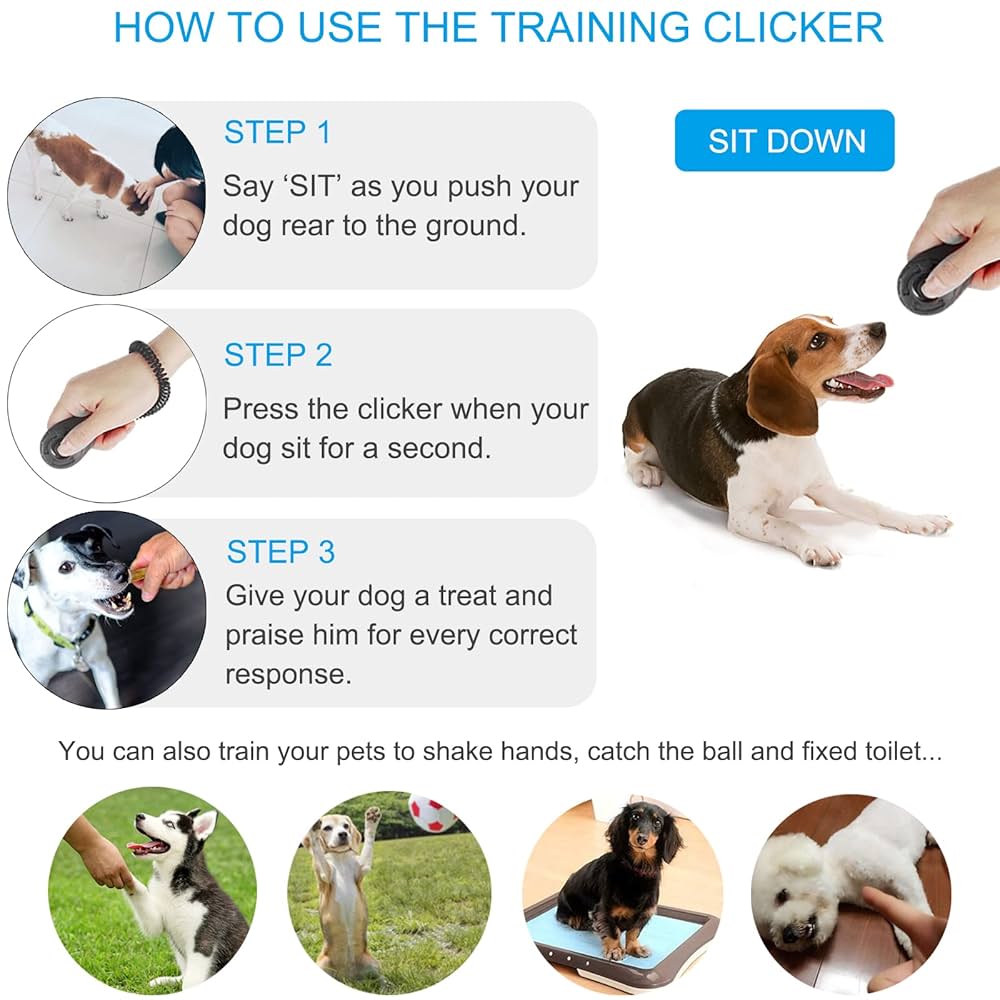
Using a dog clicker helps mark good behavior clearly and quickly. Press the clicker right when your dog does the right action, then give a treat. This teaches your dog to connect the sound with a reward.
Basic clicker training techniques offer a foundation for effective dog training. The clicker, a small device that makes a clicking sound, acts as a communication tool. It helps your dog understand which behaviors are good. This method is positive and rewarding, making learning enjoyable for your dog.Teaching Simple Commands
Start with basic commands like “sit” or “stay.” Hold a treat close to your dog’s nose. Move your hand up, making them follow the treat. As they sit, click the clicker and give a treat. Repeat this process several times. Soon, your dog will associate the click with the action. They will understand what “sit” means.Reinforcing Good Behavior
Click and treat when your dog behaves well. This could be sitting quietly or not barking. Reinforcement makes your dog repeat these actions. It helps in building their confidence. Always have your clicker and treats ready. Consistency is key to reinforcing good behavior.Avoiding Common Mistakes
Do not click after giving the treat. The click must happen during the action. Avoid using the clicker as a remote control. It should not replace verbal commands. Over-clicking can confuse your dog. Use the clicker for specific actions only. Remember, patience is crucial in training.Advanced Training Strategies
Advanced training strategies with a dog clicker open up new possibilities for both you and your dog. Once your dog understands the basics, it’s time to challenge their mind and deepen your communication. These techniques help you teach complicated behaviors, solve problems, and blend clicker training with other approaches for better results.
Shaping Complex Behaviors
Shaping means rewarding small steps toward a big behavior. Instead of waiting for your dog to do the full trick, you click and reward tiny improvements.
For example, if you want your dog to learn to roll over, start by clicking when they lie down, then when they turn their head, then when they roll onto their side, and so on. This breaks down the task and keeps your dog motivated.
Have you noticed how dogs love to figure things out when you reward effort? Shaping taps into this natural curiosity and helps you teach almost anything.
Using Clicker For Problem Solving
Clickers can guide your dog through tricky situations or unwanted habits. You can use the clicker to reward calm behavior during stressful moments, like vet visits or noisy environments.
When your dog struggles with a behavior, try clicking for any sign of progress, even small ones. This positive reinforcement encourages problem-solving and reduces frustration.
Think about a time your dog seemed stuck. Could clicking for tiny improvements help them find a better way?
Combining Clicker With Other Methods
Clicker training works well with other training tools like treats, verbal cues, and hand signals. Use the clicker to mark the exact moment your dog does the right thing, then follow up with praise or a treat.
For example, after your dog learns a behavior with the clicker, add a verbal cue like “sit” or “stay.” This helps your dog connect the click with real-world commands.
Mixing methods keeps training fresh and can speed up learning. How might combining your favorite techniques improve your dog’s progress?
Troubleshooting Training Challenges
Training your dog with a clicker can be incredibly rewarding, but it’s not always smooth sailing. You might hit some bumps that slow down progress or confuse your furry friend. Understanding common challenges and how to fix them can help keep your training on track and enjoyable for both of you.
Dealing With Distractions
Dogs are naturally curious, and distractions can easily pull their attention away from training. If your dog keeps looking around or ignoring the clicker, try moving to a quieter spot. Gradually reintroduce distractions as your dog gets better at focusing.
You can also use high-value treats or toys to capture your dog’s interest when distractions pop up. Have you noticed your dog zoning out when squirrels run by? Try a quick session indoors or in a fenced yard to rebuild focus before tackling the park again.
Maintaining Motivation
Keeping your dog motivated is key to successful clicker training. If your dog seems bored or reluctant, switch up rewards. Some dogs respond better to praise, while others prefer treats or playtime.
Short, frequent training sessions usually work better than long, tiring ones. When your dog starts to lose interest, end the session on a high note with a game or favorite treat. What’s one reward your dog can’t resist?
Adjusting Training Pace
Every dog learns at a different speed. If your dog struggles with a command, slow down and break it into smaller steps. Celebrate small wins instead of rushing to the final goal.
On the other hand, if your dog masters a skill quickly, don’t hesitate to challenge them with more complex tasks. Are you watching your dog’s signals closely enough to know when to speed up or slow down?

Credit: ullery-lisa.medium.com
Maintaining Long-term Success
Maintaining long-term success with dog clicker training takes more than just initial effort. It requires ongoing attention to how you use the clicker, ensuring your dog stays motivated, and keeping track of improvements over time. This keeps the training effective and enjoyable for both you and your dog.
Fading The Clicker
At some point, the clicker should become less necessary as your dog learns to respond reliably. Gradually reduce the frequency of clicks while rewarding your dog with treats or praise. This helps your dog understand that the behavior itself is valuable, not just the sound of the clicker.
Try clicking only for perfect responses or complex commands, then slowly phase out the clicker altogether. Have you noticed how your dog reacts when the clicker isn’t used? This can tell you if it’s time to fade the tool or keep it going a bit longer.
Keeping Training Fun
Training should never feel like a chore for your dog or you. Mix up the activities and keep sessions short but engaging to maintain enthusiasm. Use playful tones, toys, and treats that your dog loves to make each session rewarding.
Remember, boredom can quickly undo progress. If you sense your dog is losing interest, switch to a different game or give them a break. How do you keep your dog excited about training?
Tracking Progress
Keeping a simple training journal or using an app can help you see how your dog improves over time. Note what commands your dog masters and where they struggle. This insight guides where to focus your efforts next.
Celebrate small victories and adjust your goals as needed. When was the last time you checked how far your dog has come? Tracking progress not only motivates you but also helps your dog succeed more consistently.
Frequently Asked Questions
What Is A Dog Clicker Used For In Training?
A dog clicker is a small device that makes a clicking sound. It marks the exact moment your dog performs a desired behavior. This helps your dog understand which action earned a reward, making training faster and clearer.
How Do I Start Using A Dog Clicker?
Begin by clicking the clicker and immediately giving your dog a treat. Repeat this several times to create a positive association. Once your dog links the click sound to rewards, use it to mark good behavior during training.
Can All Dog Breeds Learn With A Clicker?
Yes, all dog breeds can learn effectively with a clicker. Clicker training relies on clear communication and rewards. It works well for puppies, adult dogs, and even senior dogs, regardless of breed or size.
How Often Should I Use The Clicker During Training?
Use the clicker every time your dog performs the desired behavior correctly. Consistent clicking helps your dog understand what you want. Gradually, you can reduce treats but keep using the clicker to reinforce learning.
Conclusion
Using a dog clicker helps your pet learn commands clearly. The click sound marks good behavior instantly. Keep training sessions short and fun for best results. Be patient and consistent to see steady progress. Practice daily to build trust and understanding.
Your dog will respond better over time. This simple tool makes training easier and more effective. Try it and enjoy bonding with your dog. Training becomes a positive experience for both of you.


