Does your dog bark every time someone walks by? It can be frustrating and exhausting, especially when you want peace at home.
But imagine having a calm dog who stays quiet when visitors arrive or strangers pass by. You can make that happen. You’ll discover simple, effective ways to train your dog not to bark at people. These tips are easy to follow and will help you build a stronger bond with your furry friend.
Keep reading, and you’ll soon enjoy quieter, happier moments with your dog.
Reasons Dogs Bark At People
Barking at people is a natural way dogs communicate, but it can become a problem if it happens too often or at the wrong times. Understanding why your dog barks at strangers or visitors is the first step to managing this behavior. Once you know the root causes, you can tailor your training to address your dog’s specific triggers and personality.
Common Triggers
Dogs often bark at people because they react to certain sights, sounds, or situations. Common triggers include:
- Strangers approaching your home or yard
- Loud noises like doorbells or footsteps
- Unfamiliar people walking past on the street
- Visitors entering your house
Have you noticed if your dog barks more when someone wears a hat or carries a bag? Identifying these triggers helps you control the environment during training.
Behavioral Causes
Barking can be a sign of fear, excitement, or territorial behavior. Dogs may bark to warn you of potential danger or because they feel anxious around new people. Sometimes, barking is a way to get your attention or to express boredom.
Think about your dog’s past experiences. Has your dog ever had a bad encounter with strangers? This can make them more reactive. Observing your dog’s body language when they bark can reveal if they are scared, curious, or trying to assert control.
Breed Tendencies
Some breeds are naturally more vocal than others. For example, Beagles and Terriers are known to bark frequently because they were bred to alert their owners of small game or intruders. On the other hand, breeds like Basenjis bark less but may use other sounds.
Does your dog belong to a breed known for alertness or guarding? Understanding your dog’s breed tendencies can help you set realistic expectations and choose effective training techniques.
Recognizing Barking Patterns
Understanding when and why your dog barks helps in training them better. Recognizing barking patterns is key to control unwanted noise. It helps you address the real cause behind the barking. Observe your dog’s behavior closely to spot these patterns.
Situational Triggers
Dogs often bark at specific things or events. Common triggers include strangers, other animals, or loud noises. Notice what happens before your dog starts barking. This can be someone walking by or a sudden sound. Identifying these triggers helps in managing your dog’s reactions.
Time And Frequency
Track the time when barking occurs most. Some dogs bark more at certain times of day. For example, mornings or evenings might be noisy. Also, note how often the barking happens. Frequent barking could mean your dog feels anxious or bored.
Emotional States
Your dog’s mood affects barking behavior. Dogs bark when they feel scared, excited, or frustrated. Watch for signs like tail position or body posture. Calm dogs bark less, while stressed dogs bark more. Recognizing these feelings helps in calming your dog down.
Basic Training Techniques
Train your dog to stay calm by rewarding quiet behavior near people. Use gentle commands and consistent practice to reduce barking. Patience and positive reinforcement help your dog understand when to be silent.
Training your dog not to bark at people can feel like a daunting task, but breaking it down into basic techniques can simplify the process. These techniques focus on positive reinforcement, command training, and the critical importance of consistency. By understanding and applying these methods, you can effectively guide your dog to become more calm and well-behaved around strangers.Positive Reinforcement
Positive reinforcement is a powerful tool in dog training. Reward your dog with treats, praise, or a favorite toy when they remain quiet in situations where they usually bark. This not only encourages good behavior but also strengthens your bond. Consider the type of reward that motivates your dog the most. Some dogs respond well to verbal praise, while others may need a tasty treat. Consistently rewarding desired behavior teaches your dog what is expected.Command Training
Teaching specific commands can greatly aid in managing your dog’s barking. Start with simple commands like “quiet” or “enough,” and associate them with moments of silence. Practicing these commands regularly helps your dog understand and respond appropriately. Begin training in a controlled environment where distractions are minimal. Gradually increase the challenge by introducing your dog to more stimulating situations. Remember, patience is key—every dog learns at their own pace.Consistency Importance
Consistency is crucial in any training regimen. Ensure that all family members use the same commands and rewards to avoid confusing your dog. Inconsistent signals can undermine your efforts and delay progress. Set a routine for training sessions to establish a sense of predictability. Dogs thrive on routine, and knowing what to expect can make them feel more secure. How can you ensure that everyone in your household is on the same page with the training plan? By focusing on these basic training techniques, you’re laying the foundation for a more harmonious relationship with your dog. Remember, training is a journey, not a sprint. Celebrate small victories along the way!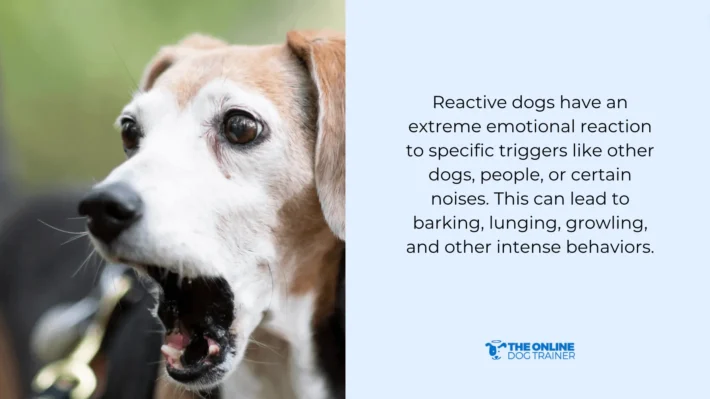
Credit: theonlinedogtrainer.com
Desensitization Methods
Desensitization methods help reduce your dog’s reaction to people. These techniques slowly expose your dog to triggers. The goal is to make the dog feel safe and calm. Over time, the barking will decrease. Patience and consistency play a big role in success.
Controlled Exposure
Start by exposing your dog to people at a distance. Choose a quiet place with few distractions. Keep your dog on a leash. Watch your dog’s body language closely. If your dog stays calm, reward with treats or praise. Gradually decrease the distance over several sessions. Stop if your dog shows signs of stress. Controlled exposure helps your dog get used to people slowly.
Gradual Introduction
Introduce your dog to new people slowly and calmly. Use friends or family members who understand your training plan. Let the dog see the person without forcing interaction. Allow the dog to approach at its own pace. Keep meetings short and positive. Repeat these introductions regularly to build comfort. Gradual introduction lowers your dog’s fear and alertness.
Rewarding Calm Behavior
Reward your dog whenever it stays quiet near people. Use treats, toys, or gentle praise as rewards. Timing is important—reward calm moments immediately. Avoid rewarding barking or anxious behavior. Consistent rewards teach your dog that calmness brings good things. This positive reinforcement encourages your dog to stay quiet over time.
Redirecting Attention
Redirecting your dog’s attention away from people is a powerful way to reduce barking. Instead of trying to stop the barking directly, you guide your dog’s focus to something else. This approach not only calms your dog but also builds better communication between you and your pet.
Using Toys And Treats
Toys and treats are excellent tools to capture your dog’s attention. When your dog starts barking at someone, immediately offer a favorite toy or a tasty treat. This switch helps your dog associate people passing by with positive things instead of feeling the need to bark.
Keep a special toy or treat handy during walks or visits to busy areas. You want your dog to quickly shift focus before the barking starts. Have you noticed how a sudden squeak of a toy can stop barking right away? Try to use this to your advantage.
Teaching Focus Commands
Teaching your dog simple focus commands like “look” or “watch me” strengthens control over their attention. Start training in a quiet environment, holding a treat near your face and saying the command. When your dog looks at you, reward immediately.
Practice this daily and gradually introduce distractions like people walking by. This helps your dog learn to focus on you, even when there’s tempting stimuli. What if your dog could choose to look at you instead of barking?
Engaging Activities
Engaging your dog in activities keeps their mind busy and reduces the urge to bark. Activities like puzzle feeders, obedience games, or fetch can redirect energy positively. These tasks challenge your dog and provide mental stimulation.
Try to notice when your dog is about to bark and offer an activity instead. For example, asking your dog to sit and then playing a quick game can distract them effectively. How often do you give your dog a task to do when strangers approach?
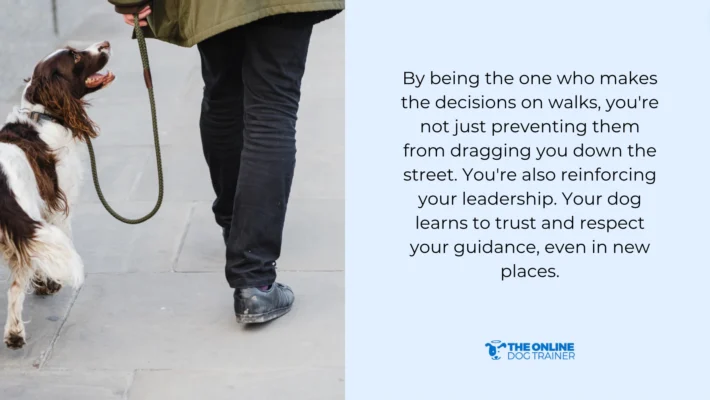
Credit: theonlinedogtrainer.com
Managing The Environment
Managing your dog’s environment plays a crucial role in reducing barking at people. By controlling what your dog sees and experiences, you can lessen their urge to bark and create a calmer atmosphere at home. This approach works well because it addresses the root triggers that set off your dog’s barking behavior.
Limiting Visual Triggers
Dogs often bark because they see someone approaching or passing by. You can reduce this by blocking their line of sight to common triggers like sidewalks, driveways, or windows facing the street.
- Use frosted window films or curtains to limit outside views.
- Set up baby gates or barriers to keep your dog away from doors and windows.
- Plant shrubs or place fencing to block the direct view of the street.
When I blocked my own dog’s view of the front yard, his barking dropped dramatically. What sight triggers your dog the most?
Safe Spaces
Creating a safe, quiet spot for your dog helps them feel secure and less reactive. This can be a cozy corner with their bed or crate where they retreat when overwhelmed.
- Choose a low-traffic area in your home.
- Add favorite toys and blankets to make it inviting.
- Encourage your dog to spend time there during stressful moments.
Notice how your dog behaves when they have a place to relax away from distractions. Could such a space help your dog stay calm around visitors?
Routine Adjustments
Changing your dog’s daily routine can reduce the chances of barking out of boredom or anxiety. Dogs thrive on predictability, so small tweaks can make a big difference.
- Increase physical exercise to burn off excess energy.
- Schedule mental stimulation like puzzle toys or training sessions.
- Time walks to avoid busy periods with lots of passersby.
My dog’s barking reduced when I shifted our walks to quieter times and added puzzle feeders at home. How might you adjust your dog’s routine to keep them calmer?
When To Seek Professional Help
Training a dog not to bark at people can be straightforward for many owners. Yet, some barking problems may need expert guidance. Knowing when to ask for professional help saves time and stress. It helps your dog learn better and faster.
Persistent barking despite consistent training is a clear sign. Sudden aggressive behavior or fear-driven barking also calls for a specialist. Professionals have tools and knowledge beyond basic training methods.
Identifying Complex Issues
Some dogs bark due to deep-rooted fears or anxiety. Others may have medical issues causing discomfort or pain. Barking triggered by aggression needs careful handling to avoid risks. Professionals can spot these hidden problems easily. They assess the dog’s health and emotional state thoroughly.
Choosing A Trainer
Select a trainer with experience in behavior problems, not just basic obedience. Check certifications from recognized organizations for quality assurance. Look for trainers who use positive reinforcement methods. Ask for references or reviews from past clients. A good trainer communicates clearly and guides owners step-by-step.
Behavioral Therapy Options
Therapists use techniques like desensitization and counter-conditioning. These methods change how your dog reacts to people. Therapy may involve gradual exposure to triggers at a controlled pace. Some dogs benefit from medication combined with therapy. Professionals tailor plans to each dog’s unique needs.
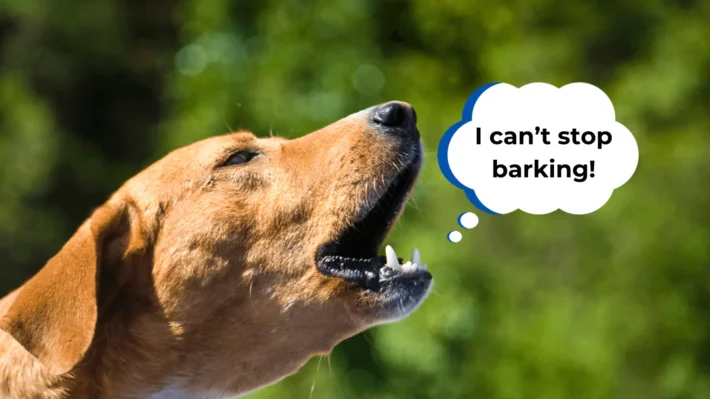
Credit: theonlinedogtrainer.com
Frequently Asked Questions
How Can I Stop My Dog Barking At Strangers?
Train your dog with positive reinforcement and consistent commands. Use treats to reward calm behavior when strangers approach. Gradually expose your dog to new people in controlled settings to reduce anxiety and barking.
Why Does My Dog Bark At People Outside?
Dogs bark at strangers due to territorial instincts or fear. Barking alerts owners to potential threats. Understanding your dog’s triggers helps tailor effective training to reduce this behavior.
What Is The Best Training Method To Reduce Barking?
Positive reinforcement combined with desensitization works best. Reward your dog for quiet behavior and slowly expose them to people. Avoid punishment, as it may increase anxiety and worsen barking.
How Long Does It Take To Train A Dog Not To Bark?
Training time varies by dog and consistency. Generally, improvements appear within weeks with daily practice. Patience and persistence are key to lasting results.
Conclusion
Training your dog not to bark at people takes patience and practice. Stay calm and consistent with your approach. Reward your dog when it stays quiet. Use gentle commands and avoid shouting. Over time, your dog will learn to stay calm around strangers.
Remember, every dog learns at its own pace. Keep training sessions short and positive. Soon, you will enjoy peaceful walks and visits without loud barking. Small steps lead to big changes in your dog’s behavior. Keep going—you and your dog can do this together.